

⏱ 7 min read
Do neck stretching exercises really help relieve stiffness in just 10 minutes?
Yes. Neck stretching exercises can reduce stiffness, improve mobility, and relieve muscle tension in as little as 10 minutes when performed with slow, controlled movements. A short routine is especially effective for people experiencing mild stiffness from desk work, prolonged screen time, or poor posture. While neck stretches for pain relief cannot treat injuries or underlying medical conditions, they can improve circulation, relax tight muscles, restore range of motion, and help you feel more comfortable throughout the day.
For the best results, combine daily neck stretching exercises with regular movement breaks, good workstation ergonomics, and posture awareness. If your pain is severe, follows an injury, or is accompanied by numbness, tingling, or arm weakness, seek medical evaluation before starting a stretching routine.
Neck Stretching Exercises You Can Do in 10 Minutes
If your neck feels stiff after a long day at your computer, you're far from alone. Hours of sitting, frequent phone use, stress, and limited movement can leave the muscles around your neck and shoulders feeling tight and fatigued. The good news is that a well-designed 10-minute routine can help relieve tight neck muscles, improve flexibility, and restore comfortable movement without requiring special equipment.
In this guide, you'll learn why neck stiffness develops, how a daily stretching routine supports healthier movement, and how to build simple habits that reduce tension before it becomes chronic.
Explore simple tools designed to support daily neck relief.
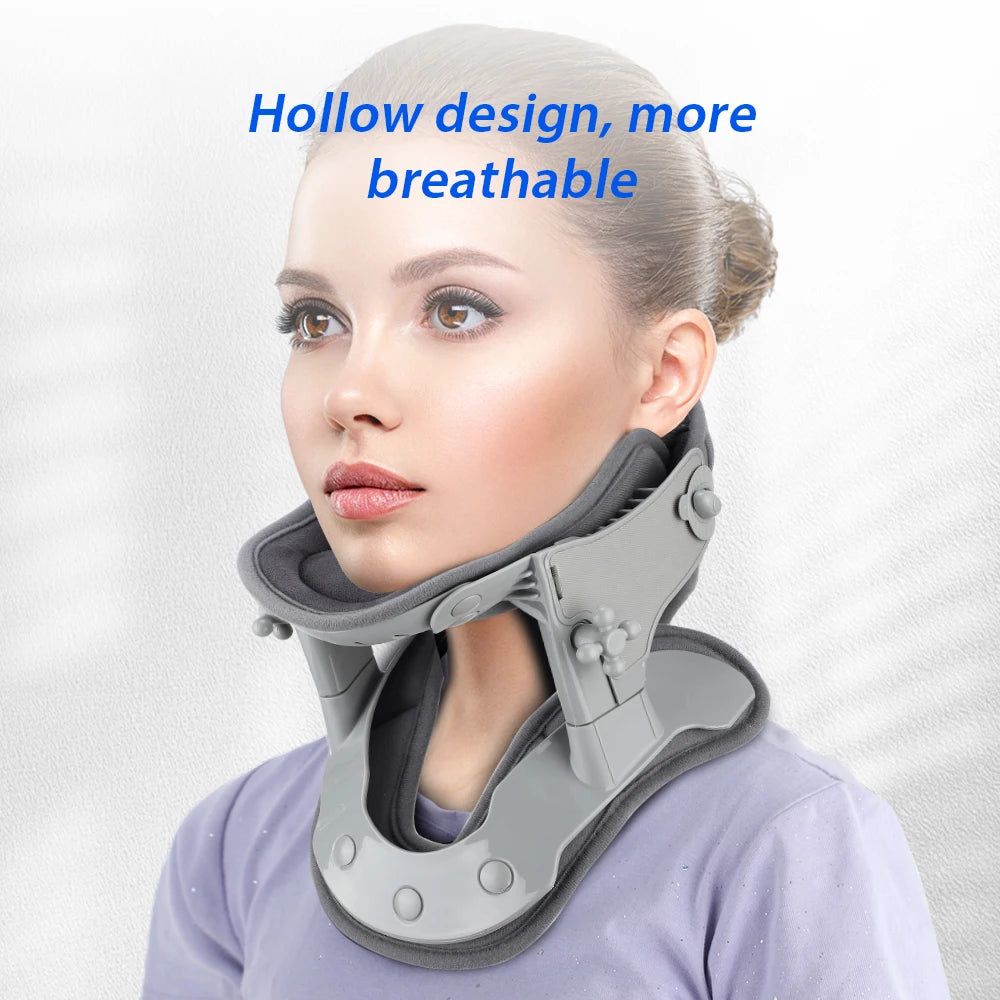
Neck stretching exercises to release tension fast — See it in action
Why Your Neck Feels Tight
Neck stiffness usually develops because the muscles supporting your head remain in the same position for extended periods. Looking at a computer monitor, using a smartphone, driving, or reading for hours encourages a forward-head posture—often called tech neck . This places extra demand on the muscles at the back of your neck and shoulders while shortening muscles across the front of the neck and chest.
Other everyday factors can also contribute to tightness, including:
- Forward head posture caused by prolonged screen use
- Long periods of sitting with few movement breaks
- Stress that increases muscle tension around the neck and shoulders
- Poor workstation ergonomics or monitor height
- Sleeping in awkward positions or using an unsupportive pillow
- Reduced upper back and shoulder mobility
Over time, these habits may reduce circulation, limit joint mobility, and create muscle imbalances involving the upper trapezius, levator scapulae, and deep neck stabilizers. Consistent neck stretches after work help restore normal movement, improve blood flow, and gradually relieve tight neck muscles before discomfort becomes persistent.
Benefits of a Daily Neck Stretching Routine
A daily neck stretching routine doesn't need to be long to be effective. Spending just 10 minutes on targeted neck mobility exercises can reduce stiffness, improve posture, and make everyday activities more comfortable when practiced consistently.
- Relieves tight neck muscles: Gentle stretching reduces muscle tension and encourages relaxation.
- Improves neck mobility: Regular movement helps maintain a healthy range of motion and reduces stiffness.
- Supports better posture: Exercises such as chin tucks help counteract forward-head posture associated with desk work.
- Enhances circulation: Improved blood flow may reduce soreness and support muscle recovery.
- May lower the risk of recurring stiffness: Consistent movement helps prevent muscles from becoming tight after prolonged sitting.
Consistency is more important than intensity. A gentle routine performed most days is typically more beneficial than occasional aggressive stretching. Over time, daily neck stretching can improve comfort, posture, and overall neck function while supporting healthier movement habits.
Safety Checklist Before You Start Neck Stretching
Learning how to stretch a stiff neck safely starts with proper technique. Neck muscles and joints are sensitive, so gentle, controlled movements are far more effective than forceful stretching. Following a few simple precautions can help reduce the risk of irritation while improving flexibility and comfort.
- Move slowly and avoid bouncing or jerking motions.
- Stretch only until you feel mild tension—not pain.
- Keep your shoulders relaxed and your spine in a neutral position.
- Breathe slowly and evenly throughout every stretch.
- Maintain a comfortable range of motion instead of forcing deeper positions.
- Stop immediately if symptoms worsen during any movement.
Who should avoid stretching
Gentle neck stretching techniques are suitable for many people with everyday muscle tightness, but you should postpone stretching and seek professional advice if you have:
- A recent neck injury, fall, or car accident.
- Known cervical spine instability or fractures.
- Recent neck or upper back surgery.
- Severe inflammatory conditions affecting the cervical spine unless cleared by your healthcare provider.
Red flags requiring medical care
Do not continue stretching if you experience any of the following:
- Sharp or worsening neck pain.
- Pain that radiates into the shoulder, arm, or hand.
- Numbness, tingling, or muscle weakness.
- Loss of balance, dizziness, or difficulty with coordination.
- Persistent pain that does not improve with rest.
Warm-up tips
Before stretching, prepare your muscles with one or two minutes of gentle movement. Slowly roll your shoulders, walk around the room, or apply a warm compress if your neck feels especially tight. Warm muscles generally respond better to stretching than cold, tense muscles.
Learn step-by-step techniques you can do at home.
Best Neck Stretching Exercises for Beginners
These beginner-friendly neck stretching exercises target the muscles that commonly become tight from desk work, driving, and prolonged screen time. Perform each movement slowly, breathe normally, and hold each stretch for 15–30 seconds unless otherwise noted. Repeat on both sides before moving to the next exercise.
Side Neck Stretch
How to do it: Sit or stand tall with your shoulders relaxed. Gently tilt one ear toward the same-side shoulder without raising the shoulder.
Target muscles: Upper trapezius and side neck muscles.
Beginner tip: Let gravity create the stretch rather than pulling on your head.
Chin Tuck
How to do it: Look straight ahead and gently draw your chin backward, creating a "double chin" without tipping your head up or down. Hold briefly before relaxing.
Target muscles: Deep neck flexors.
Recommended repetitions: 8–10 slow repetitions.
Neck Rotation
How to do it: Slowly rotate your head to look over one shoulder, pause comfortably, then return to the center before repeating on the opposite side.
Target muscles: Sternocleidomastoid and supporting neck muscles.
Beginner tip: Stay within a pain-free range of motion.
Upper Trapezius Stretch
How to do it: Sit on one hand to keep the shoulder down while gently tilting your head away from that side.
Target muscles: Upper trapezius.
Hold time: 20–30 seconds per side.
Levator Scapulae Stretch
How to do it: Turn your head about 45 degrees, then look down toward your armpit until you feel a gentle stretch along the back and side of the neck.
Target muscles: Levator scapulae.
Best for: Tightness commonly felt after prolonged computer work.
Chest Opener Stretch
How to do it: Clasp your hands behind your back or place your forearms against a doorway and gently open your chest while keeping your shoulders down.
Target muscles: Chest muscles that contribute to rounded shoulders.
Benefit: Supports improved posture and complements neck stretching.
Scalene Stretch
How to do it: Tilt your head slightly backward and to one side until you feel a gentle stretch along the front and side of the neck.
Target muscles: Scalenes.
Tip: Use a light stretch only, as these muscles are sensitive.
Shoulder Roll Mobility
How to do it: Roll both shoulders slowly backward for 10 repetitions, then forward for another 10.
Target muscles: Shoulder girdle and upper back.
Benefit: Improves mobility and reduces tension that often contributes to neck stiffness.
Quick 10-Minute Neck Stretching Routine
Follow this sequence for an easy routine at home, during an office break, or after work. Perform every movement with slow, controlled form and stop if you experience pain.
- Chin Tuck (1 minute): Perform 10 slow repetitions to activate the deep neck flexors and improve posture.
- Side Neck Stretch (2 minutes): Hold for 30 seconds on each side and repeat twice.
- Upper Trapezius Stretch (2 minutes): Hold each side for 30 seconds and repeat twice.
- Neck Rotation (2 minutes): Complete 8–10 slow rotations to each side.
- Shoulder Roll Mobility (2 minutes): Perform forward and backward shoulder rolls to release upper back tension.
- Deep Breathing Reset (1 minute): Finish with slow breathing while maintaining an upright posture to encourage relaxation.
This sequence works well first thing in the morning to loosen overnight stiffness, during work breaks to counter prolonged sitting, or after work to relieve accumulated muscle tension. As your flexibility improves, focus on performing the routine consistently rather than increasing stretch intensity.
How to Stretch Neck Muscles Correctly
Proper technique is more important than stretching harder. Gentle, controlled movements help improve flexibility while reducing unnecessary strain on the muscles, ligaments, and joints of the cervical spine.
- Breathe naturally: Exhale as you move into each stretch and avoid holding your breath, which can increase muscle tension.
- Move slowly: Ease into each position until you feel a mild stretch, never sharp pain.
- Maintain good posture: Keep your shoulders relaxed, chest open, and spine neutral throughout every movement.
- Hold consistently: Most gentle neck stretches are effective when held for 15–30 seconds without bouncing.
- Stretch both sides evenly: Balance your routine to avoid creating new muscle imbalances.
These neck stretching techniques encourage gradual improvements in mobility while helping reduce everyday stiffness caused by prolonged sitting or repetitive activities.
Neck Stretches for Pain Relief vs Neck Mobility Exercises
Although the movements may appear similar, neck stretches for pain relief and neck mobility exercises serve different purposes. Choosing the right approach depends on how your neck feels and what you want to achieve.
| Goal | Recommended Approach | Expected Outcome |
|---|---|---|
| Pain relief | Gentle static stretches with slow breathing | Reduced muscle tension and improved comfort |
| Improve mobility | Controlled neck rotations, chin tucks, and mobility drills | Greater range of motion and smoother movement |
| Daily maintenance | Combine stretching with mobility exercises | Better posture, flexibility, and long-term neck health |
If your neck feels sore after a long day at a desk, begin with gentle stretches to relax tight muscles before adding mobility exercises. As discomfort decreases, combining both approaches typically provides the best long-term results.
Which Muscles Do These Neck Stretches Target?
Understanding which muscles each exercise addresses can help you choose the most effective stretch for your symptoms.
- Upper trapezius: Commonly tight after prolonged computer work and shoulder tension.
- Levator scapulae: Often responsible for discomfort along the side and back of the neck.
- Scalenes: Located along the front and sides of the neck and may tighten with poor posture.
- Sternocleidomastoid (SCM): Helps rotate and tilt the head and can become overworked with forward-head posture.
- Deep neck flexors: Important stabilizing muscles strengthened through exercises such as chin tucks to support better alignment.
A balanced routine that targets these muscle groups promotes healthier movement patterns and helps reduce recurring stiffness caused by everyday activities.
Common Mistakes to Avoid When Stretching Your Neck
Even simple neck stretches can become less effective—or increase discomfort—if performed incorrectly. Avoid these common mistakes to get the most benefit from your routine.
- Stretching too aggressively: Trying to force a deeper stretch can irritate muscles and joints instead of helping them relax.
- Moving too quickly: Fast or jerky movements reduce control and may increase the risk of muscle strain.
- Holding your breath: Smooth breathing encourages muscle relaxation and makes stretches more comfortable.
- Poor posture during stretching: Rounded shoulders or leaning your body can reduce the effectiveness of neck stretching techniques.
- Ignoring pain signals: Mild tension is expected, but sharp, radiating, or worsening pain is a sign to stop.
- Stretching inconsistently: Occasional sessions provide temporary relief, while regular practice supports lasting improvements in flexibility and posture.
Focus on slow, controlled movements, proper alignment, and consistent practice. Quality of movement matters far more than stretching farther or longer.
When to Avoid Neck Stretching Exercises
Although neck stretching exercises are generally safe for mild muscle tightness, they are not appropriate for every situation. Stretching should never increase pain or delay treatment for an underlying injury or medical condition.
Stop your routine and seek medical guidance before continuing if you experience any of the following:
- Sharp, severe, or radiating pain that travels into the shoulder or arm.
- Recent trauma, such as a fall, sports injury, or motor vehicle accident.
- Numbness, tingling, weakness, or loss of coordination.
- Persistent neck pain that continues despite several days of rest and gentle self-care.
- Diagnosed cervical spine conditions unless your healthcare provider has recommended specific exercises.
- Fever, unexplained weight loss, or other symptoms that accompany neck pain.
If a gentle stretch causes increasing discomfort rather than gradual relief, stop immediately and have your symptoms evaluated. Neck stretching exercises are intended for everyday muscle stiffness—not for treating serious injuries or neurological conditions.
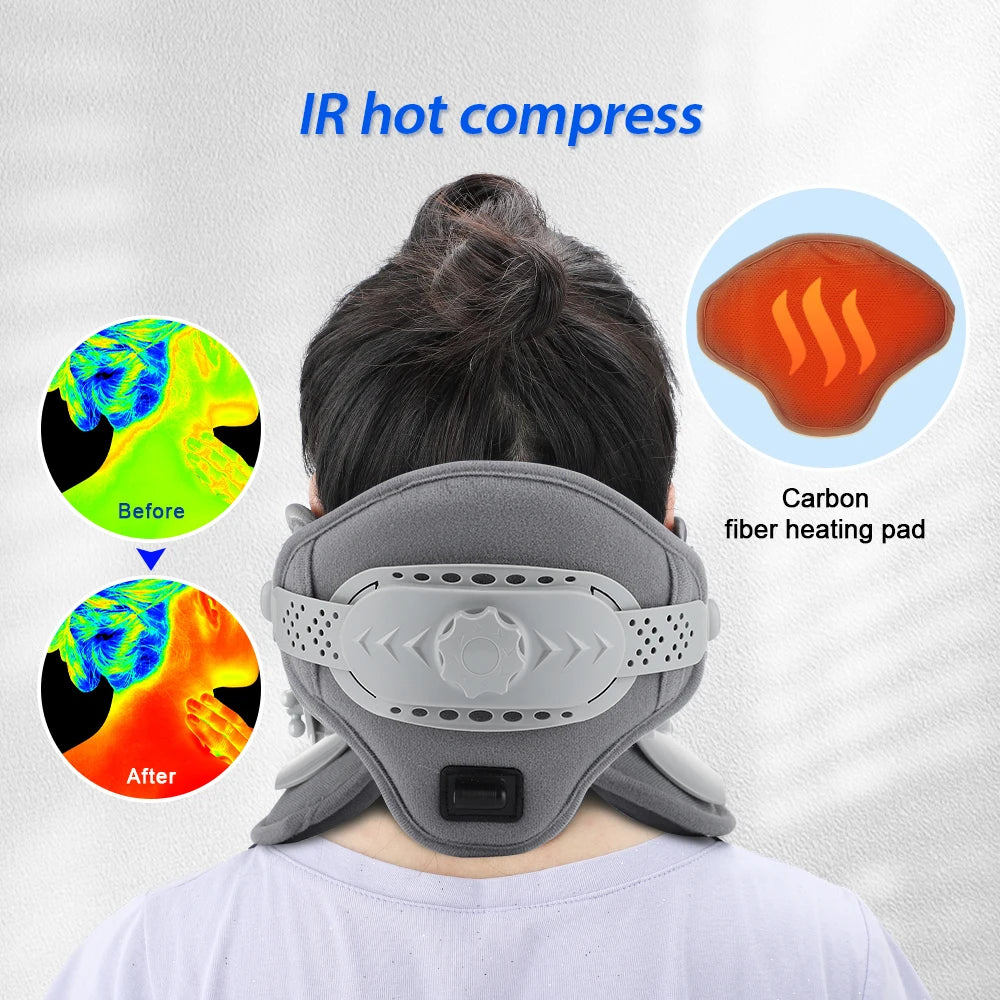
Support healthy neck stretching techniques with proper posture and consistent movement — See it in action
Tips to Prevent Neck Stiffness From Returning
Stretching provides the greatest long-term benefit when paired with healthy daily habits. Small changes throughout your day can reduce muscle strain and help maintain the flexibility you've gained.
- Adjust your workstation: Position your monitor at eye level and keep your keyboard and mouse within comfortable reach.
- Take movement breaks: Stand up, walk, or perform gentle shoulder and neck movements every 30–60 minutes.
- Improve sleep posture: Choose a pillow that keeps your neck in a neutral position rather than forcing excessive bending.
- Strengthen supporting muscles: Include exercises for your upper back, shoulders, and deep neck flexors to improve posture.
- Manage stress: Deep breathing and relaxation techniques can reduce tension that accumulates in the neck and shoulders.
- Stay consistent: A daily neck stretching routine is generally more effective than occasional long sessions.
Some people also find that supportive recovery methods complement their stretching routine. Explore recovery-focused solutions in the Body Care and Health Devices collection. For selected individuals, structured neck cervical traction may be incorporated as part of a broader self-care plan when appropriate.
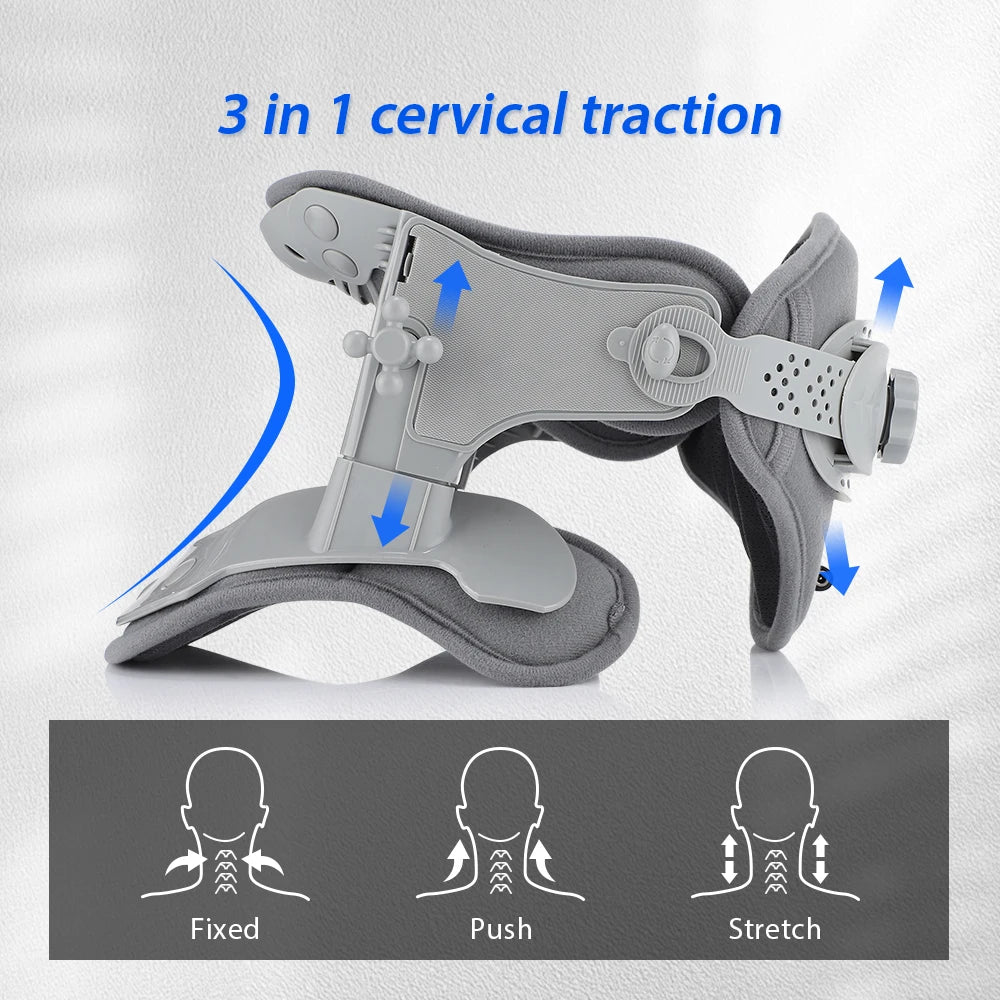
Making neck stretching exercises part of your daily routine can help reduce recurring stiffness — See it in action
Frequently Asked Questions
How often should I do neck stretching exercises?
Most people benefit from performing gentle neck stretching exercises once a day. If you spend long hours sitting or working at a computer, adding brief stretching breaks throughout the day may help reduce stiffness before it builds up.
What is the best daily neck stretching routine?
A balanced daily neck stretching routine typically includes chin tucks, side neck stretches, upper trapezius stretches, gentle neck rotations, shoulder rolls, and slow breathing. Completing the sequence in about 10 minutes is sufficient for many people.
How long should I hold each neck stretch?
Hold most static neck stretches for 15–30 seconds while breathing normally. Repeat each stretch two or three times on both sides instead of trying to force a deeper stretch.
Can neck stretching relieve tech neck?
Yes. Stretching can help reduce muscle tightness associated with tech neck when combined with improved posture, regular movement breaks, and an ergonomic workstation. It works best as part of an ongoing routine rather than a one-time solution.
How do I stretch a stiff neck safely?
Use slow, controlled movements, maintain good posture, breathe steadily, and stop before you feel pain. Avoid bouncing, twisting quickly, or forcing your neck beyond its comfortable range of motion.
When should I see a healthcare professional for neck pain?
Seek medical evaluation if your neck pain follows an injury, is severe or persistent, radiates into your arms, or is accompanied by numbness, tingling, weakness, balance problems, or other neurological symptoms.
Get yours now — limited stock!
Related Guide: How to Relieve Neck Pain Step by Step at Home













