Does Nickel Alloy Heating Wire Really Perform Better for Heated Seats?
Nickel alloy heating wire delivers faster warm-up, more consistent heat distribution, and better long-term reliability than many traditional heating materials. In automotive heated seats, nickel-chromium (NiCr) wire helps reduce cold spots, improves response time, and withstands repeated heating cycles that occur during daily driving.
Nickel Alloy Heating Wire: Technical Guide, Performance Data & Buying Insights
Nickel alloy heating wire is one of the key materials behind modern heated seat systems, providing stable heat output, fast response, and dependable performance. While the heating element may remain hidden inside a seat cushion, the wire material directly affects how quickly warmth is felt and how consistently the system performs over time.
⏱ 8 min read
If you have experienced a heated seat that warms slowly, creates uneven hot spots, or loses performance after repeated use, the heating wire material is often a major factor. Modern automotive heating systems commonly use nickel alloy heating wire (NiCr) because it offers a strong balance of electrical resistance, flexibility, durability, and thermal stability.
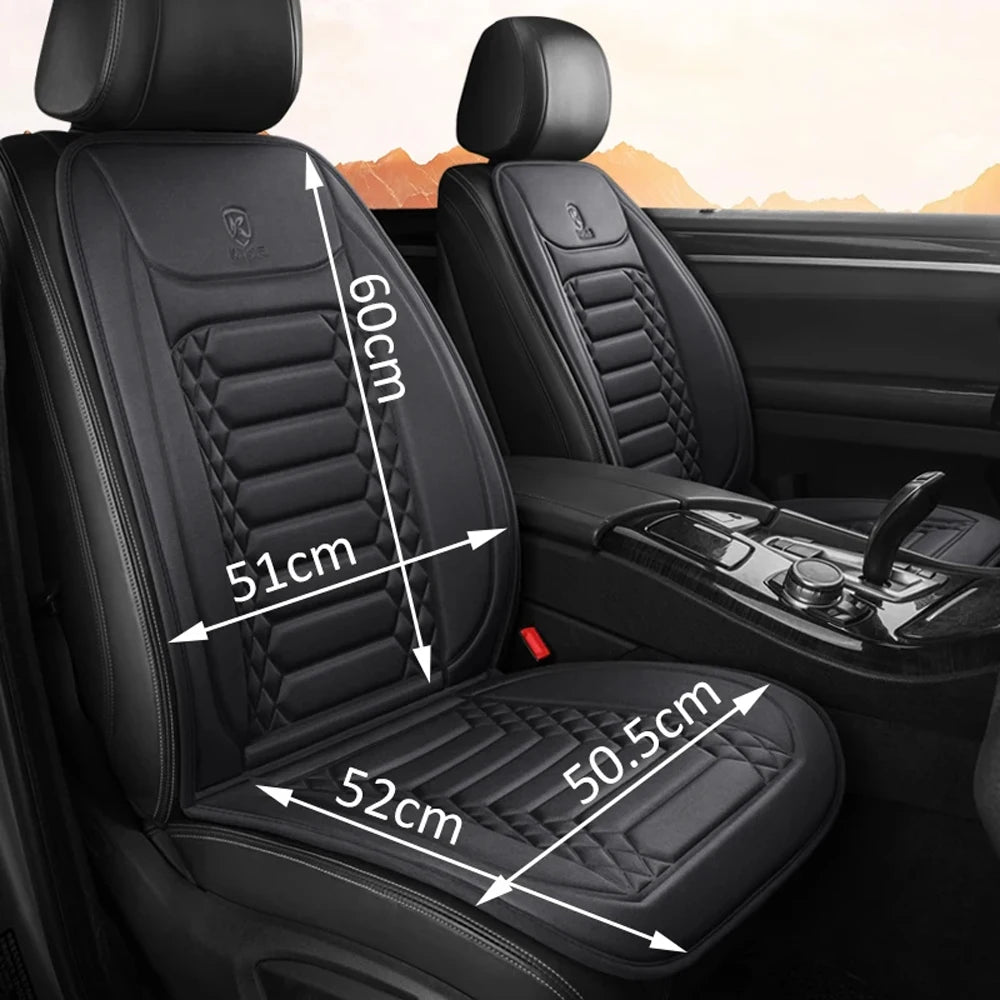
Nickel alloy heating wire inside modern heated seat elements — See it in action
What Is Nickel Alloy Heating Wire and Why Is It Used in Heated Seats?
Nickel alloy heating wire is a resistive heating material designed to convert electrical energy into heat. The most common type used in heating applications is nickel-chromium alloy, also called nichrome (NiCr).
Unlike copper wiring, which is designed to transfer electricity efficiently with minimal heat generation, nickel alloy heating wire intentionally creates heat by using controlled electrical resistance.
What Is NiCr (Nichrome) Heating Wire?
NiCr heating wire is an alloy primarily made from nickel and chromium. When electrical current passes through the wire, resistance causes energy loss in the form of heat through a process known as Joule heating.
This makes nickel alloy heating wire suitable for applications where controlled heat generation is required, including:
- Automotive heated seats
- Electric heating elements
- Industrial heating coils
- Household heating appliances
Common Nickel-Chromium Alloy Grades
Different NiCr compositions provide different balances of resistance, flexibility, and temperature performance.
- Ni80Cr20: Approximately 80% nickel and 20% chromium, commonly used for heating elements due to excellent oxidation resistance and stability.
- Ni60Cr15: Lower nickel content with strong resistance characteristics for various heating applications.
For heated seats, the ideal heating wire material needs flexibility and durability rather than extreme-temperature capability, making NiCr a practical choice.
How Electrical Resistance Produces Heat (Joule Heating)
The heat generated by a heating wire follows the principle of Joule heating:
Heat Power (Watts) = Current² × Resistance
Because nickel alloy heating wire has higher resistance than conductive metals like copper, it can produce useful heat within a compact wire length while operating efficiently at automotive voltages.
Material Composition and Electrical Properties
The performance of nickel alloy heating wire depends on its alloy composition and electrical characteristics. These properties determine heating speed, stability, and lifespan.
Typical NiCr Alloy Composition
Nickel provides corrosion resistance and mechanical strength, while chromium improves oxidation resistance by forming a protective oxide layer when heated.
This combination allows NiCr wire to maintain reliable performance through repeated heating and cooling cycles.
Electrical Resistivity and Temperature Coefficient
Nickel alloy heating wire has significantly higher electrical resistivity than copper. This allows manufacturers to design compact heating elements that generate controlled warmth without requiring excessive wire length.
A stable temperature coefficient also helps maintain predictable resistance as the wire temperature changes, improving safety and consistency.
- High electrical resistance for efficient heat generation
- Stable electrical performance across temperature changes
- Reliable output under repeated heating cycles
- Suitable flexibility for automotive applications
Oxidation Resistance and Thermal Stability
Chromium in NiCr alloys creates a protective chromium oxide layer that slows oxidation. This helps preserve the wire structure and prevents rapid degradation during long-term use.
Why Nickel Alloy Heating Wire Heats Faster
Nickel alloy heating wire heats quickly because its electrical resistance allows more energy to be converted directly into heat.
Why Higher Resistance Generates Heat
Materials with low resistance, such as copper, allow electricity to flow easily and produce very little heat. Nickel alloy heating wire is engineered differently: its higher resistance creates controlled heat production when current passes through it.
Heat Distribution and Thermal Efficiency
A quality heated seat requires more than fast heating. The heating element must spread warmth evenly across the cushion surface.
NiCr wire helps achieve consistent heat distribution by maintaining stable resistance throughout the heating element, reducing uncomfortable cold areas and temperature fluctuations.
Response Time in Heated Seats
In automotive applications, nickel alloy heating wire can reach useful operating temperatures within seconds. This allows drivers and passengers to feel warmth quickly during cold weather conditions.
Direct answer: Nickel alloy heating wire heats faster because its controlled resistance converts electrical energy into heat efficiently while maintaining even temperature distribution.
- Fast warm-up response
- Consistent heat output
- Reduced cold spots
- Efficient use of electrical power
Nickel Alloy Heating Wire Durability and Service Life
Durability is one of the biggest advantages of nickel alloy heating wire. Heated seats experience constant vibration, compression, and repeated temperature changes, making material strength essential.
Oxidation and Corrosion Resistance
Nickel alloy heating wire resists oxidation better than many basic metal wires because chromium creates a protective surface layer during heating.
This resistance helps maintain performance in environments exposed to moisture, temperature changes, and long-term use.
Thermal Cycling and Fatigue Resistance
Every heated seat experiences repeated expansion and contraction as the wire heats and cools. NiCr alloys are designed to tolerate these cycles without quickly becoming brittle or losing electrical performance.
Factors That Affect Lifespan
The service life of nickel alloy heating wire depends on several factors:
- Operating temperature
- Wire quality and alloy composition
- Insulation quality
- Mechanical stress from bending or vibration
- Electrical load management
Direct answer: Nickel alloy heating wire lasts longer because it combines oxidation resistance, thermal stability, and mechanical durability for repeated heating applications.
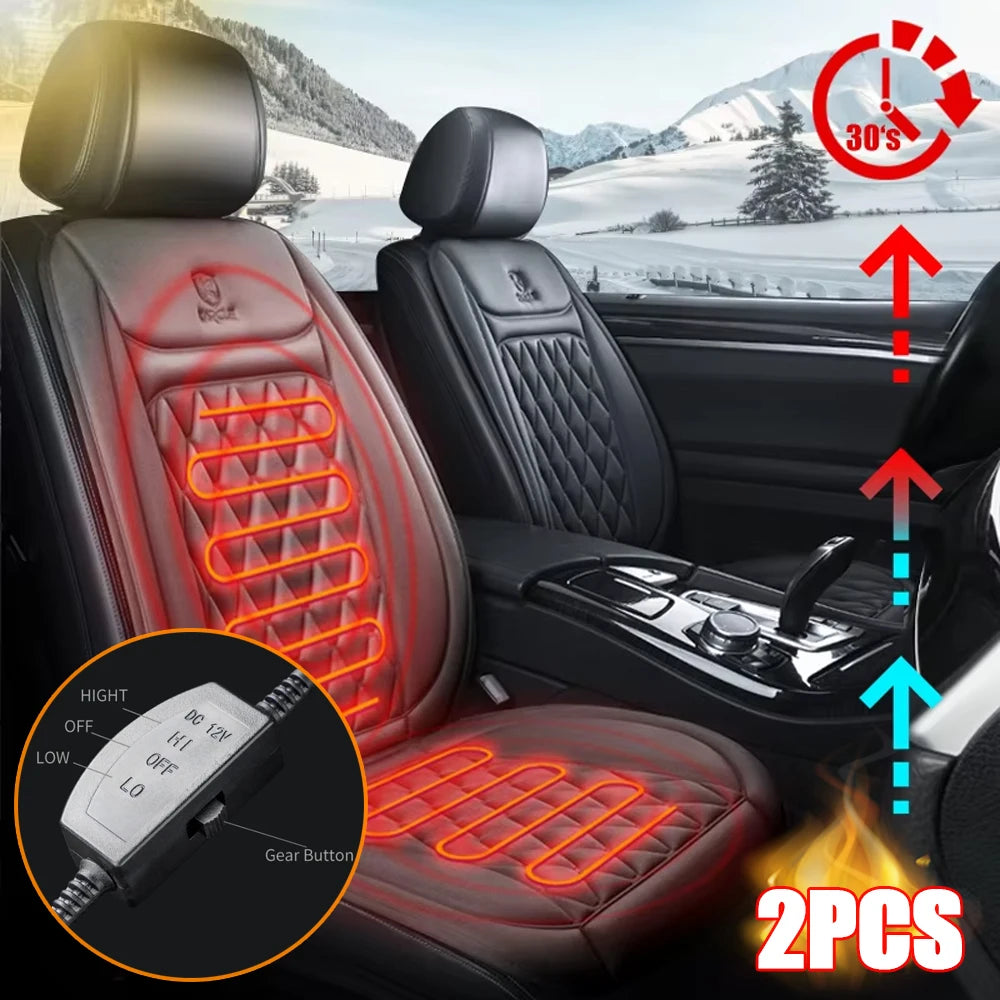
Even heat distribution powered by nickel alloy heating wire — Feel the difference
Nickel Alloy Heating Wire vs Copper, Kanthal, and Other Heating Materials
Nickel Alloy Heating Wire vs Copper
Copper is an excellent electrical conductor, but that same property makes it inefficient for heating applications. Its low resistance means more wire length or higher current is needed to create heat.
Nickel alloy heating wire is specifically designed for controlled resistance heating, making it better suited for heated seat systems.
Nichrome vs Kanthal (FeCrAl)
FeCrAl (Kanthal) can withstand higher temperatures than NiCr, making it popular in industrial heating environments. However, it is generally less flexible and more brittle.
For dynamic applications such as car seats, NiCr offers a better balance between flexibility, durability, and performance.
Comparison Table: Resistivity, Operating Temperature, Cost, Lifespan
| Material | Resistivity | Operating Temperature | Cost | Lifespan |
|---|---|---|---|---|
| NiCr | High | ~1100°C | Medium | Excellent |
| FeCrAl (Kanthal) | Medium-High | ~1400°C | Lower | Very Good |
| Copper | Very Low | Low for heating use | Low | Poor for heating applications |
Technical Specifications and Selection Guide
Electrical Resistance and Power Ratings
Heating wire selection depends on resistance, voltage, and required heat output. Automotive heated seats commonly operate around 12V systems, requiring careful resistance matching to avoid excessive current draw.
Maximum Continuous Operating Temperature
Depending on composition, nickel alloy heating wire can operate continuously at approximately 1000–1100°C in suitable conditions. Heated seat systems operate far below these temperatures because they are designed for human comfort rather than industrial heating.
Wire Gauge (AWG) Selection
Wire thickness affects heating performance:
- Thinner wire generally heats faster but may handle less mechanical stress.
- Thicker wire provides greater durability but may require different power characteristics.
Resistance Calculation Example
Resistance can be calculated using:
Resistance (Ω) = Voltage² ÷ Power
For example, a 12V heated seat system producing 36W of heat would require approximately:
12² ÷ 36 = 4Ω resistance
This calculation helps engineers match heating wire specifications to the desired output.
Applications of Nickel Alloy Heating Wire
Heated Seats
Nickel alloy heating wire is widely used in car seat heaters because it provides fast response, flexibility, and long-term reliability under vibration and pressure.
Industrial Heating Elements
NiCr wire is used in furnaces, kilns, and industrial heating systems where stable high-temperature performance is required.
Household Heating Appliances
Common applications include:
- Hair dryers
- Electric heaters
- Toasters
- Heating coils
Laboratory and Specialized Equipment
Nickel alloy heating wire is also used in controlled heating equipment where precise temperature management is important.
How to Choose the Right Heating Wire for Car Seat Heaters
Voltage and Resistance Matching
The heating wire must match the vehicle voltage system and required power output. Incorrect resistance can lead to weak heating performance or electrical overload.
Safety Standards and Certifications
Look for heating systems with appropriate insulation, thermal protection, and safety testing to reduce risks related to overheating or electrical faults.
OEM vs Aftermarket Heating Wire
OEM-grade materials typically provide more consistent manufacturing quality and durability. Aftermarket systems can vary significantly depending on wire quality, insulation, and controller design.
You may also enjoy exploring wellness and comfort tools in the Lifestyle collection, which focuses on daily comfort enhancements.
Engineering Data Reference Table
Typical Resistivity Values
| Material | Approximate Resistivity |
|---|---|
| NiCr | 1.0–1.5 µΩ·m |
| Copper | 0.017 µΩ·m |
| FeCrAl | Approximately 1.3–1.5 µΩ·m |
Maximum Operating Temperatures
- NiCr: approximately 1000–1100°C
- FeCrAl: approximately 1300–1400°C
- Copper: not suitable for high-temperature heating elements
Common Wire Sizes and Applications
| Wire Size | Common Use |
|---|---|
| Thin gauge | Compact heating elements and flexible applications |
| Medium gauge | Automotive heating systems |
| Thick gauge | Higher-power industrial heating |
Frequently Asked Questions
What is nickel alloy heating wire made of?
Nickel alloy heating wire is usually made from nickel and chromium, forming a NiCr alloy known as nichrome.
Why does nickel alloy heating wire heat faster than copper?
Nickel alloy heating wire has much higher electrical resistance than copper, allowing more electrical energy to convert into heat.
Is nichrome the best material for heated seat elements?
For many heated seat applications, NiCr provides an excellent balance of flexibility, durability, resistance stability, and heating performance.
How long does nickel alloy heating wire typically last?
When properly designed and insulated, nickel alloy heating wire can provide long service life through thousands of heating cycles.
What operating temperature can NiCr heating wire withstand?
Depending on alloy grade and conditions, NiCr heating wire can withstand continuous temperatures around 1000–1100°C.
How do you calculate heating wire resistance?
Resistance can be calculated using voltage and power: Resistance = Voltage² ÷ Power.
What wire gauge is best for heated seat applications?
The best gauge depends on required power output, available space, voltage, and durability requirements.
Can nickel alloy heating wire corrode over time?
NiCr wire has strong corrosion and oxidation resistance, but extreme environments and poor insulation can still affect lifespan.
Conclusion: Is Nickel Alloy Heating Wire Worth It?
Nickel alloy heating wire remains one of the most reliable materials for heated seats because it combines fast heating, stable performance, and long-term durability.
Compared with alternatives like copper and FeCrAl, NiCr provides the practical balance needed for automotive comfort systems where flexibility, reliability, and consistent warmth matter most.
Understanding the material properties, electrical specifications, and application requirements helps buyers choose heating systems based on real engineering performance rather than surface-level claims.
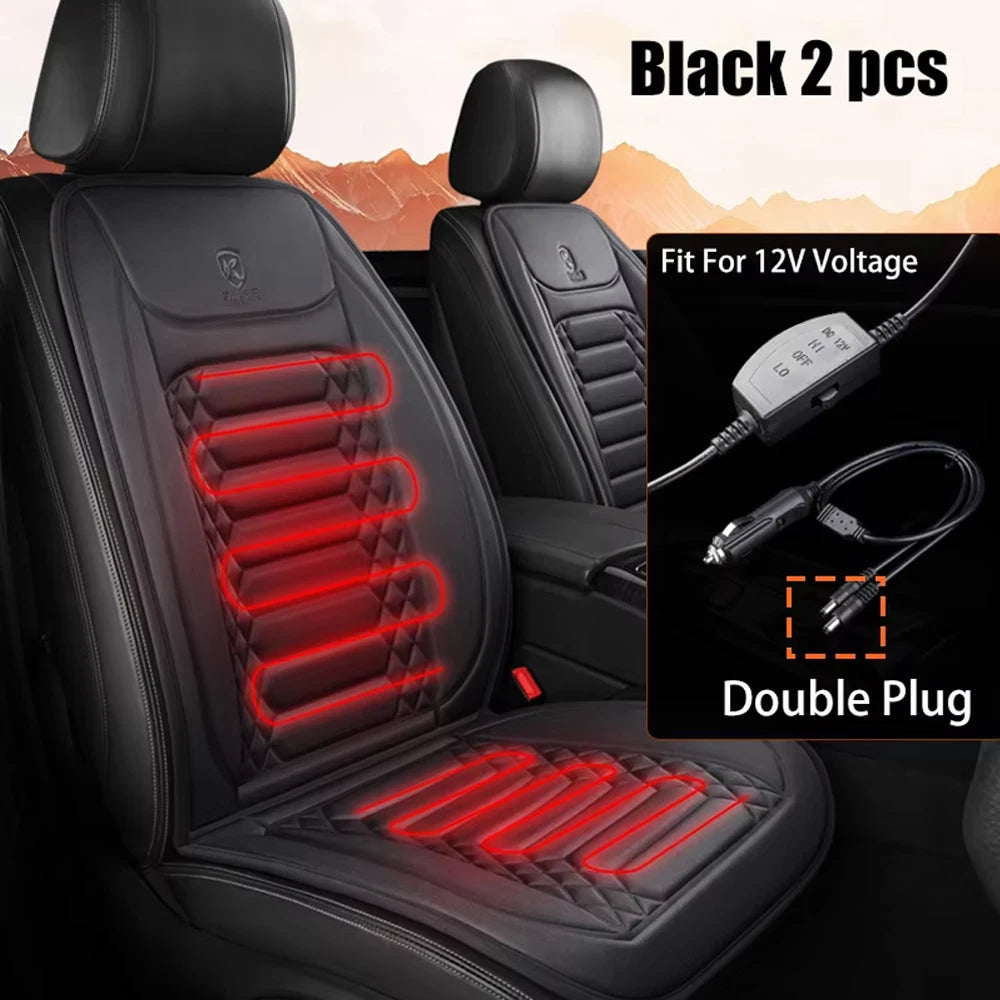
Premium comfort powered by nickel alloy heating wire — Experience lasting warmth