

Non Electric Foot Massage Mat: Full Review, Results & Buying Guide
Explore the best non electric foot massage mats of 2026, how they work, who benefits most, and detailed comparisons to help you choose the right solution for daily foot comfort at home. This guide reviews key features, expected results, and buying considerations so you can find the best fit for your needs.
Does a Non Electric Foot Massage Mat Really Work?
A non electric foot massage mat uses raised pressure points to stimulate the soles of your feet through body weight rather than motors or electricity. Many users experience temporary relief from tired, achy feet, reduced muscle tension, and greater relaxation after short daily sessions. While results vary depending on the cause of foot discomfort, a quality foot reflexology mat can be an effective addition to an at-home recovery routine.
If you spend long hours standing, walking, or sitting, foot fatigue can gradually affect your comfort and mobility. Unlike powered foot massagers, manual mats require no charging, produce no noise, and can be used almost anywhere. In this non electric foot massage mat review, you'll learn how these mats work, who benefits most, what features matter, and how they compare with other foot massage options.
⏱ 5 min read
Explore how this non electric foot massage mat works
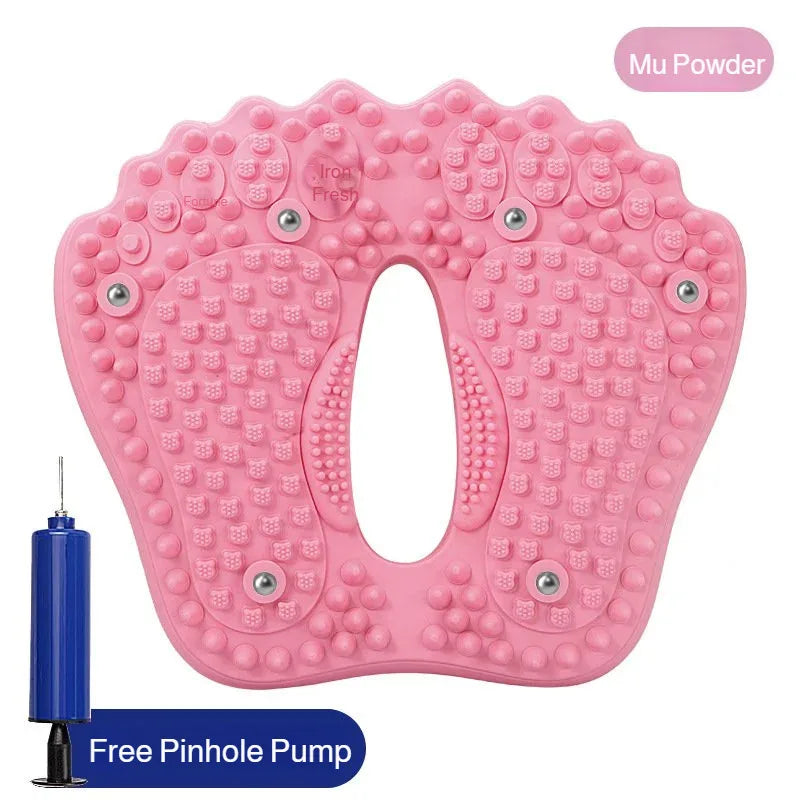
A closer look at the non electric foot massage mat with textured pressure points designed for comfortable daily reflexology at home.
What Is a Non Electric Foot Massage Mat?
A non electric foot massage mat, also called a manual foot massage mat or foot reflexology mat, is designed to apply pressure to the soles of your feet using textured surfaces instead of powered massage mechanisms. Users simply stand or sit on the mat and allow their body weight to create adjustable pressure, making it a convenient option for everyday relaxation and recovery.
Unlike electric foot massagers that rely on rollers, vibration, or heat, manual mats provide complete control over massage intensity. You can increase or reduce pressure naturally by changing your posture, making them suitable for beginners as well as experienced reflexology users.
Common Materials and Designs
Non electric foot massage mats are available in several materials, each creating a different massage experience.
- Wood: Provides firm acupressure and excellent durability, making it popular among users seeking deeper stimulation.
- Plastic: Lightweight, portable, easy to clean, and well suited for travel or office use.
- Pebble-style designs: Mimic natural stone walking paths, offering a gentler reflexology experience for everyday relaxation.
- Inflatable or cushioned designs: Offer softer support while still stimulating pressure points, making them more approachable for sensitive feet.
Choosing the right material depends on your comfort level, portability needs, and whether your goal is relaxation, post-work recovery, or targeted pressure around the arches and heels.
How Manual Foot Massage Mats Differ From Electric Models
The biggest difference is how pressure is generated. A manual foot massage mat relies entirely on your body weight, allowing you to control intensity without motors or preset programs. Electric models automate the massage with rotating nodes, vibration, air compression, or heat, but they are generally heavier, more expensive, and require a power source.
For many households, a non electric foot massage mat offers an affordable, low-maintenance solution that is easy to store, quiet enough for shared spaces, and simple to incorporate into a daily wellness routine.
How This Foot Reflexology Device Delivers Relief
A non electric foot massage mat works by applying controlled pressure to the soles of your feet, stimulating muscles, connective tissue, and sensitive nerve endings. While reflexology is widely used for relaxation, scientific evidence primarily supports its ability to reduce stress, ease temporary muscle soreness, and encourage a greater sense of well-being rather than treat specific medical conditions. For many users, regular sessions become a simple way to unwind after long hours of standing or walking.
Pressure Mapping That Adapts to You
Because a manual foot massage mat has no motor, you control the massage intensity entirely through body position. Beginners often start seated with light pressure before progressing to standing sessions as their feet become accustomed to the textured surface.
- Light pressure for sensitive feet or first-time users
- Moderate pressure for everyday recovery after work
- Deeper pressure by shifting more body weight onto targeted areas
- Easy adjustment without changing settings or power levels
Foot Reflexology Points Explained
Foot reflexology is based on the idea that different areas of the feet correspond to various parts of the body. Although these relationships are not fully supported by clinical evidence, applying pressure to the feet can stimulate local circulation, relax tight muscles, and improve overall comfort. Consistent use may also increase foot mobility and encourage users to pay greater attention to balance, posture, and foot health.
Learn how this foot reflexology device fits daily routines
Real Results After Daily Use
Most users begin noticing improvements in relaxation and foot comfort after several short sessions. While individual experiences vary depending on activity level, footwear, and existing foot conditions, consistent daily use typically produces better results than occasional long sessions.
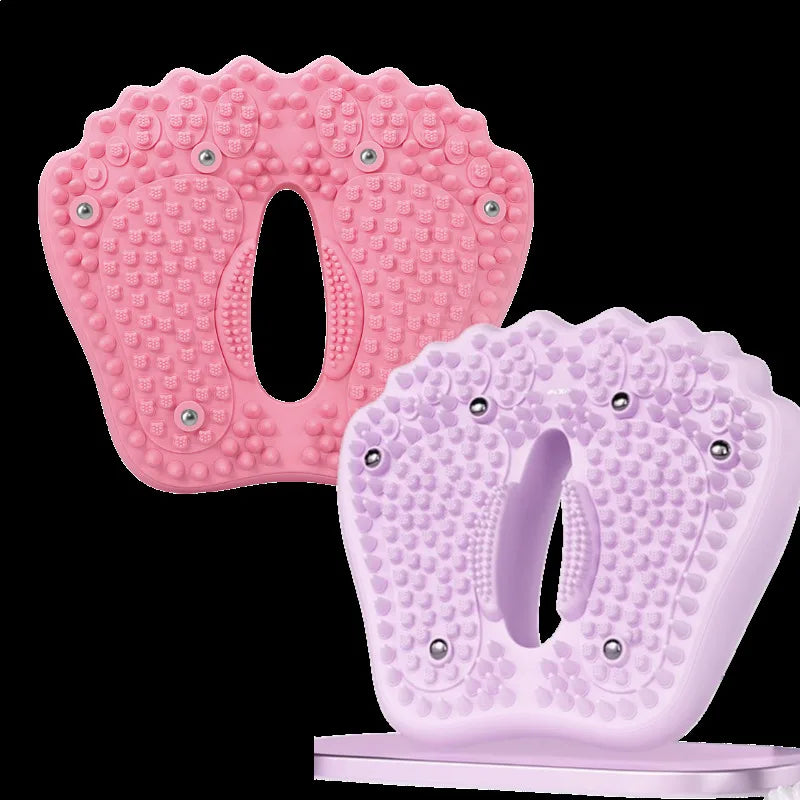
Daily use fits easily into home routines, making consistent foot care simple and convenient.
Comfort Over Time
Many users initially find the textured surface firm, especially if they have sensitive feet. As tolerance builds over several days, the massage often becomes more comfortable while maintaining effective pressure. Five to ten minutes once or twice daily is sufficient for most people.
Durability and Maintenance
One advantage of a non electric foot massage mat is its minimal maintenance. With no electronics, batteries, or moving parts, quality mats typically provide years of regular use. Routine cleaning with mild soap and water helps keep the surface hygienic and preserves its textured finish.
- Reduced foot fatigue after standing or walking for extended periods
- Improved relaxation before bedtime
- Temporary relief from tight arches and sore soles
- Greater awareness of posture and balance during daily activities
- Easy integration into home or office wellness routines
Foot care professionals generally agree that manual massage can complement stretching, supportive footwear, and regular exercise. While a foot massage mat is not a substitute for medical treatment, it can be a practical tool for maintaining everyday comfort and encouraging consistent self-care.
Non Electric vs Electric Foot Massagers
Both manual and electric foot massagers aim to reduce foot discomfort, but they achieve this in different ways. A non electric foot massage mat relies on body weight and acupressure, while electric models use powered rollers, vibration, air compression, or heat to automate the massage experience.
| Feature | Non Electric Foot Massage Mat | Electric Foot Massager |
|---|---|---|
| Power Source | None required | Electricity or rechargeable battery |
| Massage Intensity | Controlled by body weight | Preset or adjustable settings |
| Portability | Excellent | Usually heavier and bulkier |
| Maintenance | Minimal | Requires power and occasional servicing |
| Noise Level | Silent | Low to moderate depending on motor |
| Typical Cost | Lower | Higher |
Who Should Choose Each Type
A manual foot massage mat is an excellent choice for people seeking a lightweight, affordable, and travel-friendly solution that requires no setup. It works well for daily recovery, office use, and anyone who prefers complete control over massage pressure.
An electric foot massager may be better suited for users who prefer automated massage programs, heat therapy, or those who find it difficult to stand comfortably during a massage. Although they typically cost more, electric models provide additional features that some users find worthwhile for long-term relaxation.
Who Benefits Most From This Mat?
A non electric foot massage mat is ideal for people looking for an affordable, low-maintenance way to relieve everyday foot fatigue. Because the massage intensity is controlled by body weight, it works well for a wide range of users with different comfort preferences.
- Professionals who stand for long hours: Retail workers, healthcare staff, teachers, and hospitality employees can use the mat after work to reduce temporary soreness and muscle tension.
- Active adults and fitness enthusiasts: The textured surface complements post-workout recovery by helping tired feet relax after walking, running, or exercise.
- Home and office users: A manual foot massage mat is compact, silent, and requires no electricity, making it suitable for daily use while reading, working, or watching television.
- Frequent travelers: Lightweight plastic and foldable mats are easy to pack for business trips or vacations.
People with severe foot injuries, open wounds, recent surgery, significant neuropathy, or medical conditions affecting foot sensation should consult a healthcare professional before using any reflexology or acupressure device.
How to Use a Non Electric Foot Massage Mat Effectively at Home
Proper technique improves comfort and helps you gradually adapt to the textured surface. Most users achieve the best results through consistent daily sessions rather than occasional intensive use.
- Place the mat on a stable, non-slip surface.
- Stand or sit barefoot with both feet making even contact.
- Begin with 3 to 5 minutes and gradually increase to 10–15 minutes as your comfort improves.
- Shift your weight slowly to target different areas of the heel, arch, and forefoot.
- Combine use with gentle calf and foot stretches, especially after prolonged standing or exercise.
- Wipe the mat clean after use and allow it to dry before storage.
Tips for Better Results
- Wear thin socks during the first few sessions if the pressure feels intense.
- Use the mat at the end of the day when foot muscles are most fatigued.
- Stay hydrated after longer massage sessions.
- Stop if you experience persistent pain rather than temporary pressure discomfort.
Regular use, combined with supportive footwear and stretching, can help maintain healthier, more comfortable feet over time.
Try this non electric foot massage mat at home
Top Non Electric Foot Massage Mats: Comparison & Reviews
Best for Plantar Fasciitis
Firm wooden acupressure mats deliver deeper pressure to the heel and arch, making them a popular choice for users seeking stronger stimulation. While they cannot treat plantar fasciitis, many people find them helpful for temporary relief after long periods of standing.
Best for Relaxation
Pebble-style mats feature rounded massage nodes that distribute pressure more evenly across the foot. They are well suited for users who prioritize comfort and stress relief over intense acupressure.
Best for Travel & Portability
Lightweight plastic or foldable mats are easy to carry between home, the office, and travel destinations. Their compact size makes them convenient for maintaining a consistent recovery routine wherever you are.
Pros & Cons Table
| Mat Type | Best For | Advantages | Limitations |
|---|---|---|---|
| Wood | Deep acupressure | Highly durable, firm pressure, excellent arch stimulation | Can feel intense for beginners and is generally less portable |
| Pebble | Daily relaxation | Comfortable, natural feel, evenly distributed pressure | Less focused pressure for targeted soreness |
| Plastic | Travel and office use | Lightweight, affordable, easy to clean and store | Usually provides milder pressure than wood designs |
Buying Guide: How to Choose the Best Foot Massage Mat
The best foot massage mat depends on your comfort preferences, intended use, and budget. While all manual foot massage mats rely on acupressure rather than electricity, the material, pressure intensity, and overall design can significantly affect your experience.
Material
Choose a material that matches your preferred massage intensity and lifestyle.
- Wood: Best for users seeking firm acupressure and long-lasting durability.
- Pebble-style: Offers balanced pressure with a more natural walking sensation.
- Plastic: Lightweight, affordable, and easy to carry between home and work.
- Cushioned or inflatable: Better suited for beginners or those with sensitive feet.
Pressure Level
Not every foot massage mat provides the same intensity. If you're new to reflexology, choose a mat with rounded massage nodes or softer materials. Experienced users often prefer firmer surfaces that deliver deeper stimulation to the arches and heels.
Portability
If you plan to use your mat while traveling or at the office, look for compact or foldable designs that fit easily into a backpack or suitcase. Larger wooden mats are generally better suited for permanent home use.
Cleaning
Regular cleaning extends the life of your foot massage mat and keeps it hygienic. Most plastic and inflatable mats can be wiped clean with a damp cloth and mild soap, while wooden mats should be cleaned carefully without prolonged exposure to moisture.
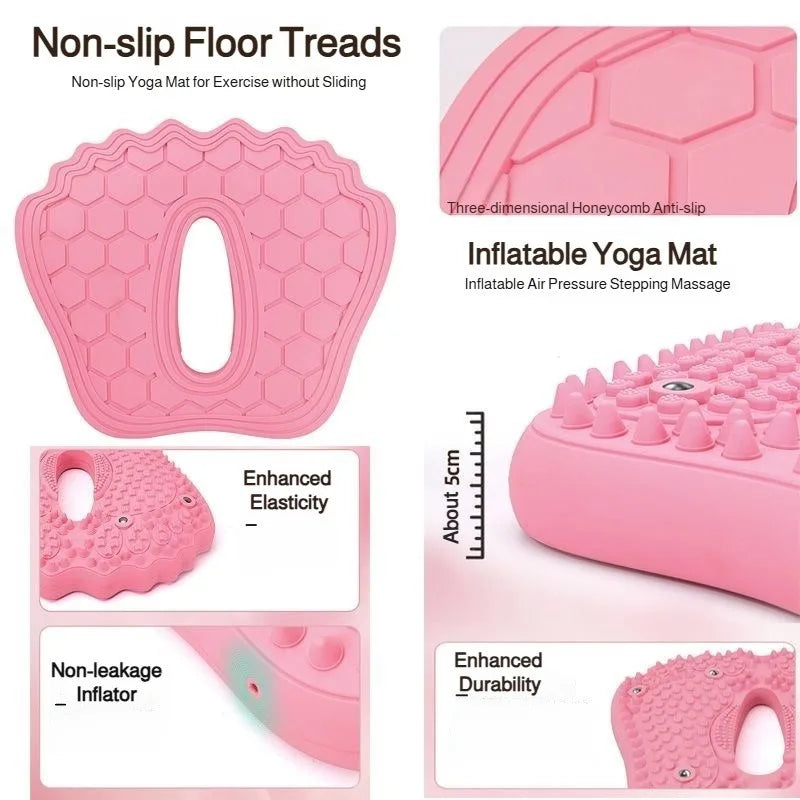
A simple, portable solution for daily foot relaxation and comfortable at-home recovery.
Frequently Asked Questions
What is the best foot massage mat for plantar fasciitis?
Many people with plantar heel discomfort prefer firm wooden or high-density acupressure mats because they provide deeper pressure to the arch and heel. While these mats may temporarily relieve soreness, they are not a replacement for professional treatment when symptoms are persistent or severe.
Are non electric foot massage mats effective?
Yes. A non electric foot massage mat can temporarily reduce foot fatigue, encourage relaxation, and relieve muscle tension for many users. Results vary depending on the underlying cause of foot discomfort and how consistently the mat is used.
How long should you stand on a foot reflexology mat?
Beginners should start with 3 to 5 minutes and gradually increase to 10 to 15 minutes as comfort improves. Short, consistent sessions are generally more effective than occasional extended use.
Can you use a foot massage mat every day?
Most healthy adults can safely use a manual foot massage mat daily, provided the pressure remains comfortable. If soreness persists after each session, reduce the duration or intensity.
Are foot massage mats safe for people with diabetes?
People with diabetes, peripheral neuropathy, poor circulation, or reduced foot sensation should consult a healthcare professional before using a reflexology mat, as they may not feel excessive pressure or skin irritation.
What's the difference between a manual foot massage mat and an electric foot massager?
A manual foot massage mat relies on body weight to create adjustable acupressure, while an electric foot massager uses powered rollers, vibration, air compression, or heat to automate the massage. Manual mats are quieter, more portable, and require virtually no maintenance.
How painful should a reflexology mat feel?
You may notice firm pressure or mild discomfort during your first few sessions, particularly if your feet are sensitive. The sensation should gradually become more comfortable with regular use and should never cause sharp or lingering pain.
How do you clean a foot massage mat?
Clean the mat regularly using a soft cloth, warm water, and mild soap. Allow it to dry completely before storing it in a cool, dry location. Always follow the manufacturer's care instructions if they differ by material.
Upgrade your daily foot care today













