

Does a non electric vein finder really work?
A non electric vein finder can help improve vein visibility by using manual techniques such as pressure guidance, skin stabilization, and light contrast rather than batteries or powered imaging. These tools may make vein location easier in situations where veins are visible but difficult to identify, especially for routine care, training, and backup use.
However, a non electric vein finder is not a replacement for advanced electronic vein visualization devices in every situation. Its effectiveness depends on vein depth, skin condition, user experience, and the technique being used. For many everyday applications, the simplicity and portability of manual vein finder tools make them a practical option.
⏱ 6 min read
Non Electric Vein Finder vs Lighted Tools: Which Vein Visualization Method Works Best?
Finding veins can be challenging, especially when veins are small, less visible, or affected by factors such as hydration and circulation. The right vein visualization device can make the process more efficient by improving confidence and reducing guesswork. But does a non electric vein finder offer enough benefits compared with modern lighted tools?
This guide compares manual and electronic vein finding methods, explains how each technology works, and helps you choose the right option based on your needs, environment, and experience level.

A closer look at a non electric vein finder in everyday care
What Is a Non Electric Vein Finder?
A non electric vein finder is a manual vein visualization tool designed to help identify veins without batteries, charging, infrared imaging, or powered light sources. Instead of relying on electronic systems, these vein finder tools use physical methods such as compression, stabilization, and optical contrast to improve visibility.
How It Differs From Powered Vein Visualization Devices
Unlike electronic vein visualization devices, a non electric vein finder does not project infrared images or require internal power components. Powered devices typically use LED or infrared technology to highlight veins beneath the skin, while manual tools depend more on external lighting, touch feedback, and proper positioning.
This difference makes manual options attractive for users who value portability, simplicity, and reliability without worrying about batteries or charging.
Common Manual Vein Finder Tools
Manual vein finder tools come in several forms depending on their design and purpose. Common categories include:
- Manual compression devices that stabilize veins and improve visibility
- Transillumination tools that guide existing light through tissue
- Vein mapping aids that improve alignment and positioning
- Portable vein visualization accessories for backup use
Who Should Use a Non Electric Vein Finder?
A non electric vein finder may be useful for:
- Caregivers who need a simple and portable tool
- Students learning vein location techniques
- Home care users who prefer low-maintenance devices
- Professionals who want a reliable backup option
Quick Comparison Table: Best Non Electric Vein Finder Tools
| Tool Type | Portability | Best For | Key Benefit |
|---|---|---|---|
| Manual compression vein finder | Very high | Routine vein access | Improves vein stabilization |
| Transillumination tool | High | Visible surface veins | Enhances contrast using light |
| Electronic lighted vein finder | Moderate | Clinical environments | Advanced visualization features |
| Portable vein finder pen | High | Home and travel kits | Convenient everyday use |
How Non Electric Vein Finders Work
Transillumination Explained
Transillumination is a technique that improves vein visibility by allowing light to pass through soft tissue. Veins absorb and block more light than surrounding areas, creating a darker contrast that can help users identify vein pathways.
Non electric tools using this approach do not create their own light source. Instead, they help direct available light more effectively to improve visual contrast.
Mechanical Vein Visualization
Some manual vein finder tools rely on physical techniques rather than optical methods. Gentle pressure, skin stabilization, and compression can reduce movement and make veins easier to locate by touch and sight.
These techniques are especially useful when veins are present but difficult to identify because of movement, positioning, or reduced surface visibility.
Why Difficult Veins Become Easier to Locate
Difficult veins may be affected by several factors, including hydration, age-related skin changes, vein depth, and circulation. While a non electric vein finder cannot guarantee successful access, it can provide additional guidance by improving contrast and tactile feedback.
Combining proper preparation with suitable vein finder tools can increase confidence during vein location.
Manual vs Lighted Vein Finders: Which Is Better?
The best choice between manual and lighted vein finders depends on the situation. Manual tools prioritize simplicity and portability, while electronic devices focus on enhanced visualization technology.
Accuracy Comparison
Advanced lighted vein finders may provide greater visualization depth because they use infrared or specialized lighting systems. However, their performance depends on device quality, user training, and patient conditions.
Non electric vein finders rely more heavily on technique. They can work well for visible veins but may have limitations with very deep or complex cases.
Cost and Portability
Manual vein finder tools generally have fewer components, making them lightweight, affordable, and easy to carry. Lighted tools usually require batteries, charging, and additional maintenance.
Clinical vs Home Use
Clinical environments with frequent procedures may benefit from advanced electronic vein visualization devices. For home care, travel, or occasional use, a non electric option may provide enough functionality without unnecessary complexity.
Best Non Electric Vein Finder Tools by Use Case
Everyday Venipuncture
For routine situations, simple manual vein finder tools can help improve visibility and confidence. Their lightweight design makes them convenient for repeated use.
Pediatric and Geriatric Patients
Children and older adults may have smaller, fragile, or less visible veins. Gentle handling, proper lighting, and careful positioning are important when using any vein visualization method.
Travel and Emergency Kits
A non electric vein finder can be useful in portable care kits because it does not depend on charging or replacement batteries. This makes it a practical backup tool for situations where electronic devices are unavailable.
Advantages and Limitations of Non Electric Vein Finders
Key Benefits
- Requires no charging or batteries
- Lightweight and easy to transport
- Simple operation with minimal setup
- Lower maintenance compared with electronic devices
- Useful as a backup vein visualization option
Common Drawbacks
- Results depend on user technique
- May be less effective for very deep veins
- Does not provide real-time vein imaging
- Requires proper lighting and positioning
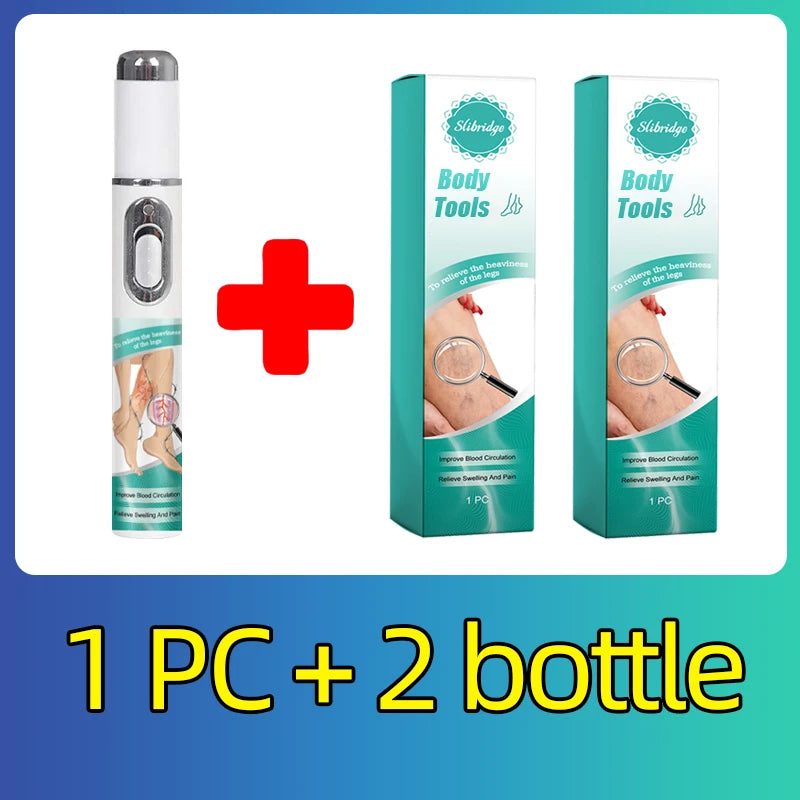
A manual vein tool designed for simple, portable use
How to Find Veins Easily Without a Device
Preparation Tips
Basic preparation can improve vein visibility. Staying hydrated, keeping the area warm, and allowing enough time for positioning can help make veins easier to identify.
Positioning and Lighting
Good lighting and correct positioning are essential when locating veins manually. Natural light or a focused external light source can improve contrast and make surface veins easier to see.
When Manual Methods Are Enough
For visible and accessible veins, proper technique may be enough without advanced equipment. However, difficult cases may require additional tools or professional assistance.
Vein Finder Safety, Hygiene, and Maintenance
Cleaning and Sterilization
Reusable vein finder tools should be cleaned according to manufacturer instructions. Smooth, non-porous materials are easier to disinfect and help reduce contamination risks.
Skin Safety
Use gentle pressure and avoid excessive force. Extra care should be taken with sensitive skin, children, and elderly patients.
Storage and Durability
Store manual vein finder tools in a clean, dry location. Because they contain fewer electronic components, quality manual devices can provide reliable long-term use when properly maintained.
Buying Guide: Choosing the Right Non Electric Vein Finder
Key Features to Compare
When selecting vein finder tools, consider:
- Ease of handling and grip design
- Portability and storage requirements
- Material durability
- Cleaning requirements
- Compatibility with your intended use
Patient Population
Consider who will use the device most often. A tool for routine adult care may differ from one needed for pediatric, geriatric, or difficult vein situations.
Budget and Value
A non electric vein finder can provide strong value because it typically requires less maintenance than powered alternatives. The best option balances durability, usability, and the situations where you need support.
Final Recommendation: Which Vein Visualization Method Fits Your Needs?
The right vein visualization method depends on your goals. A non electric vein finder is a practical choice for users who want simplicity, portability, and a dependable tool without charging requirements.
- Choose a non electric vein finder if: you need an affordable, lightweight, and easy-to-use option.
- Choose a lighted vein finder if: you need advanced visualization for frequent or complex procedures.
- Consider both options if: you want flexibility across different situations.
For many home users and caregivers, starting with a reliable manual option provides a simple way to improve confidence before considering more advanced vein visualization devices.
Explore complementary wellness solutions in the Body Care and Health Devices collection to build a complete home care setup.
Mini FAQ
What is a non electric vein finder?
A non electric vein finder is a manual tool that helps improve vein visibility without batteries, charging, or electronic imaging technology.
How does a non electric vein finder work?
It works through methods such as pressure guidance, skin stabilization, and optical contrast to make veins easier to identify.
Is a non electric vein finder as accurate as a lighted vein finder?
Lighted vein finders may provide more advanced visualization, especially for difficult cases. Manual tools can still be effective when used correctly for suitable situations.
What are the best vein finding tools for difficult veins?
The best tool depends on the situation. Advanced electronic devices may help with complex cases, while manual tools can support visible vein location and everyday use.
Can I locate veins without a device?
Yes. Proper lighting, hydration, warming the skin, and correct positioning can improve vein visibility without specialized equipment.
Are non electric vein finders safe for home use?
Yes, when used correctly and maintained properly. They do not produce heat, radiation, or electronic signals.
Which patients benefit most from manual vein finder tools?
People with visible but difficult-to-locate veins, caregivers, and users needing a portable backup tool may benefit most.
How should a reusable vein finder be cleaned?
Reusable tools should be cleaned and disinfected following the manufacturer's instructions to maintain hygiene and safe use.
Related Guide: Foot Vein Finder Tool Comparison: Which Works Best?













