

Best Bunion Corrector Devices (2026 Review): Do They Work for Non-Surgical Bunion Correction?
What is a non surgical bunion corrector and does it really work?
A non surgical bunion corrector is a wearable device designed to reduce pressure on the big toe joint, improve toe positioning, and make walking more comfortable. While these products cannot permanently reshape the bones that cause a bunion (hallux valgus), they can play an important role in a comprehensive non surgical bunion correction plan that also includes supportive footwear, stretching, and activity modifications.
How bunion correctors work
Most bunion correctors gently separate the big toe from the second toe or provide light corrective tension to improve alignment while the device is being worn. This reduces rubbing inside shoes, distributes pressure more evenly across the forefoot, and may decrease strain on the inflamed joint.
Different designs achieve this in different ways:
- Toe separators maintain spacing between the toes.
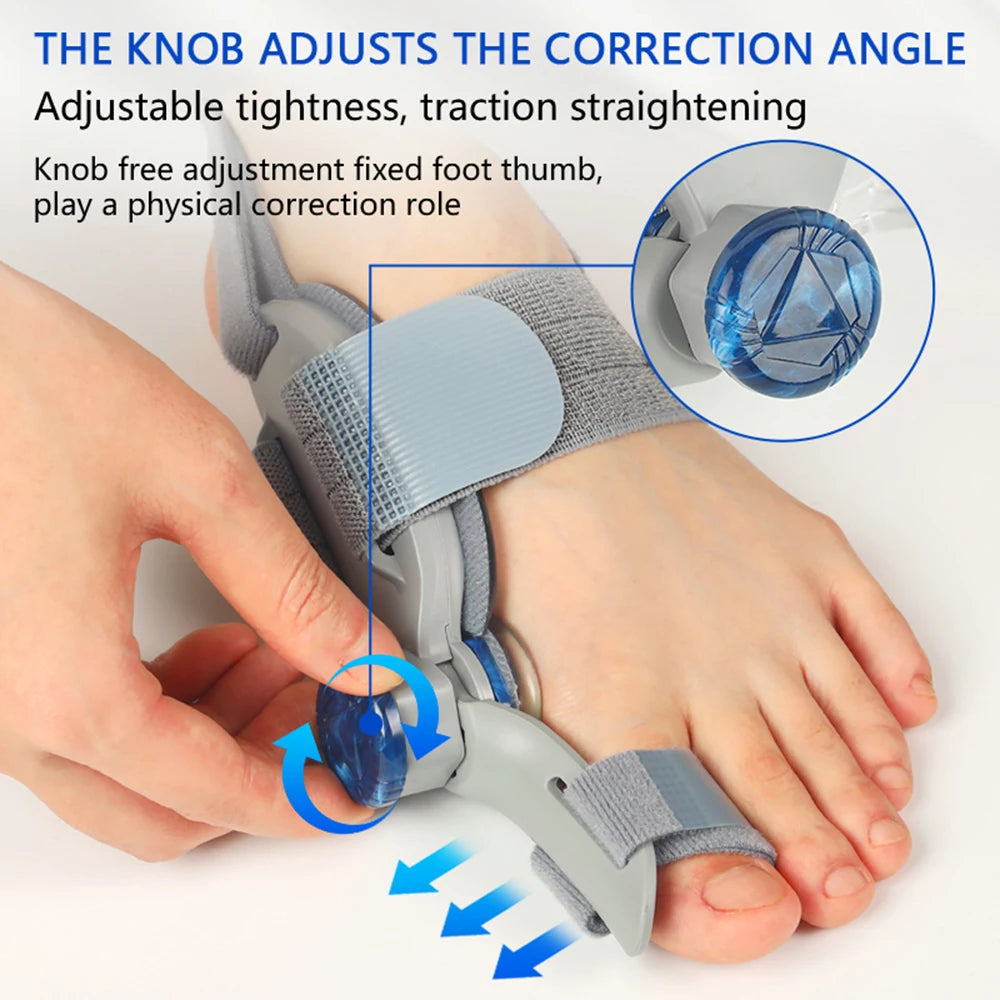
- Adjustable braces apply gentle corrective force.
- Soft sleeves cushion the bunion against shoe friction.
- Night splints hold the toe in a more neutral position while resting.
What results you can realistically expect
People searching for does bunion corrector work should have realistic expectations. Clinical experts generally agree that these devices help manage symptoms rather than permanently reverse the deformity.
- Reduced friction and pressure inside shoes
- Improved toe alignment while wearing the device
- Less pain during walking or standing
- Greater comfort during daily activities
- Potentially slower progression of mild bunions when combined with supportive footwear
When bunion correctors help vs when they don't
Bunion correctors work best for mild to moderate bunions, especially when discomfort is caused by pressure from shoes. They may also benefit active individuals who want extra protection during walking or standing for long periods.
However, they are less effective for rigid deformities, severe arthritis of the big toe joint, or advanced structural changes. Even in these situations, many users still experience meaningful pain relief because the device reduces rubbing and redistributes pressure.
Can a bunion be corrected without surgery?
In most adults, conservative treatment cannot permanently straighten the underlying bone alignment. However, bunion treatment without surgery can successfully reduce pain, improve function, and delay progression for many people. Wearing a properly fitted bunion corrector consistently, choosing wider footwear, maintaining healthy foot mechanics, and performing simple toe-strengthening exercises often provide the best long-term results.
⏱ 6 min read
Types of bunion correctors compared
Toe separators
Toe separators are ideal for mild bunions and people experiencing friction between the first and second toes. They are inexpensive, easy to wear, and work well inside roomy footwear, although they provide limited corrective force.
Night splints
Night splints use adjustable straps or rigid supports to gently position the big toe while you sleep. They are best suited for people who cannot comfortably wear braces during the day and want gradual stretching without affecting daily activities.
Bunion sleeves
Bunion sleeves combine cushioning with light toe separation. They reduce pressure from shoes, making them popular among people who spend long hours standing or walking.
Adjustable braces
Adjustable braces offer the greatest level of customization. Their tension can be gradually increased for comfort, making them one of the most versatile options for mild to moderate hallux valgus treatment options.
Orthotics and supportive insoles
Although not bunion correctors themselves, supportive insoles help stabilize the foot, reduce excessive pronation, and improve pressure distribution. Many podiatrists recommend combining orthotics with a bunion corrector for better overall comfort.
How to choose the best bunion corrector for your needs
Mild vs moderate vs severe bunions
Choose your device based on bunion severity rather than price alone.
- Mild: Soft gel separators or silicone sleeves often provide enough relief.
- Moderate: Adjustable braces offer better alignment support while remaining comfortable.
- Severe: Rigid splints may improve comfort during rest, although medical evaluation is often appropriate.
Daytime vs nighttime correctors
- Daytime: Flexible, breathable, fits comfortably inside most walking shoes.
- Nighttime: More rigid designs intended to hold alignment while sleeping.
Materials, comfort, and durability
Look for medical-grade silicone, breathable fabrics, reinforced stitching, and adjustable straps. A comfortable device is far more likely to be worn consistently, which is essential for successful bunion pain relief without surgery.
Sizing and fit
Always follow the manufacturer's sizing recommendations. A corrector that is too tight may restrict circulation or create pressure points, while one that is too loose will provide little support.
When to see a podiatrist instead
Seek professional evaluation if your bunion causes severe pain, rapidly worsens, limits daily activities, or is accompanied by redness, swelling, numbness, or difficulty wearing normal footwear. Conservative treatment works best before deformities become advanced.
Top 7 best non surgical bunion corrector devices (2026 reviews)
Best overall bunion corrector
An adjustable brace combining firm alignment support with padded comfort, making it suitable for most people with mild to moderate bunions who want a balance of correction and wearability.
Best for walking
KentDO Bunion Corrector — lightweight, flexible, and designed to fit comfortably inside shoes without restricting movement. Its adjustable design makes it well suited for daily wear, commuting, work, and extended walking sessions.
Best overnight splint
Rigid nighttime splints gently hold the big toe in a more neutral position during sleep. They are ideal for users who prefer stronger corrective support outside daytime activities.
Best budget option
Simple gel toe separators provide affordable cushioning and reduce pressure between the first two toes. They are best suited for early-stage bunions and occasional discomfort.
Best for severe bunions
Heavy-duty adjustable braces offer stronger corrective tension and improved stability, although people with significant deformity should also discuss treatment options with a podiatrist.
Best soft gel corrector
Soft silicone correctors prioritize comfort over correction, making them a good starting point for beginners or individuals with sensitive skin.
Best adjustable brace
Devices featuring adjustable straps allow users to gradually increase tension as comfort improves, providing personalized support throughout treatment.
See it in action: comfortable bunion corrector for walking improving normal toe alignment.
Comparison table: best bunion correctors side-by-side
Features compared
| Type | Best For | Comfort | Use Time | Adjustability | Support Level |
|---|---|---|---|---|---|
| Gel Separator | Mild bunions | High | Day | Low | Low |
| Flexible Sleeve | Walking | Very High | Day | Medium | Low-Medium |
| Adjustable Brace | Moderate bunions | High | Day/Night | High | High |
| Night Splint | Sleeping | Medium | Night | High | High |
| Orthotic Insoles | Pressure relief | Very High | Day | None | Medium |
Comfort and wear time
Most people tolerate flexible sleeves and silicone separators for several hours during the day, while rigid splints are generally reserved for overnight use.
Best for bunion severity
Soft separators work well for mild cases, adjustable braces are appropriate for moderate deformities, and severe bunions often require both supportive devices and medical guidance.
How long should you wear a bunion corrector?
Daytime wear
Start with 30 to 60 minutes daily and gradually increase wear time as your foot adapts. Flexible daytime correctors can often be worn for several hours if they remain comfortable.
Nighttime wear
Night splints are typically worn throughout sleep. If discomfort occurs, shorten wear time initially and increase gradually over several nights.
Signs of improvement
- Less pain while walking
- Reduced rubbing inside shoes
- Lower pressure around the bunion
- Improved comfort during daily activities
Common mistakes to avoid
- Expecting permanent correction within a few weeks.
- Choosing shoes that are too narrow.
- Wearing an overly tight brace.
- Using the device inconsistently.
Who should and should not use a non surgical bunion corrector?
Ideal candidates
People with mild to moderate bunions, early discomfort, shoe irritation, or those hoping to delay surgery often benefit the most from conservative treatment.
When conservative treatment is enough
If symptoms are occasional, daily activities remain comfortable, and pain improves with supportive footwear and bunion correctors, surgery is often unnecessary.
When surgery may be necessary
Persistent pain despite conservative care, rapidly worsening deformity, severe joint stiffness, or difficulty performing everyday activities should prompt evaluation by a qualified foot specialist to discuss surgical options.













