Does a Breathable Neck Gaiter Really Work for Sensitive Skin?
Yes, a breathable neck gaiter can be a comfortable choice for sensitive skin when its fabric, seams, fit, and moisture management work together. By allowing excess heat and moisture to escape, a soft breathable neck gaiter can reduce the dampness and friction that often make neckwear feel irritating during extended wear.
For sensitive-skin users, the material alone is not the whole story. A neck warmer for sensitive skin should also have a smooth feel, comfortable stretch, minimal friction at the seams, and a fit that does not press tightly against the neck. A nylon cotton neck warmer can be a practical option because it combines a soft cotton feel with the stretch and durability of nylon.
The best choice depends on your climate and activity. Lightweight moisture-wicking fabrics are often better for running or hot weather, while a slightly more protective breathable neck warmer may work better for cold air and motorcycle riding.
Breathable Neck Gaiter: Best Lightweight Options for Comfort, Sensitive Skin, and Outdoor Activities
⏱ 6 min read
A neck gaiter should protect you from wind, sun, dust, or changing temperatures without becoming hot, damp, itchy, or restrictive. The best breathable neck gaiter balances airflow, moisture management, softness, and coverage for the conditions in which you actually wear it.
This guide compares breathable neck gaiter materials and use cases, explains what matters for sensitive skin, and shows how to choose the right weight and construction for motorcycle riding, exercise, hiking, hot weather, and everyday wear.
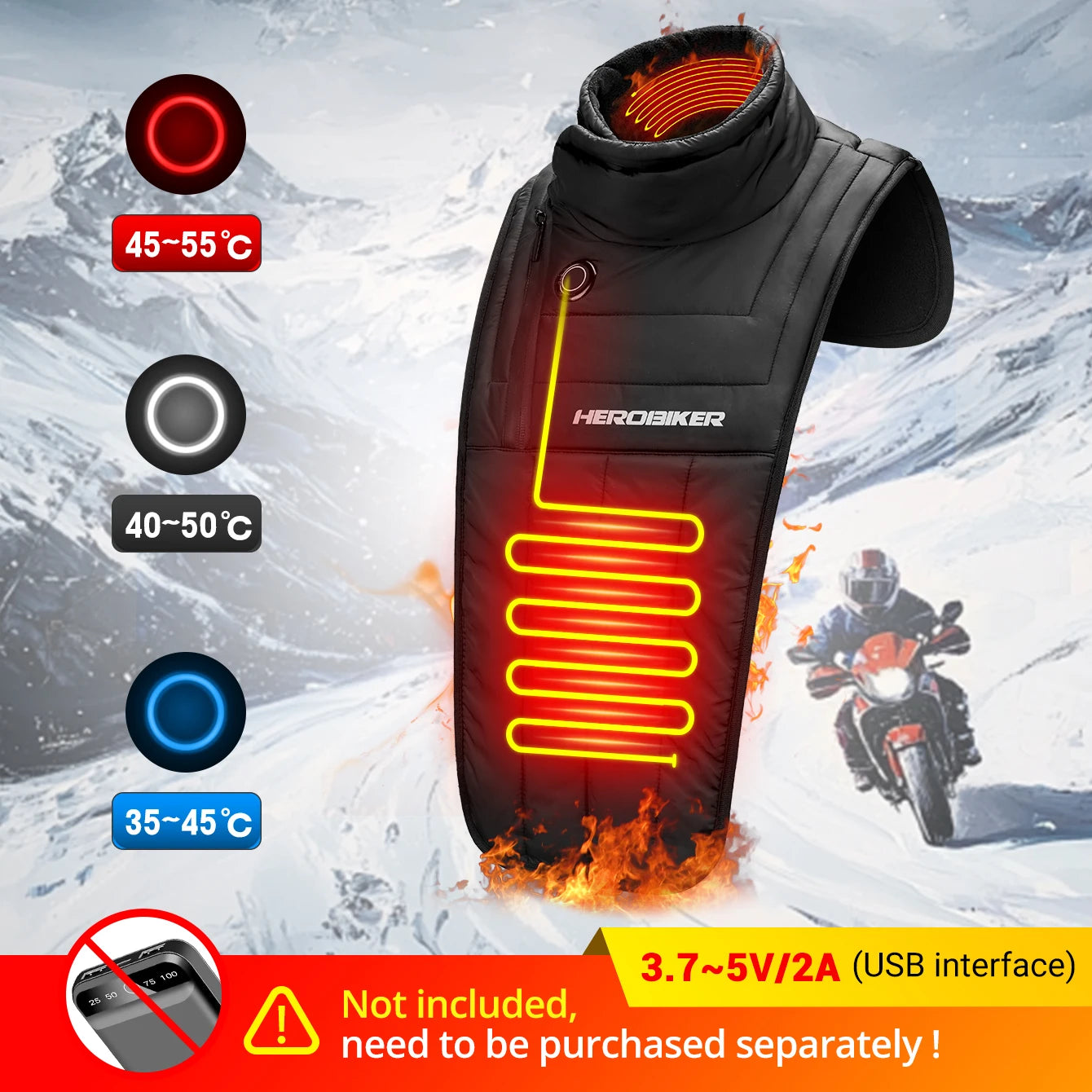
Soft protection that moves with you — See it in action
Quick Comparison: Best Breathable Neck Gaiters by Use Case
The best option depends on whether you prioritize sensitive-skin comfort, maximum airflow, moisture control, or protection from wind. Use this comparison to narrow your choice before looking at specific features.
| Best For | Recommended Material or Construction | Weight | Breathability | Moisture Management | Ideal Conditions |
|---|---|---|---|---|---|
| Best overall | Nylon-cotton blend | Light to medium | High | Moderate to high | Daily wear and changing weather |
| Best for sensitive skin | Soft nylon-cotton or smooth low-friction fabric | Light to medium | High | Moderate | Extended wear and everyday comfort |
| Best for hot weather | Lightweight performance synthetic or ventilated construction | Ultralight | Very high | High | Warm weather and active use |
| Best for running or cycling | Lightweight moisture-wicking synthetic | Ultralight | Very high | Very high | High-intensity exercise |
| Best for motorcycle riding | Stretch fabric with wind-blocking coverage | Light to medium | Moderate to high | Moderate | Windy and cool riding conditions |
For most people, a nylon cotton neck warmer is a practical starting point when softness and daily comfort matter most. If you exercise in hot conditions, prioritize lower weight and moisture-wicking performance. For motorcycle riding, look for a balance between airflow and enough coverage to reduce direct wind exposure.
What Makes a Neck Gaiter Truly Breathable?
A breathable neck gaiter does more than use a thin fabric. Real-world breathability depends on the interaction between fabric construction, moisture movement, fit, and the weather. A very thin material can still feel uncomfortable if it traps sweat, while a slightly heavier fabric may remain comfortable if it moves moisture efficiently and does not hold excessive heat.
Fabric Weight and Airflow
Lightweight fabrics generally allow heat to escape more easily and reduce the amount of material surrounding the neck. This can make a lightweight neck warmer more comfortable for running, cycling, commuting, and warm-weather use.
However, thinner is not automatically better. An open, loosely constructed fabric may provide excellent airflow but less protection from wind. A denser fabric may block cold air more effectively while feeling warmer. The best weight depends on whether your priority is maximum ventilation or balanced protection.
Moisture-Wicking Performance
A moisture wicking neck gaiter helps move sweat away from the skin so it can evaporate more easily. This matters because a damp layer can feel clingy and increase friction during extended wear.
Moisture management depends on more than fabric thickness. Fiber type, fabric construction, surface finish, and drying speed all influence performance. For intense exercise, fast-drying technical fabrics often have an advantage. For daily wear, a soft breathable fabric may offer a better balance of comfort and moisture control.
UV Protection and Heat Management
Some neck gaiters are designed to provide UV protection, which can be useful during hiking, cycling, travel, and other prolonged outdoor activities. A fabric that covers the neck can reduce direct sun exposure, but it may also add warmth depending on its density and color.
For hot weather, look for a lightweight neck gaiter that combines airflow with moisture management. If your primary need is sun protection rather than warmth, a lightweight sun-protective design may be more appropriate than a thicker cold-weather neck warmer.
Why Sensitive Skin Needs Different Neckwear
Neckwear stays in frequent contact with an area that moves constantly. Turning your head, walking, exercising, wearing a helmet, and adjusting a scarf can all create repeated friction. Heat and trapped moisture can make that contact feel even less comfortable.
For people with sensitive skin, a comfortable neck gaiter should therefore be evaluated by more than its fiber label. Look for:
- A smooth surface: A softer texture can reduce the uncomfortable feel of repeated contact.
- Low-friction seams: Seam placement and construction can matter as much as the main fabric.
- Comfortable stretch: The gaiter should stay in place without feeling excessively tight.
- Moisture management: Reducing dampness can help limit the uncomfortable combination of sweat and friction.
- A suitable weight: Overly warm fabric may increase heat buildup during active use.
Personal sensitivity varies, so a fabric that feels comfortable for one person may not work for another. If a particular fiber, dye, finish, or detergent has caused irritation for you before, avoid assuming that a new garment made from the same material will feel different.
Quick check: If your current scarf feels comfortable at first but becomes itchy, damp, or irritating after an hour, pay attention to fabric softness, seam construction, fit, and moisture buildup—not just warmth.
Nylon Cotton vs. Other Neck Gaiter Fabrics: Which Feels Best?
There is no single best fabric for every climate or activity. The most comfortable neck gaiter fabric depends on the tradeoff you want between softness, airflow, drying speed, moisture control, and durability.
Nylon-Cotton Blends
A nylon cotton neck warmer combines the soft hand feel associated with cotton with the stretch, strength, and durability nylon can provide. This makes the blend a practical choice for daily wear when skin comfort and a flexible fit are important.
Compared with a highly technical synthetic, a nylon-cotton blend may not always dry as quickly during intense exercise. Its advantage is balance: it can provide a soft, comfortable feel while remaining durable enough for regular use.
Polyester and Performance Synthetics
Performance synthetics are commonly chosen for running, cycling, and other activities that produce significant sweat. They can be lightweight, fast-drying, and highly effective at moving moisture away from the skin.
For active use, a moisture wicking neck gaiter made from a smooth performance fabric may be a strong choice. However, individual skin sensitivity matters. Some people prefer the feel of a cotton blend over a purely synthetic fabric, so softness and personal comfort should be part of the decision.
Merino Wool and Natural Fibers
Merino wool can provide natural temperature regulation and odor resistance, making it useful for hiking, travel, and variable conditions. Its performance can be excellent, but texture and personal sensitivity vary between products and individuals.
Other natural fibers may feel soft and comfortable but can differ significantly in drying speed and durability. Check the actual fabric construction rather than assuming that every natural fiber performs the same way.
Best Breathable Neck Gaiters for Different Activities
Best Neck Warmer for Motorcycle Riding
Motorcycle riding creates continuous wind exposure, so a neck warmer for motorcycle riding needs to provide more than maximum airflow. The most useful design balances enough coverage to reduce direct drafts with enough breathability to prevent uncomfortable heat and moisture buildup inside a helmet or jacket.
Look for a flexible fit that stays in place without creating pressure around the neck. A lightweight-to-medium-weight breathable neck warmer can work well in cool conditions, while a thinner moisture-managing gaiter may be more comfortable during warmer rides.
Best Lightweight Neck Gaiter for Running and Cycling
For running and cycling, low weight and fast moisture management are usually more important than heavy insulation. A lightweight neck gaiter should allow excess heat to escape and dry efficiently as activity levels increase.
Choose a smooth, flexible fabric that does not feel restrictive when worn around the neck or pulled higher for additional coverage. In hot weather, prioritize airflow and moisture evaporation over unnecessary thickness.
Best Neck Gaiter for Outdoor Activities and Hiking
A neck gaiter for outdoor activities should adapt to changing conditions. Hikers may need protection from sun, wind, dust, and cool air during the same trip.
A breathable, versatile design can be useful when temperatures change throughout the day. Depending on the environment, you may also want to consider UV protection, odor management, drying speed, and how easily the gaiter can be adjusted or worn in different positions.
Best Soft Neck Gaiter for Daily Wear
For commuting, walking, travel, and everyday use, comfort often matters more than maximum technical performance. A soft neck gaiter for daily wear should feel comfortable for extended periods, stay in place without excessive pressure, and provide enough airflow for indoor and outdoor transitions.
A nylon-cotton blend can be a practical option for people who want a soft feel with durable stretch and versatile coverage.
How to Evaluate Breathability Before You Buy
Check the Fabric and Construction
Start with the fabric composition, but do not stop there. Two products made from similar fibers can feel and perform differently because of differences in thickness, weave, knit structure, surface finish, and stretch.
For a comfortable neck gaiter fabric, consider how the material feels against the skin, how much air can move through it, and whether the construction is likely to create excessive heat during your intended activity.
Look for Moisture Management
If you expect to sweat, look for information about moisture-wicking performance and drying speed. A fabric that moves moisture away from the skin can feel more comfortable than a similarly thin fabric that simply absorbs and holds moisture.
For sensitive skin, reducing dampness may also help reduce the uncomfortable combination of moisture and repeated friction during long wear.
Match Weight to Weather and Activity
Choose the fabric weight based on how much heat and wind protection you actually need:
- Warm weather and intense exercise: Choose an ultralight, highly breathable fabric with strong moisture management.
- Cool everyday conditions: A light-to-medium fabric can provide a balance of airflow and coverage.
- Windy motorcycle riding: Look for enough coverage to reduce direct drafts without creating excessive heat inside your riding gear.
- Changing outdoor conditions: Prioritize versatility, comfortable stretch, and a fabric that can manage both warmth and moisture.
Breathability is therefore a performance combination, not a single specification. Fabric weight, construction, moisture movement, fit, and weather all influence how comfortable a gaiter feels in actual use.
Cold Air Protection Without Overheating
A neck warmer for cold air protection does not always need to be thick or heavily insulated. A lightweight layer can reduce direct wind exposure while allowing some excess heat to escape, which is useful when you are moving between outdoor and indoor environments.
The right balance depends on activity. A person walking slowly in cold weather may want more coverage than a cyclist generating significant body heat. Motorcycle riders also face higher wind exposure, so a breathable neck warmer may need to provide more effective coverage than a gaiter intended for casual walking.
In general, choose a lighter breathable neck warmer for active conditions and a more protective construction for colder, windier conditions. Avoid assuming that maximum thickness automatically means maximum comfort.
How to Wear a Lightweight Neck Gaiter in Hot Weather
A lightweight neck gaiter can work in warm weather when its fabric and fit allow heat and moisture to escape. The goal is not simply to add another layer, but to use a breathable layer that can manage sweat, sun exposure, dust, or changing conditions.
- Wear it loosely around the neck: This can allow more airflow and reduce unnecessary heat buildup.
- Use it as a face covering when appropriate: A lightweight design can provide additional coverage from sun, dust, or outdoor debris.
- Choose moisture-wicking fabric for exercise: Fast moisture movement and drying can improve comfort during running or cycling.
- Use it under a helmet only when the fit remains comfortable: Avoid excessive tightness or added bulk that interferes with your helmet or riding equipment.
For extremely hot conditions, a purpose-designed cooling or highly sun-protective option may be more appropriate than a warmer neck gaiter. The best neck gaiter for hot weather is the one whose weight, airflow, and moisture management match the actual conditions.
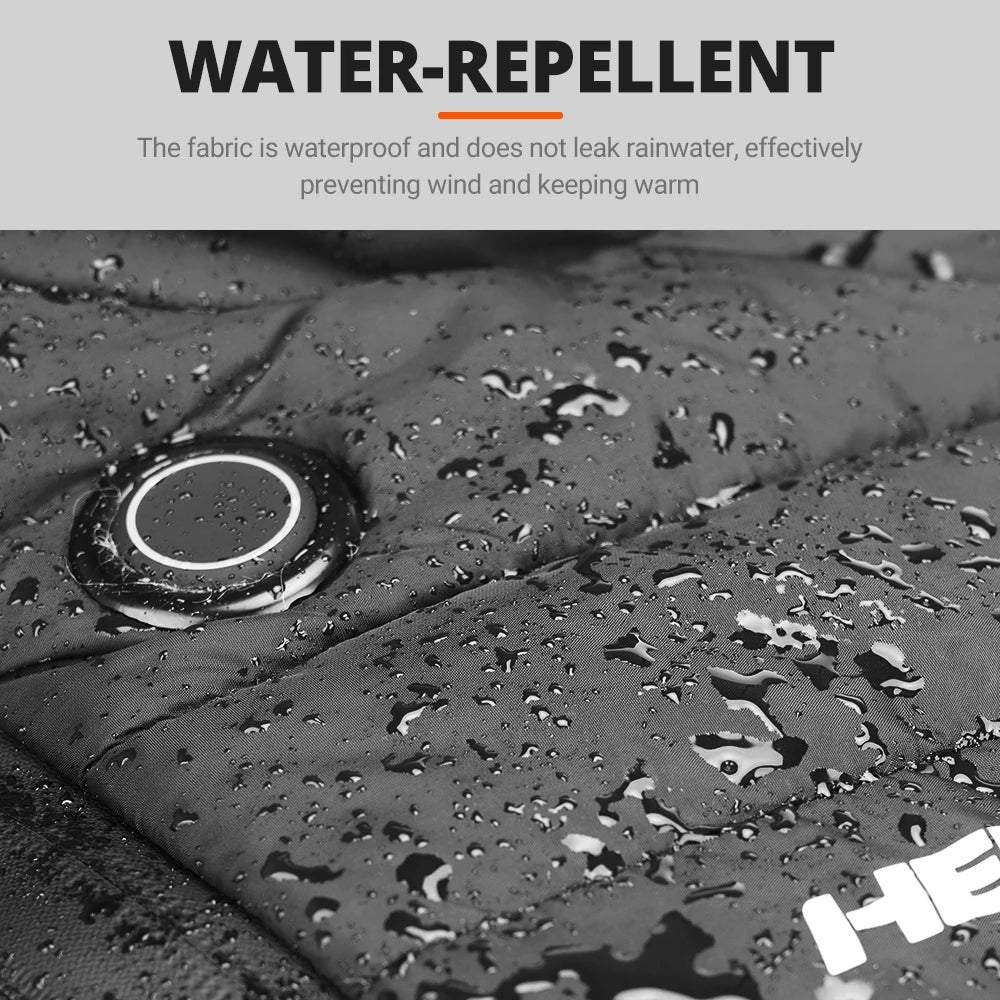
Lightweight warmth without bulk — See it in action
Material Comparison: Comfort vs. Performance
The table below provides a practical comparison of common neck gaiter materials. Actual performance varies with fabric construction, thickness, blend ratio, and product design, so these are general characteristics rather than guarantees for every garment.
| Material | Softness | Breathability | Moisture Control | Drying Speed | Durability | Best Use |
|---|---|---|---|---|---|---|
| Nylon-cotton blend | High | High | Moderate | Moderate | High | Sensitive skin and daily wear |
| Polyester performance fabric | Moderate to high | High to very high | High | Fast | High | Running, cycling, and active use |
| Merino wool | Varies by construction | High | High | Moderate | Moderate | Hiking, travel, and changing conditions |
| Fleece | Soft but warmer | Low to moderate | Moderate | Moderate | High | Cold-weather insulation |
For sensitive skin, a nylon cotton neck warmer may be a practical choice when softness and everyday comfort are the priority. For high-intensity exercise, performance synthetics may provide better moisture control. For variable outdoor conditions, merino wool can offer temperature-regulating performance when the texture is comfortable for the wearer.
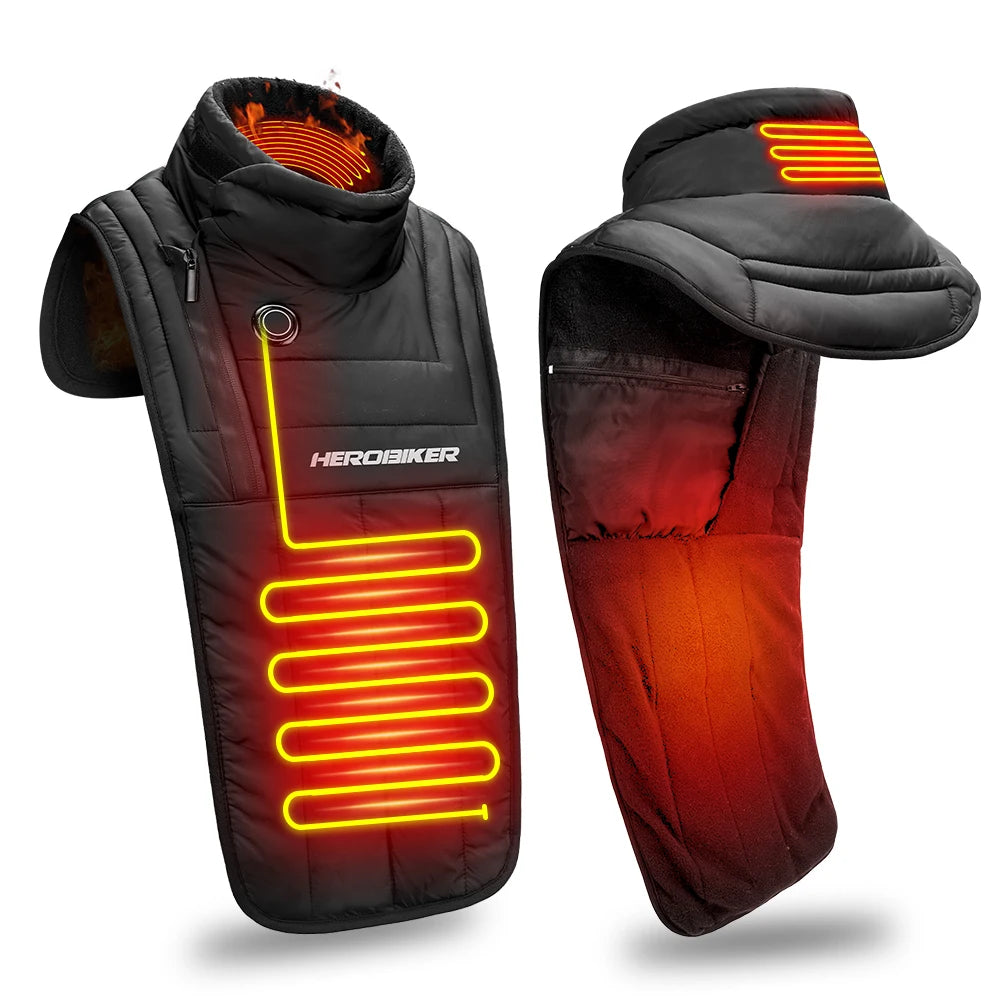
Everyday comfort, redefined — See it in action
Breathable Neck Gaiter vs. Bandana vs. Cooling Towel
These accessories can all be useful outdoors, but they solve different comfort problems. The right choice depends on the coverage, airflow, moisture control, and heat relief you need.
| Option | Coverage | Airflow | Moisture Management | Best For |
|---|---|---|---|---|
| Breathable neck gaiter | Versatile neck and face coverage | Moderate to very high, depending on fabric | Moderate to high | Daily wear, exercise, outdoor activities, and changing weather |
| Bandana | Adjustable but less consistent | High when loosely tied | Varies by fabric | Light coverage and casual outdoor use |
| Cooling towel | Primarily neck coverage | Varies | Designed for cooling rather than everyday dryness | Heat relief during hot-weather activities |
Choose a breathable neck gaiter when you want flexible coverage and regular wear. Choose a bandana when simple, adjustable coverage is the priority. Choose a cooling towel when active heat relief matters more than wind protection or all-day neckwear.
How to Choose the Best Neck Gaiter for Sensitive Skin
The best neck warmer for sensitive skin should be evaluated as a complete product rather than by fiber name alone. Use this checklist before buying:
- Prioritize a soft surface: Choose a material that feels comfortable during prolonged contact with your skin.
- Inspect seam construction: Smooth or low-friction seams can improve comfort in an area that moves constantly.
- Check the stretch: The gaiter should stay in place without creating uncomfortable pressure.
- Consider moisture management: If you sweat easily, choose a fabric that can move moisture and dry at a reasonable speed.
- Match the weight to your climate: A lightweight neck gaiter may be better for warm or active conditions, while a denser option may provide better cold-air protection.
- Consider your known sensitivities: If a specific fiber, finish, or detergent has caused irritation for you before, choose accordingly.
- Think about your main activity: Motorcycle riding, exercise, hiking, and daily wear each create different airflow and coverage requirements.
A soft breathable neck gaiter is usually the best starting point when sensitive skin and extended wear are your main priorities. From there, adjust the fabric weight and moisture performance to match your weather and activity.
Frequently Asked Questions
Is a breathable neck gaiter good for hot weather?
Yes. A lightweight breathable neck gaiter can help manage sweat and allow heat to escape while providing coverage from sun, dust, or outdoor exposure. For hot weather, prioritize low weight, airflow, and moisture-wicking performance rather than thick insulation.
Is nylon cotton good for sensitive skin?
A nylon cotton neck warmer can be a comfortable option for sensitive skin because cotton contributes a soft feel while nylon can add stretch and durability. However, individual skin sensitivities vary, so the fabric, seams, fit, and any personal reactions to specific materials should all be considered.
Can I use a neck gaiter for motorcycle riding?
Yes. A neck gaiter can help reduce direct wind exposure around the neck and provide additional comfort under riding gear. For motorcycle riding, choose a design that balances coverage with breathability and fits comfortably without creating excessive bulk under a helmet or jacket.
What is the most comfortable neck gaiter fabric?
The most comfortable neck gaiter fabric depends on your skin sensitivity, climate, and activity. Soft nylon-cotton blends can work well for daily wear, while smooth moisture-wicking synthetics may be better for intense exercise. Merino wool can also be effective for variable outdoor conditions when its texture feels comfortable against your skin.
How should I wash a breathable neck gaiter?
Follow the garment's care label first. In general, gentle washing with mild detergent can help preserve softness and elasticity, while avoiding excessive heat can help maintain the fabric's shape. Air drying is often a practical choice when the care instructions allow it.
Related Guide: Motorcycle Winter Clothing: Choosing Gear for Every Rider Type