

Best Occupational Therapy Devices: Top Tools for Faster Recovery at Home
Choosing the right occupational therapy devices can dramatically improve recovery, restore independence, and make everyday activities easier. Whether you're recovering from a stroke, managing arthritis, healing after surgery, or rebuilding hand function following an injury, the right occupational therapy equipment provides structured practice that supports meaningful progress.
This guide goes beyond a simple product roundup. You'll find an organized occupational therapy equipment list, expert recommendations by therapy goal, practical buying advice, and evidence-based guidance for selecting the best rehabilitation equipment for home or clinical use.
If you're comparing hand therapy devices, adaptive daily living aids, wearable rehabilitation gloves, or complete home therapy equipment, this resource will help you choose tools that match your recovery stage and long-term goals.
⏱ 10 min read
Regain confidence in daily tasks.
Discover how assisted hand training can transform your recovery routine.
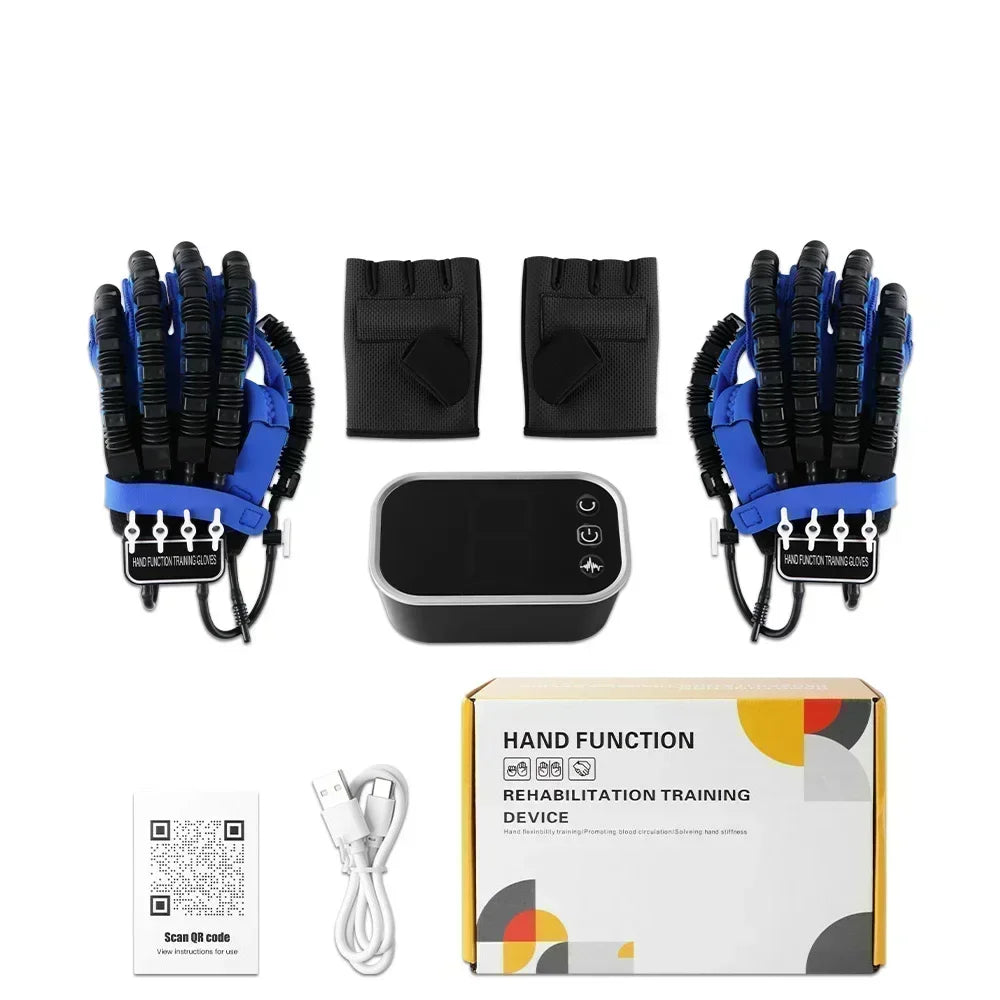
Robotic glove stroke support for daily therapy glove training — See it in action.
What Is Occupational Therapy Equipment and How It Works
Occupational therapy equipment includes devices, adaptive tools, and rehabilitation systems that help people regain the skills needed for everyday life. Unlike general fitness equipment, these tools are designed to improve specific functional abilities such as gripping objects, buttoning clothing, writing, cooking, or safely moving around the home.
Core Functions of Occupational Therapy Devices
The equipment used in occupational therapy generally serves one or more of these purposes:
- Restore hand strength and fine motor coordination
- Increase joint mobility and range of motion
- Improve independence with activities of daily living (ADLs)
- Support neurological rehabilitation after stroke or brain injury
- Reduce fatigue while practicing repetitive therapeutic movements
How Equipment Supports Neuroplasticity and Recovery
Many rehabilitation equipment solutions rely on repetitive, task-specific movement. Repeated practice encourages neuroplasticity—the nervous system's ability to reorganize and strengthen neural pathways after injury. The more consistently patients perform meaningful movements, the greater the opportunity to improve coordination, strength, and functional performance.
Guided devices such as robotic hand rehabilitation gloves can assist individuals who cannot yet complete movements independently, allowing them to practice correct motion patterns safely.
Common Therapy Goals (Mobility, ADL, Cognition)
Occupational therapists select equipment based on functional goals rather than diagnosis alone. Some patients focus on restoring hand mobility, while others prioritize dressing independently, preparing meals, improving balance, or rebuilding cognitive skills needed for daily routines.
Many people begin therapy in a clinical setting before transitioning to home-based rehabilitation using portable devices that reinforce exercises between therapy appointments.
Occupational Therapy Equipment List by Category
Fine Motor and Hand Therapy Equipment
These occupational hand therapy equipment options improve finger control, grip strength, coordination, and dexterity:
- Robotic therapy gloves
- Therapy putty
- Grip strengtheners
- Finger resistance bands
- Hand exercise balls
- Pegboards
Sensory Integration Tools
Sensory rehabilitation tools help improve body awareness, tactile processing, and motor planning. Common examples include textured sensory balls, tactile boards, weighted products, and vibration therapy tools.
Balance and Gross Motor Equipment
Patients working on larger movement patterns may benefit from:
- Resistance bands
- Shoulder pulleys
- Arm rehabilitation trainers
- Balance pads
- Exercise pedals
ADL Training and Adaptive Tools
Adaptive devices make daily activities more manageable while strength and coordination continue improving.
- Adaptive utensils
- Button hooks
- Sock aids
- Long-handled reachers
- Jar openers
Cognitive Rehabilitation Devices
Cognitive therapy often incorporates memory games, sequencing boards, problem-solving activities, visual scanning exercises, and dexterity kits that combine both mental and physical practice.
Best Occupational Therapy Equipment by Use Case
Hand Therapy Devices for Fine Motor Skills
People recovering from stroke, nerve injuries, tendon surgery, or arthritis often begin with occupational therapy equipment for hands designed to rebuild fine motor control.
- Robotic therapy gloves
- Grip strengtheners
- Therapy putty
- Finger stretchers
- Dexterity boards
Gross Motor and Strength Rehabilitation Equipment
For shoulder, elbow, and upper-limb rehabilitation, these physical rehabilitation devices help restore larger movement patterns:
- Arm rehabilitation machines
- Resistance bands
- Shoulder pulleys
- Exercise pedals
ADL Assistive Devices for Daily Living
Adaptive equipment helps people safely complete everyday activities while recovering.
- Adaptive utensils
- Button hooks
- Dressing aids
- Jar openers
- Reachers
Cognitive and Sensory Therapy Tools
These devices improve coordination, attention, and cognitive engagement during rehabilitation:
- Pegboards
- Memory games
- Sensory stimulation tools
- Sequencing activities
Top Occupational Therapy Products (Expert Picks)
Robotic Therapy Gloves
Wearable robotic gloves provide assisted finger extension and flexion for structured rehabilitation. They are especially valuable for stroke survivors with severe weakness who need repetitive, guided movement. Explore a glove for stroke patient recovery designed for home rehabilitation.
Grip Trainers and Therapy Putty
These affordable rehabilitation tools build grip strength, endurance, and finger control through progressive resistance exercises, making them suitable for beginners and long-term maintenance.
Dexterity and Coordination Tools
Pegboards, finger ladders, and coordination kits improve precision, pinch strength, and hand-eye coordination while providing measurable progress over time.
Adaptive Daily Living Aids
Adaptive utensils, dressing tools, and household aids reduce frustration and help users remain independent while recovering.
Electrical and Home Therapy Devices
Electrical muscle stimulation units, portable arm rehabilitation systems, and complete home therapy equipment can complement therapist-guided programs when used appropriately and according to medical advice.
Many rehabilitation professionals recommend combining assisted movement devices with traditional strengthening exercises for the best long-term functional outcomes.
Comparison Table: Best Occupational Therapy Devices
| Device Type | Best For | Difficulty | Home Use | Main Advantage |
|---|---|---|---|---|
| Robotic Gloves | Stroke recovery, paralysis | Medium | Yes | Guided repetitive movement |
| Grip Trainers | Grip strength | Easy | Yes | Progressive strengthening |
| Therapy Putty | Finger mobility | Easy | Yes | Multiple resistance levels |
| Pegboards | Dexterity | Medium | Yes | Fine motor coordination |
| Electrical Stimulators | Muscle activation | Advanced | Limited | Neuromuscular stimulation |
Occupational Therapy Equipment for Home vs Clinic
Best Equipment for Home Therapy
Home rehabilitation should emphasize equipment that is easy to use, portable, and safe without continuous supervision. Therapy putty, grip trainers, adaptive utensils, wearable therapy gloves, and resistance bands are among the most practical choices.
Browse additional rehabilitation solutions in our rehabilitation equipment collection or explore more hand therapy devices for home recovery.
Clinic-Grade Rehabilitation Equipment
Therapy clinics often use larger rehabilitation systems, electrical stimulation equipment, computerized assessment devices, and specialized robotic systems that require professional supervision and individualized treatment planning.
Budget vs Professional Tools
Low-cost rehabilitation tools are excellent for maintaining daily exercise routines, while premium devices often provide guided movement, adjustable programs, progress tracking, and higher training intensity. Your ideal combination depends on your diagnosis, therapy goals, and budget.
How to Choose the Right Occupational Therapy Equipment
Based on Condition and Diagnosis
Different conditions require different therapy priorities:
- Stroke: Assisted movement devices, robotic gloves, dexterity tools
- Arthritis: Gentle strengthening tools and adaptive daily living aids
- Orthopedic injuries: Progressive resistance equipment and mobility trainers
- Neurological disorders: Coordination, sensory, and cognitive rehabilitation devices
Based on Recovery Stage
- Early: Passive or assisted movement devices
- Intermediate: Controlled resistance and repetitive functional training
- Advanced: Strength, endurance, and coordination equipment
Based on Environment and Budget
Home users should prioritize compact devices that encourage consistent daily practice. Clinical environments may justify investing in advanced rehabilitation technology for multiple patients.
Key Features to Look For
- Adjustable resistance levels
- Comfortable ergonomic design
- Easy cleaning and maintenance
- Simple setup for independent use
- Ability to progress as recovery improves
Robotic Gloves vs Traditional Hand Therapy Equipment
Benefits of Wearable Therapy Gloves
Wearable gloves for occupational therapy provide powered assistance that helps patients perform repetitive hand movements even when muscle strength is limited. This makes them particularly valuable during the early stages of stroke rehabilitation.
Limitations Compared to Manual Tools
Traditional tools such as therapy putty, grip trainers, and finger resistance bands remain essential because they actively strengthen muscles and improve endurance. Robotic devices assist movement but do not replace progressive strengthening.
Who Should Use Each Type
- Robotic devices: Severe weakness, paralysis, limited active movement
- Manual tools: Mild to moderate weakness and strength building
- Combined approach: Often provides the most comprehensive rehabilitation program
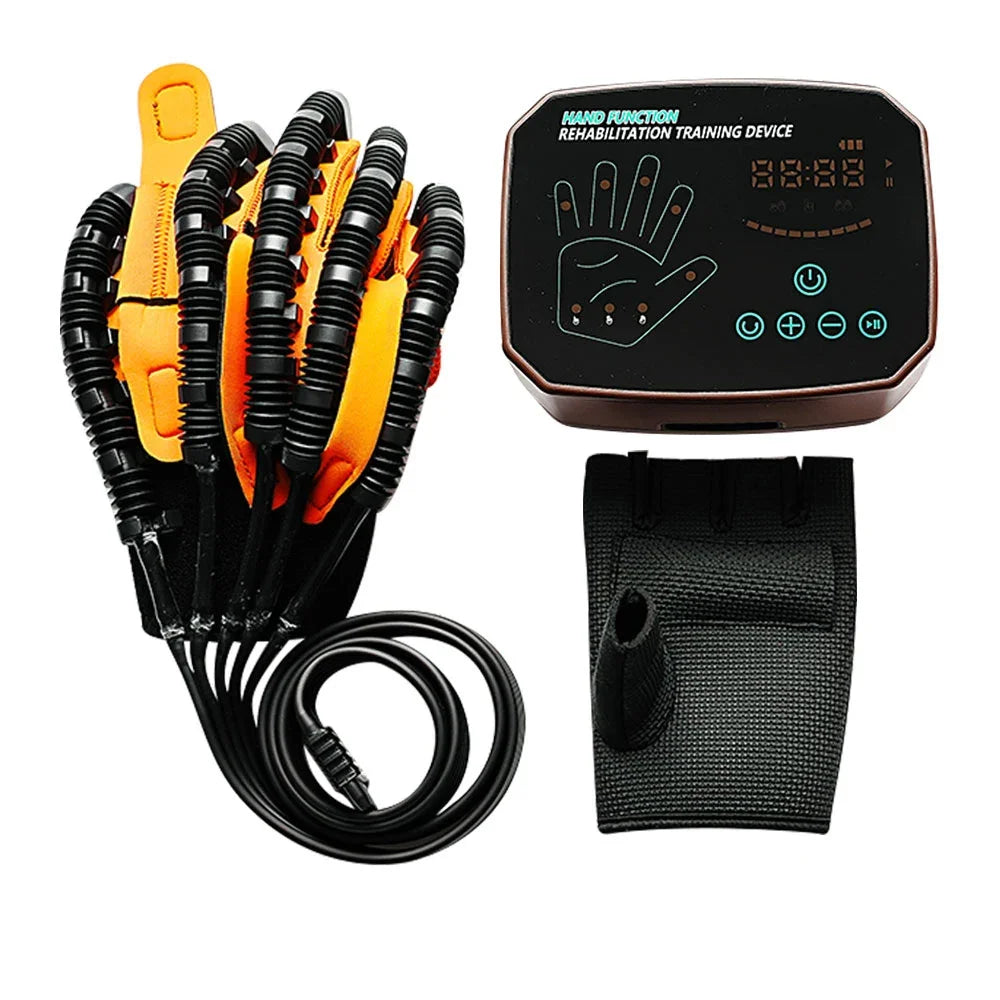
Therapy glove supporting stroke hand therapy progress — See it in action.
Safety, Maintenance, and Cleaning Guidelines
Safe Usage Practices
- Begin with shorter therapy sessions and lighter resistance.
- Stop if you experience severe pain, swelling, or unusual discomfort.
- Follow the exercise plan recommended by your occupational therapist.
- Increase intensity gradually as function improves.
Cleaning and Hygiene
Clean wearable rehabilitation equipment according to the manufacturer's instructions. Wipe high-contact surfaces after each session and ensure fabric components are completely dry before storage to minimize odor and bacterial growth.
Device Longevity Tips
- Store equipment in a dry environment.
- Inspect straps and moving parts regularly.
- Replace worn resistance bands promptly.
- Recharge battery-powered devices as recommended.
Additional wellness and rehabilitation solutions are also available in our Body Care & Health Devices collection.
Who Benefits Most from Occupational Therapy Equipment?
- Stroke survivors recovering hand and arm function
- Adults with arthritis, Parkinson's disease, or neurological disorders
- Patients recovering after orthopedic surgery or traumatic injury
- Older adults maintaining independence at home
- Caregivers supporting structured home rehabilitation
Successful rehabilitation is about more than improving strength—it helps restore confidence, independence, and quality of life through meaningful daily activities.
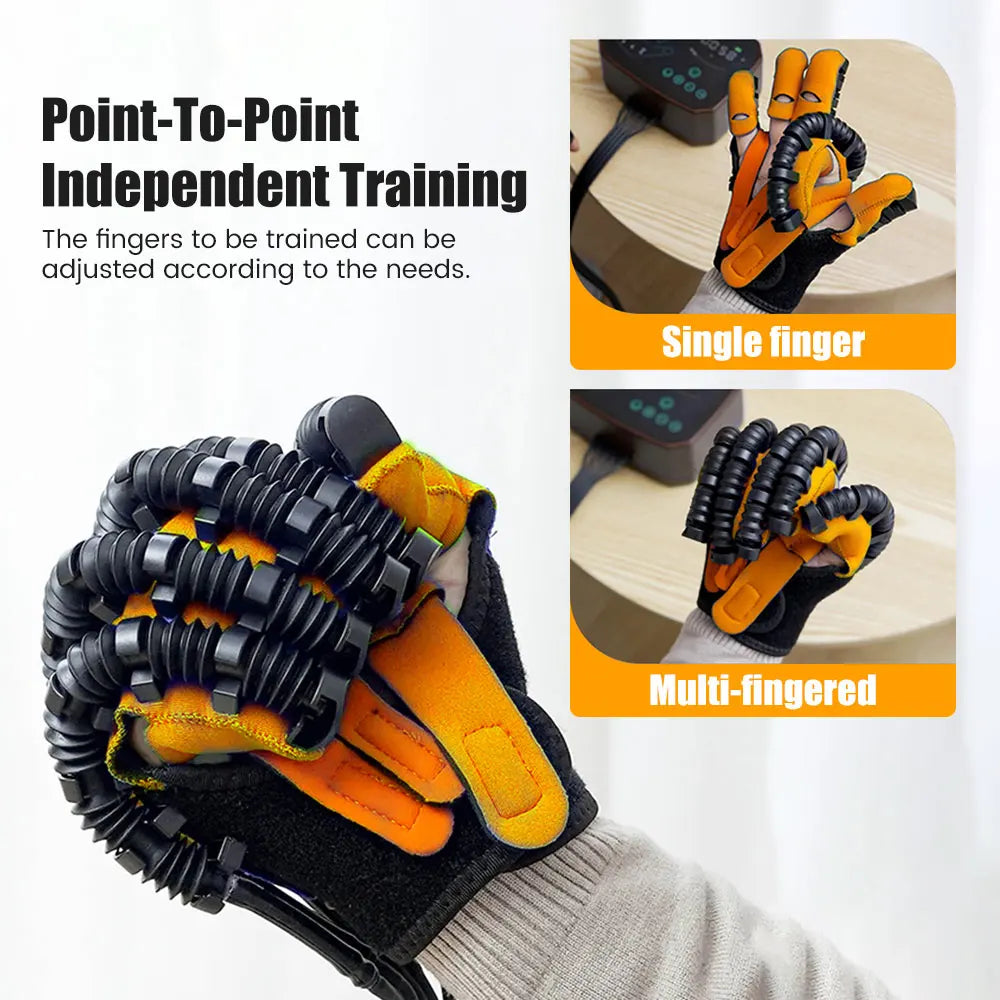
Motor recovery glove designed for effective stroke gloves training — See it in action.
Ready to take the next step?
Get yours now — limited stock!
Frequently Asked Questions
What equipment is used in occupational therapy?
Occupational therapists commonly use therapy putty, grip strengtheners, robotic rehabilitation gloves, pegboards, adaptive utensils, resistance bands, sensory tools, dressing aids, and cognitive rehabilitation activities depending on each patient's goals.
What is the best occupational therapy equipment for hands?
Robotic therapy gloves, therapy putty, grip trainers, finger stretchers, dexterity boards, and hand exercise balls are among the most effective options for improving strength, coordination, and fine motor skills.
Can I do occupational therapy at home with devices?
Yes. Many rehabilitation programs include home exercises using portable therapy equipment. Home devices work best when used consistently and alongside guidance from an occupational therapist.
Are wearable therapy gloves effective?
For individuals with significant hand weakness following stroke or neurological injury, wearable therapy gloves can provide valuable assisted movement and increase the number of high-quality repetitions performed during rehabilitation.
How do I choose occupational therapy equipment for adults?
Start by identifying your diagnosis, recovery stage, functional goals, available space, and budget. Select equipment that matches your current abilities while allowing gradual progression as strength and coordination improve.
Explore the full details of this best glove for hemiplegia therapy and discover how structured, assisted movement can accelerate your recovery journey.













