Best Occupational Therapy Devices: Top Tools for Faster Recovery at Home
Choosing the right occupational therapy devices can dramatically speed up recovery, improve independence, and restore daily function. Whether you're recovering from a stroke, managing arthritis, or rebuilding strength after injury, the right combination of occupational therapy equipment and rehabilitation tools makes a measurable difference.
This guide goes beyond generic lists. You'll discover the best occupational therapy devices categorized by real use cases—fine motor recovery, strength training, daily living support, and cognitive rehabilitation. We also break down how to choose the right tools based on your condition, recovery stage, and home therapy goals.
If you're comparing hand therapy devices, wearable gloves, or full home therapy equipment, this expert-backed list will help you make the right decision faster.
⏱ 8 min read
Regain confidence in daily tasks.
👉 Discover how assisted hand training can transform your recovery routine
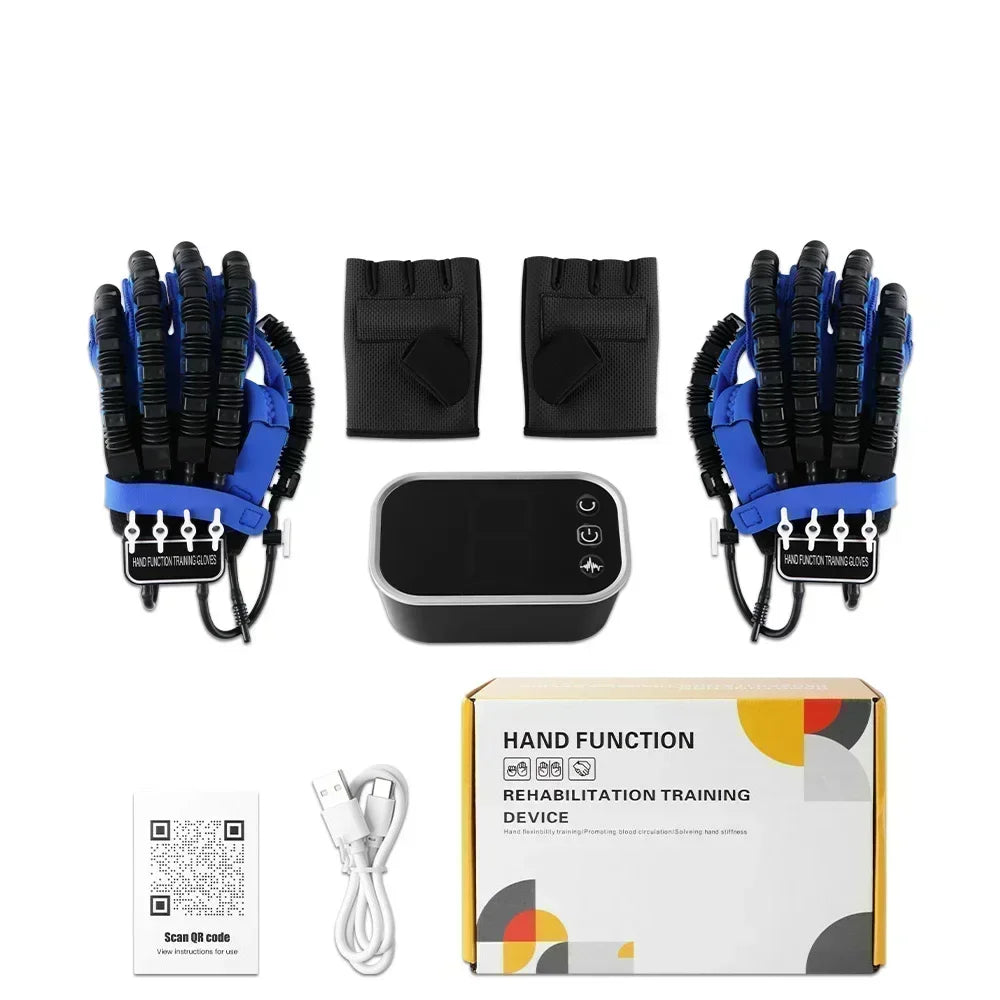
Robotic glove stroke support for daily therapy glove training 💡 See it in action
What Are Occupational Therapy Devices and How Do They Work?
Occupational therapy devices are specialized tools designed to help individuals regain movement, coordination, and independence in daily activities. These tools are widely used for stroke recovery, injury rehabilitation, and chronic conditions affecting mobility.
Key Categories of Occupational Therapy Equipment
- Hand therapy devices: Improve finger strength, grip, and dexterity
- Rehabilitation equipment: Supports arm, shoulder, and full-body recovery
- Assistive daily living tools: Help with eating, dressing, and hygiene
- Sensory and cognitive tools: Improve coordination and brain function
How Devices Support Neuroplasticity and Functional Recovery
Most physical rehabilitation devices rely on repetition and guided movement to stimulate neuroplasticity—the brain’s ability to reorganize and form new connections. Repeated motion using occupational therapy tools helps rebuild neural pathways, improving strength and coordination over time.
Best Occupational Therapy Devices by Use Case
Hand Therapy Devices for Fine Motor Skills
These occupational therapy hand equipment options focus on improving dexterity and coordination:
- Robotic therapy gloves
- Grip strengtheners
- Therapy putty
- Finger stretchers
Gross Motor & Strength Rehabilitation Equipment
Designed for larger muscle groups and movement recovery:
- Arm rehabilitation machines
- Resistance bands
- Shoulder pulleys
ADL (Daily Living) Assistive Tools
These tools improve independence in everyday tasks:
- Adaptive utensils
- Button hooks and dressing aids
- Jar openers
Cognitive & Sensory Rehabilitation Tools
Used to enhance brain function and coordination:
- Pegboards and dexterity kits
- Memory games
- Sensory stimulation tools
Top 10 Best Occupational Therapy Devices (Expert Picks)
Robotic Therapy Gloves
Advanced wearable gloves for occupational therapy assist finger movement and enable structured rehabilitation. Explore a glove for stroke patient recovery designed for home use.
Hand Exercise Balls & Grip Trainers
Simple tools that improve grip strength and endurance.
Therapy Putty Kits
Flexible resistance tools for progressive strengthening.
Finger Stretchers & Resistance Bands
Improve flexibility and reduce stiffness.
Pegboards & Dexterity Tools
Enhance fine motor coordination and precision.
Arm & Shoulder Rehab Devices
Support upper body recovery and range of motion.
Adaptive Utensils & Daily Aids
Make eating and daily tasks easier.
Mirror Therapy Boxes
Help retrain brain-hand coordination after neurological injury.
Electrical Stimulation Devices
Stimulate weak muscles to improve activation.
Home Therapy Machines
Comprehensive home therapy equipment for structured rehabilitation routines.
Comparison Table: Best Occupational Therapy Devices
| Device Type | Best For | Difficulty Level | Home Use |
|---|---|---|---|
| Robotic Gloves | Stroke recovery, paralysis | Medium | Yes |
| Grip Trainers | Strength building | Easy | Yes |
| Therapy Putty | Flexibility | Easy | Yes |
| Pegboards | Dexterity | Medium | Yes |
| Electrical Stimulators | Muscle activation | Advanced | Limited |
How to Choose the Right Occupational Therapy Equipment
Based on Condition (Stroke, Arthritis, Injury)
Stroke recovery often benefits from robotic gloves and guided movement tools, while arthritis users may prefer low-resistance options like therapy putty and adaptive aids.
Based on Recovery Stage
- Early stage: Passive and assisted devices
- Mid stage: Controlled resistance tools
- Advanced stage: Strength and coordination devices
Home vs Clinical Use
For home use, prioritize lightweight, easy-to-use rehab therapy tools that encourage consistent daily practice.
How Robotic Gloves Compare to Traditional Hand Therapy Devices
Robotic therapy gloves provide assisted movement and automated repetition, while traditional tools rely on user effort.
- Robotic devices: Ideal for severe weakness or paralysis
- Manual tools: Best for strength and flexibility
- Combined approach: Delivers optimal recovery results
Combining both types of occupational therapy tools typically produces faster and more sustainable progress.
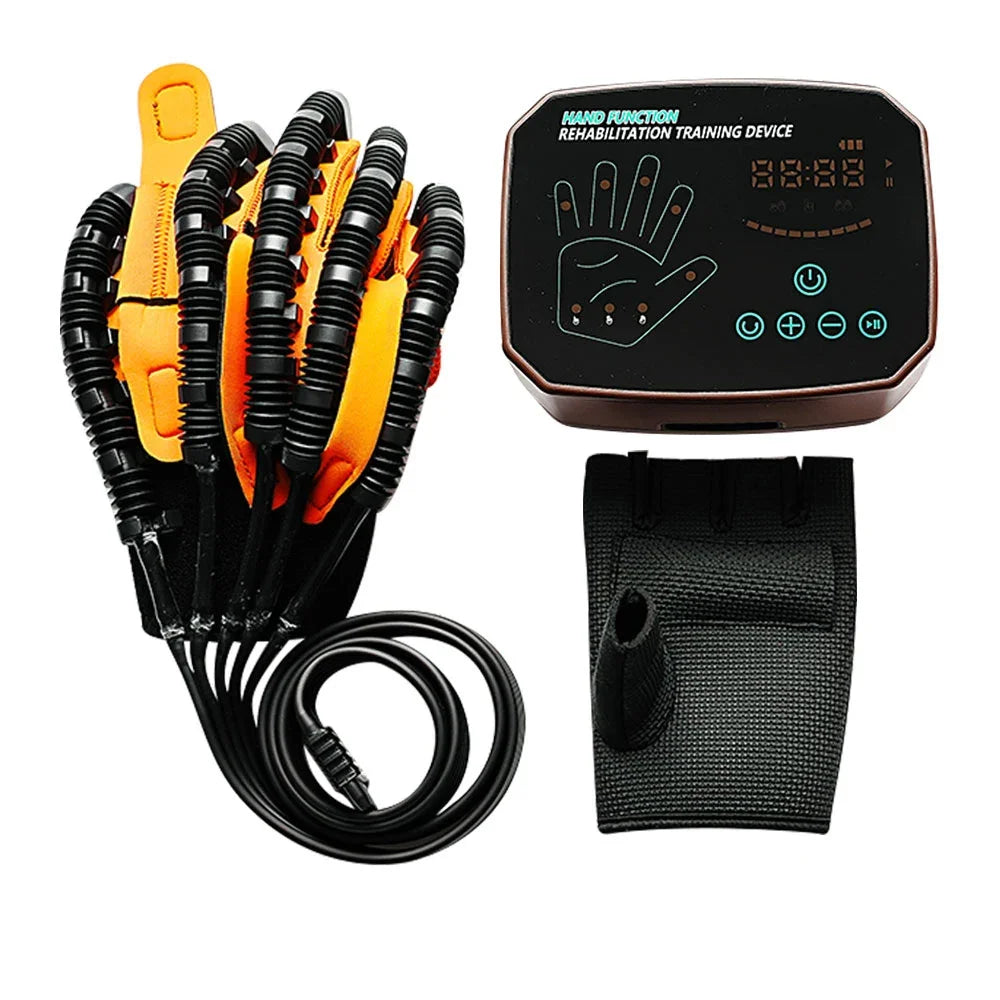
Therapy glove supporting stroke hand therapy progress 💡 See it in action
How to Use Occupational Therapy Devices at Home Safely
- Start with low resistance and short sessions
- Focus on consistent daily repetition
- Use guided devices for proper movement patterns
- Track progress weekly
- Consult a therapist if needed
Consistency matters more than intensity when using home therapy equipment.
Pros and Cons of Modern Rehabilitation Equipment
Pros
- Accelerates recovery through repetition
- Enables independent home therapy
- Improves strength, coordination, and function
Cons
- Advanced devices can be expensive
- Requires consistent use
- Some tools require proper guidance
Who Benefits Most from Occupational Therapy Devices?
- Stroke survivors with limited hand mobility
- Individuals with arthritis or joint stiffness
- Patients recovering from injuries
- Caregivers supporting home rehabilitation
Recovery is not just physical—regaining independence restores confidence and quality of life.
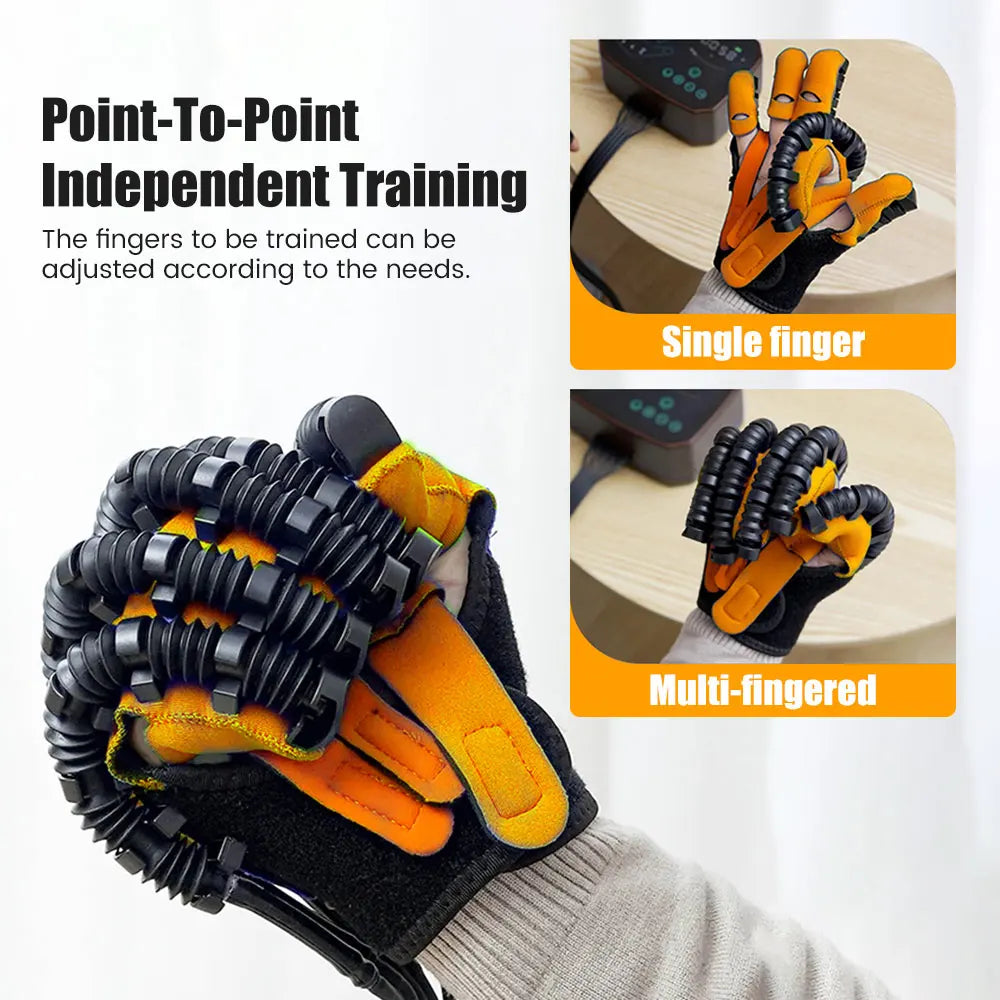
Motor recovery glove designed for effective stroke gloves training 💡 See it in action
Ready to take the next step?
👉 Get yours now — limited stock!
Frequently Asked Questions
What are the best occupational therapy devices for home use?
The best devices include robotic gloves, grip trainers, therapy putty, and adaptive tools that support consistent daily use.
Are robotic therapy gloves worth it?
Yes, especially for stroke patients or individuals with severe weakness. They provide guided movement and consistent repetition.
How long should I use therapy devices daily?
Most users benefit from 10–20 minutes once or twice daily. Consistency is key.
Can therapy devices replace professional therapy?
No, they are best used alongside professional guidance to enhance recovery.
When will I see results?
Improvements may appear within weeks, with significant progress typically seen after 1–2 months of consistent use.
Explore the full details of this best glove for hemiplegia therapy and discover how structured, assisted movement can accelerate your recovery journey.