

Does off grid heating equipment really keep cabins and RVs warm?
Yes. Off grid heating equipment can keep cabins, RVs, and remote homes comfortably warm without relying on the electrical grid when the system is properly matched to the space, climate, and insulation. Whether fueled by wood, propane, kerosene, oil, or renewable energy, modern off grid heating solutions provide dependable warmth during winter weather, extended power outages, and life in remote locations where utility service is unavailable or unreliable.
Off Grid Heating Equipment for Cabins, RVs, and Remote Homes
Off grid heating equipment gives you the freedom to stay warm wherever electricity is limited or unavailable. From an oil-burning space heater in a hunting cabin to a portable propane heater in an RV or a traditional wood stove in a remote home, today's heating systems offer reliable performance, improved fuel efficiency, and practical operation for a wide range of off-grid lifestyles. Choosing the right solution depends on your climate, available fuel sources, building insulation, heating requirements, and long-term operating costs. Understanding these factors helps you select a system that delivers dependable comfort throughout the cold season.
⏱ 7 min read
Compare the most effective heating options and discover which system best fits your cabin, RV, or remote property.
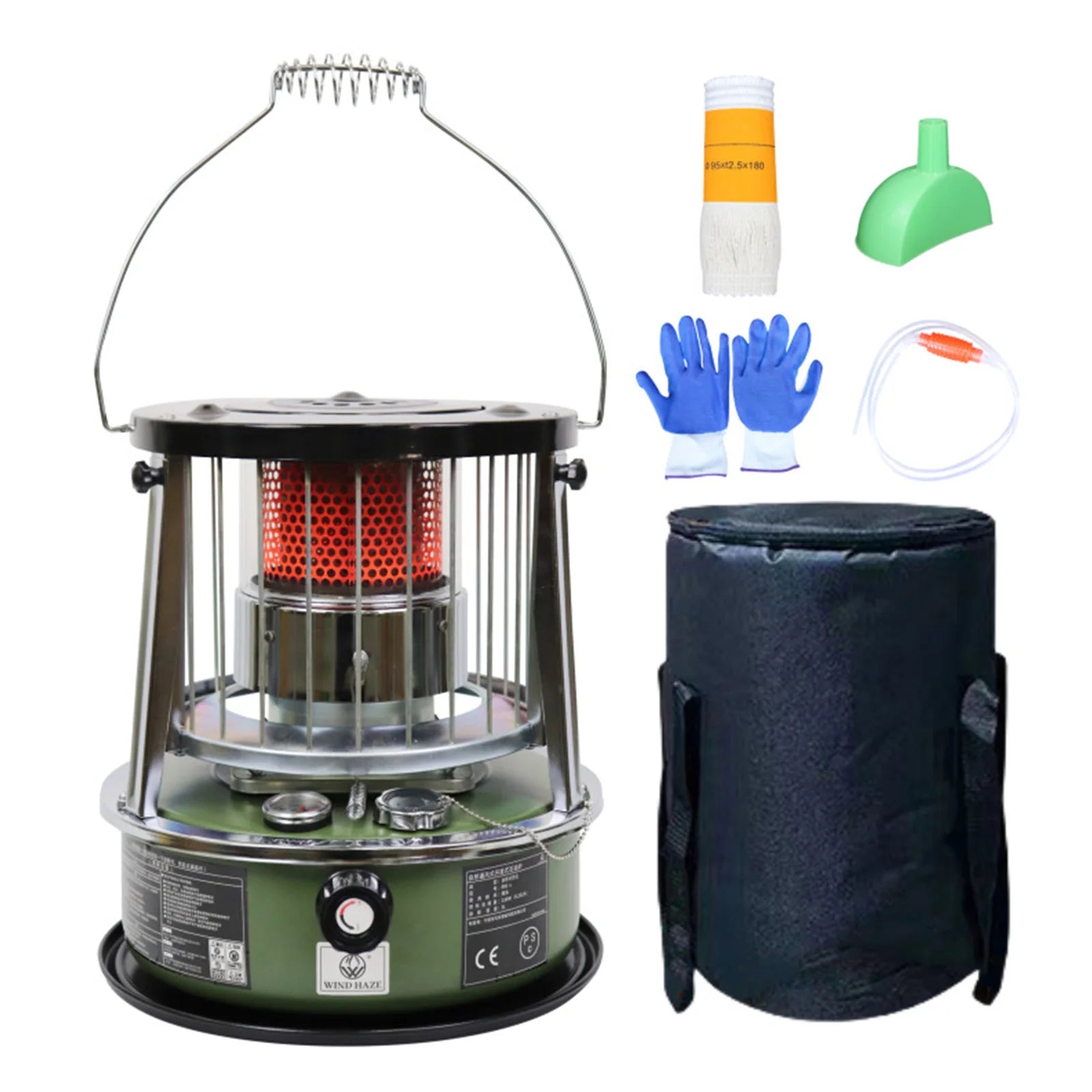
Reliable off grid heating equipment in action. See how dependable heating supports cabins, RVs, and remote homes.
What Is Off Grid Heating Equipment?
Off grid heating equipment includes heating systems designed to operate independently of the main electrical grid. Instead of relying on utility power, these systems generate heat using combustible fuels or renewable energy sources, making them ideal for cabins, off-grid homes, RVs, tiny houses, workshops, and emergency backup situations. Many options continue operating during power outages, providing an important layer of resilience in cold climates.
Common fuel and energy sources include:
- Wood: Traditional wood stoves produce substantial heat, use widely available fuel in many regions, and remain one of the most popular choices for full-time off-grid living.
- Propane: Clean-burning and easy to store, propane heaters provide consistent heat and are well suited for cabins, RVs, and seasonal properties.
- Oil: Oil-burning space heaters deliver dependable radiant heat, require no grid electricity to operate, and are simple to refuel in remote locations.
- Pellets: Pellet stoves offer efficient combustion and automated fuel feeding, although many models require a small amount of electricity for operation.
- Solar & Electric: Solar-powered systems paired with battery storage can supplement heating needs, especially in mild climates or as part of a hybrid off-grid energy system.
Each heating option offers different advantages in terms of installation cost, fuel availability, maintenance, efficiency, and long-term ownership expenses. For example, wood stoves require regular chimney cleaning and firewood storage, while oil heaters typically involve less daily maintenance but depend on a reliable fuel supply. Evaluating your local climate, insulation quality, building size, and access to fuel helps determine which off-grid heating system provides the best balance of comfort, efficiency, and reliability.
Who Benefits Most from Heating Off Grid?
Off grid home heating is valuable for anyone who needs dependable warmth where utility power is unavailable, unreliable, or too expensive to extend. The right heating system improves comfort, protects property from freezing temperatures, and provides an added layer of resilience during severe weather or unexpected outages.
- Cabin owners: Maintain comfortable indoor temperatures during weekend trips or full winter stays without relying on grid electricity.
- RV travelers: Stay warm while camping off-grid, boondocking, or traveling through colder regions where electrical hookups are unavailable.
- Remote homeowners: Heat primary residences located beyond traditional utility infrastructure using dependable fuel-based systems.
- Tiny home owners: Maximize heating efficiency in compact living spaces with appropriately sized heaters that minimize fuel consumption.
- Emergency preparedness planners: Maintain safe indoor temperatures during extended power outages, winter storms, and other emergencies when conventional heating systems may fail.
For these users, effective heating is more than a convenience. Reliable off grid heating supports year-round livability, protects plumbing and building materials from freezing, and helps maintain a safe indoor environment throughout the heating season.
Types of Off Grid Heaters Explained
Each off-grid heating system offers distinct advantages depending on climate, fuel availability, maintenance requirements, and the size of the space being heated. Comparing the strengths and limitations of each option makes it easier to select a system that matches both your budget and long-term heating needs.
| Heater Type | Best For | Advantages | Considerations | Estimated Cost |
|---|---|---|---|---|
| Wood Stove | Cold-climate cabins and full-time off-grid homes | Excellent heat output, renewable fuel, durable construction, long burn times with quality firewood | Requires chimney installation, firewood storage, ash removal, and routine maintenance | $1,200–$4,000 |
| Propane Heater | Cabins, RVs, tiny homes, and backup heating | Fast startup, clean-burning fuel, portable options, consistent heat production | Requires safe propane storage and periodic tank refills | $300–$1,500 |
| Oil Burning Space Heater | Remote cabins and emergency heating | Reliable radiant heat, simple operation, operates without grid electricity, easy refueling | Requires proper ventilation and safe fuel handling | $200–$1,000 |
| Pellet Stove | Well-insulated homes with available electrical backup | High efficiency, automated fuel feed, cleaner combustion than traditional wood stoves | Most models require electricity to operate the auger and blower systems | $1,500–$3,500 |
| Solar & Electric Heater | Hybrid off-grid energy systems in mild climates | Quiet operation, low maintenance, renewable energy integration | Performance depends on solar production, battery capacity, and overall system design | $500–$2,500 |
No single heater is ideal for every property. Wood stoves remain a popular choice for large cabins in cold regions, while propane and oil heaters provide flexible, portable heating for seasonal cabins, RVs, and emergency use. Hybrid solar systems can supplement traditional heating but generally work best alongside another reliable heat source in areas with prolonged winter conditions.
Why Choose an Oil Burning Space Heater?
An oil burning space heater is one of the most practical heating solutions for cabins, workshops, hunting camps, and other remote properties where dependable warmth is needed without relying on grid electricity. These heaters deliver consistent radiant heat, operate independently of utility power, and are easy to transport or reposition as heating needs change.
Oil heaters are especially effective when paired with proper insulation and weather sealing, allowing them to maintain comfortable indoor temperatures while using fuel efficiently.
- Reliable Performance: Operates without household electricity, making it suitable for off-grid living and emergency backup heating.
- Efficient Heat Output: Produces steady radiant warmth that continues heating the surrounding space even after the burner cycles down.
- Simple Operation: Requires minimal routine maintenance compared with wood-burning systems, with no firewood handling or ash removal.
- Portable Design: Many compact models can be moved between cabins, garages, workshops, RVs, or seasonal shelters as needed.
- Balanced Operating Costs: Fuel prices vary by region, but oil heaters often provide an economical option for intermittent or seasonal use.
Most compact oil heaters designed for off-grid applications produce between 5,000 and 10,000 BTUs, making them well suited for insulated cabins, small homes, and medium-sized rooms. Actual heating capacity depends on outdoor temperatures, ceiling height, insulation quality, and air leakage. In many well-insulated cabins, a properly sized oil heater can comfortably heat approximately 500 to 1,000 square feet while requiring only periodic refueling during sustained winter weather.
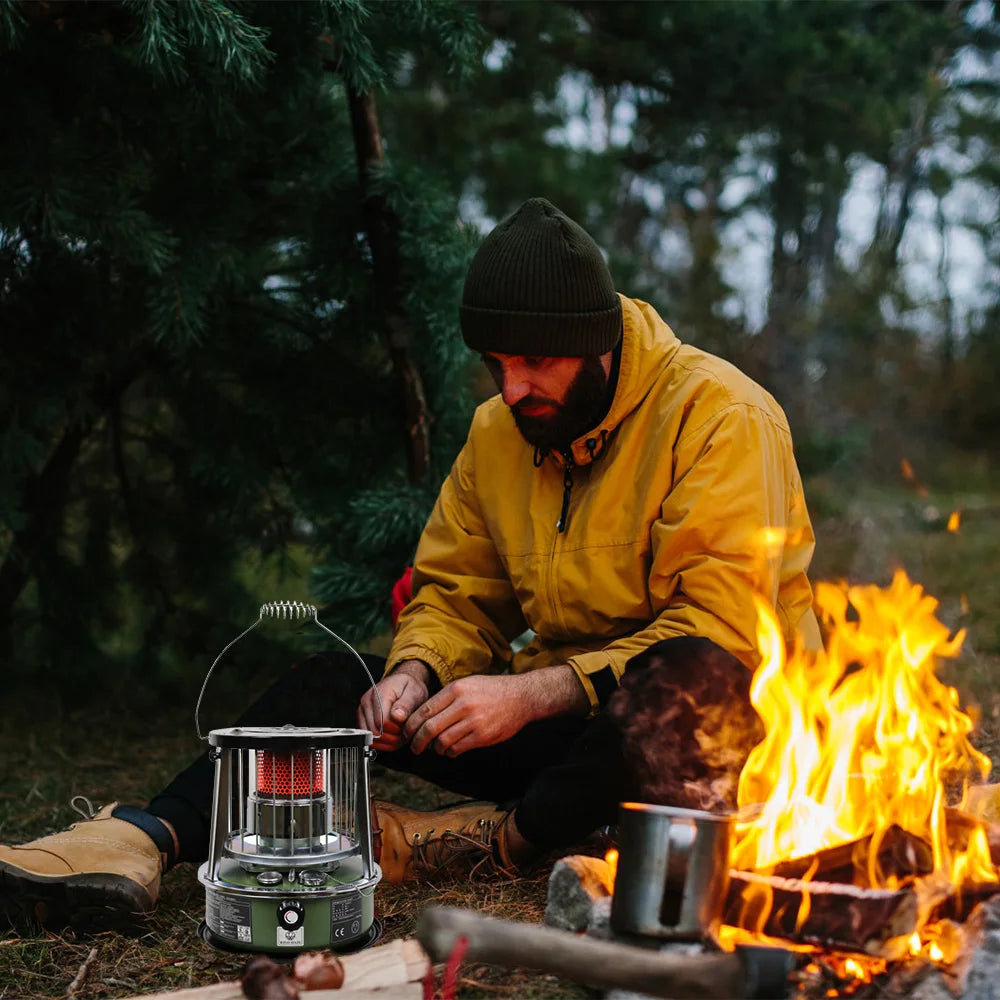
Heating off grid with confidence. See dependable oil heating in action.
For homeowners and travelers who prioritize portability, a portable kerosene heater stove offers a practical solution for cabins, RVs, workshops, and emergency preparedness kits. Its compact footprint makes it easy to transport while providing dependable heat wherever temporary or supplemental heating is required.
Step-by-Step Installation Guides for Off Grid Heating
Correct installation is essential for safe, efficient, and dependable off grid heating. While portable heaters are often straightforward to set up, permanently installed heating systems should always follow the manufacturer's instructions and any applicable local building codes. If you're unsure about venting or fuel connections, professional installation is recommended.
Wood Stove
- Choose a location with the required clearance from walls, furniture, and combustible materials.
- Install a properly sized chimney or flue with insulated components and a weatherproof chimney cap.
- Place the stove on a non-combustible hearth pad or fire-resistant flooring that extends beyond the appliance.
- Inspect all joints, seals, and chimney connections before the first fire.
Propane Heater
- Select a heater that is approved for your intended indoor or outdoor application.
- Position the unit in a well-ventilated area while maintaining the manufacturer's recommended clearances.
- Securely connect the propane cylinder or supply line and perform a leak test before use.
- Install carbon monoxide and smoke detectors nearby, and replace their batteries regularly.
Oil Heater
- Place the heater on a stable, level, non-combustible surface away from flammable materials.
- Fill and store fuel according to the manufacturer's recommendations using approved containers.
- Maintain adequate airflow around the heater and avoid blocking air intake or exhaust openings.
- Inspect the burner, fuel tank, and wick or combustion components periodically for optimal performance.
Safety, Efficiency, and Regulatory Considerations
Operating off-grid heating equipment responsibly requires more than selecting the right heater. Proper ventilation, routine maintenance, fuel handling, and compliance with local regulations all contribute to safe and efficient operation throughout the heating season.
- Ventilation and Carbon Monoxide Protection: Wood, propane, kerosene, and oil heaters that burn fuel require adequate ventilation. Install carbon monoxide and smoke detectors in accordance with local safety recommendations and test them regularly.
- Safe Fuel Storage: Store propane cylinders, kerosene, and heating oil in approved containers away from ignition sources, direct sunlight, and occupied living areas whenever possible.
- Building Codes and Permits: Some jurisdictions require permits or inspections for permanently installed wood stoves, venting systems, or fuel-burning appliances. Verify local requirements before installation.
- Routine Maintenance: Clean chimneys, inspect fuel lines, replace worn seals, and service heaters according to the manufacturer's maintenance schedule to ensure safe and reliable performance.
- Improve Heating Efficiency: Air sealing, quality insulation, insulated windows, and weatherstripping often reduce fuel consumption more effectively than simply installing a larger heater. Proper sizing also helps prevent unnecessary fuel use while maintaining comfortable indoor temperatures.
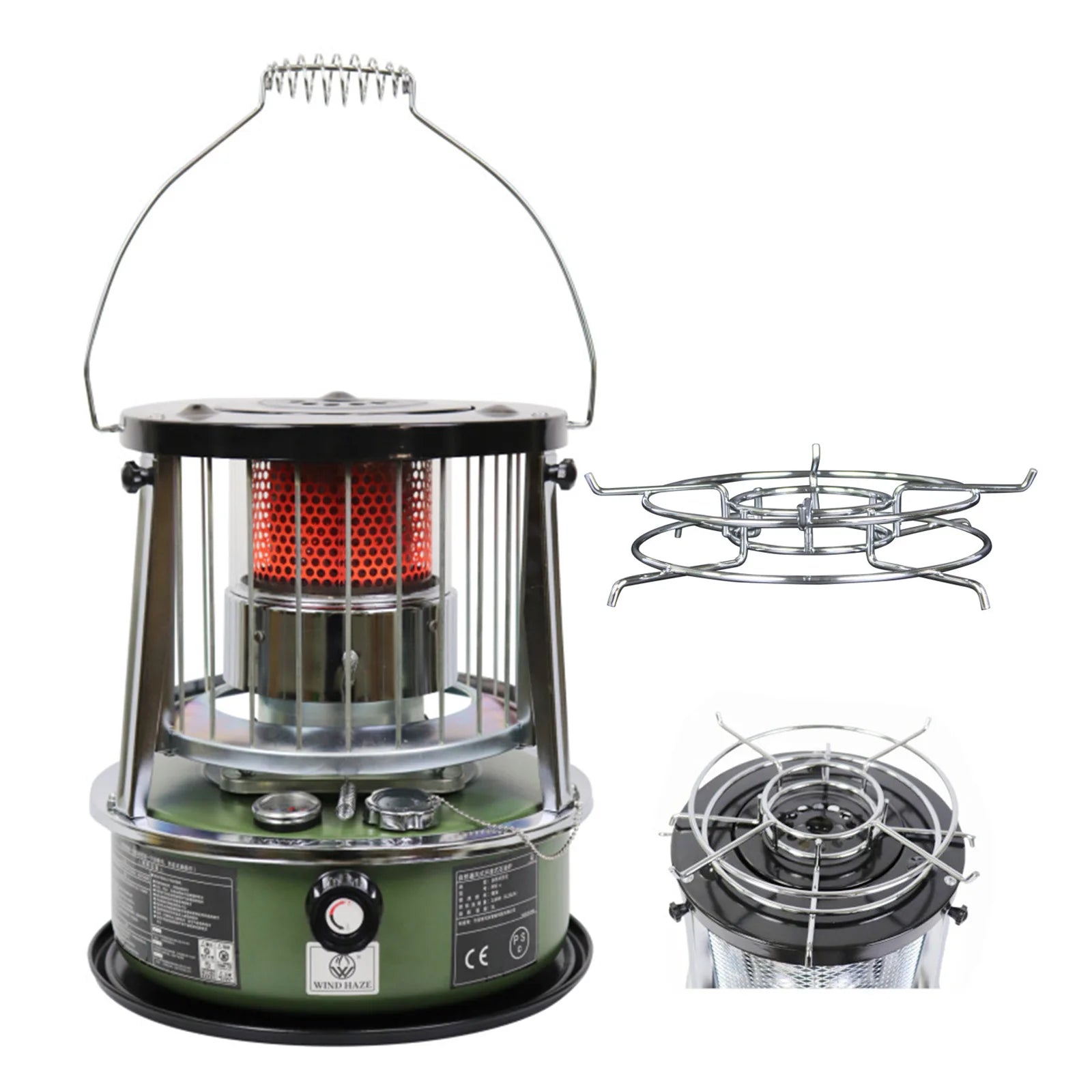
Emergency-ready off grid heating equipment prepared for reliable cold-weather performance.
Frequently Asked Questions
Is Off Grid Heating Equipment Safe for Indoor Use?
Yes, provided the heater is designed for indoor use and installed according to the manufacturer's instructions. Maintain proper ventilation where required, install carbon monoxide and smoke detectors, inspect equipment regularly, and store fuel safely to minimize risks.
Can an Off Grid Heater Warm an Entire Cabin?
It depends on the cabin's square footage, insulation quality, ceiling height, outdoor temperatures, and the heater's BTU output. A properly sized heater can effectively warm many cabins up to 1,000 square feet, while larger properties may require multiple heat sources or zoned heating.
What Fuel Is Easiest to Find for Heating Off Grid?
Propane and heating oil are widely available throughout many regions, making them convenient choices for remote properties. Firewood is an economical renewable option where local supplies are abundant, while wood pellets are readily available in many colder climates.
How Much Does Heating Off Grid Cost Each Year?
Annual heating expenses vary depending on climate, fuel prices, insulation, and heating habits. Many small, well-insulated cabins spend approximately $500–$1,500 each winter on fuel, while larger off-grid homes in colder climates may spend considerably more. Improving insulation and sealing air leaks can significantly reduce operating costs.
What Is the Most Efficient Off Grid Heating System?
There is no single best solution for every property. High-efficiency wood stoves perform exceptionally well in cold climates with readily available firewood, while oil-burning space heaters and modern propane heaters offer reliable, efficient heating for cabins, workshops, and seasonal use. The most efficient system is one that is correctly sized for the space and matched to local fuel availability.
Can Solar Power Run Electric Heating Off Grid?
Yes, but electric resistance heating requires substantial battery capacity and solar generation. Many off-grid homeowners instead use solar power for lighting and appliances while relying on wood, propane, or oil as the primary heating source during winter.
How Do I Calculate the Right Heater Size for My Cabin?
Heater sizing is typically based on the room's square footage, insulation level, ceiling height, local climate, and desired indoor temperature. A BTU calculation helps determine the appropriate heating capacity, preventing both underpowered and oversized systems that reduce efficiency.
Related Guide: Winter Storm Home Heating Solutions That Actually Keep You Warm













