

Off Grid Vehicle Heating Solutions for Winter Travel
Cold nights, icy windows, and dropping cabin temperatures can quickly turn an enjoyable winter adventure into an uncomfortable experience. Whether you're planning overnight car camping, traveling in a camper van, or spending several nights in a truck during freezing weather, a dependable heating system makes a significant difference. Modern off grid vehicle heating systems provide reliable warmth without relying on campground hookups or shore power, allowing you to camp comfortably while minimizing fuel consumption and battery drain.
Today's heating options range from compact diesel parking heaters to portable propane units and battery-powered electric heaters. Each solution offers different advantages depending on your vehicle, climate, and travel style. Understanding how these systems work helps you choose a setup that delivers safe, efficient heat throughout the night.
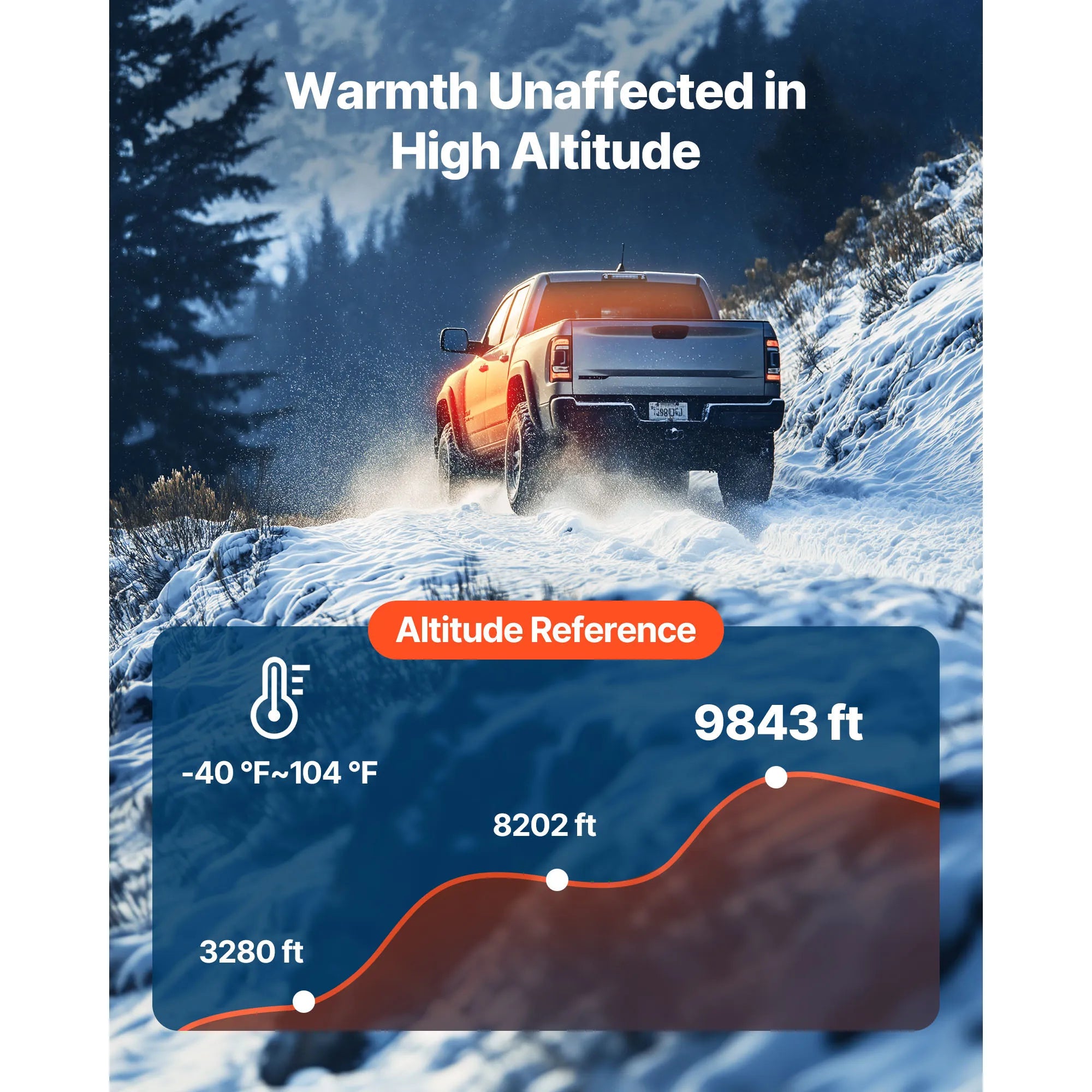
Efficient off grid vehicle heating for overnight car camping — See it in action
What Is Off Grid Vehicle Heating?
Off grid vehicle heating refers to self-contained heating systems that keep the interior of a vehicle warm without depending on campground electrical hookups or household power. These systems are designed for cars, SUVs, trucks, camper vans, and RVs used for winter travel, remote camping, and extended off-grid adventures.
The primary goal is to deliver consistent cabin heat while using as little fuel and battery power as possible. Unlike conventional portable electric heaters that rapidly deplete batteries, dedicated off grid heating for vehicles is engineered for overnight operation with predictable fuel consumption and stable temperature control.
Common Characteristics
- Operates independently of shore power or external electrical connections.
- Designed specifically for compact, enclosed vehicle interiors.
- Provides continuous heating during overnight camping and winter travel.
- Uses controlled airflow and safety features to improve comfort and reliability.
- Balances heat output with low electrical demand for extended runtime.
How Off-Grid Heating Systems Work
Most fuel-powered vehicle heaters generate heat inside a sealed combustion chamber while keeping exhaust gases completely separate from the cabin. An integrated fan then circulates clean, heated air through ducts or vents, maintaining an even temperature throughout the interior. Electric heaters, by comparison, create heat directly from battery power and therefore require substantially more electrical capacity.
- Combustion remains isolated from cabin air to reduce exposure to exhaust gases.
- Built-in fans distribute warm air evenly throughout the vehicle.
- Thermostatic controls adjust heat output automatically to conserve fuel.
- Low-power electronics minimize battery draw while maintaining steady operation.
Heat Sources, Fuel, and Power Requirements
Different heating technologies suit different travel styles. Diesel parking heaters are widely favored for extended winter camping because they combine excellent fuel efficiency with minimal battery consumption. Propane heaters offer strong heat output and portability but require careful ventilation. Electric heaters are simple to use but are generally best as supplemental heat because they consume significant battery capacity when operating off-grid.
- Diesel systems: Excellent for multi-night winter trips, long runtimes, and efficient fuel use.
- Propane systems: Good for portable heating with proper ventilation and safety precautions.
- Electric systems: Best when shore power is available or for short-duration supplemental heating.
Why Winter Vehicle Heating Matters More Than You Think
A reliable heating system is about much more than staying comfortable. Proper vehicle heating for winter travel helps protect your health, preserves your vehicle's interior, and reduces unnecessary fuel consumption. When temperatures fall below freezing, maintaining a stable cabin temperature can make overnight camping safer and far more enjoyable.
Cold Weather Risks
Without a dedicated heating solution, winter travelers commonly encounter several challenges:
- Interrupted sleep caused by freezing cabin temperatures and cold sleeping surfaces.
- Condensation on windows and interior panels that may contribute to mildew and unpleasant odors.
- Excessive fuel consumption from idling the engine solely for heat.
- Reduced comfort, muscle stiffness, and cold-related fatigue during multi-day trips.
- Additional strain on batteries and electronic equipment exposed to prolonged cold.
Comfort vs. Safety
Maintaining a comfortable interior temperature also improves safety. Better sleep leads to improved alertness for driving, while controlled heating reduces moisture buildup that can fog windows and dampen bedding. In well-insulated vehicles, an efficient heater can maintain comfortable overnight temperatures while using very little fuel or battery power.
Many travelers find that keeping the cabin above approximately 60°F provides a noticeable improvement in sleep quality while helping reduce condensation throughout the night. Modern fuel-powered heaters are designed to operate for extended periods using minimal fuel and only a small amount of electrical power.
Comparing Off Grid Heating Options
Choosing the right off grid heating system depends on your vehicle size, expected temperatures, available fuel, and how long you plan to stay off the grid. The comparison below highlights the strengths and trade-offs of the most common vehicle heating solutions.
| Heating Option | Fuel Source | Heat Output | Typical Runtime | Operating Cost | Best For | Limitations |
|---|---|---|---|---|---|---|
| Diesel Parking Heater | Diesel | High | 6–10+ hours | Low | Extended winter camping, vans, trucks, SUVs | Requires permanent installation and proper exhaust routing |
| Propane Heater | Propane | Medium | 4–6 hours | Moderate | Portable heating for shorter stays | Requires careful ventilation and carbon monoxide precautions |
| Electric Space Heater | Battery / Shore Power | Low–Medium | 1–3 hours on battery | High | Campgrounds with electrical hookups or supplemental heat | High battery consumption when used off-grid |
| Solid Fuel / Wood Stove | Wood / Pellets | Medium–High | Variable | Low | Larger camper conversions and cabins | Requires venting, additional space, and ongoing fire management |
For most winter travelers, diesel parking heaters offer the best combination of efficiency, low electrical demand, and dependable overnight performance. Propane remains a practical option for occasional trips, while electric heaters are generally most effective when external power is available.
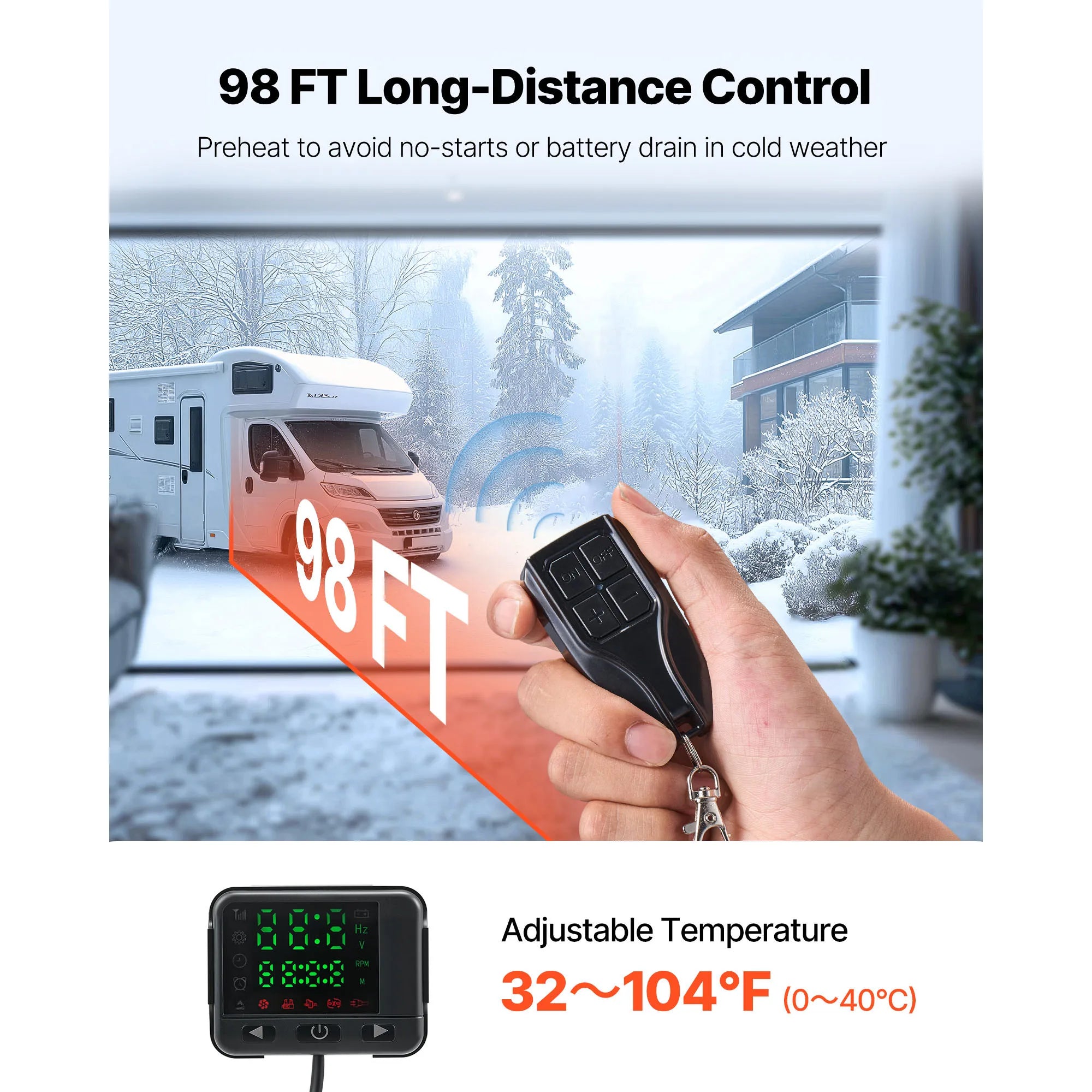
Diesel parking heater setup for truck camping in winter — See it in action
Installation and Daily Use Made Simple
Proper installation is essential for safe, efficient operation. While many off-grid heating systems are designed for experienced DIY installers, following the manufacturer's instructions and local safety regulations is critical. Correct mounting, exhaust routing, and electrical connections help maximize performance and reliability.
Installation Steps (General)
- Select a secure mounting location with adequate clearance for airflow and maintenance.
- Install fuel lines and route the exhaust system away from doors, windows, and sleeping areas.
- Connect the heater to an appropriately sized auxiliary battery and fuse protection.
- Inspect all connections, then test the thermostat, fan operation, and warm-air distribution before your first trip.
Vehicle-Specific Tips
- Vans: Use insulated ducting where possible and position warm-air outlets to circulate heat evenly throughout the living space.
- Pickup trucks: Mount the heater where airflow is unobstructed and insulate the sleeping area to improve heat retention.
- Cars and SUVs: Choose compact systems that fit limited interior space while maintaining proper ventilation and safe exhaust routing.
Routine Operation
Daily use is straightforward. Before bedtime, verify fuel levels, ensure intake and exhaust openings remain unobstructed, and set your preferred thermostat temperature. Periodically inspect the heater, clean air inlets, and check fuel and electrical connections to maintain reliable performance throughout the winter camping season.
Safety, Fuel Use, and Airflow
Safe operation is one of the most important considerations when using off grid vehicle heating overnight. Modern diesel parking heaters and other vehicle-specific heating systems are designed with sealed combustion chambers that keep exhaust gases outside the cabin. When installed and maintained correctly, they provide dependable warmth while minimizing safety risks.
Proper ventilation, routine inspections, and quality installation are just as important as selecting the right heater. A well-maintained system delivers consistent heat, improves efficiency, and helps prevent condensation inside the vehicle.
- Follow the manufacturer's installation and ventilation requirements at all times.
- Install a carbon monoxide detector inside the sleeping area and test it regularly.
- Inspect fuel lines, electrical wiring, and hose connections before extended trips.
- Keep intake and exhaust ports free from snow, mud, leaves, and other obstructions.
- Avoid operating damaged or poorly maintained heating equipment.
Safe Car Heater for Camping Checklist
- Verify that the heater is securely mounted before every trip.
- Confirm proper ventilation and safe exhaust routing.
- Install and test a carbon monoxide detector inside the cabin.
- Check fuel levels and battery voltage before going to sleep.
- Run the heater briefly to confirm stable airflow and thermostat operation.
- Keep clothing, bedding, and other flammable materials away from heater outlets and exhaust components.
- Carry a suitable fire extinguisher that is easily accessible.
Fuel efficiency remains one of the strongest advantages of dedicated off-grid heating systems. Many diesel heaters can operate throughout an entire winter night while consuming only a small amount of fuel and drawing minimal power from an auxiliary battery, making them an economical solution for extended off-grid travel.
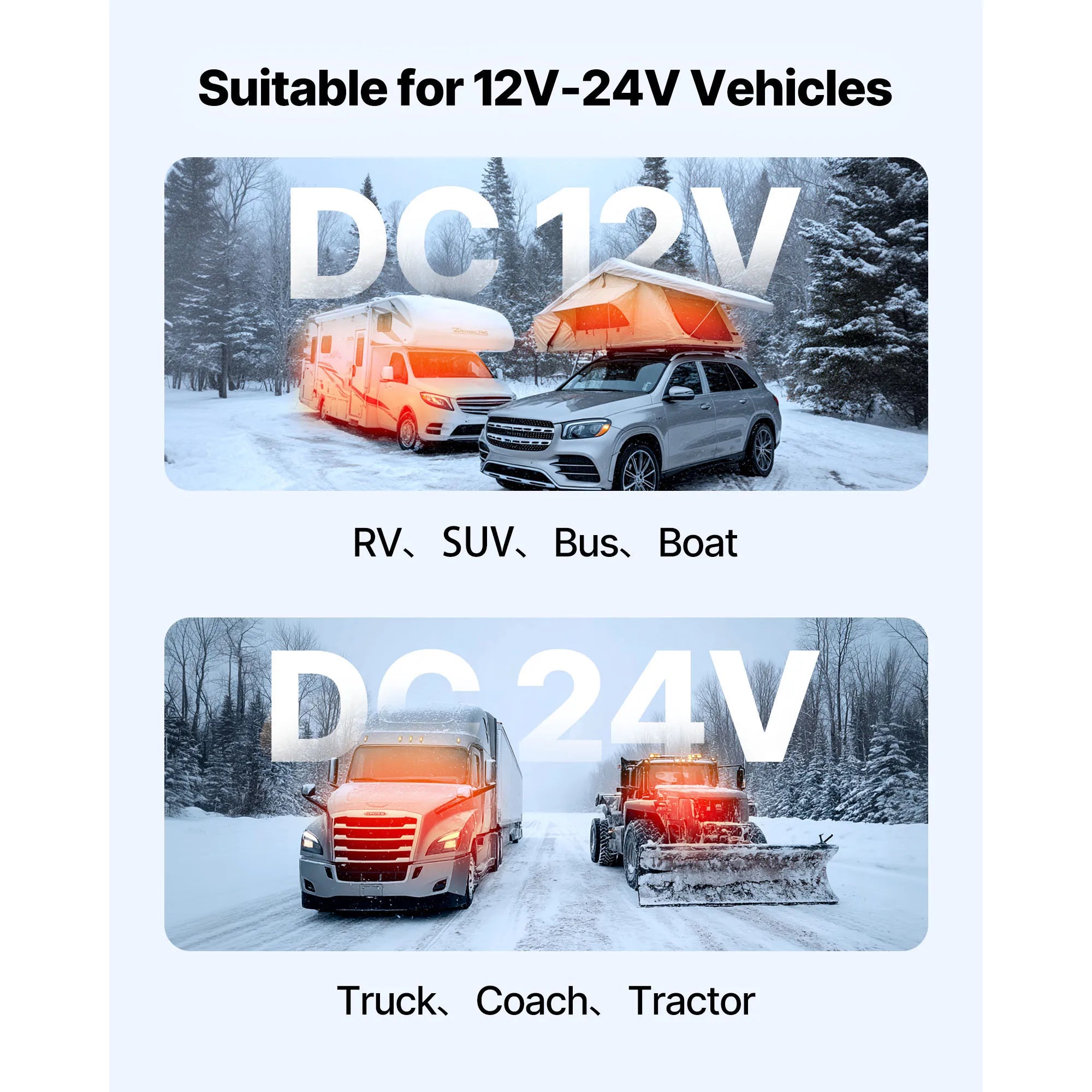
Reliable off grid vehicle heating for overnight car camping — See it in action
Off Grid Heating for Different Vehicle Types
The best off grid heating solution depends on your vehicle's size, insulation, available installation space, and the type of winter travel you plan to do. Matching the heater's output to the interior volume helps improve efficiency while avoiding unnecessary fuel consumption.
- Camper Vans: Diesel parking heaters are the preferred choice for extended off-grid travel. Pairing a ducted heating system with quality insulation delivers even temperatures and excellent overnight comfort during multi-day trips.
- Pickup Trucks: Compact diesel heaters installed beneath or behind the sleeper area provide reliable warmth. Additional insulation around the cab helps reduce heat loss and lowers overnight fuel consumption.
- Small Cars and SUVs: Compact diesel heaters are often the most efficient option for regular winter camping. Portable propane heaters may be suitable for short-term use when proper ventilation and all manufacturer safety recommendations are followed.
- RVs: Larger interiors typically benefit from higher-capacity diesel heating systems or integrated factory heating solutions designed for extended cold-weather travel.
- Practical Tip: For overnight car camping heat, an appropriately sized diesel heater can comfortably maintain interior temperatures around 65–70°F while using very little fuel. Camper van heating off grid becomes even more efficient when combined with insulated walls, thermal window covers, and controlled ventilation.
Frequently Asked Questions
Is off grid vehicle heating safe overnight?
Yes. Vehicle-specific diesel parking heaters and other professionally installed heating systems are designed for overnight operation. Safe use depends on correct installation, proper exhaust routing, regular maintenance, and a functioning carbon monoxide detector inside the vehicle.
How much fuel does a diesel parking heater use?
Most diesel parking heaters consume approximately 0.03 to 0.08 gallons (0.1 to 0.3 liters) of fuel per hour, depending on the heater size, outside temperature, insulation quality, and thermostat setting.
Can I safely sleep with a diesel parking heater running?
When the heater is designed for vehicle use, installed correctly, and maintained according to the manufacturer's recommendations, many travelers safely operate diesel parking heaters overnight. Always verify that the exhaust system is unobstructed and keep a working carbon monoxide detector inside the cabin.
Can I use a diesel parking heater in a car?
Yes. Compact diesel parking heaters can be installed in many cars, SUVs, vans, and pickup trucks, provided there is adequate space for safe mounting, fuel delivery, and exhaust routing.
What is the safest car heater for camping?
Purpose-built diesel parking heaters with sealed combustion systems are widely considered among the safest options for overnight vehicle heating because combustion occurs outside the cabin. Regardless of the heating method, proper installation and ventilation remain essential.
What battery size is needed for overnight vehicle heating?
Because diesel heaters use relatively little electricity after startup, many travelers pair them with an auxiliary deep-cycle battery. The ideal battery size depends on heater runtime, other electrical loads, and whether solar charging is available.
Does insulation reduce heater fuel consumption?
Absolutely. High-quality insulation reduces heat loss, shortens heater run times, improves comfort, and lowers overall fuel consumption throughout the night.
Which heater works best for SUVs, trucks, and camper vans?
Diesel parking heaters generally provide the best balance of efficiency, runtime, and heating performance for SUVs, trucks, and camper vans used in cold-weather camping. Selecting the proper heat output for your vehicle size ensures the most efficient operation.
With the right combination of heating, insulation, ventilation, and routine maintenance, off grid vehicle heating provides a dependable way to stay warm during winter travel while remaining independent of campground electrical hookups.













