

Best ATV Off Road Helmets: Trail vs MX vs ATV Helmet Comparison (2026 Guide)
Choosing the best ATV off road helmet is one of the most important decisions you can make before hitting the trails. The right helmet protects against impacts, improves visibility, reduces rider fatigue, and keeps you comfortable across changing terrain. Whether you ride wooded trails, technical rock sections, muddy tracks, or open desert routes, selecting the right helmet can significantly improve both safety and riding confidence.
This guide compares the best ATV helmets for different riding styles, explains the differences between trail, motocross, and ATV-specific helmets, and highlights the features that matter most when shopping in 2026.
- Best ATV helmets by riding style and budget
- Trail vs motocross vs ATV helmet comparison
- Key safety standards including DOT and ECE certification
- Practical advice for choosing the right fit, ventilation, and comfort features
⏱ 7 min read
Many riders assume every off road helmet performs the same, but helmet design varies considerably depending on riding conditions. The right off road racing helmet or DOT approved motocross helmet can improve airflow, reduce neck fatigue, and provide the level of protection needed for your typical terrain.
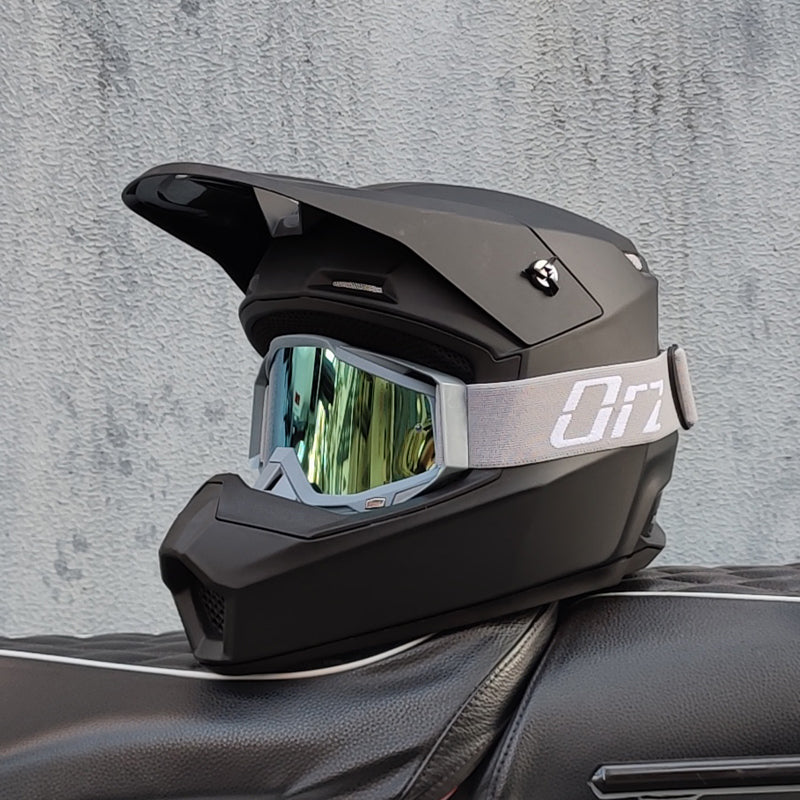
Trail-ready off roading helmet with balanced airflow and comfort. See it in action.
Best ATV Helmets 2026: Top Picks Compared by Riding Style
The best ATV helmets of 2026 balance protection, weight, ventilation, and value. Rather than focusing on a single model, it's more useful to match helmet features to your riding style and environment.
Best Overall ATV Helmet
A versatile ATV off road helmet that performs well across trails, utility riding, and recreational adventures. It offers an excellent balance of protection, ventilation, and long-distance comfort.
- Lightweight shell construction minimizes rider fatigue
- Efficient airflow with multiple intake and exhaust vents
- DOT or ECE certified for dependable impact protection
- Suitable for beginners and experienced riders alike
Best Budget ATV Helmet
An excellent choice for new riders seeking dependable protection without a premium price. Budget-friendly helmets today often include features once reserved for higher-end models.
- Affordable pricing
- Comfortable removable liner
- Basic but effective ventilation
- DOT approved for safety compliance
Best Premium Lightweight Helmet
Designed for riders spending long days on challenging terrain, premium lightweight helmets reduce neck strain while maximizing airflow and impact management.
- Carbon fiber or advanced composite shell
- Superior ventilation for hot-weather riding
- Enhanced impact absorption technology
- Premium interior materials with moisture-wicking comfort
Best Trail Riding Helmet
Trail riders benefit from helmets that remain comfortable for hours while maintaining excellent visibility through forests, hills, and changing terrain.
- Wide field of vision
- Moisture-wicking interior padding
- Balanced ventilation at varying speeds
- Lightweight construction for reduced fatigue
Best Helmet for Mud & Wet Conditions
Frequent mud, rain, and debris require helmets designed to keep vision clear and interiors easy to maintain.
- Extended visor helps deflect mud and water
- Compatible with anti-fog goggles
- Removable, washable comfort liner
- Durable exterior finish for easier cleaning
Best ATV Helmet for Beginners
New riders should prioritize comfort, fit, and certified protection over premium materials or racing-focused features.
- Simple sizing and secure fit system
- Reliable protection for recreational riding
- Comfortable interior padding
- Excellent value for everyday use
Trail vs MX vs ATV Helmets: Which Type Should You Choose?
Although many off-road helmets share a similar appearance, each category is designed around different riding conditions. Understanding how trail, motocross, and ATV helmets differ makes it easier to choose equipment that matches your terrain, riding style, and comfort expectations.
Trail vs MX Helmet
Trail helmets are designed for extended rides where comfort, balanced ventilation, and reduced fatigue are priorities. They typically use lightweight shells, generous eye ports, and airflow systems that remain effective at both slow and moderate speeds.
Motocross helmets, by comparison, are built for aggressive riding, competitive racing, and repeated high-impact scenarios. They often feature more rigid shell construction, larger intake vents for high-speed airflow, and aerodynamic designs intended for jumps, rapid acceleration, and technical tracks.
| Feature | Trail Helmet | Motocross Helmet |
|---|---|---|
| Primary Use | Long recreational rides | Racing and motocross tracks |
| Weight | Typically lighter | Moderate to slightly heavier |
| Comfort | Excellent for extended wear | Optimized for performance riding |
| Ventilation | Balanced across varying speeds | Maximum airflow during aggressive riding |
Dirt Bike vs ATV Helmet
Dirt bike helmets are engineered primarily for standing riding positions, frequent body movement, and rapid acceleration over jumps or rough terrain. ATV helmets, while visually similar, are often selected for recreational riders who spend more time seated and require a balance of protection, stability, and all-day comfort.
For riders who alternate between trail riding, utility work, and recreational adventures, an ATV off road helmet often provides the most versatile solution.
Motocross vs ATV Helmet
Motocross helmets prioritize maximum impact management and airflow for competitive riding, while ATV helmets emphasize versatility across changing terrain. Riders who regularly encounter mud, gravel, wooded trails, and open terrain often appreciate the additional comfort and balanced design of ATV-specific helmets.
- Choose a motocross helmet if: you ride tracks, race frequently, or perform jumps.
- Choose an ATV helmet if: you ride mixed terrain, explore trails, or enjoy recreational weekend riding.
Off Road vs Street Helmet Difference
Off road helmets differ from street helmets in several important ways. They feature extended chin guards for improved airflow, adjustable peak visors that reduce sun glare and flying debris, and larger eye openings designed to accommodate off-road goggles.
Street helmets, in contrast, prioritize aerodynamic efficiency, reduced wind noise, and weather protection for continuous highway speeds. While both styles may meet the same safety certifications, each is engineered for a different riding environment.
Quick Comparison Table: Best ATV Helmets 2026
| Helmet Type | Best Use | Typical Weight | Common Certifications | Ventilation | Value |
|---|---|---|---|---|---|
| Trail Helmet | Long-distance trails and mixed terrain | Light | DOT / ECE | High | Excellent for recreational riders |
| Motocross Helmet | Racing and jumps | Medium | DOT / ECE / Snell | Very High | Best for performance-focused riders |
| ATV Helmet | All-purpose off-road riding | Medium | DOT / ECE | Medium-High | Outstanding all-around choice |
This comparison provides a quick overview, but the best helmet ultimately depends on your riding frequency, terrain, climate, and personal comfort preferences rather than a single specification.
Helmet performance depends on more than shell shape alone. Materials, ventilation design, interior comfort, and safety certification all influence how well an ATV helmet performs over time. Evaluating helmets using consistent criteria helps riders compare options more objectively before making a purchase.
How We Tested and Selected These ATV Helmets
Testing Criteria
Each helmet category was evaluated using the factors that matter most to recreational riders and enthusiasts. Instead of focusing on one brand, the comparison emphasizes features that consistently improve safety and overall riding experience.
- Current DOT or ECE certification
- Shell construction and impact management
- Weight for reduced rider fatigue
- Ventilation efficiency in varying weather conditions
- Overall build quality and durability
Comfort and Fit
A helmet should fit snugly without creating pressure points. Premium padding, moisture-wicking liners, and balanced weight distribution help improve comfort during extended rides across uneven terrain.
Ventilation Performance
Effective intake and exhaust vents keep air moving through the helmet while helping reduce heat buildup. Riders in warmer climates generally benefit from larger vent channels, while adjustable vents provide added versatility for changing conditions.
Value for Money
The best value isn't always the lowest price. Helmets that combine certified protection, quality construction, replaceable liners, and long-term durability often provide better ownership value than inexpensive models requiring earlier replacement.
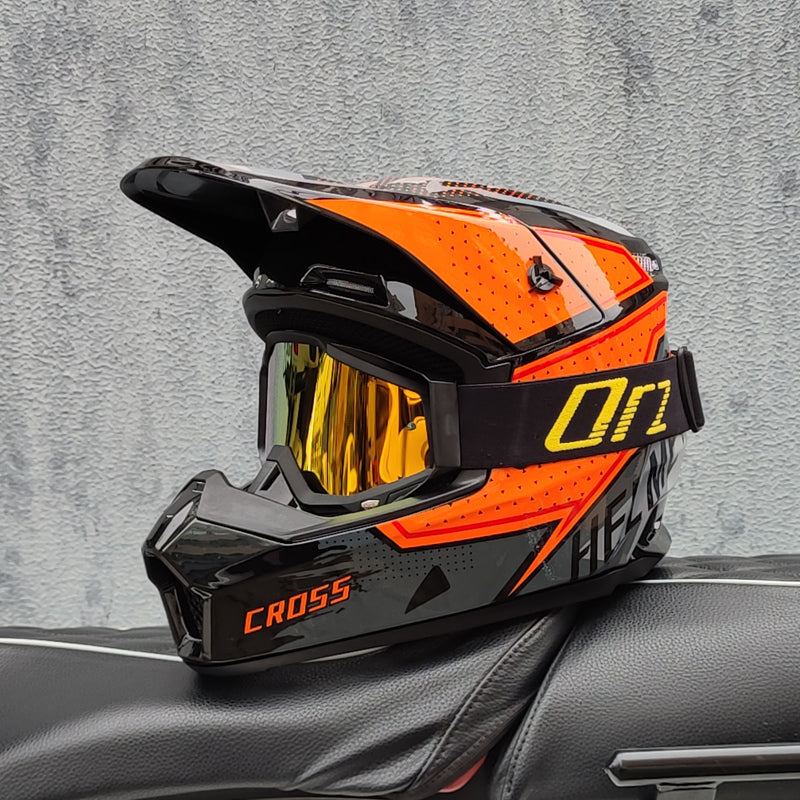
A quality off-road helmet combines protection, ventilation, and comfort for confident riding in demanding conditions.
Performance-oriented riders who prefer full-face protection often choose a full-face motorcycle helmet style that delivers excellent coverage while remaining suitable for many off-road environments.
Safety Standards Explained: DOT vs ECE vs Snell
Helmet certifications help riders compare products using recognized safety benchmarks. While every certification has its own testing protocol, choosing a certified ATV off road helmet is far more important than selecting a helmet based solely on appearance or price.
DOT Certification
DOT (Department of Transportation) certification is the minimum legal requirement for motorcycle helmets sold for on-road use in the United States. A DOT approved off road helmet has passed testing for impact absorption, penetration resistance, and retention system strength.
- Widely available across entry-level and premium helmets
- Meets U.S. federal safety requirements
- Suitable for recreational ATV riding when properly fitted
ECE 22.06
ECE 22.06 is one of the most rigorous international helmet standards currently available. Compared with older certification methods, it includes more comprehensive testing across multiple impact locations, rotational scenarios, and accessory configurations.
- Extensive multi-impact testing
- Recognized throughout many international markets
- Popular among premium off-road helmet manufacturers
Snell Ratings
Snell certification is commonly found on helmets intended for racing and other demanding riding environments. Its testing procedures place additional emphasis on high-energy impacts and repeated performance under challenging conditions.
- Frequently selected by competitive riders
- Typically found on premium helmet models
- Excellent option for motocross and aggressive off-road use
Which Certification Matters Most?
For most recreational ATV riders, a properly fitting DOT-certified helmet offers dependable protection. Riders who frequently tackle technical terrain, ride at higher speeds, or participate in organized competition may prefer helmets carrying both DOT and ECE certification or additional Snell certification for greater confidence.
Regardless of certification, replacing a damaged helmet and ensuring the correct fit remain just as important as the testing standard printed on the shell.
After long rides, many riders complement their protective equipment with recovery products from the Body Care and Health Devices collection to help reduce muscle fatigue and improve post-ride comfort.
How to Choose the Right ATV Helmet
Helmet Types
Choose a helmet that matches how and where you ride. Full-face helmets provide excellent all-around protection, motocross helmets maximize ventilation for aggressive riding, and hybrid designs offer a balance between comfort and versatility for mixed terrain.
Fit & Sizing
A properly fitted ATV off road helmet should feel snug around the entire head without creating painful pressure points. It should not shift when you shake your head, and the cheek pads should make firm but comfortable contact with your face. Always measure your head circumference and compare it with the manufacturer's sizing chart before purchasing.
Ventilation
Well-designed ventilation keeps riders comfortable by reducing heat and moisture buildup. Multiple intake and exhaust vents, washable moisture-wicking liners, and adjustable airflow systems are particularly valuable for warm-weather riding.
Weight
Helmet weight directly affects comfort during long rides. Lightweight composite or carbon fiber shells reduce neck fatigue, while quality polycarbonate helmets often provide an excellent balance between durability and affordability.
Visor & Goggle Compatibility
If you regularly ride in dusty, muddy, or wooded environments, ensure your helmet provides enough eye-port space for off-road goggles. Adjustable visors also help reduce glare while shielding your face from branches, stones, and flying debris.
Replacement Schedule
Most manufacturers recommend replacing a helmet every five to seven years under normal use, or immediately after any significant impact. Even if no visible damage exists, the internal energy-absorbing liner may no longer provide its intended level of protection.
- Match the helmet to your primary riding terrain.
- Choose a model with current DOT or ECE certification.
- Prioritize proper fit before additional features.
- Compare ventilation, weight, and comfort for longer rides.
- Replace helmets promptly after crashes or severe impacts.
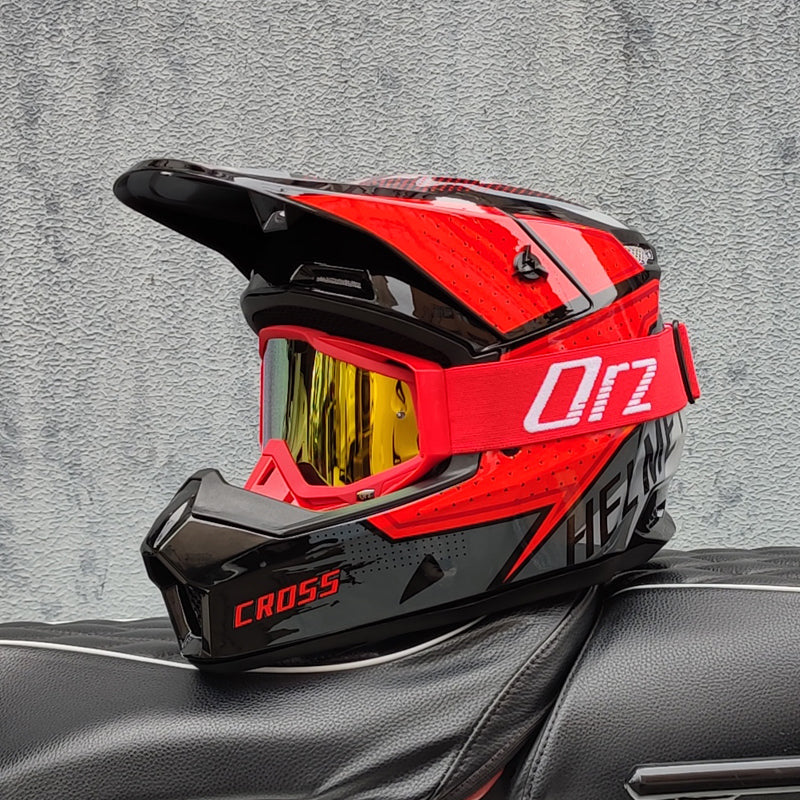
Choosing the right off roading helmet improves comfort, confidence, and protection on every ride.
Frequently Asked Questions
Are DOT approved off road helmets safe enough?
Yes. DOT certification confirms that a helmet meets U.S. safety requirements for impact protection and retention. Helmets carrying both DOT and ECE certifications generally undergo more comprehensive testing and are an excellent choice for riders seeking additional confidence.
What is the best helmet type for ATV riding?
For most recreational riders, an ATV-specific or motocross-style helmet offers the best combination of protection, visibility, ventilation, and comfort across a variety of off-road terrain.
Can you wear a motocross helmet on an ATV?
Yes. Motocross helmets are widely used by ATV riders because they provide excellent airflow, extended chin protection, and compatibility with off-road goggles.
What is the difference between a dirt bike and ATV helmet?
Both provide similar protection, but ATV riders often prefer helmets that emphasize all-day comfort and versatility for changing terrain, while dirt bike riders frequently prioritize performance for racing and aggressive riding.
Which ATV helmet is best for trail riding?
A lightweight helmet with balanced ventilation, a comfortable liner, and a wide field of vision is generally the best option for long trail rides.
Should ATV helmets be replaced after a crash?
Yes. Even if exterior damage appears minor, the impact-absorbing liner may have been compromised. Replacing the helmet helps ensure it can continue to provide maximum protection.
How do I know if my ATV helmet fits correctly?
A properly fitting helmet feels snug without causing discomfort. It should not rotate freely, lift easily from the head, or create excessive pressure points after several minutes of wear.
Do ATV helmets come with MIPS or other rotational impact protection?
Some premium ATV and motocross helmets include technologies such as MIPS or proprietary rotational impact management systems designed to help reduce certain rotational forces during angled impacts. Availability varies by manufacturer and model.
Related Guide: DOT Approved Motorcycle Helmet: Best Picks Compared













