

Gel vs Memory Foam Seat Cushion: Which Is Better for Comfort, Cooling, and Support?
Choosing between a gel vs memory foam seat cushion can significantly affect your comfort during long hours of sitting. Both materials are designed to improve posture, reduce pressure on the tailbone, and make office chairs or car seats more ergonomic—but they achieve these benefits in very different ways.
Gel cushions focus on cooling and weight distribution through flexible gel grids, while memory foam cushions contour to the body to relieve pressure points. Understanding how each material works can help you decide which type of office chair cushion ergonomic design will work best for your needs.
This guide compares gel seat cushion vs memory foam designs across comfort, cooling, durability, and real-world use cases like office work, driving, and tailbone pain relief.
Is a Gel or Memory Foam Seat Cushion Better?
The better seat cushion depends on what type of comfort you need. Memory foam cushions excel at pressure relief and body contouring, while gel cushions provide superior airflow and temperature regulation.
- Memory foam seat cushions are best for pressure relief, tailbone support, and long hours of sitting.
- Gel seat cushions are better for hot environments because they stay cooler and maintain airflow.
- Hybrid gel memory foam seat cushions combine both materials to balance support and cooling.
For office workers or drivers who sit for many hours, memory foam often provides deeper ergonomic support. However, people who overheat easily or work in warm environments may prefer gel cushions.
⏱ Reading time: 7 min
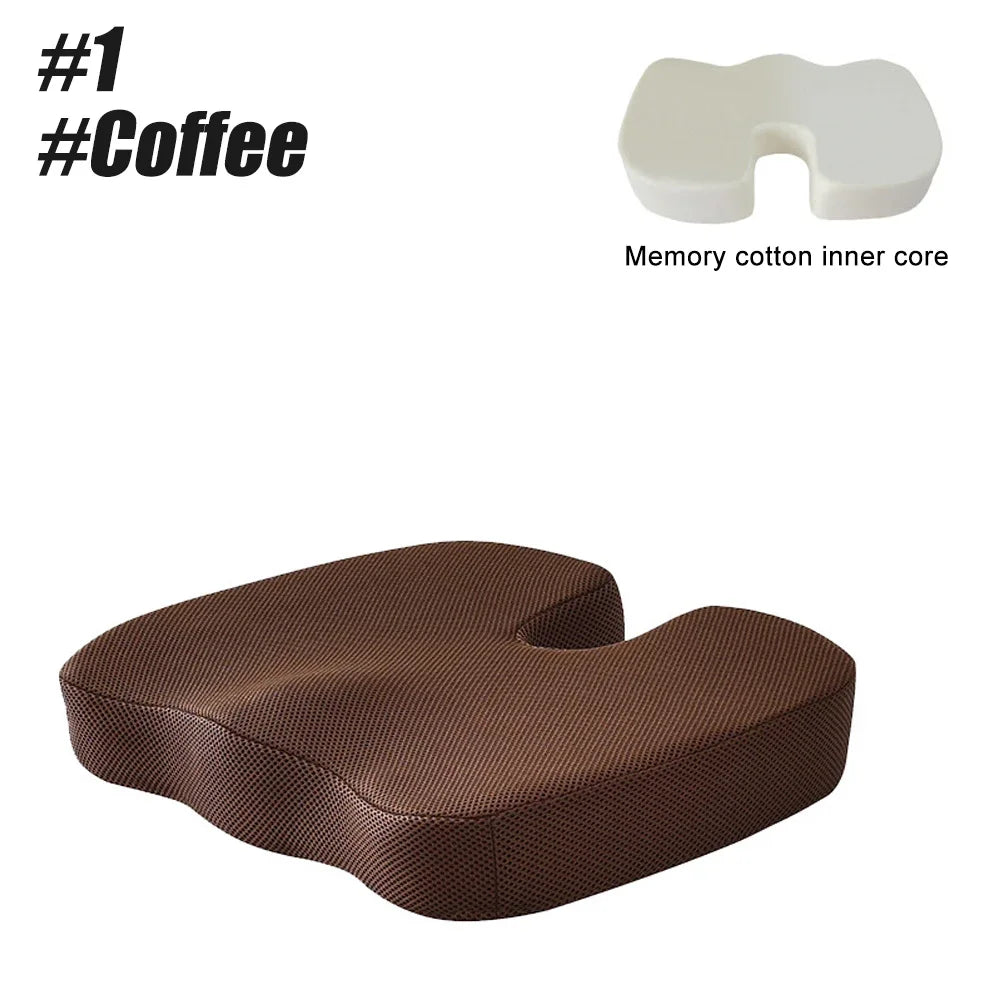
💡 Office chair cushion memory foam — discover lasting ergonomic comfort.
Why Choosing the Right Cushion Matters
If you’ve ever ended a workday with an aching back or numb legs, your chair isn’t entirely to blame—your seat cushion plays a major role in pressure distribution and posture.
The question is simple: do you need the contouring support of memory foam, or the cooling airflow of a gel seat cushion?
Quick Comparison: Gel vs Memory Foam Seat Cushion
| Feature | Gel Seat Cushion | Memory Foam Seat Cushion |
|---|---|---|
| Pressure Relief | Moderate support through flexible gel grids | Excellent contouring that adapts to body shape |
| Cooling | Very breathable and temperature-neutral | Can retain heat without ventilation layers |
| Comfort for Long Sitting | Good for short to medium sessions | Better for extended sitting sessions |
| Durability | Maintains shape well | May soften slightly over time |
| Weight Distribution | Spreads pressure evenly across the seat | Contours directly to hips and thighs |
| Best Use Case | Hot climates or commuting | Office work or tailbone pain relief |
How Gel and Memory Foam Seat Cushions Actually Work
Although both cushion types aim to improve sitting comfort, they rely on different material structures to distribute weight and reduce pressure.
Memory Foam Structure and Pressure Relief
Memory foam is a viscoelastic material that softens under body heat and pressure. When you sit on it, the foam gradually molds to your body shape, spreading weight across a larger surface area.
This contouring effect reduces pressure on sensitive areas like the tailbone and hips. Because of this ability to adapt to the body, memory foam cushions are often recommended for people who experience discomfort during long periods of sitting.
Gel Cushion Design and Cooling Structure
Gel seat cushions typically use a flexible grid or honeycomb design made from elastic gel material. The grid compresses where pressure is applied while maintaining open air channels between the cells.
This design allows air to circulate through the cushion, which helps prevent heat buildup. Instead of contouring closely to the body like foam, gel cushions focus on distributing weight evenly while maintaining airflow.
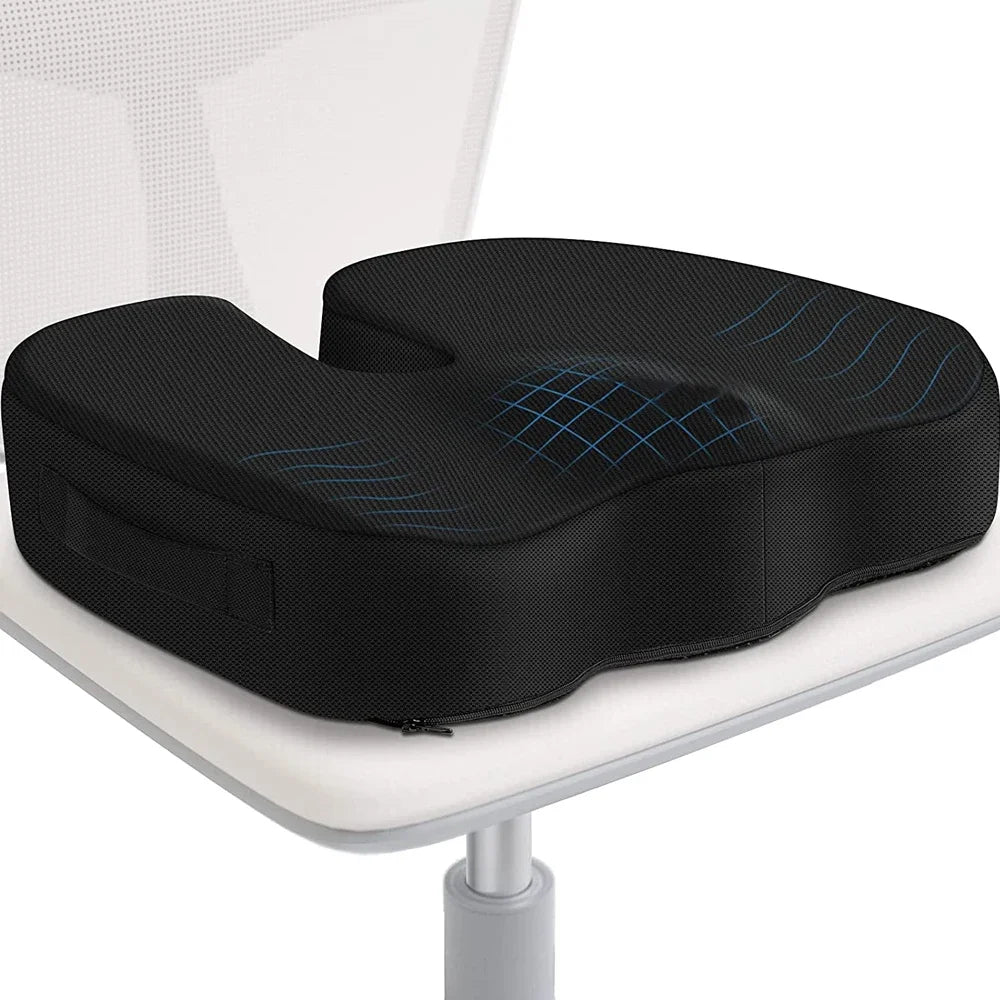
💡 Gel memory foam seat cushion vs memory foam — side-by-side comfort.
Key Differences: Gel vs Memory Foam Seat Cushion
Pressure Relief and Weight Distribution
Memory foam cushions excel at pressure relief because they contour closely to the body's shape. This reduces concentrated pressure on the tailbone and hips, which can help prevent numbness or soreness after long periods of sitting.
Gel cushions distribute weight differently. Instead of molding around the body, the gel grid spreads pressure across the seat. This can feel firmer but still reduces pressure points.
Cooling and Heat Dissipation
One of the biggest differences between gel seat cushion vs memory foam designs is temperature regulation. Gel cushions remain cooler because their open structure allows air to circulate.
Memory foam tends to retain heat unless it includes ventilation channels or a breathable cover. Some modern cushions include cooling gel layers to address this issue.
Durability and Long-Term Comfort
Gel cushions generally maintain their structure for longer periods because the elastic material rebounds quickly after compression. Memory foam, while very comfortable initially, may gradually soften after years of heavy use.
However, high-density memory foam cushions can still provide long-term comfort and are widely used in ergonomic office seating accessories.
Which Cushion Is Best for Different Situations?
Best for Office Work and Long Sitting
Memory foam cushions are often the preferred option for office workers who sit for extended periods. The contouring foam supports the hips and tailbone, helping maintain a comfortable seated posture throughout the day.
Best for Driving or Commuting
Drivers and commuters may prefer gel cushions because they stay cooler during long trips. The breathable grid design helps reduce heat buildup, especially in warmer environments.
Best for Tailbone Pain or Sciatica
People experiencing tailbone pain or sciatica usually benefit more from memory foam cushions. The material distributes pressure away from sensitive areas and adapts to the body’s natural curves.
Real Comfort Tests: Which Lasts Longer?
When tested over 8 hours of continuous use, memory foam cushions typically maintain deeper support and reduce pressure buildup around the hips and tailbone.
Gel cushions often feel cooler at the beginning of a sitting session, but some users report slightly firmer support after several hours compared with contouring foam.
Hybrid Cushions: Gel + Memory Foam Designs
Many modern seat cushions combine gel and memory foam to balance comfort and cooling. These hybrid designs typically use a memory foam base for pressure relief and a gel layer on top for airflow.
This combination allows the cushion to contour to the body while reducing heat buildup. For people who want both ergonomic support and cooling, a gel memory foam seat cushion may offer the best balance.
Which Seat Cushion Should You Choose?
If you’re deciding between seat cushion gel or memory foam options, consider your main comfort priorities.
- Choose memory foam if you want maximum pressure relief and ergonomic support.
- Choose gel cushions if cooling and airflow are your top priorities.
- Choose a hybrid gel memory foam cushion if you want both support and cooling.
Ultimately, the best seat cushion depends on how long you sit, the environment you work in, and whether you need additional pressure relief for the hips or tailbone.

💡 Office chair cushion ergonomic design — perfect for back pain relief.
Frequently Asked Questions About Gel vs Memory Foam Seat Cushions
Are gel seat cushions cooler than memory foam?
Yes. Gel cushions typically stay cooler because their grid structure allows air to circulate. Memory foam can retain heat unless it includes ventilation or cooling gel layers.
Which cushion is better for tailbone pain?
Memory foam cushions are usually better for tailbone pain because they contour to the body and distribute pressure away from sensitive areas.
Do gel cushions last longer than memory foam?
Gel cushions often maintain their shape longer, but high-density memory foam can still provide durable support for several years.
Can you use these cushions for car seats?
Yes. Both gel and memory foam seat cushions are commonly used on car seats to improve comfort during long drives.
Pillar Article: Best Memory Foam Seat Cushion for Chair: 2025 Buyer’s Comparison
Other Related Articles:
- Cushion for Desk Chair Comparisons: Stop Guessing, Start Sitting Better
- Tailbone Coccyx Cushion Reviews: Which One Actually Helps Pain Fast?
- Memory Foam Seat Cushion Reviews: Stop Buying Before You Read This
- Car Memory Foam Seat Cushion Showdown: Comfort You Didn’t Expect
Explore More:













