

What Is a Gas Heater for Camping and Is It Worth It?
A gas heater for camping is a portable heating appliance powered by propane or butane that delivers dependable warmth without requiring electricity. Whether you're camping in late autumn, winter, or at high elevations, a quality camping gas heater provides fast heat, reliable cold-weather performance, and greater comfort than relying solely on sleeping bags or campfires.
For most campers, a portable outdoor gas heater is worth the investment because it:
- Produces instant heat in freezing conditions
- Operates independently of electrical hookups
- Helps maintain comfort during early mornings and evenings
- Extends the camping season into colder months
- Works reliably when propane is used in low temperatures
However, gas heaters should always be used according to the manufacturer's instructions. They are best suited for outdoor use or well-ventilated shelters equipped with appropriate safety features, and they should never replace proper cold-weather camping preparation.
Outdoor Gas Heater for Camping (2026): Best Portable Options, Safety & Buying Guide
Cold camping can quickly become uncomfortable without dependable heat. Numb fingers, restless nights, and reduced energy make even simple campsite tasks more difficult. The right outdoor gas heater for camping provides fast, consistent warmth that helps you stay comfortable, prepare meals more easily, and enjoy longer adventures when temperatures drop well below freezing.
In this guide, you'll learn how to choose the best camping gas heater, compare leading portable models, understand BTU ratings, and use your heater safely in real outdoor conditions.
⏱ 7 min read
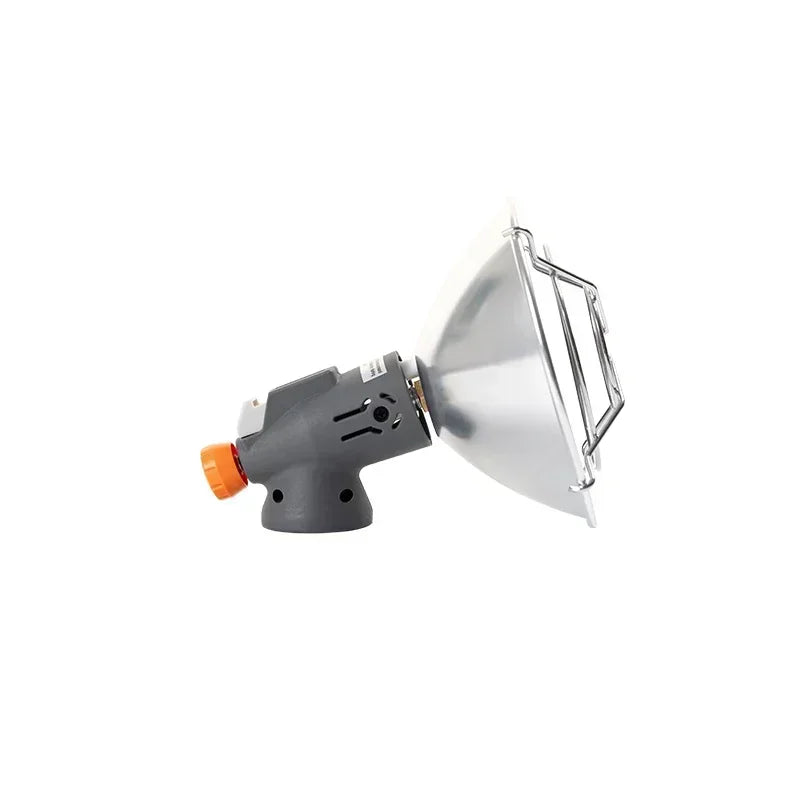
Outdoor gas heaters built for camping in cold weather — See it in action
Best Gas Heaters for Camping (2026 Comparison & Reviews)
Quick Comparison Table (BTU, Weight, Runtime, Fuel Type, Ignition, Indoor/Outdoor Rating)
| Heater | BTU Output | Weight | Runtime | Fuel Type | Ignition | Indoor/Outdoor Rating | Best For |
|---|---|---|---|---|---|---|---|
| Mr. Heater Buddy | 4,000–9,000 | 9.8 lbs | 3–6 hrs | Propane | Piezo | Indoor-safe with ventilation | All-around camping |
| Mr. Heater Little Buddy | 3,800 | 5 lbs | 5.6 hrs | Propane | Piezo | Indoor-safe with ventilation | Small tents |
| Texsport Portable Heater | 2,890 | 3 lbs | 2–4 hrs | Propane | Manual | Outdoor use | Budget campers |
| Campy Gear Chubby 2-in-1 | 9,000 | 12 lbs | 4–8 hrs | Propane | Piezo | Outdoor use | Extreme cold |
Best Overall: Mr. Heater Buddy
Mr. Heater Buddy remains one of the best gas heaters for camping thanks to its balance of heat output, portability, and built-in safety features. Adjustable BTU settings allow it to warm small and medium campsites efficiently while conserving fuel when maximum heat isn't necessary.
- Pros: Trusted reliability, adjustable heat output, oxygen depletion sensor, tip-over protection.
- Cons: Heavier than ultralight backpacking options.
- Best for: Car camping, weekend trips, and three-season to winter camping.
Best Budget
Compact single-burner propane heaters are ideal for campers who need dependable warmth without spending heavily. Although they offer lower heat output and fewer premium features, they remain practical for occasional cold-weather trips.
Best for Tent Camping
Choose lower-BTU propane heaters equipped with oxygen depletion sensors and automatic shutoff protection. Even with these features, always maintain proper ventilation and follow the manufacturer's safety recommendations.
Best for Winter Camping
When temperatures fall below freezing, heaters producing between 8,000 and 10,000 BTUs provide significantly better comfort around camp, especially inside well-ventilated shelters or cooking areas protected from wind.
Best Lightweight
Ultralight propane heaters weighing around 3 to 5 pounds are excellent for solo campers, hunters, and overnight trips where minimizing pack weight is a priority.
Best for Family Camping
Families benefit from higher-capacity propane heaters that deliver wider heat coverage and longer runtimes, reducing the need for frequent cylinder changes throughout the evening.
Best for Overlanding & RV Camping
Campers traveling by vehicle can prioritize larger portable heaters with extended runtimes, stable bases, and compatibility with larger external propane cylinders for longer stays.
Why Reliable Heat Changes Cold Camping Completely
Reliable heat does far more than improve comfort. A dependable winter camping heater helps maintain body temperature, reduces fatigue, improves sleep quality, and allows you to spend more time enjoying camp instead of trying to stay warm. Combined with proper clothing and sleeping gear, camping gas heaters make cold-weather adventures safer and more enjoyable.
- Helps reduce the risk of cold-related illnesses by supporting healthy body temperature.
- Improves overnight comfort, leading to better sleep and recovery.
- Makes cooking, meal preparation, and relaxing around camp far more comfortable.
- Extends your camping season well into autumn and winter.
- Can help reduce interior condensation in well-ventilated shelters by making moisture management easier when paired with proper airflow.
How Camping Gas Heaters Perform in Real Outdoor Conditions
Real-world performance depends on more than a heater's BTU rating. Wind speed, outside temperature, elevation, fuel type, and shelter design all influence how effectively a camping gas heater keeps you warm. Understanding these factors helps you choose equipment that matches your camping environment instead of relying on maximum advertised heat output alone.
Radiant Heaters
Radiant heaters warm people and nearby objects directly rather than heating the surrounding air. This makes them an excellent choice for open campsites, covered picnic shelters, hunting blinds, and partially enclosed cooking areas where immediate warmth is more important than heating the entire space.
- Fast, directional heat
- Performs well in breezy conditions
- Efficient for one or two campers
- Less effective for heating large enclosed areas evenly
Convection Heaters
Convection models warm the surrounding air to create more even temperatures throughout a sheltered space. They are often preferred for larger family camps, enclosed screen shelters, and properly ventilated camper vans where consistent comfort matters more than concentrated heat.
- Even heat distribution
- Comfortable for groups
- Works best where wind exposure is limited
- Requires more time to warm larger spaces
Stove-Heater Hybrids
Hybrid units combine cooking and heating into a single appliance, making them attractive for campers who want to reduce overall gear weight. While these models save packing space, their heating performance is typically lower than that of dedicated propane heaters designed solely for warmth.
- Multi-purpose functionality
- Excellent for minimalist camping
- Reduces gear volume
- Less consistent heating than dedicated units
Cold Weather & High Altitude Performance
Cold temperatures affect fuel performance differently depending on the fuel type. A propane heater for camping continues operating reliably below freezing, making it the preferred option for winter camping. Standard butane cartridges lose pressure as temperatures approach freezing, while isobutane blends offer improved cold-weather performance for lightweight backpacking systems.
Higher elevations can also reduce combustion efficiency because thinner air contains less oxygen. Choosing a heater with adjustable output and using fresh fuel cylinders helps maintain dependable performance in mountainous environments.
How to Choose the Best Gas Heater for Camping
Choose the Right BTU Rating
Selecting the appropriate BTU output is one of the most important buying decisions. More heat is not always better—larger heaters consume more fuel and add extra weight.
- 2,500–4,000 BTU: Mild weather, solo campers, compact shelters.
- 4,000–6,000 BTU: Three-season camping and small groups.
- 8,000–10,000 BTU: Winter camping, snow camping, and larger sheltered areas.
Match the heater to your shelter size, expected temperatures, and ventilation rather than simply choosing the highest output available.
Propane vs Butane vs Isobutane
| Fuel | Cold Weather Performance | Weight | Best Use |
|---|---|---|---|
| Propane | Excellent | Moderate | Winter camping, car camping, outdoor propane heater camping |
| Butane | Limited below freezing | Light | Warm-weather camping |
| Isobutane | Better than butane | Light | Backpacking and shoulder seasons |
For most campers expecting temperatures near or below freezing, propane remains the most dependable fuel choice thanks to its consistent vapor pressure and reliable ignition.
Fuel Runtime Estimates
Runtime depends on BTU output, ambient temperature, and cylinder size. Operating a heater on lower settings can significantly extend fuel life.
- 1 lb propane cylinder: approximately 3–6 hours on medium to high output.
- Larger refillable tanks: suitable for extended basecamp or family camping.
- Lower heat settings improve efficiency during milder evenings.
For multi-day winter trips, carrying an additional fuel cylinder provides extra security if temperatures drop unexpectedly.
Portability & Weight
Weight becomes increasingly important as travel distances increase.
- Under 5 lbs: ideal for backpacking and overnight hikes.
- 5–10 lbs: excellent balance for weekend car camping.
- 10 lbs and above: better suited for family camps, overlanding, and extended stays where maximum heat output matters more than portability.
Safety Features to Prioritize
A safe camping gas heater should include multiple built-in protection systems in addition to proper user practices.
- Oxygen depletion sensor (ODS)
- Automatic tip-over shutoff
- Stable, wide base
- Protective burner guard
- Reliable ignition system
- Certified safety testing where applicable
These features cannot replace proper ventilation, but they provide important layers of protection during outdoor use.
Portable Camping Gas Heater Stove
Gas Heater Safety for Camping
Is a Gas Heater Safe for Camping?
The answer is yes—when it is used correctly. Modern camping gas heaters often include safety technologies such as oxygen depletion sensors (ODS) and automatic tip-over shutoffs, but these features are designed to reduce risk rather than eliminate it. Following the manufacturer's instructions, maintaining ventilation, and using the heater only as intended are essential for safe operation.
If you're wondering is gas heater safe for camping , the safest approach is to combine quality equipment with careful campsite setup and continuous awareness of your surroundings.
Tent & RV Ventilation Rules
A gas heater for tent camping should never be operated inside a completely sealed shelter. Fresh airflow helps prevent carbon monoxide accumulation while reducing excess moisture created during combustion.
- Keep roof vents or windows partially open to maintain airflow.
- Position the heater on a stable, level, nonflammable surface.
- Maintain the minimum clearance recommended by the manufacturer.
- Do not block ventilation openings with gear, sleeping bags, or clothing.
- Follow all manufacturer guidance for tent or RV compatibility.
Carbon Monoxide Risks
Propane and butane heaters produce carbon monoxide (CO), an odorless and potentially life-threatening gas created during combustion. In enclosed or poorly ventilated areas, CO can accumulate quickly without visible warning signs.
Early symptoms include headache, dizziness, nausea, confusion, and unusual fatigue. If anyone experiences these symptoms, immediately turn off the heater, move everyone into fresh air, and seek medical attention if symptoms persist.
Many experienced campers also carry a portable carbon monoxide detector when using fuel-burning equipment near enclosed camping shelters.
Safe Setup Checklist
- Operate the heater only in well-ventilated areas.
- Keep the heater away from tents, sleeping bags, clothing, and other combustible materials.
- Inspect fuel cylinders, hoses, and connections before each trip.
- Use only compatible fuel canisters recommended by the manufacturer.
- Keep children and pets away from hot surfaces.
- Turn the heater off before sleeping or leaving the campsite unattended.
- Store spare fuel cylinders safely away from direct heat sources.
Common Mistakes to Avoid
- Running a heater overnight while sleeping.
- Using damaged hoses or leaking fuel connections.
- Operating a heater inside an unventilated tent or enclosed vehicle.
- Placing gear or clothing too close to the burner.
- Ignoring wind direction, which can affect flame stability.
Many experienced campers pair heating gear with comfort-focused recovery tools from the Lifestyle collection to stay relaxed during long, cold trips.
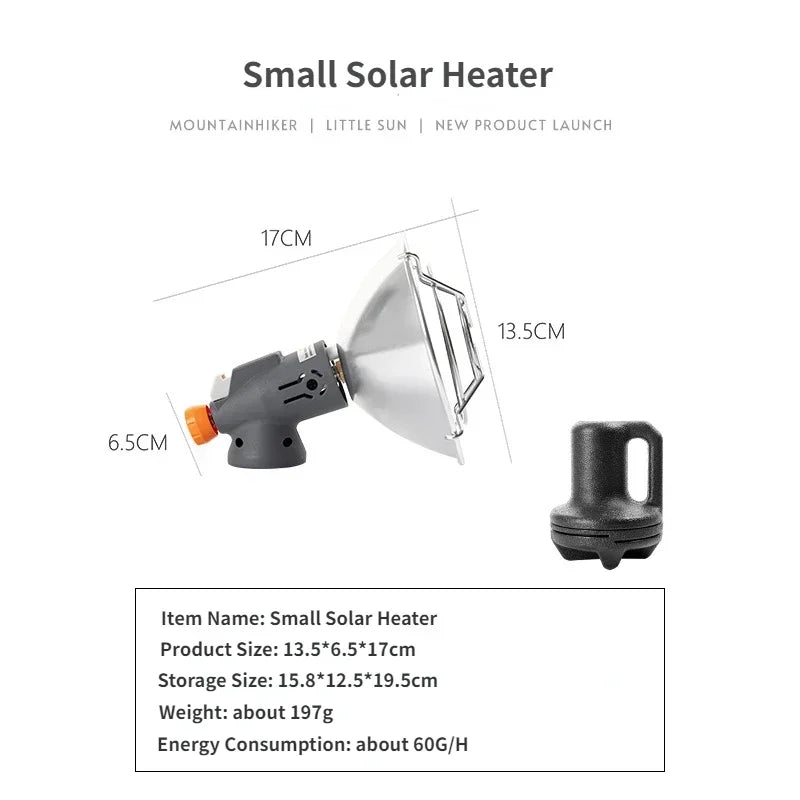
Cold camping nights demand safe, steady warmth — See it in action
Camping Heater Comparison by Camping Style
Solo Backpacking
Every ounce matters on long hikes. Lightweight propane or isobutane-compatible heaters with compact dimensions provide sufficient warmth while keeping pack weight manageable.
Car Camping
Weekend campers can prioritize comfort over weight. Mid-sized propane heaters offer an excellent balance of heat output, runtime, and portability for campsites accessible by vehicle.
Family Camping
Larger groups benefit from higher-BTU heaters capable of warming shared gathering areas. Longer runtimes also reduce the need for frequent fuel changes during extended evenings outdoors.
Ice Fishing & Hunting
Portable radiant heaters perform especially well inside properly ventilated ice shelters and hunting blinds by delivering focused heat exactly where it is needed without wasting fuel warming unused space.
Overlanding & RV Camping
Vehicle-supported adventures allow campers to carry larger propane cylinders and higher-capacity heaters that provide dependable warmth during multi-day stays in remote locations.
After long, cold days outdoors, many campers rely on recovery essentials from the Body Care and Health Devices collection to ease muscle tension and improve rest.
What Campers Say About Cold Camping with Gas Heaters
Across winter camping forums, outdoor communities, and experienced campers, the same themes appear repeatedly. Users value dependable heat, reasonable fuel efficiency, and equipment that performs consistently in freezing weather.
- "Our heater turned freezing nights into comfortable evenings." Campers frequently mention how reliable heat transforms the overall camping experience.
- "One fuel canister lasted the entire weekend." Efficient propane heaters often exceed expectations when operated at moderate heat settings.
- "It made winter camping realistic without overpacking gear." Many users appreciate combining portability with meaningful heat output.
- Common complaint: Larger heaters provide excellent warmth but add noticeable weight, making them better suited for vehicle-supported camping than backpacking.
View the Portable Camping Gas Heater Stove
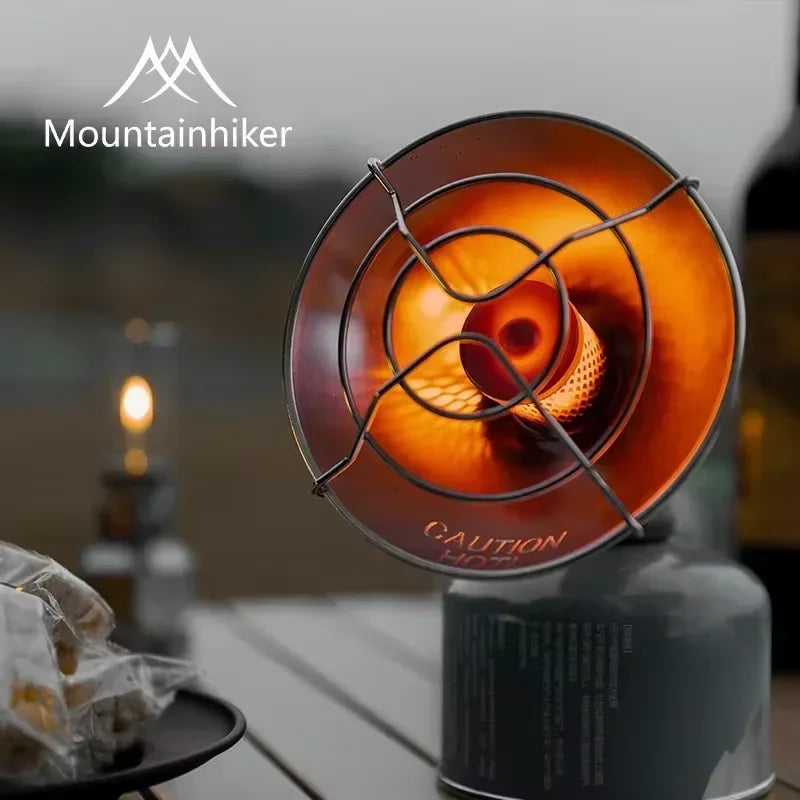
Reliable outdoor gas heaters for cold camping nights — See it in action
Real-World Pros and Cons of Camping Gas Heaters
Choosing the best gas heater for camping means balancing heat output, portability, fuel consumption, and safety. While no single model is perfect for every trip, understanding the trade-offs helps you invest in equipment that matches your camping style.
-
Pros:
- Delivers fast, reliable heat without requiring electricity.
- Propane models perform consistently in freezing temperatures.
- Portable designs make them easy to transport for car camping, overlanding, and base camps.
- Extends the camping season into late autumn and winter.
- Many modern heaters include built-in safety features such as oxygen depletion sensors and tip-over shutoffs.
-
Cons:
- Fuel cylinders add weight and require trip planning.
- Proper ventilation is always necessary during operation.
- Not suitable for unattended or overnight use while sleeping.
- Higher-BTU models consume fuel more quickly.
- Routine inspection and maintenance are important for safe operation.
For most campers, the advantages far outweigh the drawbacks when the heater is matched to the conditions and used responsibly. Weekend campers often prioritize convenience, while winter campers typically value dependable cold-weather performance above all else.
Frequently Asked Questions About Camping Gas Heaters
Can you safely use a gas heater inside a tent?
A gas heater for camping should only be used according to the manufacturer's recommendations. If a heater is approved for enclosed use, proper ventilation remains essential, and it should never be operated while occupants are sleeping. Always follow clearance requirements and safety instructions.
What is the best gas heater for camping in winter?
Propane heaters are generally the preferred choice for winter camping because propane continues to vaporize and burn efficiently at temperatures where butane struggles. Models producing 8,000 to 10,000 BTUs are well suited for extremely cold conditions.
How many BTUs do I need for camping?
The ideal BTU rating depends on weather conditions and shelter size.
- 2,500–4,000 BTU: mild weather and solo camping.
- 4,000–6,000 BTU: most three-season camping trips.
- 8,000–10,000 BTU: winter camping and larger sheltered areas.
How long will a 1 lb propane cylinder last?
A standard 1 lb propane cylinder typically powers a portable camping heater for approximately 3 to 6 hours, depending on the BTU setting, outside temperature, and heater efficiency. Running the heater at lower settings can noticeably extend runtime.
Which is better for camping: propane, butane, or isobutane?
Each fuel has advantages.
- Propane: Best overall for cold-weather and winter camping.
- Butane: Lightweight and economical for warmer temperatures.
- Isobutane: Better cold-weather performance than standard butane while remaining lightweight enough for backpacking.
Do I need a carbon monoxide detector when using a camping heater?
A portable carbon monoxide detector is strongly recommended whenever a fuel-burning appliance is used near enclosed or semi-enclosed camping shelters. Although it does not replace proper ventilation, it provides an additional layer of safety.
Can I use a camping gas heater inside an RV?
Only use heaters approved for that environment and always follow the manufacturer's operating instructions. Maintain adequate ventilation and never operate a portable heater while sleeping unless specifically permitted by the manufacturer.
What safety certifications should a camping heater have?
Look for heaters that meet recognized safety standards for your region and include practical safety features such as an oxygen depletion sensor (ODS), automatic tip-over shutoff, stable base design, and reliable ignition system.
Get Yours Now
Related Guide: Best Butane Heater for Camping: Top Picks Compared
Final Verdict: Which Outdoor Gas Heater Should You Choose?
The best gas heater for camping depends on how and where you camp. For most outdoor enthusiasts, a mid-range propane heater with adjustable BTU output, dependable ignition, and integrated safety features offers the best balance of warmth, portability, and fuel efficiency.
If you primarily backpack or take overnight trips, compact lightweight models reduce pack weight while still providing useful heat. For family camping, overlanding, and extended winter adventures, larger propane heaters with higher BTU ratings and longer runtimes are the better investment.
Before purchasing, compare heat output, fuel compatibility, runtime, safety features, and total carry weight. Choosing a heater that matches your camping style will deliver greater comfort, safer operation, and dependable performance throughout the cold-weather camping season.













