Does an overheat protection heating device really make indoor heating safer?
An overheat protection heating device improves indoor heating safety by automatically shutting off when internal temperatures exceed safe operating limits. Using built-in temperature sensors and an electric heater safety switch , it helps reduce the risk of overheating, protects internal components, and lowers the chance of fire caused by excessive heat. While no safety feature can eliminate every hazard, overheat protection is one of the most important features found in the safest indoor portable heaters.
⏱ 7 min read
What Is Overheat Protection? How It Works and Why It Matters for Heater Safety
A portable heater should make your room more comfortable—not create new safety concerns. Whether you're heating a bedroom, office, or small apartment, overheat protection helps prevent unsafe temperature buildup by automatically stopping the heater before damage occurs. Understanding how this feature works can help you choose a safer heater and use it with greater confidence.
Explore safer heating options designed for modern living.
What Is Overheat Protection?
Overheat protection is a built-in safety system that automatically turns off a device when its internal temperature rises above a safe limit. It is commonly found in portable heaters, household appliances, electronics, and power equipment to help prevent overheating, reduce fire risks, and protect sensitive internal components.
Simple definition for everyday users
Think of overheat protection as an automatic safety backup. If a device becomes hotter than it was designed to operate, sensors detect the temperature increase and disconnect the power before excessive heat can damage the product or create unsafe conditions.
Where you'll commonly see it
- Portable space heaters and ceramic heaters
- Hair dryers and styling tools
- Kitchen appliances such as kettles, coffee makers, and ovens
- Laptop chargers, power supplies, and electronic equipment
- Industrial electrical devices and machinery
Overheat protection vs overload protection
Although the terms are sometimes used interchangeably, they protect against different problems. Overheat protection responds to excessive temperature, while overload protection responds to excessive electrical current or power draw. Many modern heaters include both systems to improve overall safety and reliability.
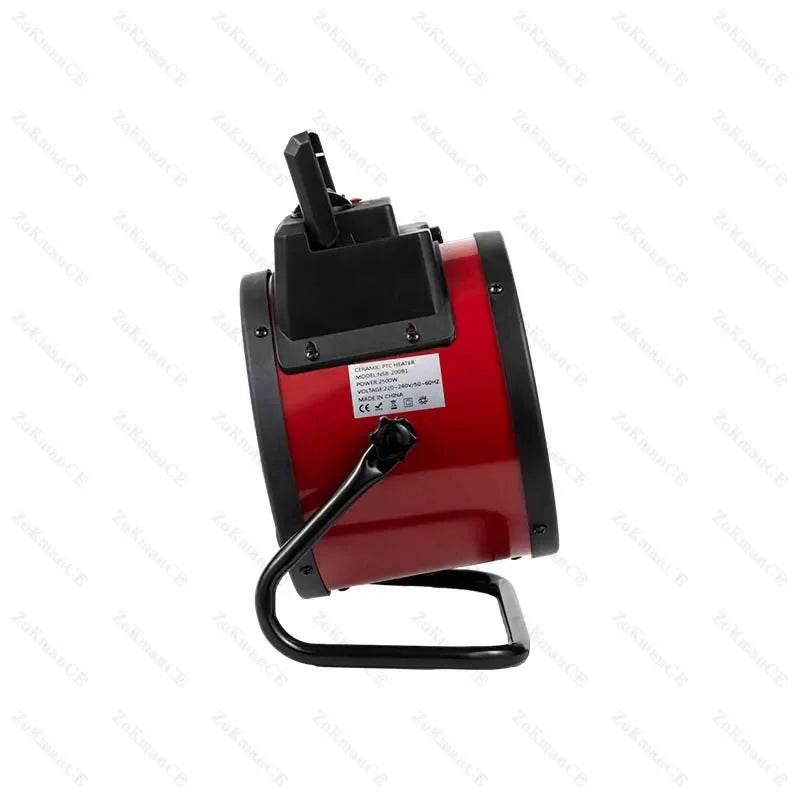
Overheat protection heating device with automatic shutoff — safer warmth you can trust. See it in action.
What Is an Overheat Protection Heating Device?
An overheat protection heating device continuously monitors its internal temperature and automatically shuts down when unsafe heat levels are detected. This built-in protection helps reduce the risk of overheating, preserves key components, and supports more reliable performance during extended operation.
Core safety components
Most modern heaters combine several protective components, including temperature sensors, thermal cutoffs, thermostats, and an electric heater safety switch . Together, these systems detect abnormal heat, interrupt the electrical circuit, and prevent temperatures from rising beyond safe operating limits.
Common heater designs
Overheat protection is commonly found in ceramic heaters, fan-forced portable heaters, oil-filled radiators, and many convection heaters. Compared with older models that relied mainly on manual monitoring, today's designs react much faster to blocked airflow, internal faults, or prolonged operation, making them a safer choice for everyday indoor heating.
How Overheat Protection Works in Heaters
Understanding how overheat protection works helps explain why modern heaters are significantly safer than older designs. Instead of relying on user intervention, the protection system continuously monitors internal temperatures and automatically interrupts power whenever heat rises beyond the manufacturer's safe operating range.
Temperature sensors and thermal cutoffs
Most portable heaters use one or more temperature-monitoring components to detect abnormal heat buildup. Depending on the heater design, these may include thermostats, thermistors, thermal switches, or thermal cutoffs positioned near heating elements and critical electrical components. When the measured temperature exceeds a preset threshold, the protection circuit is activated before overheating can damage the heater.
Automatic shut-off mechanism explained
Once excessive heat is detected, the heater disconnects power to the heating element almost immediately. The fan may continue operating briefly on some models to help dissipate residual heat, while others shut down completely. This automatic response reduces stress on internal components and prevents temperatures from continuing to rise under unsafe conditions.
Why your space heater shuts off automatically
If your space heater shuts off automatically , it is often performing exactly as intended. Common causes include:
- Blocked air intake or exhaust vents
- Dust buildup restricting airflow
- The heater operating too close to walls, curtains, or furniture
- Extended operation in a warm room
- Internal temperatures exceeding the safety threshold
Before restarting the heater, allow it to cool completely and inspect it for any airflow obstructions or accumulated dust.
Automatic reset vs manual reset
Not every heater behaves the same after overheat protection activates.
- Automatic reset: The heater resumes normal operation once internal temperatures return to a safe level.
- Manual reset: The heater remains off until you press a reset button or cycle the power, helping ensure the cause of overheating has been addressed first.
Both systems improve safety, although manual-reset models provide an extra layer of protection by requiring user inspection before the heater is used again.
Types of Overheat Protection Systems
Different heaters use different protection technologies based on their design, heating capacity, and intended use. Many premium models combine multiple systems to provide layered protection rather than relying on a single safety device.
Thermostats
A thermostat monitors operating temperature and temporarily disconnects power when the heater becomes too hot. Once the temperature returns to an acceptable range, many thermostat-controlled systems automatically restore normal operation.
Thermal fuses
A thermal fuse serves as a one-time emergency safeguard. If temperatures exceed a critical limit, the fuse permanently opens the electrical circuit to prevent further operation until the component is replaced or the heater is serviced.
Thermistors and temperature sensors
Modern ceramic and electronic heaters commonly use thermistors or digital temperature sensors that provide continuous temperature readings. These components allow the control board to react quickly to changing conditions and maintain more accurate protection than traditional mechanical devices alone.
Mechanical vs electronic protection
Mechanical protection systems, such as thermostats and thermal switches, operate using physical changes caused by heat and are valued for their simplicity and reliability. Electronic protection systems combine sensors with microcontrollers to monitor temperature in real time, enabling faster response, improved efficiency, and more precise control. Many of today's heater safety features explained in product specifications include both mechanical and electronic protection working together for greater overall safety.
Why Overheat Protection Is Important for Safety
Overheat protection is one of the most valuable heater safety features because it helps prevent dangerous operating conditions before they become serious. By monitoring internal temperatures and interrupting power when necessary, the system protects both the appliance and the people using it.
Fire prevention
Excessive heat is a common factor in many electrical appliance failures. An overheat protection system reduces fire risk by shutting the heater down before temperatures reach unsafe levels caused by blocked airflow, extended operation, or internal faults. While no safety feature can eliminate every hazard, it provides an important layer of protection when combined with proper heater placement and regular maintenance.
Preventing internal component damage
High temperatures place unnecessary stress on heating elements, wiring, insulation, and electronic control boards. By limiting excessive heat exposure, overheat protection helps preserve these components, improve long-term reliability, and reduce the likelihood of premature repairs or replacement.
Safe use in small indoor spaces
Bedrooms, apartments, home offices, and other compact spaces can warm quickly, particularly when airflow is restricted. A heater equipped with overheat protection responds automatically if internal temperatures become excessive, making it a key feature to look for when choosing the safest indoor portable heater for everyday home use.
Common Devices That Use Overheat Protection
Overheat protection is found in many household and electronic products where controlling temperature is essential for safe, reliable operation.
Space heaters
Portable space heaters rely on overheat protection more than most household appliances. Combined with thermostats and tip-over protection, this feature helps maintain safer operation during everyday indoor heating.
Kitchen and personal care appliances
Hair dryers, electric kettles, coffee makers, toasters, ovens, and similar appliances commonly use thermal cutoffs or temperature sensors to prevent overheating during repeated or prolonged use. These safety systems protect both the appliance and its internal electrical components.
Chargers, batteries, and electronics
Laptop chargers, battery packs, desktop power supplies, gaming systems, and other electronics often include built-in thermal protection. These systems monitor operating temperatures to reduce heat-related damage, improve performance stability, and extend product lifespan.
How an Electric Heater Safety Switch Prevents Costly Accidents
An electric heater safety switch serves as a critical fail-safe by disconnecting power whenever unsafe operating conditions are detected. Depending on the heater design, the switch may activate because of excessive internal temperature, restricted airflow, or an unexpected tip-over event, helping prevent damage before it escalates.
- Automatically disconnects power during unsafe operating conditions
- Helps protect internal components from heat-related damage
- Reduces unnecessary energy consumption caused by overheating
- Supports more reliable long-term heater performance
Although the safety switch operates automatically, it should never replace routine maintenance. Keeping air vents clean, maintaining adequate clearance around the heater, and following the manufacturer's operating instructions all contribute to safer performance.
Safety-forward homes often pair protected heaters with wellness-focused tools found in Body Care and Health Devices and calming essentials from Lifestyle collections.

Electric heater safety switch in action — dependable heat, zero guesswork. See it in action.
What Makes the Safest Indoor Portable Heater?
The safest indoor portable heater combines multiple layers of protection rather than relying on a single safety feature. While overheat protection is essential, the best models also include automatic shutoff, tip-over protection, durable construction, and well-designed airflow to provide safer everyday operation.
- Fast-response overheat sensors that monitor internal temperatures continuously
- Automatic shutoff when unsafe operating conditions are detected
- Tip-over protection that cuts power if the heater is knocked over
- Heat-resistant housing that remains cooler to the touch
- Stable airflow design to reduce heat buildup around internal components
- Safety certifications that indicate compliance with recognized electrical standards
Many buyers choose models like the portable electric heater ceramic because they combine efficient ceramic heating with built-in safety features designed for everyday indoor use.
Protected vs Non-Protected Heaters
Feature comparison
| Feature | With Overheat Protection | Without Protection |
|---|---|---|
| Automatic temperature shutdown | Yes | No |
| Response to blocked airflow | Automatically shuts down | May continue overheating |
| Risk of heat-related damage | Lower | Higher |
| Fire risk | Significantly reduced | Higher |
| Internal component lifespan | Typically longer | Often shorter |
| Overall safety margin | Improved | More dependent on user monitoring |
When protection is not enough
Even the best overheat protection system cannot compensate for unsafe operating habits. Covering a heater, blocking ventilation openings, using damaged power cords, or placing the unit too close to curtains, furniture, or bedding can still create hazardous conditions. Safe placement, routine cleaning, and following the manufacturer's instructions remain essential parts of heater safety.
Can Overheat Protection Fail?
Overheat protection is highly reliable, but like any mechanical or electronic safety system, it can fail because of damaged components, poor maintenance, or improper use. Regular inspection and cleaning help ensure the protection system continues operating as intended.
Common reasons for failure
- Dust or debris blocking air vents and reducing airflow
- Faulty temperature sensors or worn thermal switches
- Damaged wiring or aging internal components
- Covering the heater or placing it where ventilation is restricted
- Operating the heater outside the manufacturer's recommendations
Signs protection has activated
If your space heater shuts off automatically , the protection system may have detected excessive heat. Common signs include:
- The heater switches off unexpectedly after prolonged use
- The unit restarts only after cooling down or after a manual reset
- Airflow feels restricted because vents are dusty or blocked
- The heater repeatedly shuts down under the same conditions
What to do after automatic shutoff
- Turn the heater off and unplug it.
- Allow the unit to cool completely.
- Inspect and clean all air intake and exhaust vents.
- Move the heater to a flat, open location with adequate clearance.
- If the heater continues shutting down after cleaning and proper placement, discontinue use and have it inspected or replaced.
How to Use an Overheat Protection Heating Device Safely
Even with built-in safety systems, proper operation is essential for getting the best performance from an overheat protection heating device . Following a few simple practices helps reduce unnecessary wear, improves efficiency, and supports safer everyday heating.
Maintenance tips
- Clean air intake and exhaust vents regularly to remove dust and lint.
- Inspect the power cord and plug for signs of wear before each heating season.
- Keep ventilation openings free from furniture, blankets, and other obstructions.
- Store the heater in a dry, clean location when it is not in use.
Safe placement
- Place the heater on a flat, stable, nonflammable surface.
- Maintain at least three feet (about one meter) of clearance from curtains, bedding, furniture, and other combustible materials.
- Avoid using extension cords or overloaded power strips whenever possible.
- Keep the heater away from water, damp areas, and high-traffic walkways.
- Never cover the heater or block its airflow while it is operating.
When to replace a heater
Consider replacing your heater if it repeatedly activates overheat protection without an obvious cause, has damaged wiring or housing, produces unusual odors after cleaning, or no longer operates reliably. Safety features are designed to reduce risk, but they cannot compensate for worn or damaged equipment.
For added comfort routines, many users combine warm environments with relaxation tools from Body & Face Blog .
Get yours now — limited stock!

Safest indoor portable heater for daily comfort — warmth you can rely on. See it in action.
Frequently Asked Questions
Can I leave a heater with overheat protection on overnight?
Overheat protection provides an additional layer of safety, but it should not be considered a substitute for safe operating practices. Unless the manufacturer specifically states that overnight operation is appropriate, it is generally best to turn portable heaters off before sleeping or leaving the room unattended.
Does automatic shut-off reduce performance?
No. Automatic shutoff activates only when unsafe operating temperatures are detected. During normal use, it does not reduce heating performance or efficiency.
How do I know if overheat protection is working?
If the heater powers off after overheating, blocked airflow, or restricted ventilation and resumes operation only after the issue is resolved or the unit cools, the protection system is likely functioning as intended. Always consult the user manual for your specific model.
Why does my heater keep shutting off?
A heater that repeatedly shuts off often indicates restricted airflow, excessive dust buildup, poor placement, or unusually high operating temperatures. If cleaning and repositioning the heater do not solve the problem, discontinue use until it can be inspected.
Is overheat protection enough on its own?
No. Overheat protection significantly improves safety but should be combined with correct placement, routine maintenance, adequate ventilation, and responsible operation to achieve the safest possible heating environment.
Related Guide: Fast Heating Ceramic Technology Explained for Instant Comfort