

Does an overheat protection heating device really make homes safer?
Yes. An overheat protection heater helps reduce the risk of overheating by continuously monitoring its internal temperature and automatically shutting off before unsafe heat levels are reached. When paired with features such as tip-over protection and proper placement, it provides a safer way to heat bedrooms, living rooms, and home offices while giving families greater peace of mind during everyday use.
Overheat Protection Heater: Reviews, Safety Features & Best Picks
Looking for a safer way to stay warm? This guide explains how an overheat protection heater works, which safety features matter most, and how to choose a reliable model for your home. You'll also learn how automatic shutoff systems help prevent overheating without sacrificing heating performance.
⏱ 6 min read
Cold weather should feel comfortable—not stressful. Modern electric heaters warm rooms quickly, but safety remains a top priority, especially in homes with children, pets, or long daily operating hours. An overheat protection heater combines efficient heating with built-in safety technology that automatically responds when internal temperatures rise beyond safe operating limits. In this guide, you'll learn how these systems work and what features to look for before buying.
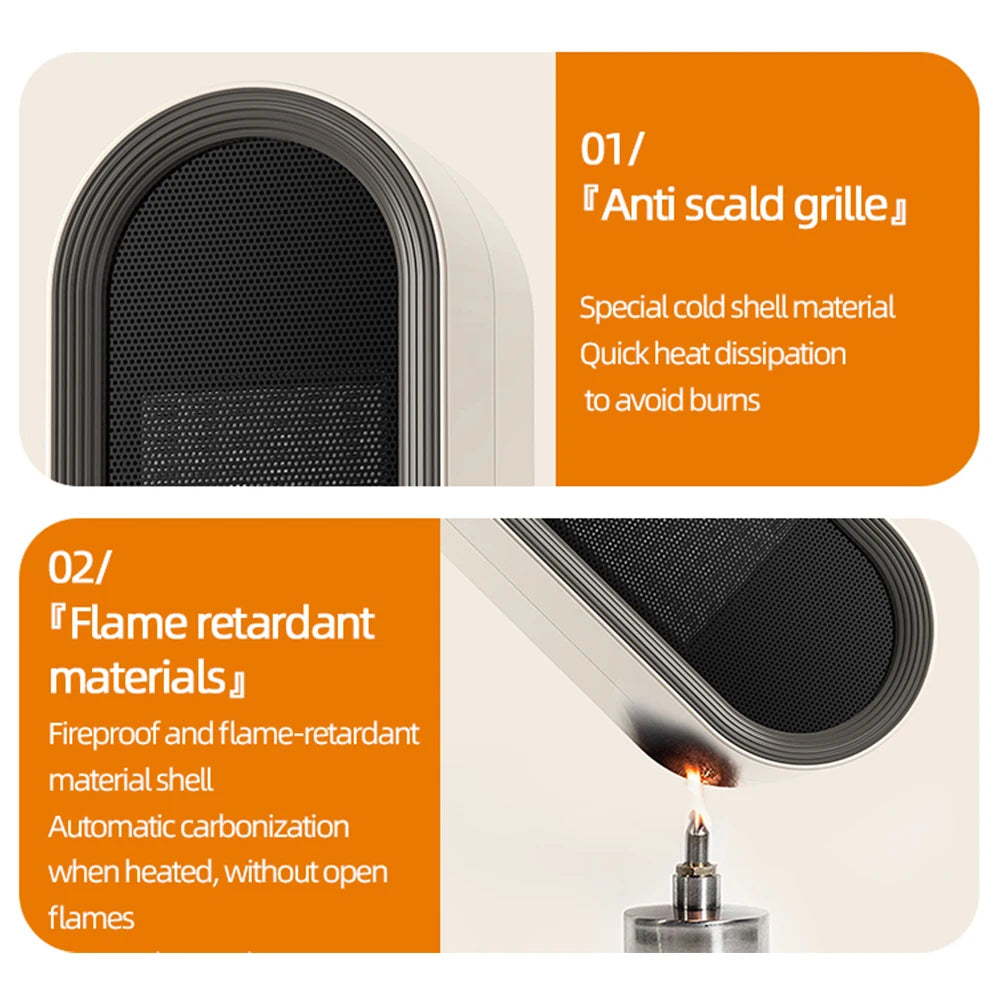
A closer look at an overheat protection heating device designed for indoor heater safe use. See it in action.
What is an overheat protection heating device?
An overheat protection heating device is an electric heater with a built-in safety system that monitors internal temperatures and interrupts power before components become dangerously hot. Also known as heater overheat protection or over-temperature protection, this feature helps reduce the risk of fire, protects internal electronics, and improves safe everyday operation.
Unlike older heaters that depend entirely on manual supervision, modern models use temperature sensors and protective circuits to detect excessive heat. These systems work automatically in the background, making portable fan heaters, ceramic heaters, oil-filled radiators, and many wall-mounted electric heaters significantly safer for regular indoor use.
How Overheat Protection Works in Heaters
Understanding how overheat protection works in heaters helps explain why today's models are safer than many older designs. Instead of waiting until a heater becomes dangerously hot, multiple components monitor operating conditions and activate a heater with automatic shut off whenever unsafe temperatures are detected.
Temperature sensors detect unsafe heat
Internal temperature sensors continuously monitor the heater's core components. If restricted airflow, blocked vents, or extended operation causes temperatures to rise beyond the manufacturer's safe limit, the sensors immediately signal the protection system before damage occurs.
Thermal cutoff and automatic shutoff
The overheat protector responds by disconnecting power to the heating element. Depending on the heater design, protection may include:
- Thermal Cutoff: A built-in thermal fuse or cutoff device interrupts power when excessive heat is detected, protecting critical components.
- Automatic Thermostat Shutoff: Electronic controls temporarily stop heating once the preset temperature threshold is exceeded, then allow normal operation when conditions become safe.
- Tip-over Switch: Many heaters combine overheat protection with tip-over detection, shutting the unit off immediately if it is accidentally knocked over.
What happens after the heater cools down
After internal temperatures return to a safe operating range, many heaters automatically resume operation or can be restarted following the manufacturer's instructions. If overheat protection activates repeatedly, it often indicates blocked airflow, dust accumulation, incorrect placement, or another issue that should be corrected before continued use.
Understanding these safety mechanisms makes it easier to compare models, select the right heater for your room size, and recognize when the protection system is working exactly as intended.
Why heater safety matters
Space heaters are among the most convenient ways to add supplemental warmth, but they also require responsible use. A safe electric heater for home should combine effective heating with multiple built-in safeguards that help reduce the risk of overheating, electrical damage, and accidental contact. These features are especially valuable in homes where heaters operate for several hours each day.
Whether you're heating a bedroom, home office, apartment, or living room, choosing an indoor heater safe for everyday use starts with understanding how its protection systems work. Modern heaters are designed to respond automatically when operating conditions become unsafe, reducing the need for constant monitoring while supporting safer daily operation.
Good heater safety extends beyond preventing fires. It also includes maintaining stable operating temperatures, protecting nearby furniture and flooring, reducing burn hazards, and ensuring reliable performance throughout the heating season. Pairing quality safety features with proper placement and routine maintenance offers the best protection.
Key electric heater safety features you should know
Thermal Cutoff & Automatic Shutoff
A heater with automatic shut off continuously monitors internal temperatures and switches off if unsafe heat levels are detected. Combined with a thermal cutoff, this feature helps protect internal components while reducing the risk of overheating and electrical damage.
Tip-over Protection
Tip-over protection automatically disconnects power if the heater is accidentally knocked over. This safeguard is particularly useful in homes with children or pets where unexpected movement can occur.
Cool-Touch Housing
Cool-touch exterior panels remain significantly cooler than the internal heating element, helping reduce the chance of accidental burns when someone brushes against the heater during normal use.
Thermostat Controls
An adjustable thermostat maintains a comfortable room temperature by cycling the heater on and off as needed. Besides improving comfort, it helps prevent unnecessary overheating and can reduce energy consumption during extended operation.
Best overheat protection heaters for home & office
The best overheat protection space heater depends on the size of the room, desired heating performance, and the safety features you value most. Look for models that combine overheat protection, automatic shutoff, stable construction, and thermostat controls for dependable everyday use.
Portable Electric Fan Heater — Ideal for Small Rooms
This portable electric fan heater is designed for bedrooms, apartments, dorm rooms, and home offices where fast, focused warmth is needed. Its integrated overheat protection system continuously monitors operating temperatures and automatically shuts the unit off if excessive heat is detected.
Compact dimensions, quiet operation, and rapid warm-up make it well suited for everyday personal heating without taking up valuable floor space.
You can explore the product directly here: portable electric fan heater .
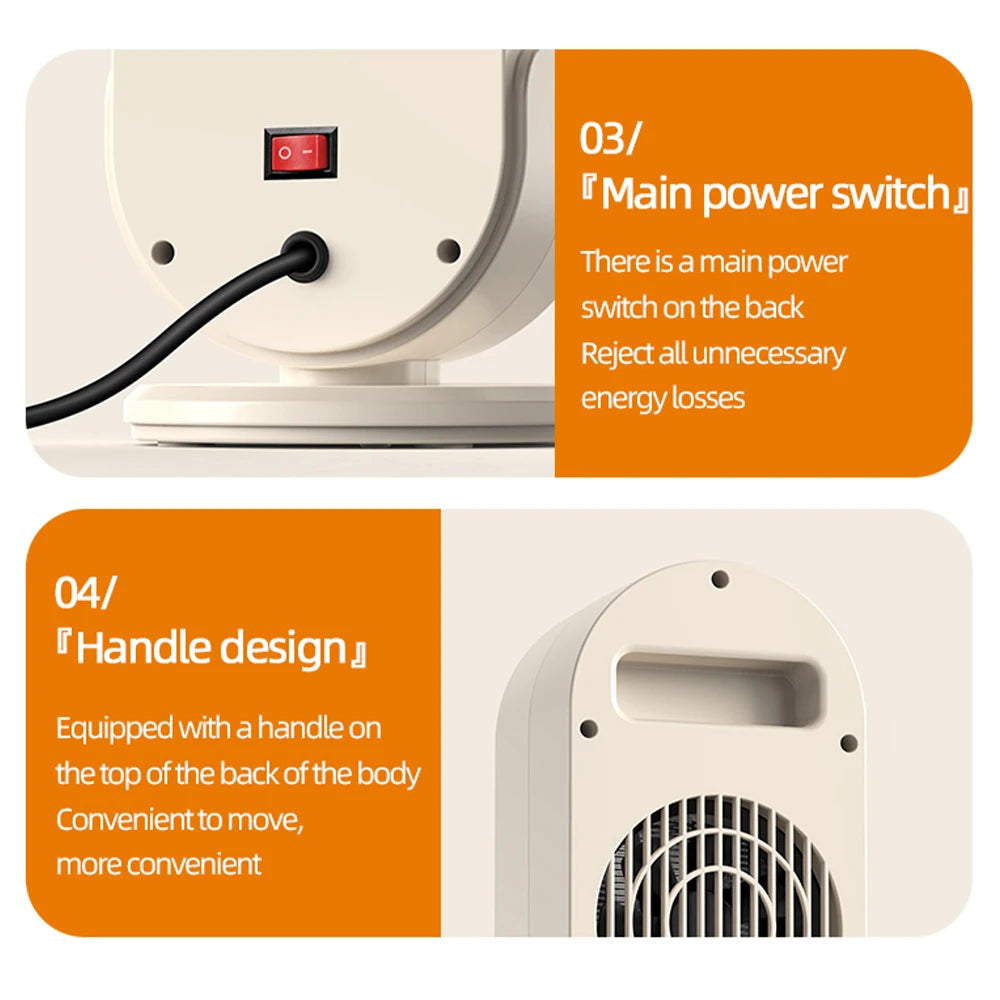
Mid-use view of an overheat protection space heater supporting safe daily warmth. See it in action.
General Heater Options by Use Case
- Small rooms: Compact ceramic or fan heaters with thermal cutoff, thermostat control, and tip-over protection.
- Bedrooms and offices: Quiet heaters that provide consistent warmth while maintaining stable operating temperatures.
- Large rooms: Higher-capacity heaters with wider heat distribution, multiple safety sensors, and recognized safety certifications.
Comparison Table
| Model | Wattage | Overheat Protection | Tip-over Switch | Recommended Room Size | Typical Certifications |
|---|---|---|---|---|---|
| Portable Fan Heater | ~1500W | Yes | Yes | Small | Varies |
| Office Heater Type | 1500–1800W | Yes | Yes | Medium | UL / ETL |
| Large Room Heater | 1800–2000W | Yes | Yes | Large | UL / ETL / CSA |
How these heaters compare: real-world performance
Actual heating performance depends on room size, insulation, airflow, thermostat settings, and how long the heater operates. While heating capacity varies by model, an effective overheat protection system helps maintain safe operating temperatures without noticeably affecting everyday comfort.
- Small room heaters: Compact units typically warm enclosed spaces quickly. If air intake or exhaust vents become blocked, the overheat protection system can interrupt operation before internal components reach unsafe temperatures.
- Office heaters: Models designed for personal workspaces generally prioritize quiet operation, consistent airflow, and stable thermostat control for extended daytime use.
- Large room heaters: Higher-capacity heaters distribute heat across larger areas and often incorporate multiple temperature sensors to monitor performance during longer heating cycles.
Across all categories, heaters with automatic shutoff and overheat protection are designed to balance comfort with safety. Under normal operating conditions, the protection system remains inactive and allows the heater to maintain the selected temperature. If excessive heat is detected, the unit temporarily stops heating until safe operating conditions return.
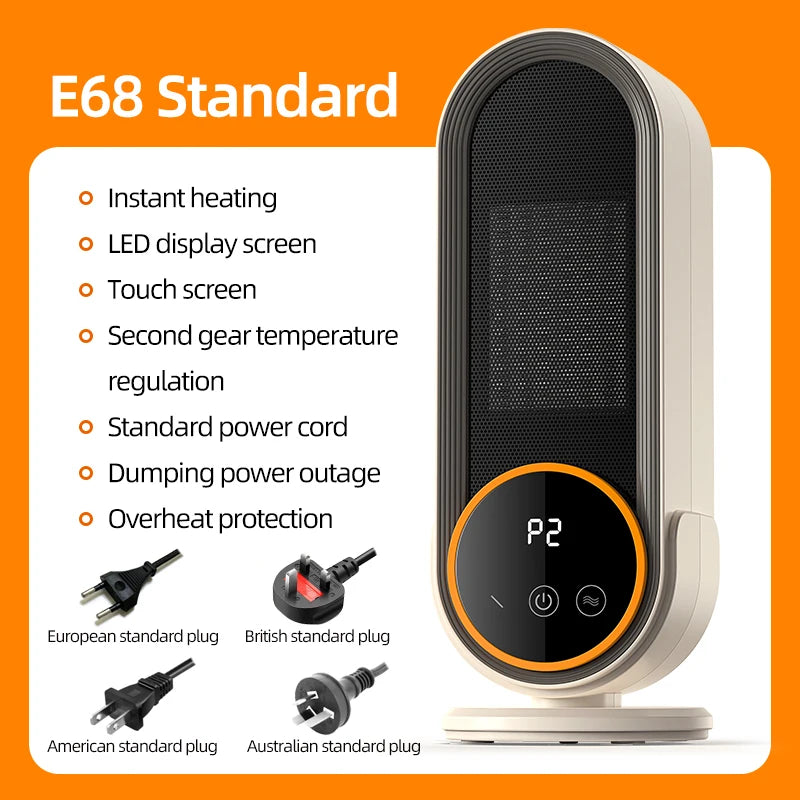
Designed for indoor heater safe environments with trusted electric heater safety features. See it in action.
For shoppers exploring home comfort upgrades, pairing safe heating with items from Lifestyle or Body Care and Health Devices collections can help create a more comfortable daily environment.
Heater safety tips and maintenance checklist
Proper placement
- Place the heater on a flat, stable, nonflammable surface where it cannot be easily tipped over.
- Keep furniture, curtains, bedding, paper, and other combustible materials at least 3 feet (1 meter) away from the heater.
- Avoid placing heaters in high-traffic areas where cords may become tripping hazards.
Cleaning and airflow
- Keep air intake and exhaust vents free from dust, pet hair, and debris to maintain proper airflow.
- Clean the exterior and vents regularly according to the manufacturer's instructions.
- Never cover the heater while it is operating, as restricted airflow is one of the most common reasons a heater overheats.
Extension cord safety
- Whenever possible, plug the heater directly into a properly grounded wall outlet.
- Avoid lightweight extension cords or overloaded power strips, which may overheat under high electrical loads.
- Inspect the power cord and plug regularly for signs of wear, discoloration, or damage, and discontinue use if defects are found.
Seasonal maintenance
- Test safety features before the heating season begins.
- Check that overheat protection and tip-over switches operate normally.
- Store the heater in a clean, dry location during warmer months to help prevent dust buildup and moisture damage.
- Follow the manufacturer's maintenance recommendations to maximize long-term reliability.
Following these heater safety tips helps keep your indoor heater safe, reduces the likelihood of overheating, and supports reliable performance throughout the heating season.
Frequently Asked Questions
Is an overheat protection heater safe for overnight use?
Many modern heaters with overheat protection, automatic shutoff, and tip-over protection are designed with safety in mind. However, always follow the manufacturer's instructions and use the heater only as recommended.
Does overheat protection affect heating performance?
No. During normal operation, the heater performs as intended. The protection system activates only when internal temperatures exceed safe operating limits.
Can a space heater overheat even with protection?
Yes. Blocked vents, excessive dust buildup, or improper placement can still cause overheating. The protection system is designed to shut the heater off before dangerous temperatures are reached, but the underlying issue should still be corrected.
How do I know overheat protection has activated?
Most heaters stop producing heat or shut off completely when the protection system is triggered. Some models include an indicator light or require the heater to cool before restarting.
What safety features should I look for in an electric wall heater?
Choose models that include overheat protection, automatic shutoff, thermostat controls, cool-touch surfaces where applicable, and recognized safety certifications such as UL, ETL, or CSA.
Related Guide: Desktop electric space heater review for daily home use













