

Do sports shoe inserts for athletes really improve performance?
Yes. Sports shoe inserts for athletes can improve performance by enhancing foot stability, optimizing pressure distribution, reducing energy loss, and supporting more efficient movement patterns. While they won't replace proper training or well-fitting footwear, high-quality athletic insoles for performance can improve comfort, reduce fatigue, and help athletes maintain consistent mechanics during running, court sports, and strength training.
- Better energy return: Responsive materials help transfer force more efficiently with every stride.
- Improved stability: Structured arch support limits excessive foot motion during high-impact activities.
- Reduced fatigue: Better alignment decreases unnecessary muscle compensation over long training sessions.
- Lower injury risk: Improved shock absorption and foot positioning may reduce repetitive stress on the ankles, knees, and hips.
How insoles affect biomechanics
Every step begins where your foot meets the ground. If the foot rolls excessively inward or outward, the forces generated during running, jumping, or cutting travel through the ankles, knees, and hips. Well-designed sports shoe inserts help distribute pressure more evenly, stabilize the arch, and improve force transfer without restricting natural movement.
This combination can make movement feel more efficient, especially during repeated sprints, long-distance runs, or multi-directional sports where consistency matters.
What research says about performance gains
Research suggests that properly selected athletic insoles may improve comfort, reduce perceived fatigue, and enhance running economy for some athletes. The largest benefits typically come from better stability, pressure distribution, and impact management rather than dramatic increases in speed or power. Performance expectations should therefore be realistic—quality insoles support your training rather than replace it.
Best Sports Shoe Inserts for Athletes (2026 Performance Guide)
⏱ 7 min read
Are sore joints, inconsistent energy, or lingering muscle fatigue holding back your performance? Many athletes focus on shoes, training plans, and recovery while overlooking the importance of the insole beneath every step. The right sports shoe inserts can improve stability, reduce repetitive impact, and help you move more efficiently without replacing your favorite athletic shoes.
Discover how performance shoe inserts for sports work in real training
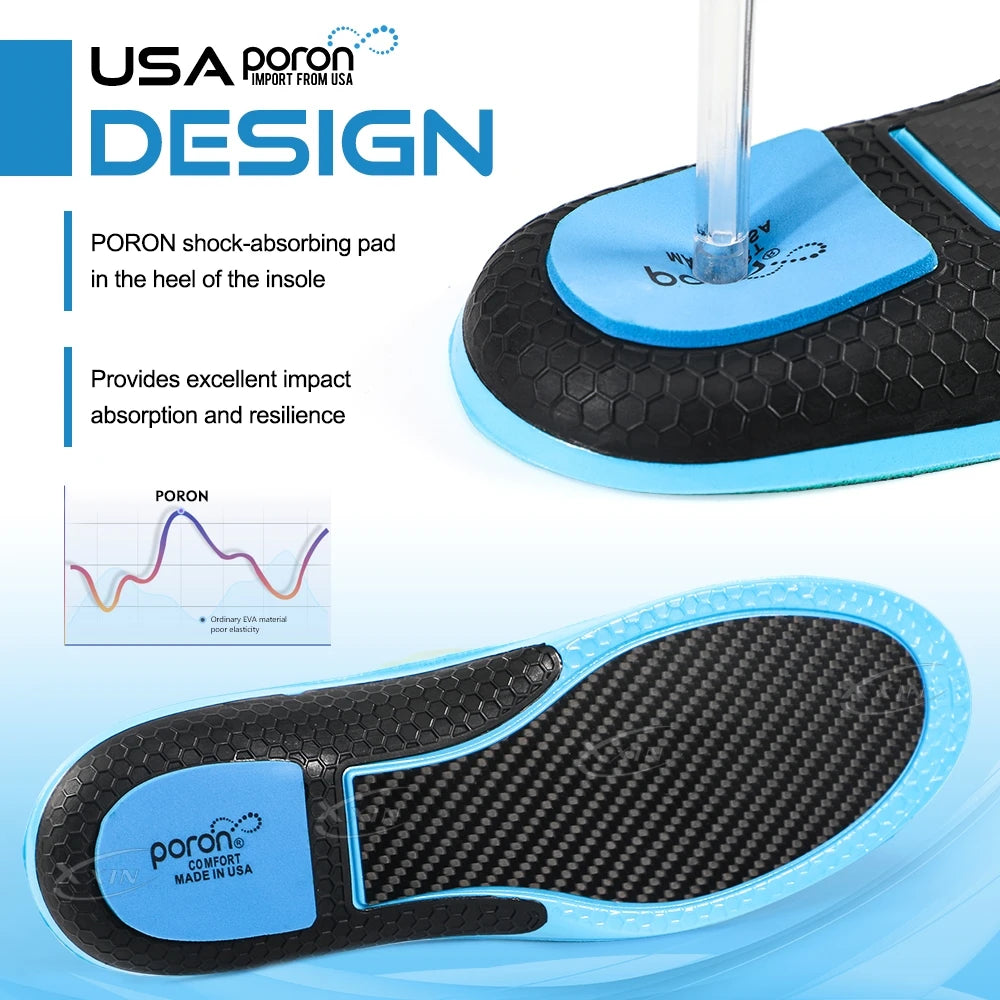
Performance shoe inserts for sports improve stability and reduce muscle fatigue in athletes — See it in action
Why Athletes Need Better Foot Support Than Standard Insoles
Many athletic shoes include stock insoles designed to provide basic comfort for a broad range of users. However, athletes who train frequently often place far greater demands on their feet through repeated impacts, rapid changes of direction, and extended training sessions.
Common issues with stock insoles
Factory insoles are typically thin, compress quickly, and provide limited arch support. As they wear down, they become less effective at absorbing shock and stabilizing the foot, which can contribute to discomfort during longer workouts.
- Minimal arch support for high training volumes
- Reduced cushioning after repeated use
- Limited lateral stability during cutting or jumping movements
- Uneven pressure distribution that may increase foot fatigue
Benefits for different training loads
Sports shoe inserts reinforce natural foot mechanics while fitting inside your existing footwear. Whether you're preparing for races, playing court sports, or completing strength workouts several times each week, quality arch support insoles for athletes help improve stability, reduce foot fatigue, and provide more consistent comfort throughout training.
How to choose the best sports shoe inserts for athletes
Knowing how to choose sports insoles starts with understanding your foot shape, the demands of your sport, and the amount of support you need. The best choice balances cushioning, stability, durability, and fit without changing the way your shoes perform.
1. Match your foot type
- Flat feet: Choose firmer arch support to improve stability and help control excessive pronation.
- High arches: Look for additional cushioning that spreads pressure and absorbs repeated impacts.
- Neutral arches: Select balanced support that combines flexibility with moderate shock absorption.
2. Choose based on sport
- Running: Prioritize lightweight construction with excellent shock absorption and smooth energy transfer.
- Basketball: Focus on lateral stability, heel support, and impact protection for frequent jumping.
- Training: Choose durable, versatile insoles that remain stable during lifting and dynamic movements.
3. Compare materials
- Gel: Excellent cushioning for repetitive impacts.
- EVA foam: Lightweight comfort suitable for everyday training.
- Carbon fiber: Increased responsiveness and efficient energy return.
- Performance foams: Balance cushioning, resilience, and long-term durability.
4. Check fit and thickness
Low-profile inserts typically work best inside snug performance footwear, while thicker models provide additional cushioning but may reduce available shoe volume. Always ensure your heel remains secure and your toes have adequate room.
5. Match support to training intensity
Recreational athletes may prioritize comfort, while competitive athletes training multiple days each week often benefit from firmer support, greater durability, and improved energy return. Selecting support that matches your workload helps maximize comfort without sacrificing performance.
Best sports shoe inserts for athletes (top picks)
Best overall athletic insole
A versatile performance insole that combines responsive cushioning, structured arch support, and durable construction. Pros: balanced comfort, stability, and long lifespan. Best for: athletes participating in multiple sports throughout the week.
Best for running (shock absorption)
Designed with impact-absorbing materials that reduce repetitive stress over long distances while maintaining a smooth transition through each stride. Pros: excellent cushioning and comfort. Best for: road runners and endurance athletes.
Best for high arches
Provides generous cushioning with supportive contours that distribute pressure more evenly across the foot. Pros: enhanced comfort and reduced hot spots. Best for: athletes with naturally high arches.
Best for flat feet (stability)
Firm arch support helps minimize excessive pronation and encourages more stable lower-body alignment. Pros: improved control and support. Best for: athletes seeking additional stability during running or training.
Best for court sports
Built to handle explosive lateral movements with secure heel support and responsive cushioning. Pros: stability during quick cuts and jumps. Best for: basketball, volleyball, tennis, and pickleball players.
Best budget option
An affordable choice offering reliable cushioning and everyday support for recreational athletes. Pros: good value and immediate comfort improvements. Best for: occasional training and general fitness.
Sports insoles comparison table (quick decision guide)
| Type | Best For | Key Benefit | Support Level | Arch Height | Weight | Durability | Best Athlete |
|---|---|---|---|---|---|---|---|
| Shock absorbing insoles | Running | Impact reduction | Medium | Neutral to high | Light | Medium | Distance runners and endurance athletes |
| Arch support insoles | Flat feet | Stability & alignment | High | Low | Medium | High | Athletes who overpronate |
| Cushioned insoles | High arches | Pressure distribution | Low–Medium | High | Light–Medium | Medium | High-impact sports participants |
| Performance insoles | Training | Energy return | Medium–High | Neutral | Light | High | Multi-sport and strength athletes |
The best shoe inserts for sports depend on your foot mechanics, training volume, and preferred activity. Athletes focused on long-distance comfort typically benefit from shock-absorbing designs, while those prioritizing explosive movement often prefer lightweight performance insoles with improved energy return.
Learn how these inserts support recovery and performance
How sports insoles reduce foot and muscle fatigue
One of the biggest advantages of quality sports insoles is improved movement efficiency. By supporting the foot in a more stable position, they reduce unnecessary muscle activity that occurs when the body constantly compensates for poor alignment.
- Relieve pressure across the heel, arch, and forefoot.
- Reduce strain on the calves, ankles, and plantar tissues.
- Promote a smoother, more efficient running stride.
- Decrease fatigue in stabilizing muscles during long workouts.
Reducing foot fatigue with sports insoles allows many athletes to maintain better form later in training sessions, which may also contribute to improved recovery between workouts.
How sports shoe inserts minimize joint impact and injury risk
Every landing during running, jumping, or cutting creates forces that travel through the feet into the knees, hips, and lower back. Shock absorbing insoles for running and other high-impact sports help disperse these forces more evenly before they reach the joints.
- Absorb repetitive impact during running and jumping.
- Improve lower-limb alignment to reduce joint loading.
- Support ankle stability during rapid lateral movements.
- Reduce stress associated with common overuse injuries.
Although no insole can completely prevent injuries, athletes experiencing recurring discomfort from repetitive training often find that better cushioning and support reduce cumulative stress on the lower body. Insoles for joint pain during sports are most effective when combined with properly fitted footwear, progressive training, and adequate recovery.
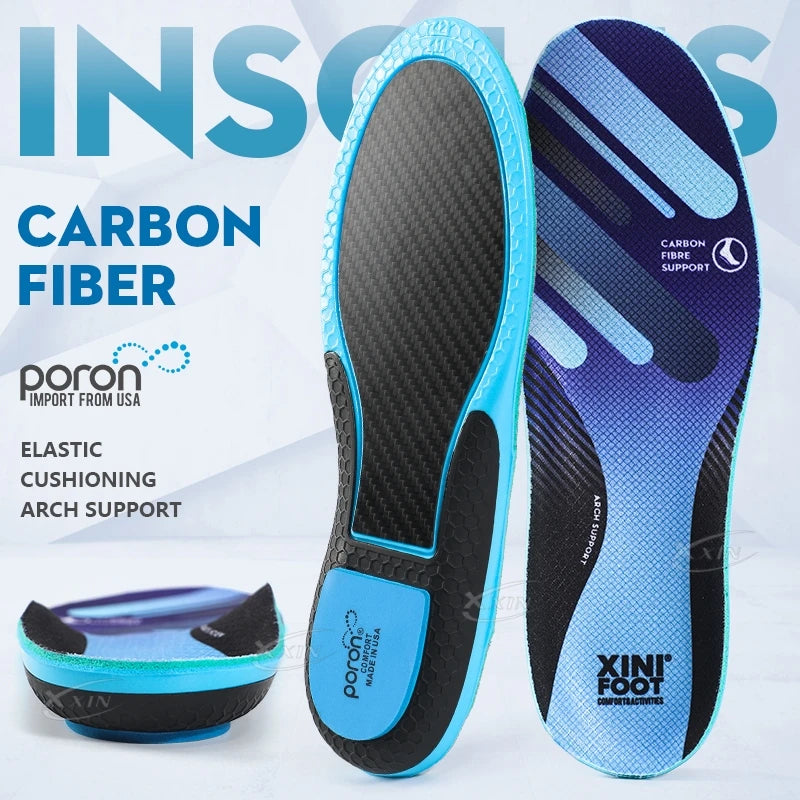
Reduced joint impact means longer, stronger sessions — See it in action
Real athlete results: what users notice after switching insoles
Athletes commonly notice changes in comfort before measurable performance improvements. Once the body adapts to improved support, many users report more consistent movement patterns during training and competition.
- Reduced foot fatigue during longer workouts.
- Less soreness around the knees, ankles, and heels after training.
- Greater comfort inside snug performance shoes.
- Improved stability during sprinting, jumping, and quick direction changes.
- More confidence during consecutive training sessions.
The adaptation period typically ranges from a few workouts to about two weeks, depending on the athlete and the amount of correction provided by the insoles. While athletic insoles are worth it for many active people, results vary based on foot structure, shoe fit, and training intensity.
Sports shoe inserts vs orthopedic shoes: which is better?
Sports shoe inserts and orthopedic shoes are designed for different goals. Sports insoles prioritize athletic performance, comfort, and versatility, while orthopedic footwear is intended to address diagnosed medical conditions or structural foot problems.
- Sports shoe inserts: Improve stability, energy transfer, shock absorption, and comfort while allowing you to continue wearing your preferred athletic shoes.
- Orthopedic shoes: Provide corrective support for medical conditions such as severe deformities, diabetic foot complications, or significant gait abnormalities.
Sports insoles vs custom orthotics
Custom orthotics are prescribed for individuals with specific medical needs and are built to address unique biomechanical issues. High-quality sports insoles, on the other hand, are designed for healthy or recreationally active individuals seeking better athletic performance, reduced fatigue, and improved comfort at a lower cost.
For most athletes without a diagnosed foot condition, performance-focused insoles offer an excellent balance of support, flexibility, and value.
Who should use sports shoe inserts?
Sports shoe inserts for athletes can benefit nearly anyone participating in repetitive or high-impact activities, especially when training frequency or intensity increases.
- Competitive runners looking to improve comfort over long distances.
- Basketball, volleyball, tennis, and pickleball players who need greater lateral stability.
- Athletes with flat feet, high arches, or mild overpronation.
- Gym enthusiasts performing plyometrics, functional fitness, or heavy strength training.
- Recreational athletes experiencing recurring foot, knee, or ankle discomfort after exercise.
Selecting the appropriate support for your foot type and activity helps improve consistency while reducing unnecessary stress during training.
Get yours now — limited stock!
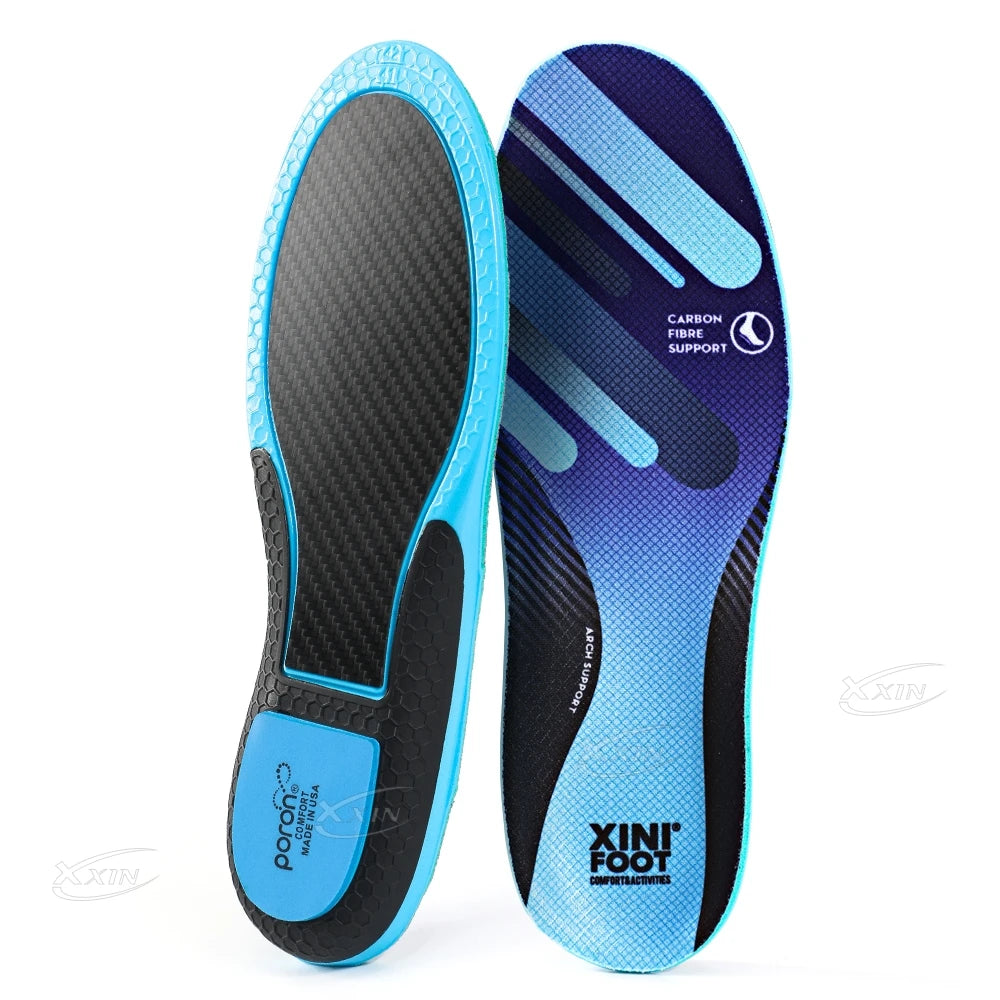
Upgrade your foundation, upgrade your performance — See it in action
Are athletic insoles worth it?
For athletes who train consistently, athletic insoles are often one of the most cost-effective upgrades available. Rather than replacing quality shoes prematurely, they enhance comfort, support, and movement efficiency while extending the usefulness of your existing footwear.
- More affordable than purchasing multiple pairs of specialized shoes.
- Immediate improvements in comfort for many users.
- Better support during repetitive high-impact activities.
- Potential reductions in fatigue that help maintain training quality.
- Suitable for runners, court sport athletes, and regular gym users.
While insoles won't automatically increase speed or strength, many athletes find the combination of improved comfort, stability, and reduced fatigue worthwhile over months of regular training.
Frequently asked questions
Can sports insoles help prevent injuries?
They may lower the risk of certain overuse injuries by improving alignment, stability, and shock absorption, but no insole can completely prevent injuries. Proper footwear, training progression, and recovery remain essential.
Do athletic insoles fit all shoes?
Most sports insoles are trim-to-fit and compatible with many athletic shoes. Low-profile designs generally work best in snug performance footwear.
How long before I notice results?
Many athletes notice increased comfort during the first workout, while full adaptation to new support typically takes one to two weeks.
Do insoles improve athletic performance?
They can improve comfort, stability, and movement efficiency, which may indirectly support better endurance and more consistent performance over time.
How often should I replace sports insoles?
Replace them every 6–12 months, or sooner if cushioning compresses, support decreases, or visible wear develops from frequent training.
Are custom orthotics better than sports insoles?
Custom orthotics are best for medically diagnosed conditions, while sports insoles are designed to enhance athletic comfort and performance for the majority of active users.
Can I use the same insoles for multiple sports?
Yes. Versatile performance insoles can often be transferred between running shoes, training shoes, and court shoes, provided the fit remains secure.
Do thicker insoles provide better support?
Not necessarily. Proper arch structure, material quality, and overall fit have a greater impact on support than thickness alone.













