

Personal Cooling in Heat: Smart Summer Heat Relief Tips
Personal cooling in heat means using practical strategies to reduce how hot you feel without needing to cool an entire room or outdoor area. The most effective approach combines airflow, hydration, shade, breathable clothing, activity planning, and portable cooling when appropriate. For hot-weather travel, commuting, walking, and outdoor activities, personal airflow can make conditions feel more comfortable while helping you manage heat exposure.
What Is Personal Cooling in Heat?
Personal cooling in heat focuses on creating a more comfortable microenvironment around your body rather than lowering the temperature of a whole space. This can include moving air across your skin, staying hydrated, seeking shade, wearing lightweight clothing, and using portable cooling devices such as handheld or wearable fans.
The right method depends on the temperature, humidity, activity level, sun exposure, and how long you expect to remain in the heat. A portable fan can improve airflow, for example, but it should be viewed as one part of a broader summer heat-relief strategy rather than a replacement for rest, hydration, or getting out of dangerous heat.
How Personal Cooling Helps You Feel Cooler
Air movement can improve comfort by increasing airflow around exposed skin. When air moves across the body, it can help sweat evaporate under appropriate environmental conditions, making the surrounding air feel less stagnant and uncomfortable.
This is particularly useful when you are walking, commuting, waiting outdoors, traveling, or working in a warm area where a full-size fan or air conditioner is unavailable. Personal airflow lets you direct cooling toward the area where you need it most instead of trying to cool an entire room.
Personal Cooling vs. Cooling the Entire Environment
Environmental cooling attempts to lower the temperature of a room or larger space. Air conditioning and conventional room fans are examples of this broader approach. Personal cooling takes a narrower approach: it focuses airflow or another cooling method on the individual.
This distinction matters during travel and outdoor activities. Carrying a large fan is impractical for most people, while a compact personal cooling device can fit into a bag or travel setup and be used when needed.
Why Airflow Matters in Hot Weather
Still air can make hot conditions feel especially uncomfortable. Increasing airflow can help reduce that stagnant sensation and may support sweat evaporation when humidity and environmental conditions allow it.
For everyday comfort, the goal is not necessarily to create the strongest possible airflow. Instead, choose airflow that is practical for the situation, easy to direct, and convenient enough that you will actually use it.
The Most Effective Summer Heat Relief Tips
Personal cooling works best when it is combined with basic heat-management habits. These strategies can improve comfort before, during, and after time spent outdoors.
Increase Airflow Around Your Body
Use natural airflow, room fans, portable fans, or handheld fans to keep air moving around you. When traveling or commuting, a compact fan can provide targeted airflow without requiring you to carry a full-size appliance.
Direct airflow toward your face, neck, upper body, or another comfortable area depending on the situation. If you are outdoors, remember that airflow is only one part of heat management and should not encourage you to remain in extreme conditions longer than is safe.
Stay Hydrated Before and During Heat Exposure
Hydration is an important part of managing hot-weather exposure. Drink fluids regularly rather than waiting until you feel extremely thirsty, particularly when spending extended periods outdoors or being physically active.
Carry water when traveling, commuting, sightseeing, or attending outdoor events. Personal airflow can improve comfort, but it does not replace adequate fluid intake.
Use Shade and Reduce Direct Sun Exposure
Direct sunlight can make outdoor conditions feel substantially hotter. Whenever practical, choose shaded walkways, covered seating, umbrellas, indoor areas, or other forms of protection from direct sun.
Combining shade with airflow can be more practical than relying on a fan alone. If conditions become increasingly uncomfortable, moving into a cooler environment should take priority over simply increasing personal airflow.
Choose Lightweight, Breathable Clothing
Lightweight and breathable clothing can make hot-weather activities more comfortable by allowing greater air circulation around the body. Consider clothing appropriate for the activity while avoiding unnecessary layers when temperatures are high.
Plan Outdoor Activities Around Heat Conditions
When possible, schedule walking, sightseeing, exercise, commuting, and other outdoor activities around the hottest part of the day. Shorter periods of exposure combined with breaks in shade or cooler environments can make heat management easier.
How to Use Personal Cooling Outdoors
Outdoor cooling is especially useful when you cannot control the ambient temperature. A portable cooling device can provide targeted airflow during short periods of exposure, while other strategies help reduce the overall heat load on your body.
Personal Cooling for Walking and Commuting
Walking and commuting can combine heat, direct sunlight, physical activity, and limited access to cooling. A handheld fan can provide focused airflow while you walk or wait for transportation.
A compact foldable design is particularly convenient for commuting because it can be stored when not needed. Depending on the design, a personal fan may also be positioned nearby during a break instead of being held continuously.
Personal Cooling for Travel and Outdoor Events
Travel often means moving between airports, stations, sidewalks, attractions, queues, and outdoor venues where access to air conditioning varies. A portable fan can become part of a summer travel kit alongside water, sun protection, and breathable clothing.
For events, consider how much space you have available, how long you will remain outside, and whether the device needs to be carried throughout the day. Compactness and ease of storage can matter as much as airflow.
Personal Cooling During Exercise and Active Outdoor Use
Physical activity increases the amount of heat your body produces, so personal cooling can be useful for comfort during breaks or lower-intensity periods. However, a fan should not be used as a reason to ignore signs of excessive heat exposure.
During strenuous activity, prioritize appropriate hydration, rest periods, shade, and access to a cooler environment. If you begin feeling unwell, stop the activity and move somewhere cooler rather than relying solely on airflow.
When to Take a Break From the Heat
Personal cooling is most useful when paired with sensible breaks. If the environment feels increasingly difficult to tolerate, move indoors or into a shaded, cooler location. A portable fan can support comfort, but it cannot eliminate the risks associated with prolonged exposure to extreme heat.
Portable Cooling Options for Summer Heat
Portable cooling products come in several formats, and each works best in different situations. Instead of choosing a single universally “best” cooling device, consider where you will use it, how much portability you need, and whether you prefer handheld, desktop, or wearable airflow.
Portable Fans
Portable fans are designed to provide airflow without requiring a fixed installation. They can be useful at work, while traveling, or during temporary outdoor use. Larger portable models may offer broader airflow, while smaller models prioritize convenience.
Handheld Fans
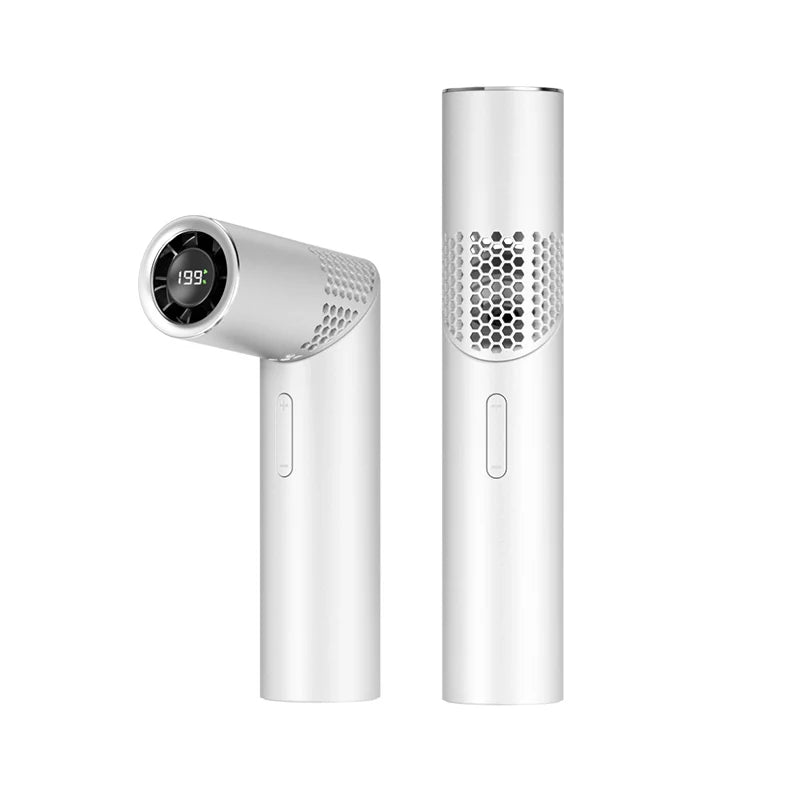
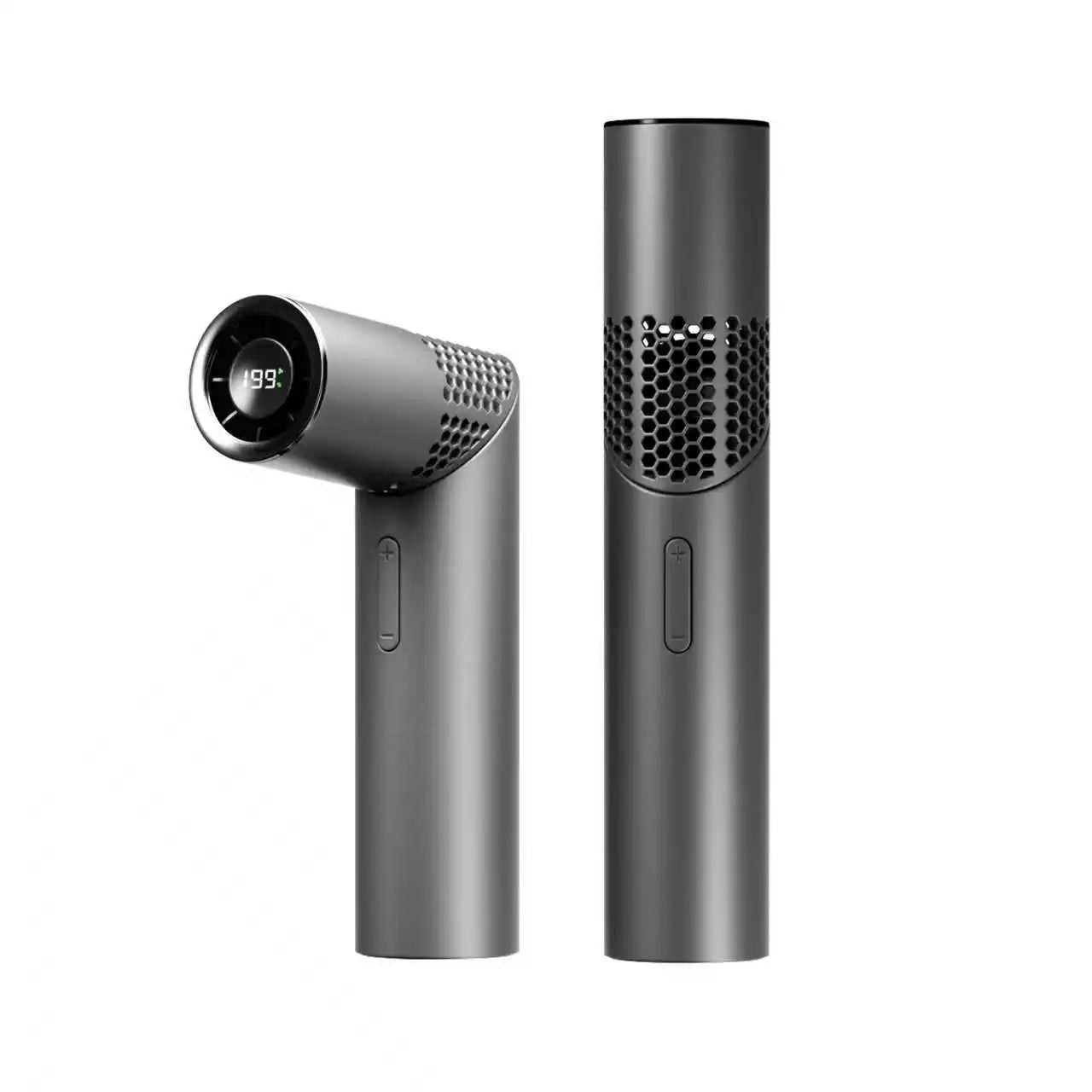
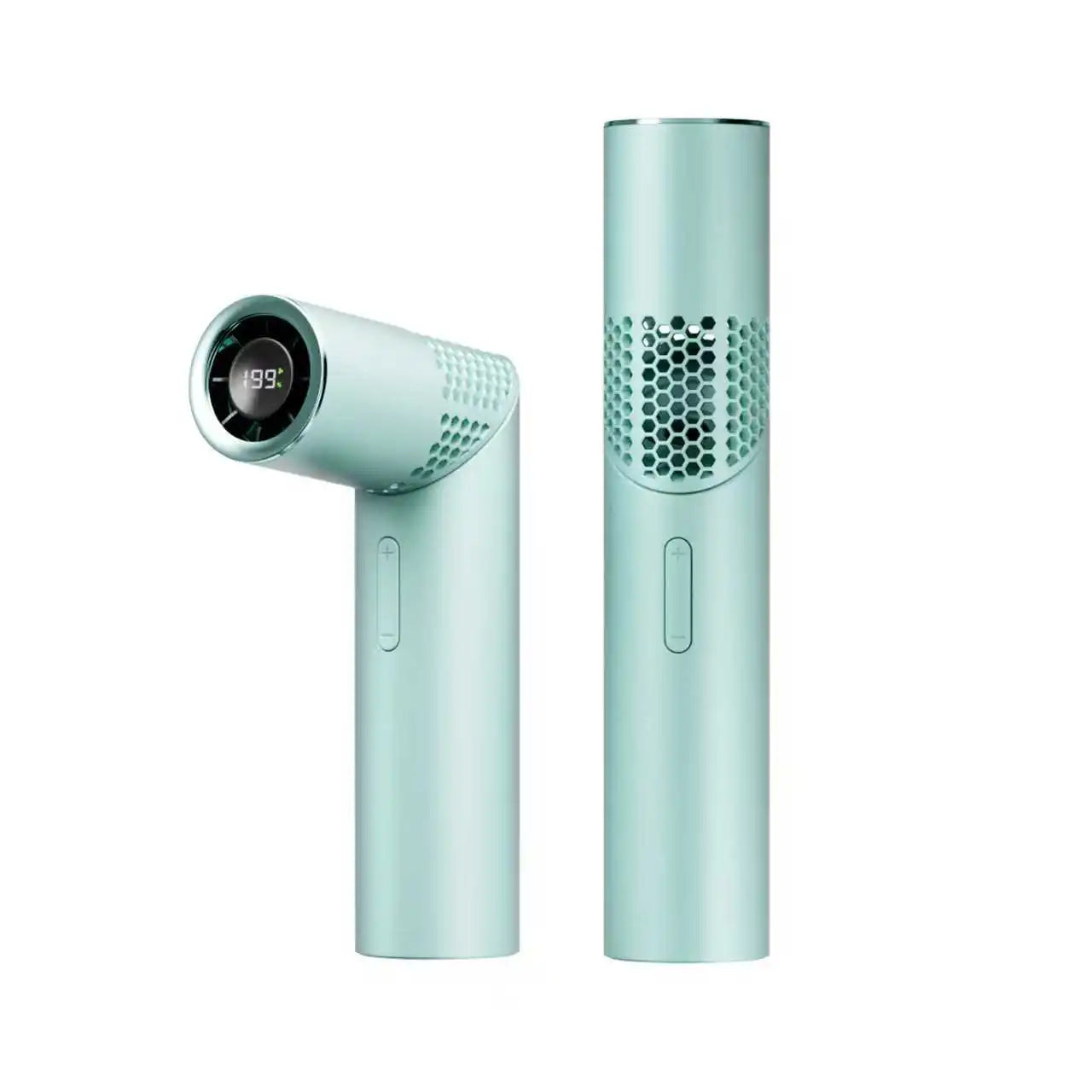
Handheld fans provide direct personal airflow and are especially practical when you want to control exactly where the air is directed. A foldable handheld fan can offer an additional storage advantage because it can be adjusted and stored more easily when not in use.
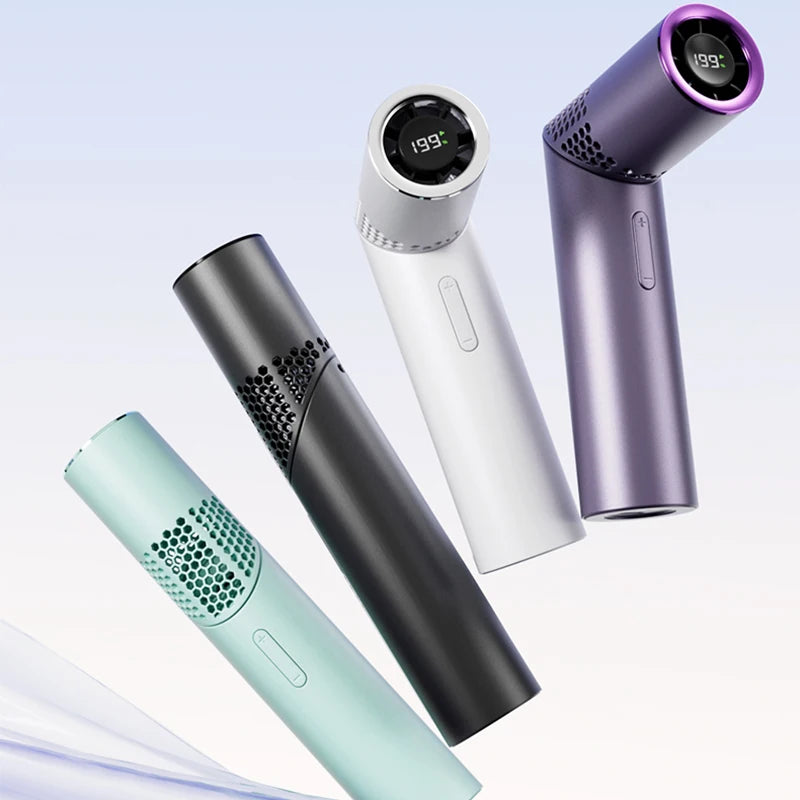
A compact electric handheld fan such as the Portable Handheld Fan is designed for personal airflow at home, work, while commuting, during travel, or outdoors. Its foldable ABS construction can be used as a handheld or desktop personal cooling option, while its versatile design also supports neck-hanging use.
Neck and Wearable Fans
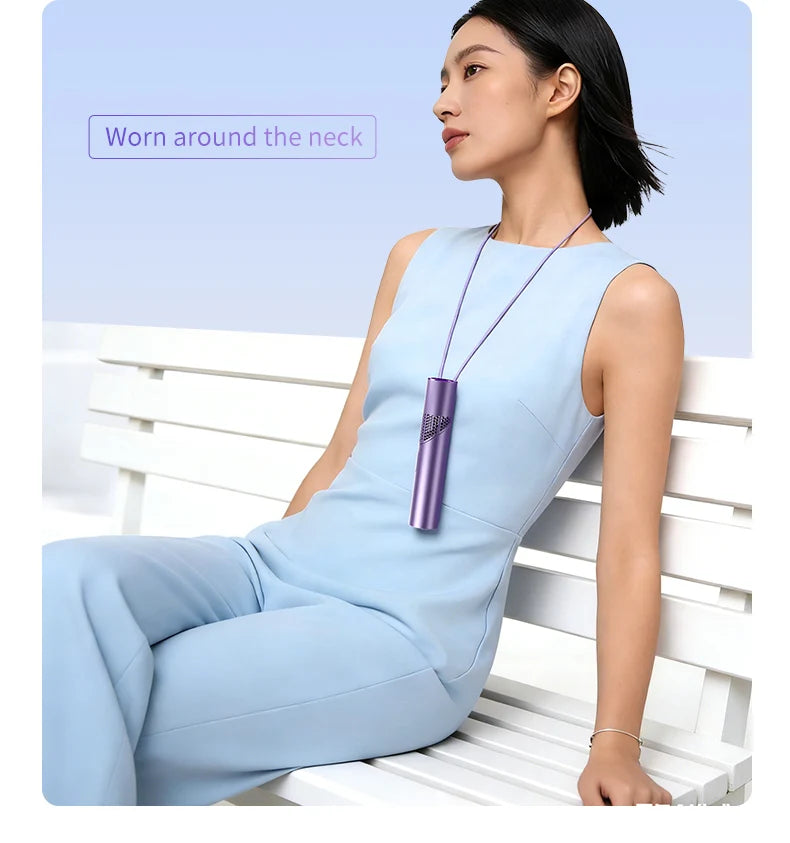
Neck and wearable fans are designed to provide airflow while leaving your hands relatively free. They can be useful for walking, commuting, or other activities where continuously holding a device is inconvenient.
The trade-off is that wearable designs may not offer the same degree of manual airflow direction as a handheld fan. Consider whether hands-free operation or precise airflow control matters more for your routine.
Evaporative Cooling Options
Evaporative cooling uses water evaporation to create a cooling effect. Its effectiveness can vary substantially with humidity. In relatively dry conditions, evaporation can be more practical, while high humidity can reduce how effectively sweat and added moisture evaporate.
How to Choose a Portable Cooling Option
Start with your primary use case. If you frequently travel and need something compact, portability and foldability may be important. If you work at a desk, a device that can sit nearby may be more convenient. If you walk frequently, hands-free operation may be preferable.
| Cooling option | Best suited for | Main advantage | Key consideration |
| Handheld fan | Commuting, travel, walking | Targeted airflow | Requires holding unless positioned nearby |
| Desktop portable fan | Workspaces and desks | Convenient stationary airflow | Less useful while moving |
| Neck or wearable fan | Walking and hands-free activities | Hands-free operation | Less manual airflow control |
| Evaporative cooling | Suitable dry-heat environments | Uses evaporation for cooling | Performance depends on humidity |
For additional personal-care and everyday devices, explore the Body Care and Health Devices collection or browse the Lifestyle collection for products designed around everyday convenience.
Personal Cooling vs. Evaporative Cooling: What Works Better?
How Airflow-Based Cooling Works
Airflow-based cooling moves air across the body. A portable fan does not necessarily lower the temperature of the surrounding environment, but it can make personal conditions feel more comfortable by increasing air movement.
This makes fans particularly convenient for travel, commuting, indoor workspaces, and short outdoor periods when targeted airflow is useful.
How Evaporative Cooling Works
Evaporative cooling relies on water changing from liquid to vapor. The process can remove heat under favorable conditions, but the surrounding humidity affects how readily evaporation occurs.
Because of this, evaporative cooling and airflow-based cooling should not be treated as interchangeable technologies. Their practicality depends on environmental conditions.
Which Method Fits Humid vs. Dry Heat?
In humid environments, the air already contains substantial moisture, which can limit evaporation. Airflow may therefore be a more practical personal comfort strategy for many situations.
In dry environments, evaporation can be more effective, making evaporative approaches worth considering. In either case, shade, hydration, rest, and reducing heat exposure remain important.
How to Choose the Right Personal Cooling Method
Consider the Heat Index and Humidity
Air temperature alone does not fully describe how hot conditions feel. Humidity affects the body's ability to lose heat through evaporation, which is why the heat index can provide useful context when evaluating outdoor conditions.
As heat and humidity increase, personal cooling should be combined with stronger heat-management habits. Do not assume that a fan makes extreme conditions safe.
Match Cooling to Your Activity Level
A short walk, a long commute, sightseeing, outdoor work, and exercise place different demands on your body. The more physically demanding the activity, the more important it becomes to plan breaks, hydration, shade, and access to cooler environments.
Choose a cooling device that fits the activity rather than selecting one based only on maximum airflow. Convenience determines whether you are likely to carry and use the device consistently.
Consider Portability and Battery Life
For travel and commuting, compact size can be more valuable than a large fan head. Look for a design that fits naturally into your bag or workspace and can be stored easily between uses.
For electric portable fans, consider how and where the device will be powered or recharged. A fan that is convenient to carry but difficult to keep powered may be less useful during longer trips.
Choose Cooling Based on Where You Will Use It
Think about your typical environment before choosing a cooling format. A handheld fan can work well when you need directed airflow while moving. A desktop model is more suitable when you remain in one place. A neck-hanging design can be useful when keeping your hands free is a priority.
Heat Safety: When Cooling Strategies Are Not Enough
Understand Heat Index and Heat Exposure
Heat exposure becomes more concerning as temperature, humidity, direct sunlight, physical exertion, and exposure duration increase. Personal cooling devices should therefore be considered comfort tools within a broader heat-safety plan.
When conditions are extreme, reducing exposure and moving to a cooler environment are more important than simply increasing airflow.
Signs That You Need to Stop and Cool Down
If you feel unusually weak, dizzy, confused, faint, severely fatigued, or otherwise unwell while exposed to heat, stop the activity and seek a cooler environment. Do not continue exercising or traveling through extreme heat simply because a portable fan is making you feel temporarily more comfortable.
For severe or rapidly worsening symptoms, seek appropriate medical assistance. Heat-related illness can become serious, and comfort from airflow does not guarantee that the body is adequately protected from heat stress.
Why Personal Cooling Does Not Replace Heat-Safety Measures
A handheld fan can provide useful airflow, but it does not replace hydration, shade, rest, appropriate clothing, activity planning, or access to a cooler environment. The most reliable strategy is layered: reduce heat exposure where possible, support natural cooling, and use portable airflow for additional comfort.
Personal Cooling in Heat: The Practical Approach
The best approach to personal cooling in heat is not based on one device. Start with the environment: use shade, reduce direct sun exposure, plan demanding activities carefully, and take regular breaks. Support your body with appropriate hydration and lightweight clothing. Then add targeted airflow when it makes sense for the situation.
For travel and commuting, a compact portable fan can be particularly practical because it provides personal airflow without the bulk of a conventional room fan. A foldable handheld design can also transition between handheld and nearby desktop use, making it suitable for different parts of the day.
If you are looking for a convenient personal airflow option, you can explore the portable foldable handheld fan. For broader everyday device options, the Body Care and Health Devices collection provides another starting point.
Ultimately, effective summer heat relief comes from matching the cooling strategy to the conditions. Airflow can improve comfort, but hydration, shade, appropriate clothing, sensible activity planning, and recognizing when to leave the heat should remain the foundation of staying comfortable and safer during hot weather.
Pillar Article: Best Portable Handheld Fan for Travel: 2026 Tested Picks













