

Does a personal room heater really improve comfort?
A personal room heater improves comfort by delivering heat exactly where you need it most instead of warming unused space. Designed for targeted personal room heating, it supports small room heating during work, sleep, or relaxation, helping users feel warmer faster while potentially reducing overall heating costs when used correctly.
⏱ 8 min read
Uses of Room Heater: Comfort, Productivity, and Safety Benefits
Cold fingers while typing, chilly nights that interrupt sleep, or drafty corners that never seem to warm up—sound familiar? A personal room heater changes how heat is experienced by focusing warmth where your body actually is instead of heating an entire home unnecessarily. Whether you're working remotely, relaxing with a book, or sleeping through a cold night, targeted heating offers an efficient way to stay comfortable while using energy more strategically.
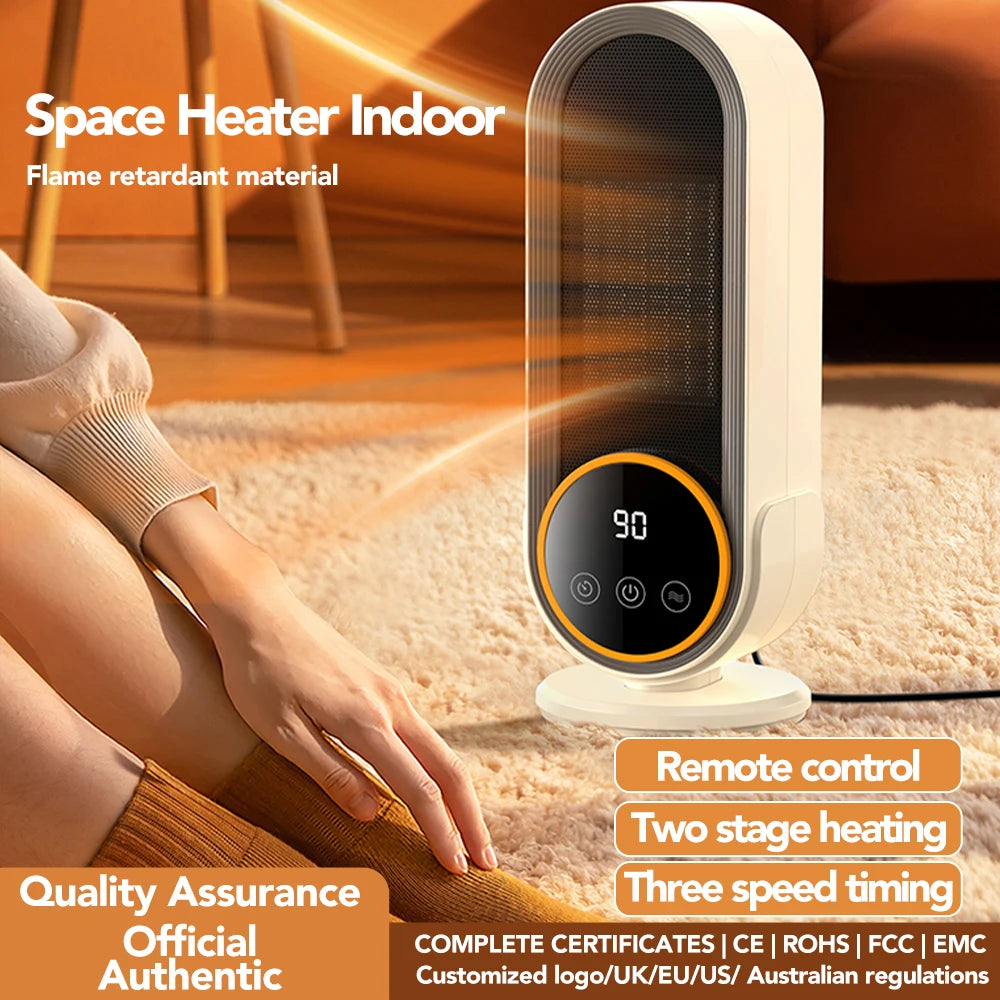
Targeted personal room heating that adapts to your space — See it in action
What Are the Uses of a Room Heater?
Common everyday uses
The primary uses of a room heater are to provide fast, localized warmth in occupied spaces without heating an entire building. Common situations include warming a home office during remote work, making bedrooms more comfortable before bedtime, reducing cold spots in apartments, supplementing central heating during winter, and providing temporary warmth during seasonal temperature drops.
When a room heater is better than central heating
A room heater is often the better choice when only one room is occupied for long periods. This spot-heating approach allows you to focus heat where it's actually needed instead of raising the temperature throughout an entire home. It's particularly useful for apartments, shared households with different comfort preferences, or homes with rooms that stay colder than others.
How Room Heaters Work
How room heaters generate heat
Most room heaters convert electrical energy into heat using ceramic elements, radiant panels, oil-filled chambers, or heating coils combined with fans. Depending on the design, warm air is either circulated around the room or directed toward nearby occupants for faster personal comfort.
Spot heating vs whole-home heating
Spot heating concentrates warmth within a limited area, making it ideal for desks, reading chairs, bedsides, or small rooms. Whole-home heating distributes warmth throughout the house but may consume more energy when only one or two rooms are occupied. Understanding this difference helps explain many indoor heater benefits, especially during colder months.
Types of Room Heaters and Their Best Uses
Ceramic heaters
Ceramic heaters warm up quickly and are excellent for personal spaces such as bedrooms, offices, and dorm rooms. Many include thermostats and tip-over protection for everyday convenience.
Radiant and infrared heaters
Radiant heaters warm nearby people and objects instead of heating all the surrounding air. They're ideal for desks, workshops, garages, and spaces where immediate directional warmth is preferred.
Oil-filled radiators
Oil-filled radiators provide slower but longer-lasting heat. They operate quietly and maintain consistent temperatures, making them well suited for bedrooms or living rooms where continuous warmth is desired.
Convection and fan heaters
Fan-assisted convection heaters circulate warm air throughout a room more quickly than many other designs. They work well in small to medium-sized indoor spaces where fast heating is the priority.
Benefits of Using a Room Heater
Personal room heater benefits
Personal room heaters provide targeted warmth exactly where you spend the most time. Instead of heating unused rooms, they improve everyday comfort while giving each household member greater control over their preferred temperature.
Energy-saving potential
Using a room heater strategically may reduce reliance on central heating in certain situations. Heating only occupied rooms helps minimize wasted energy while maintaining comfort where it's actually needed.
A comfortable sleeping environment often starts with a warm bedroom before bedtime. Adjustable temperature settings allow users to create a cozy atmosphere without overheating the entire house.
Room heater for work productivity
Cold hands and uncomfortable workspaces can make concentration more difficult. A personal heater positioned near your workstation helps maintain comfort during long work sessions, allowing you to focus without constant distractions caused by chilly temperatures.
Practical Uses by Room and Situation
Bedrooms
Portable heaters help warm bedrooms before sleep, especially in homes where central heating struggles to maintain consistent nighttime temperatures.
Home offices
Remote workers often benefit from keeping only their workspace warm instead of heating the entire home. This makes personal heaters a practical solution during long working hours.
Garages and workshops
Garages, hobby rooms, and workshops frequently experience lower temperatures than living spaces. Portable room heaters provide temporary warmth for projects while allowing flexibility as work areas change.
Emergency backup heating
Portable heaters can serve as supplemental heating during temporary furnace issues or unexpected cold weather. While they should never replace properly functioning home heating systems for entire houses, they offer valuable short-term comfort when used safely.
Energy-Efficient Room Heater Use
Reduce electricity costs
Close doors to unused rooms, eliminate drafts where possible, and heat only occupied spaces. Combining these habits with targeted heating often improves overall efficiency.
Ideal thermostat settings
Using a moderate thermostat setting instead of maximum heat usually provides better comfort while avoiding unnecessary electricity consumption. Allow the heater's thermostat to maintain a stable temperature whenever possible.
Insulation and heat retention
Even the most efficient heater performs better in a well-insulated room. Closing curtains, sealing air leaks, and using rugs on cold floors can help retain warmth longer.
How to Use a Room Heater Safely
Safe placement
- Keep heaters at least 3 feet away from furniture, curtains, bedding, and other flammable materials.
- Place heaters on stable, level surfaces.
- Avoid blocking air intake or exhaust vents.
Fire prevention
Choose models with automatic shut-off, overheat protection, and tip-over safety features. Never cover a heater while it is operating.
Electrical safety
Plug heaters directly into a wall outlet whenever possible, inspect power cords regularly, and avoid using damaged extension cords that may overheat.
When not to use a heater
Do not operate room heaters in wet environments, bathrooms unless specifically rated for that purpose, or poorly ventilated spaces. Never leave a heater running unattended or while sleeping unless the manufacturer specifically approves overnight operation.
How to Choose the Right Room Heater
Choose by room size
Small personal heaters work well for desks and compact bedrooms, while larger rooms may require higher-capacity units or supplemental heating from multiple sources.
Choose by heating purpose
Consider whether you need fast personal warmth, quiet overnight heating, or consistent background comfort. Matching the heater type to its intended use improves both efficiency and satisfaction.
Features worth considering
Look for adjustable thermostats, programmable timers, multiple heat settings, oscillation, carrying handles, automatic shut-off, tip-over protection, and energy-saving modes. These features improve convenience while enhancing safe everyday operation.
For additional wellness inspiration, explore the Beauty & Self-Care Blog and Body & Face Blog .
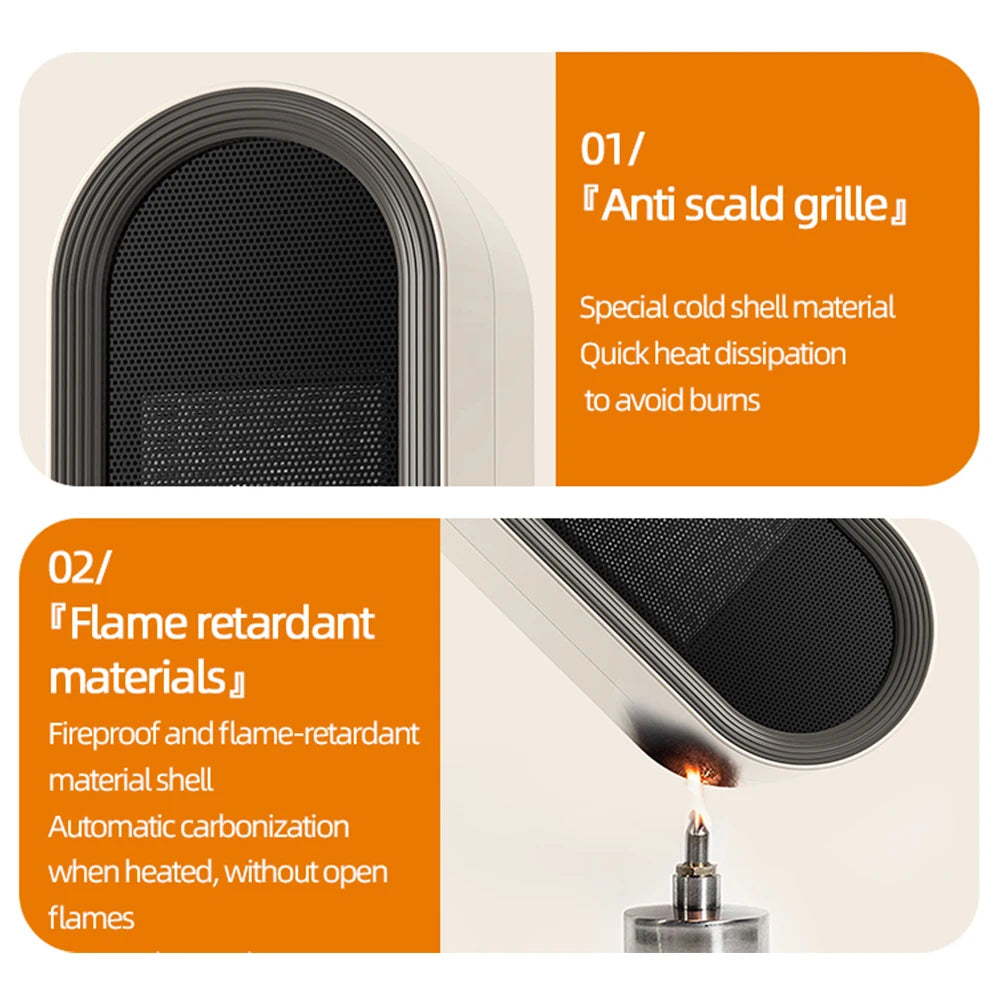
Portable heater for indoor use that fits your lifestyle — Feel the comfort
Maintenance Tips for Long-Term Performance
Cleaning
Regularly remove dust from air vents and exterior surfaces after unplugging the heater. Clean equipment operates more efficiently and helps maintain proper airflow.
Storage
Store portable heaters in a dry location after winter, preferably inside their original packaging or covered to prevent dust accumulation.
Inspection
Before each heating season, inspect power cords, plugs, switches, and safety features for signs of wear. Replace damaged units instead of attempting temporary repairs.
Mini FAQ: Quick Answers Before You Decide
What are the main uses of a room heater?
Room heaters provide targeted warmth for bedrooms, home offices, living areas, workshops, and other occupied spaces while reducing the need to heat unused rooms.
Is a room heater cheaper than central heating?
When heating only one occupied room for extended periods, a room heater can often be more economical than warming an entire home, although actual costs depend on electricity prices, insulation, and usage habits.
Which type of room heater is best for a bedroom?
Quiet oil-filled radiators and ceramic heaters with thermostats are popular bedroom choices because they provide comfortable, consistent warmth.
Can a portable room heater be used all night?
Only operate a heater overnight if the manufacturer specifically states it is designed for that purpose and all recommended safety guidelines are followed.
How can I use a room heater safely?
Keep it away from flammable materials, place it on a stable surface, plug it directly into a wall outlet, and never leave it unattended while operating.
Do room heaters improve work productivity?
Maintaining a comfortable workspace reduces distractions caused by cold temperatures, helping many people stay focused during extended work sessions.
What is the most energy-efficient way to use a room heater?
Heat only occupied rooms, close doors to unused spaces, improve insulation, and use the thermostat to maintain a comfortable rather than excessive temperature.
Can a room heater be used as emergency backup heating?
Yes. Portable heaters provide temporary supplemental warmth during furnace outages or unexpected cold weather, provided they are used according to manufacturer safety instructions.
Explore related wellness and lifestyle solutions in the Lifestyle collection for ideas that complement targeted heating.
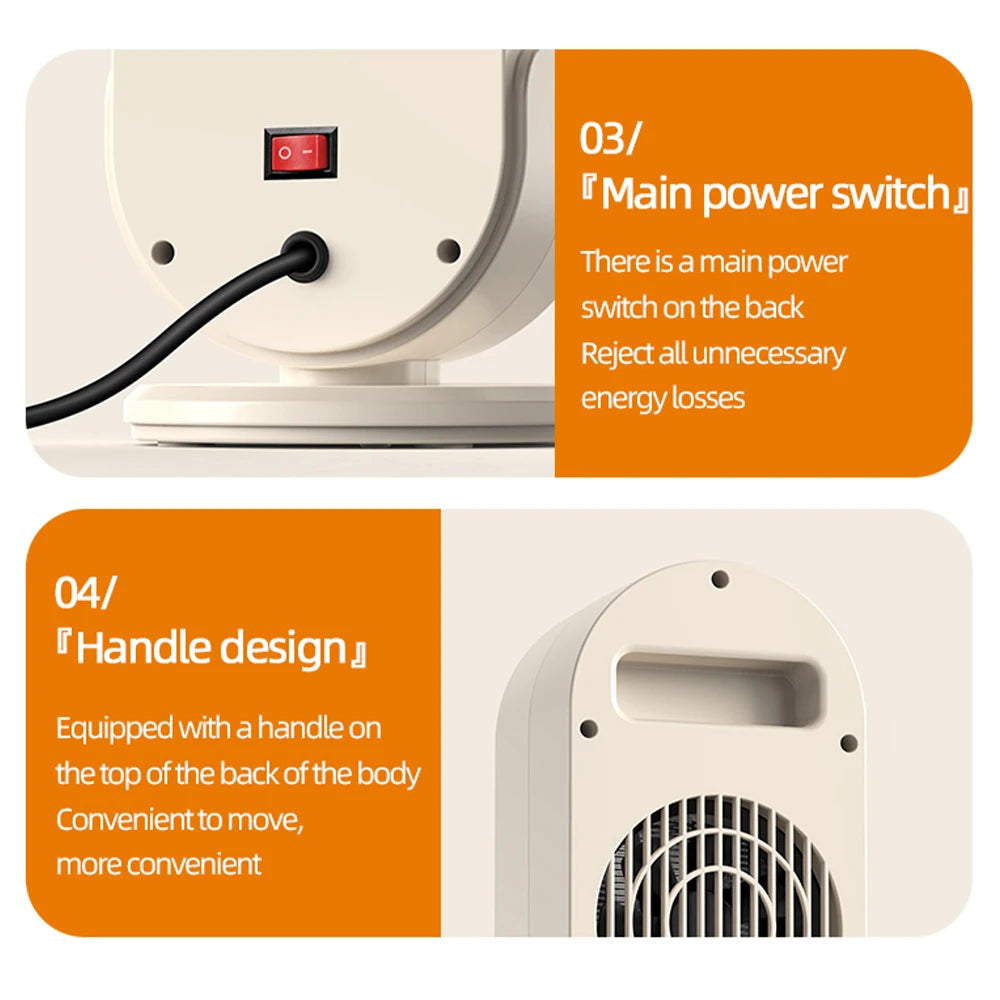
Small room heating for focused work sessions — Experience the difference













