Red Light Therapy for Neck Skin: Does It Really Tighten, Smooth, and Reverse Aging?
Does red light therapy for neck skin really work?
Yes. Red light therapy for neck skin can improve firmness, smooth fine lines, and reduce the appearance of crepey skin by stimulating collagen production and supporting natural skin repair. Clinical studies and real-world use suggest that consistent treatment with red and near-infrared LED light can enhance skin elasticity and texture over time, although results develop gradually rather than overnight.
Most people begin noticing healthier-looking skin within 4 to 8 weeks of regular treatments, while more visible improvements in firmness and wrinkle depth often appear after 8 to 12 weeks of consistent use.
- Helps soften horizontal neck lines and fine wrinkles
- Supports collagen and elastin production for firmer skin
- Improves crepey, dry, or thinning neck skin
- Enhances overall skin tone and texture
- Provides a non-invasive option for long-term skin maintenance
While red light therapy cannot produce the dramatic lifting of cosmetic surgery, it is one of the most evidence-supported non-invasive treatments for improving mild to moderate signs of neck aging at home.
⏱ 5 min read
If your neck seems to age faster than your face, you're not imagining it. Thin skin, repeated movement, sun exposure, and natural collagen loss all contribute to wrinkles and sagging that skincare products alone often struggle to address. Red light therapy offers a science-backed approach that works beneath the skin's surface to encourage healthier, firmer-looking tissue over time.
Explore how photobiomodulation for neck skin fits into modern self-care.
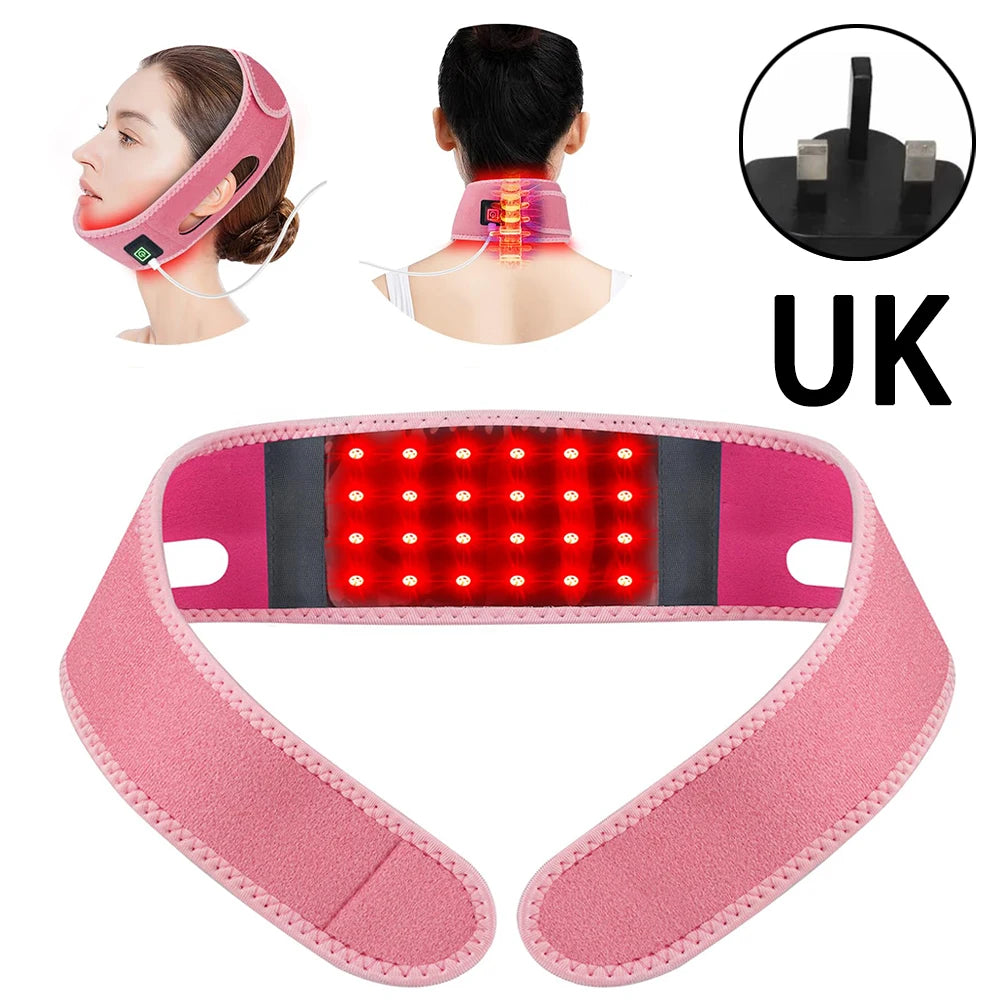
Photobiomodulation for neck skin using red light neck therapy — See it in action
What Is Red Light Therapy (Photobiomodulation) for Neck Skin?
Red light therapy, also called photobiomodulation , is a non-invasive treatment that uses specific wavelengths of red and near-infrared light to stimulate natural cellular repair. Rather than heating or damaging the skin, the light is absorbed by cells, helping them produce more energy to support collagen production, tissue renewal, and healthier skin function.
Red light vs near-infrared light
Although both wavelengths are commonly delivered by LED devices, they affect different depths of tissue and complement each other during treatment.
- Red light (630–660nm): Primarily targets the upper skin layers to improve skin tone, fine lines, and overall texture.
- Near-infrared light (830–850nm): Penetrates deeper into underlying tissue to support collagen remodeling, structural repair, and skin firmness.
Using both wavelengths together allows many LED devices to address visible surface concerns while also supporting the deeper structures responsible for youthful-looking skin.
How photobiomodulation works
When red and near-infrared light reach the skin, they are absorbed by mitochondria—the energy-producing structures inside cells. This increases the production of adenosine triphosphate (ATP), the fuel cells use for repair and regeneration.
Greater cellular energy helps fibroblasts produce collagen and elastin more efficiently while supporting circulation and normal tissue recovery. Because neck skin is naturally thinner and contains less collagen than facial skin, these biological effects can be particularly valuable for improving firmness and resilience over time.
Unlike topical creams that mainly work on the skin's surface, photobiomodulation encourages repair from within, making red light therapy for neck skin a popular addition to long-term anti-aging routines. Many people also choose treatments that combine both red and near infrared therapy for neck wrinkles to maximize overall skin support.
Why Neck Skin Ages Faster (And Why It Needs Targeted Treatment)
The neck is often one of the earliest areas to reveal visible aging because its skin is naturally thinner, contains fewer oil glands, and has lower collagen density than the face. These characteristics make it more vulnerable to dehydration, loss of elasticity, and the development of wrinkles.
Daily habits and environmental exposure can accelerate neck skin aging , causing lines and laxity to appear sooner than many people expect.
- Repeated downward head movement that creates "tech neck" creases
- Years of cumulative sun exposure without consistent SPF protection
- Natural decline in collagen and elastin production with age
- Reduced structural support compared with facial skin
- Frequent stretching and movement throughout the day
Because the neck ages differently from the face, products designed only for facial skincare may not fully address its unique needs. Treatments that stimulate collagen beneath the skin, such as red light therapy, can provide targeted support by improving skin quality from within while remaining gentle enough for this delicate area.
How Red Light Therapy Improves Neck Skin (Science Explained)
Collagen stimulation and elastin repair
One of the primary reasons red light therapy is used for aging neck skin is its ability to stimulate fibroblasts, the specialized cells responsible for producing collagen and elastin. As collagen production naturally declines with age, the neck becomes more prone to fine lines, sagging, and crepey texture.
By supporting fibroblast activity, photobiomodulation encourages gradual collagen remodeling rather than creating an immediate cosmetic effect. Over weeks of consistent treatment, this process can improve skin firmness, elasticity, and overall resilience.
Key wavelengths (630–660nm vs 830–850nm)
Different LED wavelengths work together to target multiple layers of the skin.
- 630–660nm red light: Primarily benefits the skin's surface by improving tone, softening fine lines, and enhancing overall texture.
- 830–850nm near-infrared light: Reaches deeper tissue where it supports collagen remodeling, cellular repair, and structural firmness.
Devices that combine both wavelengths often provide more comprehensive treatment by addressing visible cosmetic concerns while supporting the deeper tissue responsible for long-term skin quality.
Circulation and cellular energy (ATP production)
Red light therapy increases mitochondrial activity, leading to greater production of adenosine triphosphate (ATP), the energy source used by every cell. Increased ATP allows skin cells to perform normal repair processes more efficiently.
Improved microcirculation also enhances oxygen and nutrient delivery while supporting the removal of cellular waste. Together, these effects help the neck maintain healthier-looking skin and recover more effectively from everyday environmental stress.
Because these biological changes occur gradually, consistent treatment is far more important than long individual sessions. Most improvements accumulate over several weeks as collagen and elastin continue to rebuild.

Neck red light therapy in action — See how users apply it
Does Red Light Therapy Tighten Neck Skin or Reduce Wrinkles?
Yes, red light therapy can improve the appearance of loose neck skin and wrinkles, but it should be viewed as a gradual skin-rejuvenation treatment rather than an instant lifting procedure. The visible improvements come from increased collagen production, improved skin elasticity, and healthier tissue over time.
People with mild to moderate signs of aging generally experience the most noticeable cosmetic improvements when treatments are performed consistently over several weeks.
- Softens horizontal neck lines caused by aging and repeated movement
- Reduces the appearance of fine wrinkles and crepey skin
- Improves firmness and skin elasticity
- Enhances overall skin texture and tone
Although many users notice smoother, firmer skin, red light therapy cannot remove significant excess skin or replace procedures such as surgical neck lifts. For advanced skin laxity, it is best used alongside professional treatments as part of a broader anti-aging plan.
Red Light Therapy Neck Before and After: What Results to Expect
Timeline (weeks 2–12)
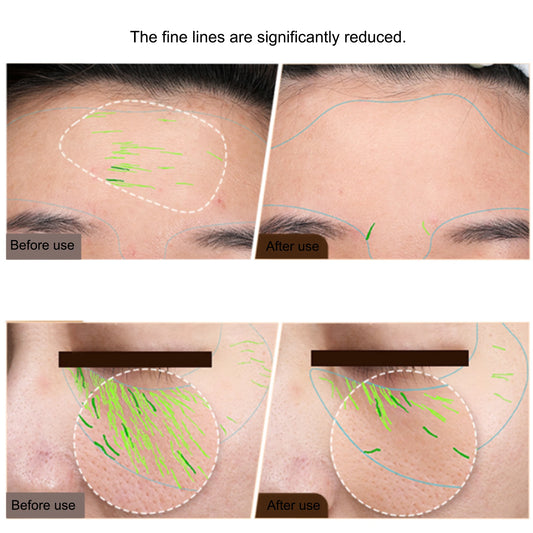
Visible improvements develop gradually as collagen remodeling occurs. Individual results vary depending on age, baseline skin condition, treatment consistency, and the quality of the LED device used.
- Weeks 1–2: Skin often feels smoother, appears better hydrated, and develops a healthier overall glow.
- Weeks 3–6: Fine lines may begin to soften, skin texture becomes more even, and elasticity gradually improves.
- Weeks 8–12: Many users notice firmer skin, shallower neck wrinkles, and more visible improvements in overall tone and texture.
After this initial period, ongoing maintenance sessions can help preserve collagen production and support long-term skin health.
Realistic vs exaggerated results
Photos showing red light therapy neck before and after often demonstrate subtle but meaningful improvements instead of dramatic transformations. The treatment works by enhancing the skin's natural repair processes rather than creating immediate lifting effects.
- Realistic expectations: Improved skin texture, softer neck lines, better elasticity, healthier-looking skin, and gradual firming.
- Unrealistic expectations: Instant wrinkle removal, elimination of significant loose skin, or surgical-level lifting after only a few sessions.
Among all factors influencing LED neck therapy results , consistency remains the most important. Following the recommended treatment schedule over several months generally produces better outcomes than using the device sporadically.
How to Use Red Light Therapy on the Neck at Home
Session duration and frequency
Successful red light neck therapy at home depends on consistency rather than long treatment sessions. Most at-home LED devices are designed to be used 3 to 5 times per week for approximately 10 to 20 minutes per session , although the exact schedule should always follow the manufacturer's instructions.
Using the device more frequently than recommended is unlikely to accelerate collagen production, while skipping sessions can slow visible progress.
Device positioning
Proper positioning helps ensure the entire treatment area receives even light exposure.
- Clean and dry the neck before each session.
- Position the LED device to cover both the front and sides of the neck.
- Maintain the recommended treatment distance unless using a wearable wrap.
- Avoid frequently moving the device during treatment to ensure uniform coverage.
Hands-free options such as red light neck wraps make it easier to maintain consistent positioning throughout each session.
Treatment schedule
People often achieve the best long-term results by following a structured routine.
- Weeks 1–4: Build consistency with regular sessions and monitor skin response.
- Weeks 5–12: Continue the recommended schedule as collagen remodeling gradually becomes more noticeable.
- Maintenance: After visible improvements develop, many users continue with several sessions each week to help maintain results.
Combining LED treatments with daily sunscreen, gentle cleansing, and a moisturizer suitable for the neck can further support healthy-looking skin.
Common mistakes to avoid
- Using the device inconsistently.
- Holding the light farther away than recommended.
- Stopping treatment before collagen remodeling has time to occur.
- Expecting immediate wrinkle reduction after only a few sessions.
- Neglecting sun protection during daytime skincare routines.
If you're wondering how to use red light therapy on neck effectively, the most important factors are consistency, correct positioning, and following the treatment schedule recommended for your specific device.
Learn how red light fits into modern Skin and Beauty Care Devices .
Is Red Light Therapy Safe for Neck Skin?
When used according to manufacturer guidelines, red light therapy is generally considered safe for the neck. Unlike ultraviolet light, therapeutic red and near-infrared wavelengths do not damage DNA or cause sunburn, making them suitable for repeated non-invasive treatments.
- No downtime after treatment.
- Does not damage the skin barrier when used correctly.
- Low risk of irritation for most skin types.
- Can be incorporated into long-term skincare routines.
Although side effects are uncommon, it's still important to follow the recommended treatment duration and avoid excessive use. People taking medications that increase light sensitivity, those with active skin conditions in the treatment area, or anyone with underlying medical concerns should consult a healthcare professional before beginning therapy.
Use any protective eyewear supplied with your device if recommended by the manufacturer, and always inspect wearable LED equipment for damage before each session to ensure safe operation.
How It Compares to Other Neck Treatments (LED vs Retinol vs Procedures)
Red light therapy is one of several options available for improving aging neck skin. Each treatment has different strengths, and many people combine therapies to address multiple concerns while minimizing irritation.
| Treatment | Primary Benefits | Limitations | Best For |
|---|---|---|---|
| Red light therapy | Improves collagen production, skin texture, and firmness with no downtime | Requires consistent use over several weeks | Long-term maintenance and mild to moderate neck aging |
| Retinol | Promotes skin renewal and improves fine lines | May cause dryness or irritation on delicate neck skin | Experienced skincare users with good skin tolerance |
| Microneedling | Stimulates collagen through controlled skin repair | Temporary redness and recovery time | Moderate wrinkles and texture concerns |
| Radiofrequency | Provides deeper skin tightening by heating underlying tissue | Higher cost and often requires multiple clinic visits | Moderate skin laxity |
| Injectables and cosmetic procedures | Faster, more dramatic cosmetic improvement | Higher cost, potential downtime, and maintenance treatments | Advanced signs of aging |
For many people, LED therapy serves as a long-term maintenance treatment that complements professional procedures or topical skincare. Combining healthy daily habits with consistent LED sessions often produces better long-term skin quality than relying on a single treatment alone.
Who Benefits Most From Neck Red Light Therapy
Although results vary between individuals, neck LED therapy is generally most beneficial for people experiencing early to moderate visible signs of aging who want a non-invasive treatment they can perform at home.
- Adults beginning to notice loose or crepey neck skin.
- People with horizontal neck lines caused by aging or frequent device use.
- Individuals seeking gradual collagen support without downtime.
- Those looking to maintain results after professional skin treatments.
- Anyone building a long-term anti-aging neck care routine.
Many users also combine LED treatments with other wellness tools from Body Care and Health Devices as part of an overall recovery and self-care routine.
Get yours now — limited stock! Red Light Neck Wrap
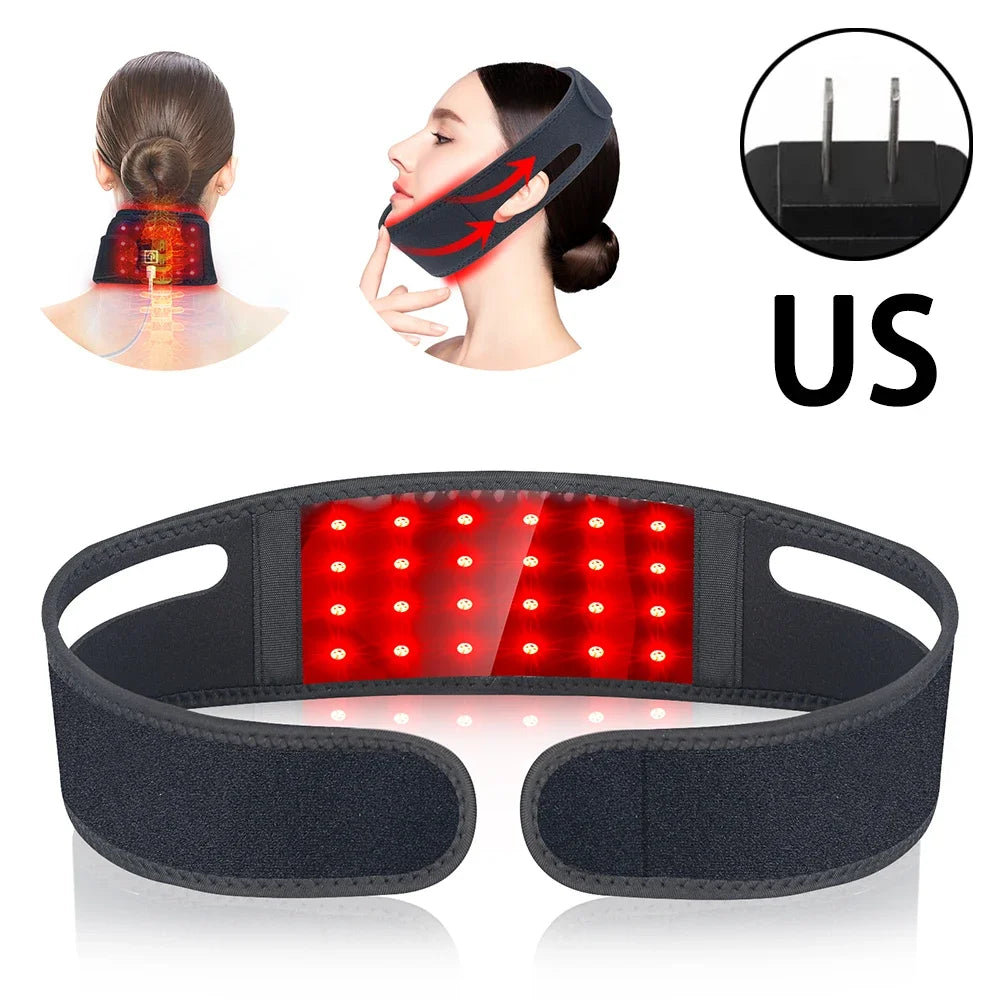
In home red light therapy results over time — See it in action
Frequently Asked Questions
How long does it take to see results?
Most users notice healthier-looking skin within 4 to 8 weeks of regular treatment. Improvements in firmness and wrinkle depth typically become more apparent after 8 to 12 weeks of consistent use.
Is red light therapy safe for daily use?
Daily use is not usually necessary. Most manufacturers recommend using LED devices approximately 3 to 5 times per week, although the ideal schedule depends on the specific device and treatment protocol.
Can red light therapy reduce neck lines?
Yes. By supporting collagen production and improving skin elasticity, red light therapy can soften horizontal neck lines and reduce the appearance of fine wrinkles over time.
Does near infrared therapy help deeper wrinkles?
Near-infrared light penetrates deeper than visible red light, helping support the underlying tissue involved in collagen remodeling. It is commonly paired with red light to provide more comprehensive treatment for aging neck skin.
Can it replace professional treatments?
Not entirely. LED therapy is best viewed as a long-term maintenance treatment or a complementary option that can enhance overall skin quality. Individuals with significant skin laxity may still benefit from professional cosmetic procedures.
Related Guide: Best Neck Light Therapy Wrap: In-Depth Review and Comparison