

What is the photovoltaic panel input range and why does it matter?
The photovoltaic panel input range defines the safe voltage window an inverter can accept from solar panels. Staying within this range prevents shutdowns, damage, and efficiency loss. Correct matching improves stability, protects equipment, and ensures consistent energy output across changing sunlight and temperature conditions.
⏱ 6 min read
Photovoltaic Panel Input Range Explained for Proper Inverter Setup
If your solar system underperforms, shuts down unexpectedly, or fails early, the cause is often invisible: a mismatched photovoltaic panel input range. Many homeowners invest in panels and inverters separately, unaware that small voltage miscalculations quietly drain performance and reliability. Ready to fix the most common setup mistake before it costs you?
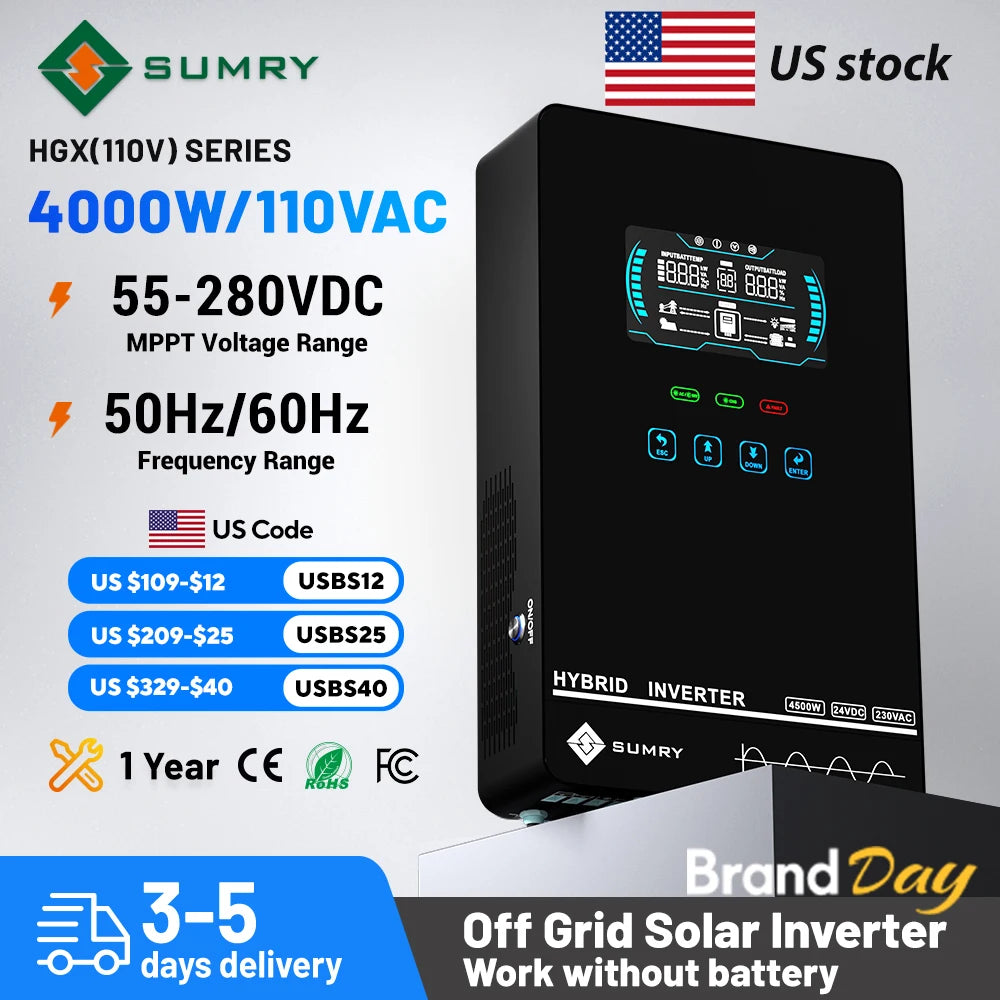
Understanding photovoltaic panel input range prevents silent system failures See it in action
How the photovoltaic panel input range protects your inverter
The photovoltaic panel input range defines the safe voltage window your inverter can accept. Staying within this range prevents permanent damage, inverter shutdowns, and efficiency losses.
Modern inverters use MPPT (Maximum Power Point Tracking) to optimize energy harvest, but MPPT range differs from absolute voltage limits. Exceeding the inverter input range can trigger protective shutdowns even if MPPT tracking is active.
- Open-Circuit Voltage (Voc) : Maximum voltage your PV string can produce under cold conditions.
- MPPT Voltage Range : Optimal operating voltage for maximum energy extraction.
- Inverter Absolute Input Limits : Hard limits to prevent damage.
Visual diagrams of voltage vs temperature variations help installers quickly identify safe operating ranges.
The most common mistakes that silently reduce performance
Even correctly rated panels can underperform if voltage compatibility is ignored. Common mistakes include:
- Oversizing PV strings without checking inverter voltage range
- Ignoring cold-weather voltage spikes that exceed maximum input
- Incorrect series vs parallel wiring that shifts voltage out of the MPPT range
- Adding extra panels without recalculating string voltage
Proper planning ensures both safety and maximum energy harvest.
How to calculate the correct photovoltaic panel input range
Follow these steps to determine a safe PV input range:
- Identify the Voc of your solar panel at standard test conditions.
- Adjust for temperature: Voc, adjusted = Voc + temperature coefficient × (lowest expected temperature - 25°C) .
- Calculate the string voltage: multiply adjusted Voc by the number of panels in series.
- Ensure the calculated string voltage falls within the inverter’s maximum input limit.
- Check MPPT range: operating voltage should remain within the inverter's MPPT window for optimal efficiency.
Example: A 60-cell panel has Voc 37V, temperature coefficient -0.3%/°C, coldest expected temperature -10°C. Adjusted Voc = 37 + (0.003 × 37 × 35) ≈ 41.9V. A 5-panel string = 209.5V, safe for a 220V max inverter input.
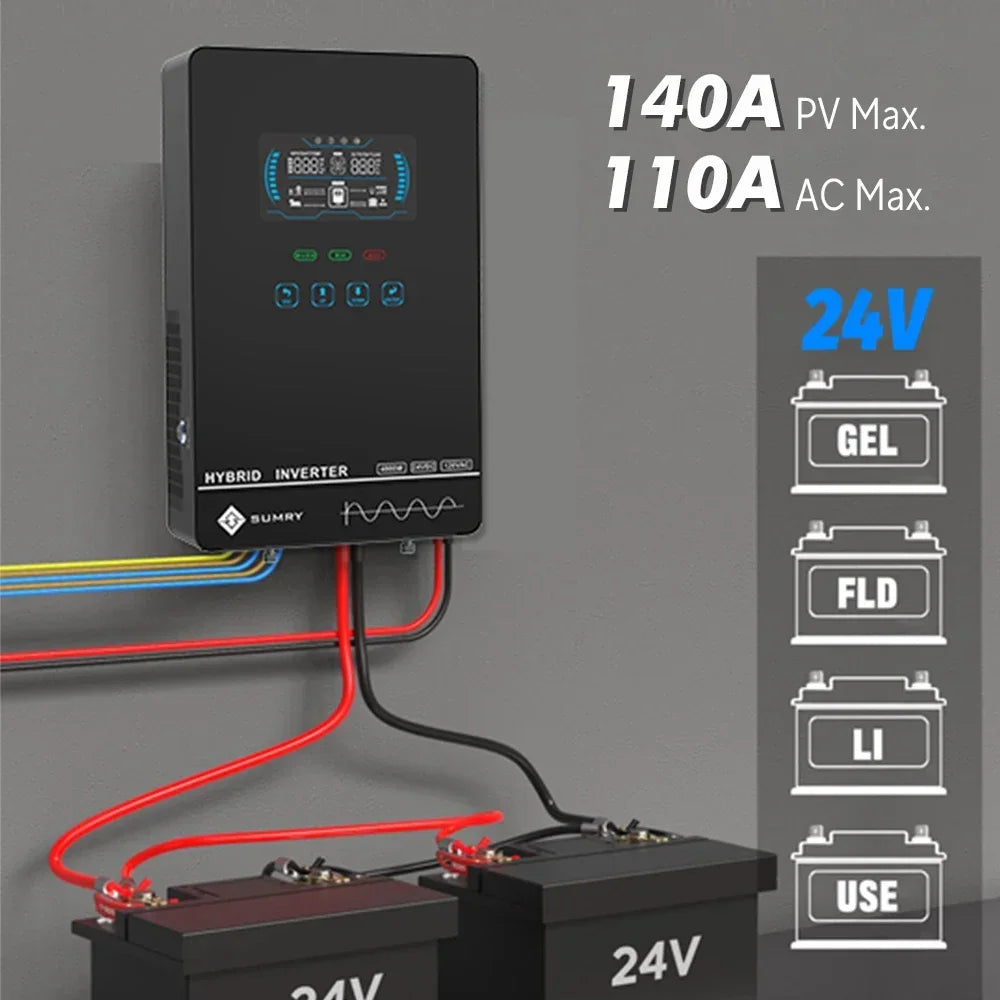
Accurate calculations improve efficiency and extend inverter lifespan See it in action
Designing a solar inverter no battery system
For systems without batteries, voltage matching becomes critical. The PV array must always operate within the inverter’s voltage range to avoid tripping and energy loss.
- Calculate string voltage for all weather conditions
- Ensure MPPT range aligns with average operating voltage
- Consider series/parallel configurations carefully to maximize inverter efficiency
Why input range matters more on an unstable power grid
In regions with an unstable power grid, voltage swings and outages are common. Solar systems often operate in hybrid or backup modes, switching rapidly between sources.
An inverter receiving inconsistent grid support relies heavily on correct panel voltage. If the photovoltaic panel input range is exceeded during transitions, protective shutdowns occur—exactly when power is needed most.
- Fewer unexpected shutdowns
- Smoother transitions during outages
- Improved protection for sensitive appliances
A practical inverter built for real-world conditions
Real inverters handle voltage variations differently. For example:
- Inverter A: Max input 600V, MPPT range 200–550V
- Inverter B: Max input 1000V, MPPT range 250–850V
Visual diagrams comparing PV voltage under temperature changes against MPPT and absolute limits help designers choose the right inverter.
Explore the off-grid solar inverter built to handle fluctuating panel voltage, no-battery configurations, and unstable power grid conditions without constant resets.
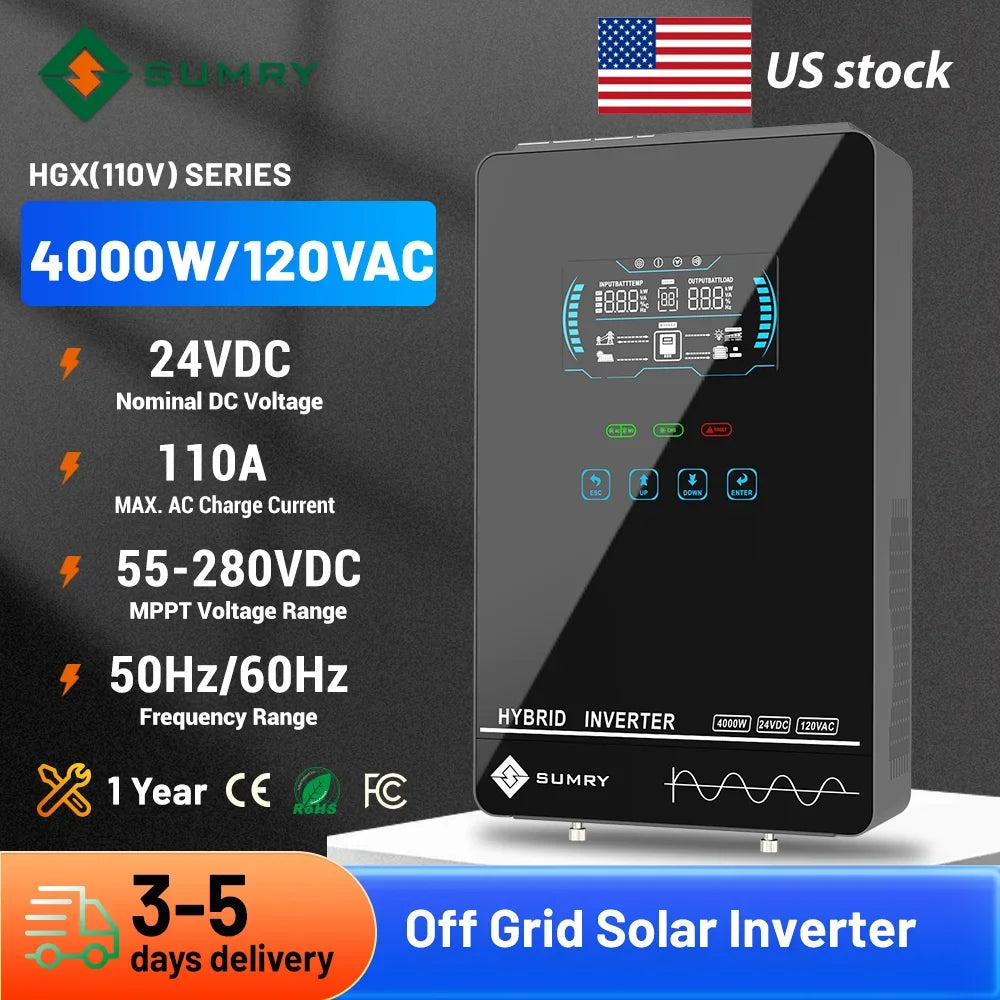
Built for wide photovoltaic panel input range and long-term stability See it in action
Mini FAQ: photovoltaic panel input range
Can I exceed the inverter’s input range briefly?
Brief spikes can trigger protection and damage some inverters. Always design with safety margins.
Does panel wattage matter more than voltage?
Voltage determines inverter compatibility; wattage affects energy production. Both are important, but exceeding voltage limits is riskier.
Is series or parallel wiring safer?
Series wiring increases voltage; parallel increases current. Safety depends on staying within inverter voltage and current limits.
Do I need to recalculate when adding panels?
Yes. Adding panels changes string voltage, potentially exceeding inverter limits or MPPT range.
What is the difference between MPPT range and inverter voltage range?
MPPT range is where the inverter extracts maximum power. Absolute voltage limits prevent damage. Operate within both.
How to match solar panel voltage to inverter input safely?
Calculate adjusted Voc for cold temperatures, sum series panels, compare with inverter limits, and ensure the string voltage fits the MPPT range.
Explore related lifestyle innovations in Lifestyle and practical wellness solutions in Body Care and Health Devices .
Related Guide: Backup Power for Power Outages Step-by-Step Home Setup
UPGRADE PLAN { "outline": [ { "action": "MODIFY", "h2": "What is the photovoltaic panel input range and why does it matter?", "h3": [ "What is PV input range?", "Difference between operating voltage and maximum input voltage", "Why voltage compatibility affects performance and safety" ], "focus": [ "Define PV input range", "Explain operating vs maximum voltage", "Introduce compatibility concepts", "Set foundation for calculations" ], "keywords": [ "photovoltaic panel input range", "what is PV input range", "PV input range explained", "photovoltaic system voltage compatibility" ] }, { "action": "ADD", "h2": "Understanding key solar voltage specifications", "h3": [ "VOC vs VMP", "ISC vs IMP", "MPPT input voltage range", "Maximum DC input voltage" ], "focus": [ "Explain specification labels", "Compare electrical parameters", "Show datasheet terminology", "Prevent specification confusion" ], "keywords": [ "solar panel input voltage range", "MPPT input voltage range solar inverter", "solar panel voltage vs inverter input", "inverter input voltage range solar" ] }, { "action": "MODIFY", "h2": "How the photovoltaic panel input range works with an inverter", "h3": [ "How MPPT tracks operating voltage", "Why input range protects equipment", "What happens outside the acceptable range" ], "focus": [ "Explain MPPT behavior", "Show inverter protection", "Describe efficiency impact", "Cover voltage limits" ], "keywords": [ "solar inverter voltage range requirements", "MPPT input voltage range solar inverter", "PV input range explained" ] }, { "action": "ADD", "h2": "How to match a solar panel to an inverter", "h3": [ "Read the solar panel datasheet", "Read the inverter datasheet", "Compare voltage specifications", "Verify safety margins" ], "focus": [ "Panel-to-inverter matching", "Specification comparison", "Compatibility checklist", "Installation planning" ], "keywords": [ "how to match solar panel to inverter", "photovoltaic system voltage compatibility", "solar inverter setup voltage guidelines" ] }, { "action": "MODIFY", "h2": "How to calculate the correct photovoltaic panel input range", "h3": [ "Series voltage calculation", "Parallel voltage calculation", "Temperature correction for VOC", "Worked calculation example" ], "focus": [ "Calculate string voltage", "Apply temperature adjustments", "Check MPPT window", "Validate maximum input voltage" ], "keywords": [ "how to calculate PV input voltage range", "solar panel input voltage range", "solar inverter setup voltage guidelines" ] }, { "action": "ADD", "h2": "Series vs parallel wiring and input voltage", "h3": [ "How series wiring changes voltage", "How parallel wiring changes current", "Choosing the right configuration" ], "focus": [ "Compare wiring methods", "Show voltage effects", "Explain current changes", "Recommend use cases" ], "keywords": [ "solar system voltage matching tips", "solar panel voltage vs inverter input", "photovoltaic system voltage compatibility" ] }, { "action": "MODIFY", "h2": "The most common mistakes that silently reduce performance", "h3": [ "Ignoring cold-weather VOC", "Exceeding maximum input voltage", "Operating below MPPT range", "Mixing incompatible panels" ], "focus": [ "Highlight installation errors", "Explain performance losses", "Prevent equipment damage", "Improve reliability" ], "keywords": [ "solar inverter voltage range requirements", "PV input range explained", "solar system voltage matching tips" ] }, { "action": "REMOVE", "h2": "Designing a solar inverter no battery system", "h3": [], "focus": [], "keywords": [] }, { "action": "REMOVE", "h2": "Why input range matters more on an unstable power grid", "h3": [], "focus": [], "keywords": [] }, { "action": "REMOVE", "h2": "A practical inverter built for real-world conditions", "h3": [], "focus": [], "keywords": [] }, { "action": "ADD", "h2": "How to troubleshoot photovoltaic panel input range issues", "h3": [ "Low voltage warnings", "High voltage alarms", "Poor MPPT performance", "Using a multimeter safely" ], "focus": [ "Diagnose common problems", "Identify voltage mismatches", "Check real measurements", "Recommend corrective actions" ], "keywords": [ "photovoltaic panel input range", "solar inverter setup voltage guidelines", "PV input range explained" ] }, { "action": "MODIFY", "h2": "Frequently asked questions", "h3": [ "Can I exceed the inverter's input range briefly?", "Does panel wattage matter more than voltage?", "Is series or parallel wiring safer?", "Do I need to recalculate when adding panels?", "What is the difference between MPPT range and inverter voltage range?", "How do I match solar panel voltage to inverter input safely?" ], "focus": [ "Answer common installation questions", "Clarify terminology", "Reinforce compatibility", "Address practical scenarios" ], "keywords": [ "photovoltaic panel input range", "how to match solar panel to inverter", "MPPT input voltage range solar inverter" ] } ], "internal_links": [ "MPPT charge controller explained", "How to size a solar inverter", "Solar panel VOC vs VMP guide", "Series vs parallel solar wiring", "How to calculate solar panel string voltage", "Battery charging voltage basics" ], "faq": [ "What is photovoltaic panel input range?", "How do I calculate PV input voltage range?", "What is the difference between MPPT input range and maximum input voltage?", "Can cold weather cause solar panel voltage to exceed inverter limits?", "How do I know if my solar panel is compatible with my inverter?", "Does wiring panels in series or parallel affect inverter compatibility?" ], "trim": [ "Designing a solar inverter no battery system", "Why input range matters more on an unstable power grid", "A practical inverter built for real-world conditions" ] } Approved linked products: - off-grid solar inverter (/products/off-grid-solar-inverter) Product Rules - Keep all approved products. - Only approved products may contain affiliate links. - You may add real competitor products when useful. - Competitor products must not contain links unless already present. - Only create comparison tables when they genuinely improve the article. RULES - Apply every instruction in the Upgrade Plan. - Keep all existing affiliate links unchanged. - Keep all existing internal links unchanged. - Keep all existing image URLs unchanged. - Preserve sections such as Related Articles, Related Posts and Recommended Reading. - Avoid duplicate headings. - Insert new sections only where specified. - Improve clarity, topical coverage, EEAT and readability. - Expand weak sections only when required. - Use natural keyword placement. - Keep semantic HTML clean. YEAR UPDATE If visible article text contains "2005", replace it with "2026". Do not modify years inside: - URLs - href attributes - image filenames OUTPUT REQUIREMENTS Return ONLY the final upgraded HTML article. The output must be valid HTML and ready to publish. Do NOT return: - Markdown - Explanations - Notes - Code fences - JSON - XML Return the HTML beginning with the first HTML element and ending with the last HTML element.












