

Does a plantar massage ball really work?
Yes. A plantar massage ball can help reduce foot soreness, improve short-term flexibility, ease muscle tension, and support self-care for conditions such as plantar fasciitis when used consistently. It works by applying controlled pressure to the plantar fascia and surrounding muscles, making it an effective option for self foot massage techniques and daily recovery. While it is not a cure for underlying medical conditions, many people notice meaningful symptom relief after regular use.
⏱ 6 min read
Foot Massage Ball Benefits: How to Relieve Foot Pain at Home
Do your feet ache the moment you step out of bed—or after long days that never seem to end? Many people overlook foot care until discomfort starts affecting posture, mobility, and everyday comfort. A plantar massage ball offers a simple way to target sore tissues, reduce stiffness, and build a sustainable foot recovery routine without bulky equipment.
Many first-time users are surprised that even brief daily sessions can help reduce foot fatigue. When combined with stretching and supportive footwear, a massage ball for feet can become an effective part of long-term foot care.
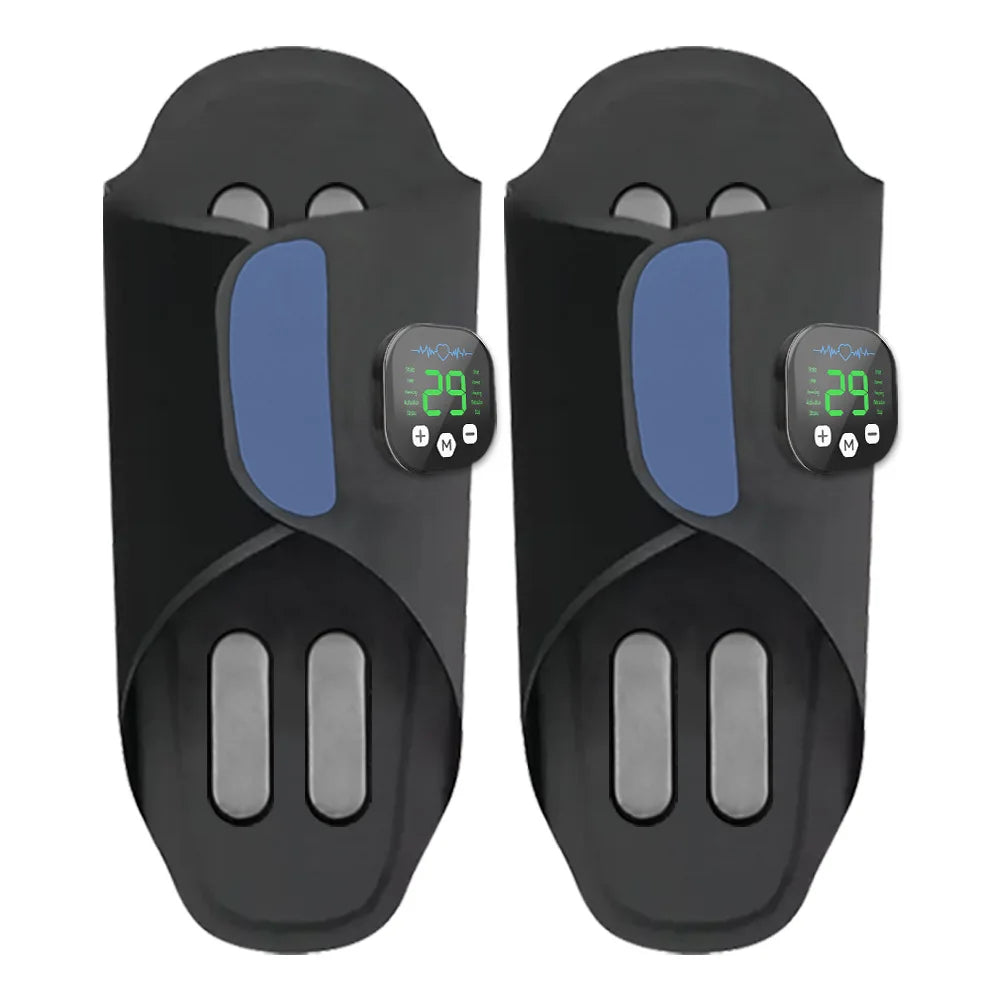
Targeted relief with a plantar massage ball. See it in action.
Which daily habit is silently causing your foot pain? Keep reading to learn how proper rolling techniques can improve comfort in just a few minutes each day.
What Are the Benefits of Using a Foot Massage Ball?
Quick Answer
The primary foot massage ball benefits include relieving tight arches, reducing plantar fascia discomfort, improving short-term flexibility, easing muscle tension, and promoting recovery after prolonged standing or exercise. Although results vary, consistent daily use often provides better outcomes than occasional longer sessions.
Who Benefits Most
A massage ball for feet may be especially helpful for:
- People with mild plantar fascia tightness or heel discomfort.
- Workers who spend hours standing.
- Runners and recreational athletes recovering after activity.
- Office workers experiencing stiff feet from prolonged sitting.
- Anyone looking for an easy at-home recovery tool.
For persistent or worsening pain, consult a healthcare professional to determine whether additional treatment is needed.
How Does a Foot Massage Ball Work?
Foot Anatomy and Plantar Fascia
The plantar fascia is a thick band of connective tissue running from the heel to the toes. It supports the arch and absorbs forces every time you walk or run. Repetitive loading, poor footwear, or prolonged standing can cause this tissue and the surrounding muscles to become tight and painful.
A plantar massage ball applies gradual pressure to these tissues, helping reduce muscle tightness while encouraging gentle movement through the arch.
The Science Behind Self-Myofascial Release
Rolling the foot over a massage ball is a form of self-myofascial release. Controlled pressure temporarily decreases muscle stiffness, improves tissue mobility, and may increase local blood flow. These short-term effects can improve comfort before walking, exercising, or stretching.
Although researchers continue studying the long-term benefits, current evidence supports self-myofascial release as a useful recovery technique when paired with strengthening and flexibility exercises.
Key Benefits of Using a Foot Massage Ball
Foot Massage Ball for Plantar Fasciitis
A foot massage ball for plantar fasciitis helps gently stretch the plantar fascia while reducing muscle tightness beneath the foot. Used consistently alongside calf stretches and supportive footwear, it may decrease morning heel pain and improve walking comfort.
Arch Pain and Muscle Tension Relief
People with tired arches often develop trigger points within the intrinsic foot muscles. Slow rolling helps release these areas, making standing and walking feel more comfortable throughout the day.
Improved Mobility, Flexibility, and Recovery
Regular rolling before or after exercise can temporarily improve ankle mobility and foot flexibility while reducing post-activity soreness. Many athletes include massage balls as part of their recovery after exercise routine.
Foot Roller Ball Benefits for Daily Comfort
Compared with doing nothing after long periods of standing, a few minutes of rolling may reduce stiffness, restore comfortable movement, and encourage healthier daily foot care habits.
How to Use a Foot Massage Ball Safely
Foot Massage Ball How to Use
Place the ball on a firm, flat surface while seated or standing with support nearby. Position the sore area over the ball and slowly shift your body weight until you feel gentle, tolerable pressure—not sharp pain.
Self Foot Massage Techniques
- Roll slowly from heel to toes.
- Pause for 15–30 seconds on particularly tight spots.
- Breathe normally and avoid forcing excessive pressure.
- Reduce pressure if discomfort increases.
Foot Therapy Ball Exercises
- Heel Roll: Roll beneath the heel for 30–60 seconds.
- Arch Massage: Make slow circular movements beneath the arch.
- Outer Foot Release: Gently roll along the outside edge of the foot.
- Full Foot Glide: Move from heel to toes for 1–2 minutes.
Recommended Duration and Frequency
Most people benefit from 5–10 minutes per foot once or twice daily. Beginners should start with lighter pressure and shorter sessions before gradually increasing duration.
Pairing this routine with other self-care habits found in Lifestyle collections helps reinforce relaxation and recovery.
Foot Massage Ball vs Other Foot Therapy Tools
Foot Roller vs Massage Ball
| Feature | Plantar Massage Ball | Bulky Electric Massager |
|---|---|---|
| Portability | ✅ Pocket-sized | ❌ Heavy |
| Pressure Control | ✅ Fully adjustable | ⚠️ Limited settings |
| Targeted Trigger Points | ✅ Excellent | ⚠️ General massage |
| Travel Friendly | ✅ Yes | ❌ No |
| Power Required | ❌ None | ✅ Yes |
Massage Ball vs Manual Stretching
Stretching improves flexibility, while massage balls add localized pressure to tight tissues. The two approaches complement each other rather than compete. For many people, rolling first followed by gentle stretching produces the greatest comfort.
Who Should Use a Foot Massage Ball?
Runners and Athletes
Regular training places repeated stress on the feet. A massage ball helps reduce muscle tightness after workouts and may improve recovery between training sessions.
People with Plantar Fasciitis
Individuals experiencing mild plantar fasciitis symptoms often use a plantar massage ball alongside stretching and supportive footwear to manage discomfort. Persistent or severe pain should be evaluated by a healthcare professional.
Office Workers and Seniors
Long hours of sitting or standing can leave the feet stiff and fatigued. Gentle rolling may improve comfort during breaks or while relaxing at home.
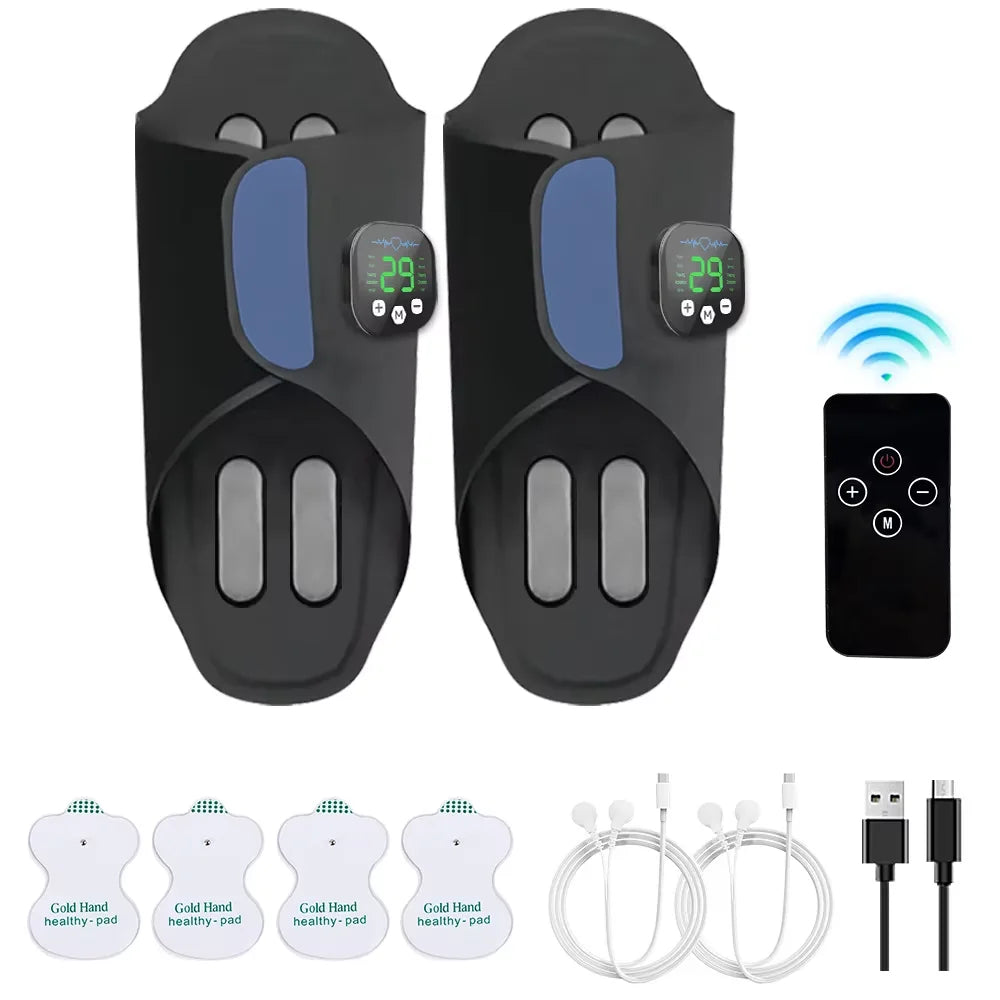
Daily relief ritual: foot massage for foot pain made simple.
When Not to Use a Foot Massage Ball
Contraindications
Avoid using a massage ball for feet if you have:
- Open wounds or skin infections.
- Recent fractures or acute foot injuries.
- Severe swelling of unknown cause.
- Loss of sensation due to advanced neuropathy unless advised by a clinician.
Common Mistakes to Avoid
- Applying excessive pressure that causes sharp pain.
- Rolling aggressively over inflamed tissues.
- Ignoring symptoms that continue worsening.
- Using prolonged sessions instead of short, consistent routines.
Stop using the massage ball and seek medical advice if pain becomes severe, swelling increases, or walking becomes difficult.
What Does the Research Say?
Evidence on Self-Myofascial Release
Research on self-myofascial release suggests that rolling techniques can improve short-term flexibility, temporarily reduce muscle soreness, and increase perceived comfort following physical activity. These benefits are most consistent when combined with stretching and exercise rather than used alone.
Current Limitations of Research
Although the evidence is encouraging, studies specifically evaluating plantar massage balls remain relatively limited. Researchers continue investigating the long-term effects on chronic plantar fasciitis and persistent foot pain. For this reason, massage balls should be viewed as one part of a comprehensive foot care strategy rather than a standalone treatment.
Frequently Asked Questions
How often should I use a foot massage ball?
Most people benefit from daily use for 5–10 minutes per foot, adjusting pressure according to comfort.
Can a massage ball help plantar fasciitis?
Yes. A plantar fasciitis massage ball may reduce muscle tightness and improve short-term comfort when combined with stretching, supportive footwear, and appropriate exercise.
How long should each session last?
Five to ten minutes per foot is usually sufficient. Longer sessions are not necessarily more effective.
Can I use a massage ball every day?
Yes. Daily use is appropriate for most healthy individuals, provided pressure remains comfortable and symptoms do not worsen.
How do I relieve foot pain at home with a massage ball?
Roll slowly over the heel, arch, and forefoot while pausing briefly on tight areas. Combine rolling with stretching and supportive footwear for better long-term results.
When should I avoid using a foot massage ball?
Avoid use if you have an acute injury, open wound, severe swelling, or a condition requiring medical evaluation before massage.
Related Guide: Battery Powered Foot Massager: Full Review and User Feedback













