

Does plush fabric material make heated blankets better?
Plush fabric material improves heated blankets by trapping warmth more efficiently, feeling softer against skin, and supporting stable heat transfer. When paired with even heat distribution wires, it reduces cold spots, enhances comfort, and delivers faster, more consistent warmth compared to flat or thin fabrics.
Plush Fabric Material: Is Plush Warm and Why It Feels So Cozy
Is plush fabric warm?
Yes, plush fabric is warm because its soft raised fibers create thousands of tiny air pockets that trap body heat. This insulation layer helps prevent warmth from escaping, which is why plush materials are commonly used in blankets, winter clothing, and heated products. Compared with flat fabrics like cotton, plush fabric retains warmth more effectively while still feeling lightweight and breathable.
The warmth of plush fabric comes from three main factors: fiber density, pile height, and the ability to hold insulating air between fibers. These characteristics allow plush blankets and garments to stay cozy even in cooler environments.
⏱ 8 min read
Cold nights don’t just steal comfort—they interrupt sleep, recovery, and relaxation. If you’ve ever wondered why some heated blankets feel instantly cozy while others stay uneven or stiff, the answer often comes down to one overlooked detail: plush fabric material. This guide breaks down how fabric choice transforms warmth, comfort, and real-world results, especially for modern heated blankets used at home, in cars, or on the go.
Which type of heated blanket actually keeps you warm without cranking the power? Keep reading—you may be surprised how much fabric choice changes everything.
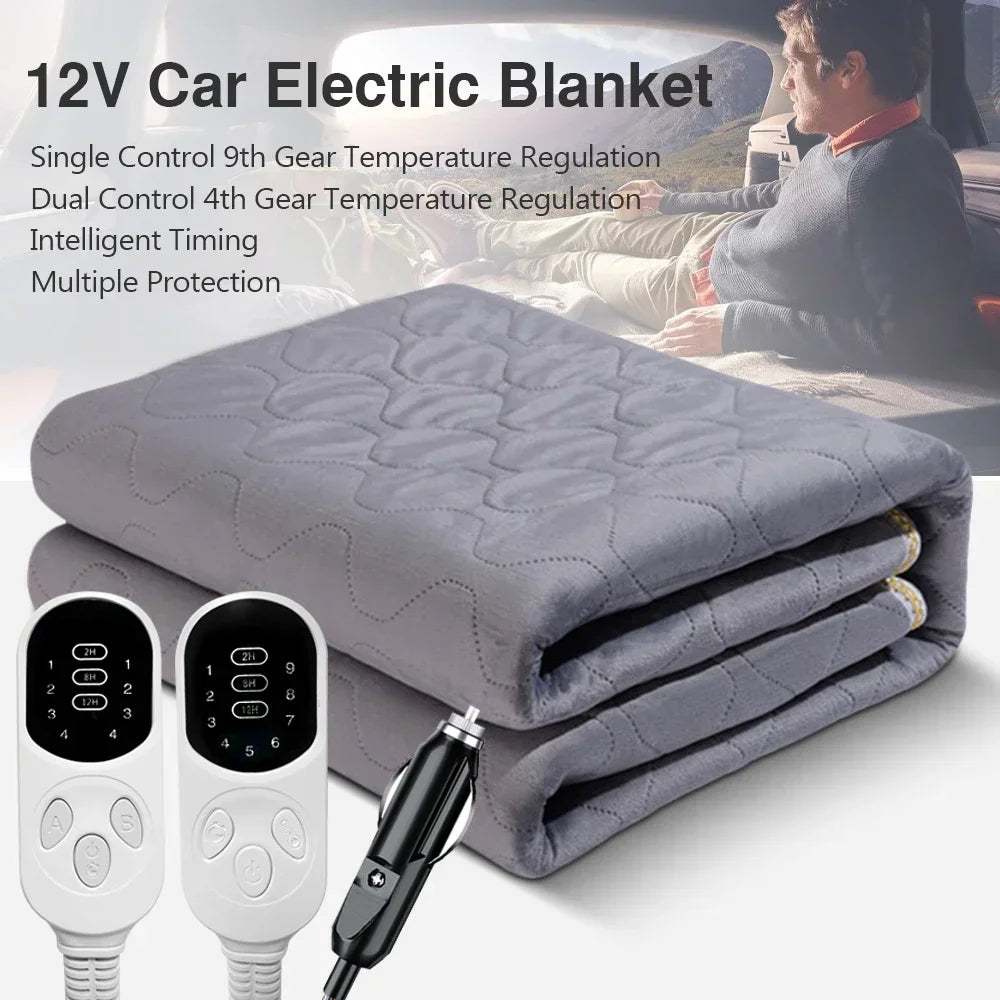
Plush fabric material paired with a portable blanket heater delivers fast comfort 💡 See it in action
What is plush fabric material?
Plush fabric material is a textile designed with a raised pile surface made from densely packed synthetic or blended fibers. The fibers are brushed and lifted during manufacturing, creating the soft, fuzzy texture associated with plush blankets, stuffed toys, and winter fabrics.
This structure makes plush fabric both comfortable and effective at holding warmth. Because the fibers stand upright rather than lying flat, the fabric can trap warm air between layers, improving insulation.
How plush fabric is made
Most plush fabrics are made from polyester or microfiber yarns woven into a base fabric. After weaving, the surface fibers are brushed or sheared to create a consistent pile. The result is a smooth backing with a soft, fluffy surface designed for comfort and warmth.
Pile height and fiber density explained
Pile height refers to how tall the raised fibers are, while fiber density describes how closely those fibers are packed together. Fabrics with taller and denser piles generally feel softer and warmer because they trap more insulating air. High-quality plush materials balance both factors to maximize warmth without making the fabric too heavy.
Why plush fabric is warm
The warmth of plush fabric comes from its unique fiber structure. Instead of lying flat like many textiles, plush fibers stand upright and create a thick layer of soft insulation. This structure slows the escape of body heat and keeps warm air close to the skin.
How plush fabric traps heat
When air becomes trapped between fibers, it acts as a natural insulating barrier. Plush fabrics contain thousands of microscopic air pockets that hold warm air generated by your body or by a heated blanket. Because air is a poor conductor of heat, these pockets reduce heat loss and help maintain a stable temperature.
Why plush feels warmer than cotton
Cotton fabrics typically have a flat weave that allows heat to escape more easily. Plush fabric, on the other hand, contains a raised pile that forms a thicker insulation layer. This difference explains why plush blankets often feel warmer immediately compared with thin cotton fabrics.
The role of air pockets in insulation
Insulation in textiles often depends on how much air the material can hold. Plush fabrics excel at trapping air due to their dense fiber structure. The more air that stays within the fabric, the better the material can maintain warmth in cool environments.
Plush vs fleece warmth comparison
Both plush and fleece fabrics are designed to provide warmth, but they achieve insulation in slightly different ways. Plush fabric focuses on deep softness and dense pile height, while fleece uses lightweight synthetic fibers that create a breathable insulating layer.
Plush vs fleece: which is warmer?
Plush fabrics often feel warmer immediately because of their thicker surface pile. The dense fibers trap heat efficiently and create a cozy feel against the skin. Fleece fabrics, however, can sometimes provide similar insulation while remaining lighter and more breathable.
Plush vs wool for cold weather
Wool is naturally insulating and performs well in extremely cold conditions. Plush fabric offers comparable comfort but is typically softer and easier to maintain. For indoor use or heated blankets, plush fabrics often provide enough warmth without the weight of wool.
When fleece might be the better choice
Fleece may be preferable for outdoor activities or situations where breathability and moisture management matter. Plush fabrics prioritize comfort and softness, making them ideal for blankets and relaxing environments rather than high-activity use.
Why Plush Fabric Feels Warmer the Moment You Turn It On
Plush fabric material warms faster because its fibers trap body heat and electric warmth simultaneously. Instead of letting heat escape, it reflects warmth back toward you.
This matters during cold evenings when you don’t want to wait 20 minutes to feel comfortable. Plush creates an immediate cocoon effect.
| Feature | Plush Fabric Material | Flat Fabric |
|---|---|---|
| Initial Warmth | Fast, noticeable | Delayed |
| Heat Retention | High | Moderate |
| Skin Comfort | Soft, non-irritating | Can feel stiff |
Users often report needing lower heat settings with plush blankets—saving energy while staying warmer.
How plush fabric improves heated blanket performance
Plush fabric is commonly used in heated blankets because its thick pile helps distribute warmth more evenly across the surface. The soft fibers surround internal heating wires and create a comfortable insulation layer that prevents concentrated hot spots.
Even heat distribution with plush layers
The raised fibers of plush fabric spread warmth across a wider area. Instead of feeling narrow heated lines, users experience a consistent warm surface. This makes plush materials ideal for blankets designed to provide steady, comfortable heat.
Plush fabric for heated blankets: why it works
Because plush fabrics retain heat well, they help heated blankets maintain warmth using lower power levels. The insulation reduces heat loss, allowing the blanket to feel warmer while using efficient heating systems.
This combination is especially noticeable in modern portable heated blankets designed for mobility and efficiency.
Best products that use plush fabric for warmth
Plush fabrics are widely used in products designed to maximize comfort and insulation. Their soft texture and heat-retention properties make them a popular choice for winter items and cozy home textiles.
Plush blanket warmth benefits
Plush blankets are known for their ability to trap warmth while remaining lightweight. The raised fibers hold warm air close to the body, helping maintain a comfortable temperature during cold nights.
Plush fabric in heated blankets
Heated blankets often combine internal heating elements with plush outer layers. This pairing improves comfort and allows heat to spread evenly across the surface.
Plush fabric in winter clothing
Beyond blankets, plush materials appear in jackets, slippers, and thermal accessories. The fabric’s insulating structure makes it useful in garments designed for cold environments.
When plush fabric may not be warm enough
Although plush fabrics provide excellent comfort and insulation, they are not always the warmest option for extreme conditions. Factors such as wind exposure, moisture, and very low outdoor temperatures can reduce their effectiveness.
Cold climate limitations
In extremely cold climates, thicker insulating materials like wool or layered thermal fabrics may provide stronger protection. Plush materials are best suited for indoor comfort or moderately cold environments.
When layering works better
Combining plush fabrics with other insulating layers can significantly improve warmth. For example, using a plush blanket over a thermal comforter can help retain even more body heat.
Portable Blanket Heater Benefits You Actually Notice
A portable blanket heater is only as good as the fabric that touches your skin. Plush fabric material turns portable heat into a genuinely cozy experience.
- Wraps easily around shoulders, legs, or torso
- Feels warm even before full heat activation
- Stays comfortable during movement or rest
- Enhances relaxation and recovery
Users often describe plush heated blankets as “spa-like,” especially when paired with other comfort-focused tools found in Body Care and Health Devices.
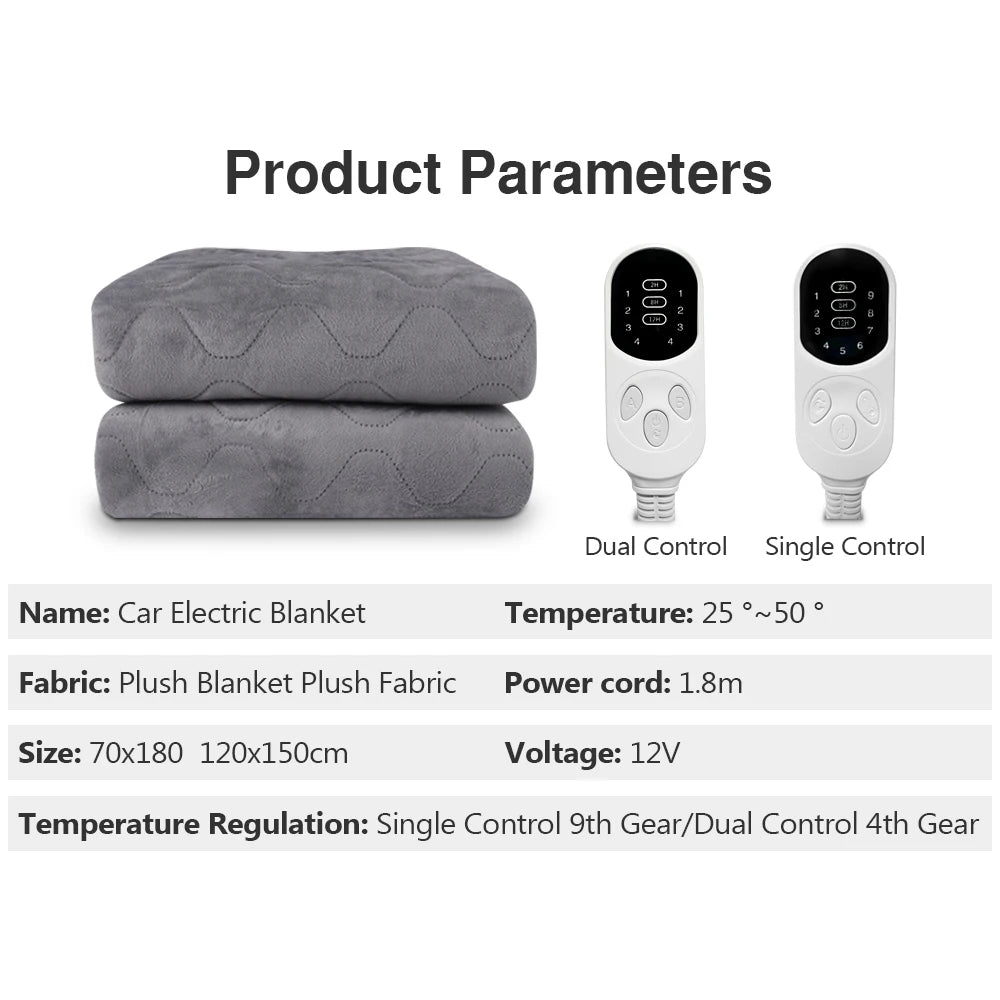
Even heat distribution wires shine when wrapped in plush fabric material 💡 See it in action
Why Plush Fabric Is Essential in a Winter Car Blanket
A winter car blanket faces constant heat loss from windows, seats, and cold air. Plush fabric material minimizes that loss by insulating heat close to your body.
This is why plush blankets feel dramatically warmer during road trips or emergencies.
- Reduces drafts inside the vehicle
- Maintains warmth during engine-off periods
- Feels comfortable against clothing or skin
- Pairs perfectly with 12V systems
For drivers comparing a winter car blanket versus standard throws, plush fabric is the difference between tolerable and truly warm.
Plush vs Standard Heated Blanket: At-a-Glance
| Criteria | Plush Fabric Heated Blanket | Standard Fabric Heated Blanket |
|---|---|---|
| Comfort Level | High, soft, cozy | Average |
| Heat Efficiency | Excellent | Moderate |
| Power Usage | Lower | Higher |
| Best Use | Home, car, travel | Indoor only |
Shoppers browsing Beauty & Self-Care Blog content often prioritize comfort—plush fabric aligns perfectly with that mindset.
Benefits of plush fabric
Plush fabric offers several advantages that make it popular for blankets, clothing, and comfort products. Its unique fiber structure provides both softness and effective insulation.
Comfort and softness
The raised fibers create a smooth, velvety surface that feels gentle against the skin. This softness is one of the main reasons plush fabrics are used in cozy household textiles.
Heat retention
Because plush materials trap air between fibers, they provide reliable warmth without requiring thick or heavy fabric layers.
Durability and easy care
Most plush fabrics are made from synthetic fibers that resist shrinking and maintain their softness after washing. Proper care helps the fabric retain its texture and insulating performance over time.
Care, Durability, and Long-Term Comfort
Plush fabric material isn’t just soft—it’s resilient. High-quality plush resists matting and retains loft even after repeated use.
- Maintains softness over time
- Less friction wear on heating elements
- Easier spot cleaning
- Longer usable lifespan
When cared for properly, plush heated blankets continue delivering consistent warmth season after season.

Plush fabric material transforms portable warmth into everyday comfort 💡 See it in action
Frequently asked questions
Is plush fabric warm enough for winter?
Yes, plush fabric is warm enough for most indoor winter environments because its raised fibers trap heat effectively. However, in extremely cold outdoor conditions, thicker insulating materials may be necessary.
Is plush fabric warmer than fleece?
Plush fabric often feels warmer immediately due to its thicker pile, while fleece may offer better breathability. The warmer option depends on the specific fabric density and intended use.
Why plush fabric is warm compared to cotton?
Plush fabrics have raised fibers that trap air and create insulation, while cotton usually has a flat weave that allows heat to escape more easily.
Does plush fabric trap heat well?
Yes. The dense fiber structure of plush materials creates air pockets that hold warm air and slow heat loss.
Is plush fabric too hot for daily use?
No. Plush fabrics are warm but generally breathable enough for everyday comfort in cool environments.
Does plush fabric increase power consumption?
In heated blankets, plush materials can actually reduce power consumption because they help retain warmth more efficiently.
Can plush heated blankets be used in cars?
Yes. Many portable heated blankets designed for vehicles use plush fabric because it improves insulation and comfort when connected to 12V power systems.
Who benefits most from plush heated blankets?
Travelers, commuters, and anyone seeking fast, comfortable warmth benefit from plush heated blankets due to their softness and strong heat retention.













