

Does poor circulation feet cold really mean heated socks can help?
Poor circulation feet cold is often caused by reduced blood flow that prevents warmth from reaching the toes. Heated socks can help improve comfort by delivering steady external warmth, which may reduce numbness and cold sensitivity—especially in winter or during long periods of inactivity. However, they support warmth rather than treat the underlying circulation issue.
Heated Socks for Poor Circulation: Best Options for Warmth, Comfort & Relief
⏱ 6 min read
If your feet stay icy no matter how many layers you wear, you’re not alone. Poor circulation feet cold affects daily comfort, sleep quality, and mobility during colder months. Does poor circulation cause cold feet—and can heated socks actually help? Below, you’ll find clear, science-backed answers and practical guidance to improve warmth safely.
Which solution actually keeps feet warm without affecting circulation? Read on.
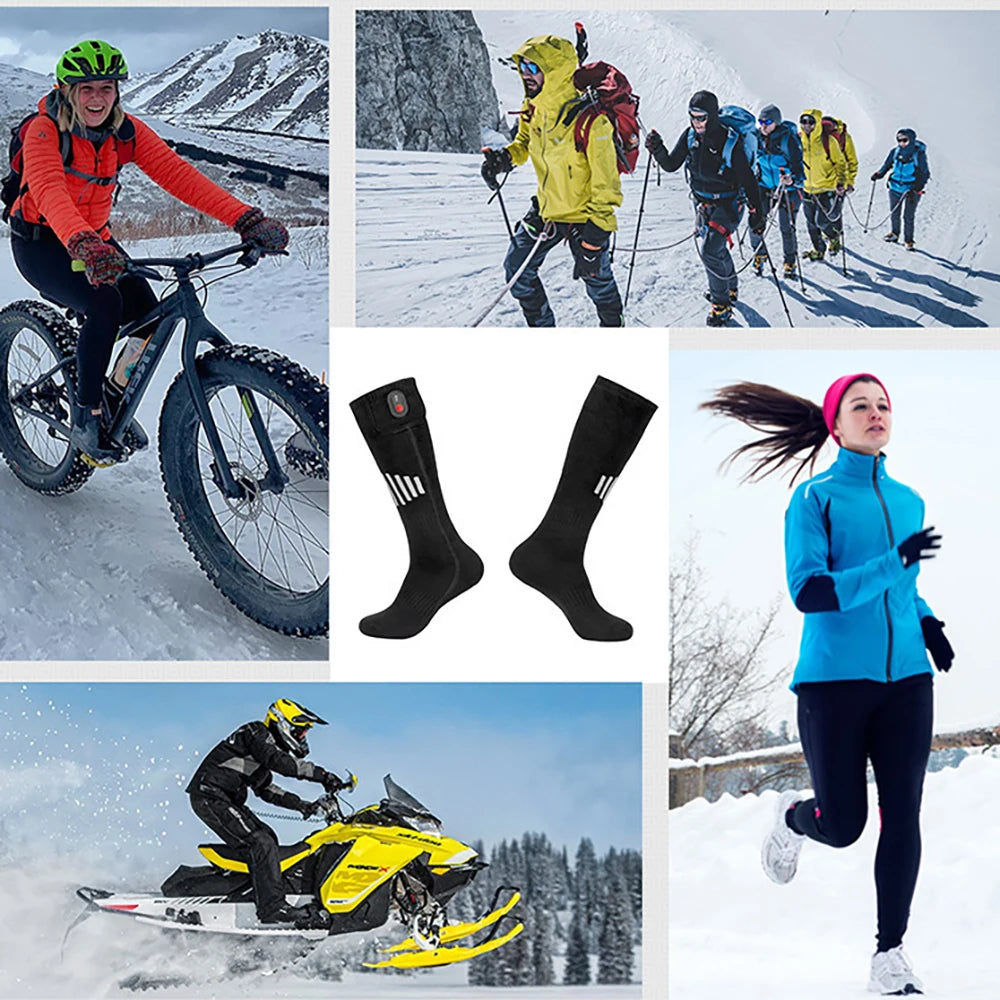
Poor circulation feet cold relief tested in real winter conditions
Why Poor Circulation Causes Cold Feet
Blood Flow, Oxygen Delivery, and Heat Loss
Poor circulation cold feet occurs when blood flow to the extremities is reduced. Blood carries heat from your core to your toes—so when circulation slows, heat delivery drops and your feet feel cold even in mild environments.
- Reduced blood flow limits warmth reaching toes
- Extremities lose heat faster than the core
- Cold environments amplify circulation challenges
Vasoconstriction and Thermoregulation Explained
In cold conditions, the body triggers vasoconstriction —narrowing blood vessels to conserve heat. While this protects vital organs, it also reduces warmth in the feet, making symptoms like numb toes in cold weather more noticeable.
This is why traditional socks often fail—they insulate, but don’t generate heat.
How Heated Socks Affect Blood Flow and Comfort
Heat Therapy and Vasodilation
Heated socks apply gentle warmth that encourages vasodilation —the widening of blood vessels. This allows more blood to reach the feet, helping reduce stiffness and discomfort.
What Heated Socks Can and Cannot Do
Heated socks for poor circulation are designed for comfort—not medical treatment. They:
- ✔ Help maintain consistent warmth
- ✔ Reduce cold sensitivity and numbness
- ✖ Do not cure circulation disorders
- ✖ Do not replace medical care
Temporary Relief vs Long-Term Circulation
The benefits are immediate but temporary. Heated socks improve daily comfort and usability, especially in cold environments, but they do not fix underlying vascular issues.
Who Benefits Most from Heated Socks?
Raynaud’s Syndrome
People with Raynaud’s often experience extreme cold sensitivity. External warmth helps reduce episodes triggered by cold exposure.
Diabetes and Neuropathy
Those with diabetes may experience cold feet due to reduced circulation or nerve sensitivity. Heated socks can improve comfort—but extra caution is required due to reduced sensation.
Elderly and Reduced Circulation
Aging naturally reduces circulation efficiency. Heated socks provide a simple way to maintain warmth without bulky layering.
Outdoor and Cold Exposure Users
Hikers, skiers, and outdoor workers benefit from consistent heat in prolonged cold exposure.
Are Heated Socks Safe for Poor Circulation?
Who Should Avoid Heated Socks
- People with severe neuropathy (reduced sensation)
- Those unable to feel heat or temperature changes
- Anyone with open wounds or skin conditions on feet
Burn Risk and Sensitivity Issues
Because heated socks generate heat, improper use may increase burn risk—especially for users with reduced sensitivity.
Safe Temperature and Duration Guidelines
- Start with low heat settings
- Limit continuous use to a few hours at a time
- Check skin regularly for redness or irritation
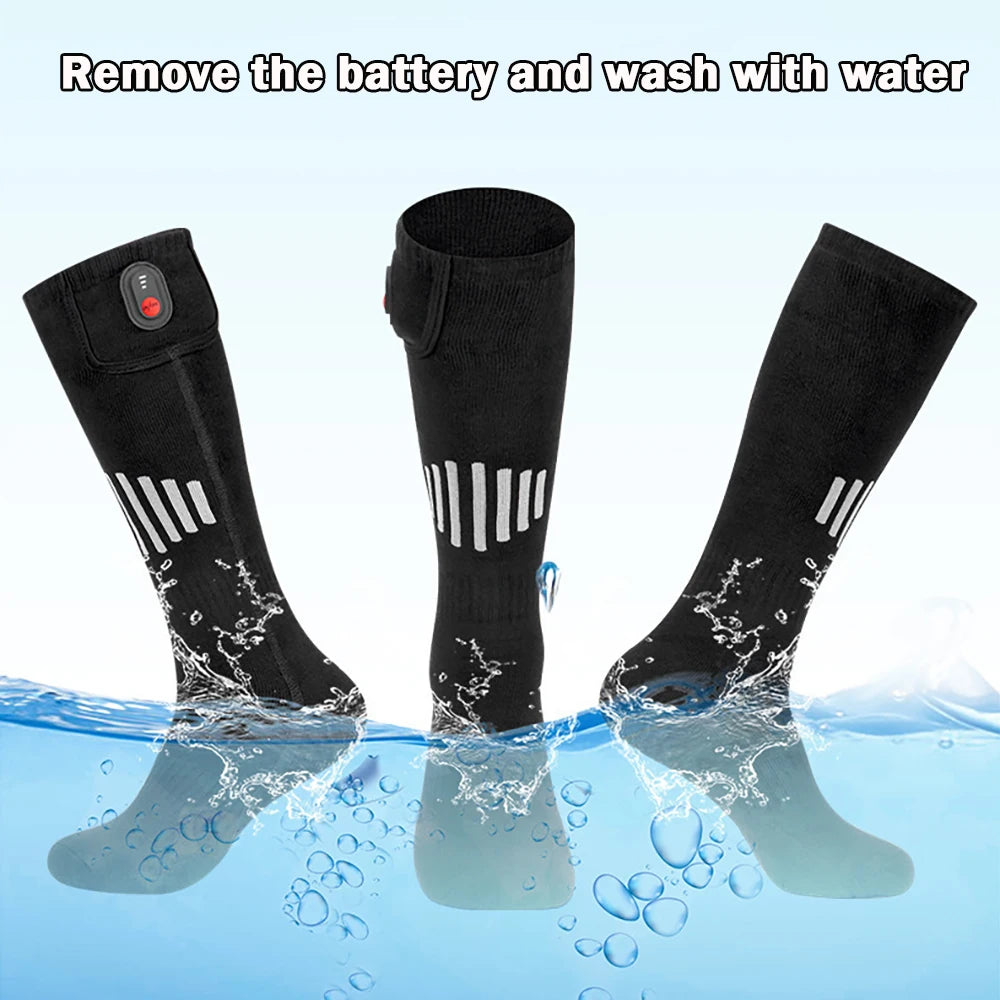
Targeted warmth helps reduce cold feet discomfort
Heated Socks vs Other Solutions for Cold Feet
Heated Socks vs Compression Socks
Compression socks improve circulation through pressure, while heated socks provide external warmth. For immediate relief from cold feet, heat is typically more effective.
Heated Socks vs Wool Socks
Wool socks trap heat but do not create it. Heated socks actively generate warmth, making them more effective for persistent cold feet.
Heated Socks vs Foot Warmers
Disposable foot warmers offer short-term heat but lack consistency and control. Heated socks provide adjustable, reusable warmth.
Do Compression Socks Help with Cold Feet?
When Compression Improves Circulation
- Mild swelling or fatigue-related circulation issues
- Standing or sitting for long periods
When Compression Can Worsen Cold Feet
- If socks are too tight
- If circulation is already severely reduced
Choosing Between Heat and Compression
If your main concern is warmth, heated socks are the better choice. If swelling or fatigue is the issue, compression socks may help. Some users benefit from combining both approaches carefully.
How to Use Heated Socks Safely and Effectively
Recommended Temperature Settings
Start on the lowest setting and increase gradually. Moderate heat is typically sufficient for comfort without overheating.
How Long Should You Wear Heated Socks?
Most users wear heated socks for 2–6 hours depending on battery life and comfort needs. Avoid continuous all-day use without breaks.
Battery and Maintenance Safety
- Charge batteries fully before use
- Follow washing instructions carefully
- Store batteries in a cool, dry place
Using heated socks correctly ensures both safety and long-term performance.
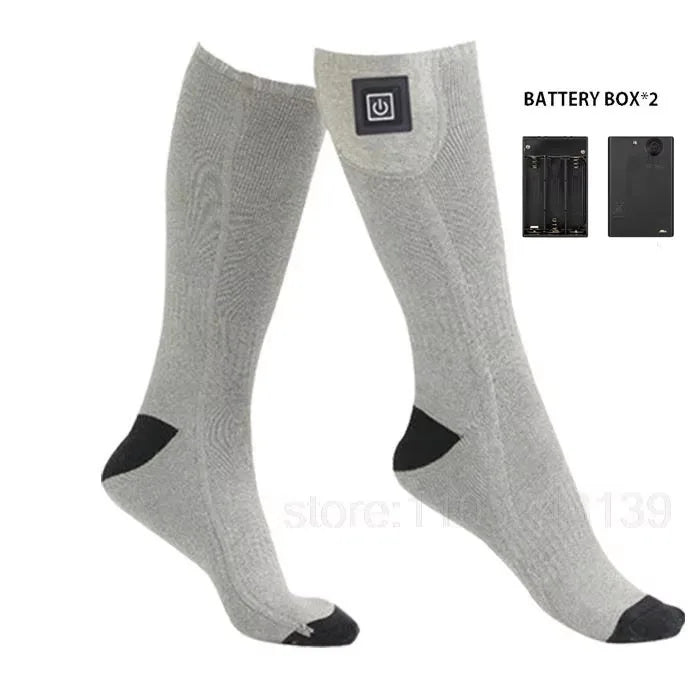
Consistent warmth helps maintain daily comfort
How to Choose the Best Socks for Poor Circulation and Cold Feet
Material and Insulation Factors
- Merino wool blends for warmth and breathability
- Moisture-wicking fabrics to prevent dampness
Heat Distribution and Coverage
- Targeted toe heating zones
- Even heat distribution across the foot
Fit and Circulation Considerations
- Avoid tight-fitting socks that restrict blood flow
- Choose flexible, non-restrictive designs
Explore supportive tools in Body Care and Health Devices to complement your comfort routine.
Frequently Asked Questions
Does poor circulation cause cold feet?
Yes. Reduced blood flow limits heat delivery to the feet, making them feel cold even in moderate temperatures.
Can heated socks help improve comfort for people with poor circulation?
Yes. Heated socks provide external warmth that helps reduce discomfort, though they do not treat the underlying condition.
Are heated socks safe for daily use?
Yes, when used properly and at safe temperatures, they are generally safe for regular use.
Will compression socks help with cold feet?
They may support circulation, but they usually do not provide enough warmth for cold-sensitive feet.
Related Guide: Cold Feet in Winter Best Heated Socks Reviewed for Comfort













