

Poor Leg Blood Circulation Solutions for Daily Comfort
If your legs feel heavy, achy, or restless at the end of the day, you’re not alone. Poor leg blood circulation affects millions of adults and often appears as swelling, tingling, cramps, or persistent fatigue that doesn’t improve with rest alone. The encouraging news is that targeted leg circulation therapy and simple daily habits can help restore comfort and support healthier blood flow.
⏱ 7 min read
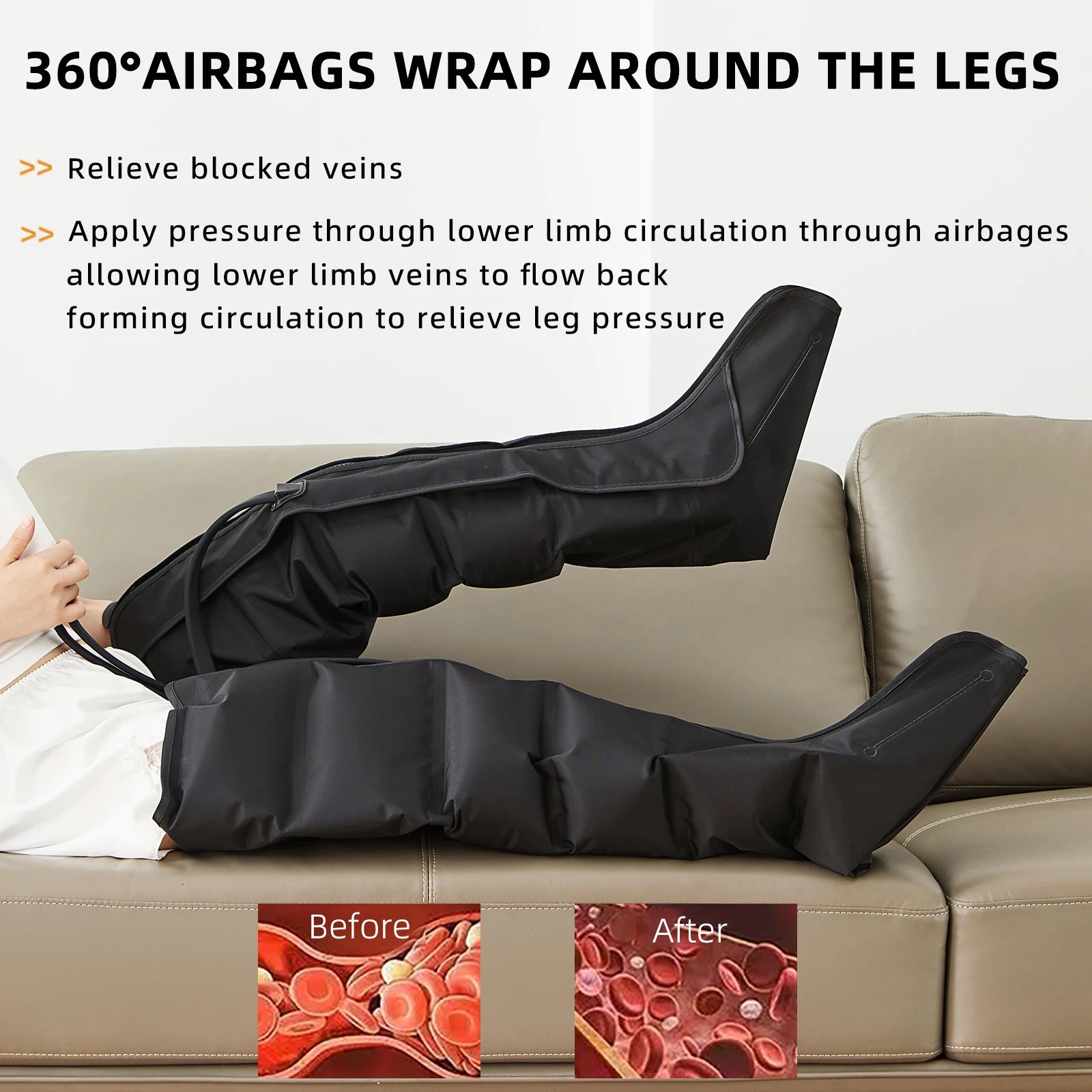
Daily relief starts with understanding your circulation — See it in action
Leg Circulation Therapy: Effective Solutions for Poor Blood Flow
Leg circulation therapy refers to a range of techniques designed to improve blood circulation in the legs , reduce fluid buildup, and relieve discomfort. These therapies combine movement, mechanical stimulation, and supportive devices to enhance the natural “muscle pump” that moves blood back toward the heart.
From compression systems to massage tools and simple movement routines, modern solutions make it easier than ever to support circulation for legs as part of daily life. The most effective approach typically combines multiple methods for consistent, long-term results.
What Is Poor Leg Blood Circulation?
Poor leg blood circulation occurs when blood moves too slowly through the veins and arteries of the lower body. Because the legs must push blood upward against gravity, healthy circulation depends on strong muscle contractions and flexible blood vessels.
When circulation slows, fluids may accumulate in the lower limbs. This often results in heaviness, swelling, fatigue, or tingling sensations—symptoms many people experience after long hours of sitting or standing.
What Causes Poor Blood Circulation in Legs?
- Prolonged sitting or standing without movement
- Reduced muscle engagement in calves and thighs
- Aging-related changes in blood vessel elasticity
- Post-exercise muscle fatigue
- Long travel or desk-based work routines
When leg muscles remain inactive, the natural pumping mechanism becomes less effective, allowing blood and fluid to pool in the lower limbs.
Symptoms of Poor Leg Circulation You Shouldn’t Ignore
Common Symptoms of Poor Leg Circulation
- Persistent cold feet or lower legs
- Tingling or numbness sensations
- Swelling in the ankles or calves
- Leg fatigue after long periods of sitting or standing
- Muscle cramps, especially at night
Warning Signs of Serious Circulation Problems
Skin discoloration, slow-healing wounds, or chronic swelling may indicate more serious circulation issues. If these symptoms appear, medical evaluation is recommended.
Why Leg Circulation Therapy Matters for Long-Term Health
Healthy circulation ensures oxygen and nutrients reach muscles and tissues efficiently. Circulation improvement therapy supports mobility, recovery, and long-term leg health by reducing fluid buildup and improving vascular efficiency.
Without proper circulation, fatigue and discomfort can become persistent. Regular therapy helps prevent these issues and supports daily performance.
Types of Leg Circulation Therapy Explained
Compression Therapy
Applies external pressure to improve upward blood flow and reduce swelling.
Massage & Mechanical Stimulation
Stimulates soft tissue to encourage circulation and relieve tension.
EMS/TENS Circulation Therapy
Uses electrical impulses to activate muscles, mimicking natural contractions that promote blood movement.
Exercise & Lifestyle Therapy
Includes walking, stretching, and hydration to maintain consistent circulation support.
How Compression Therapy Improves Blood Flow in Legs
How Compression Devices Work
Air compression devices inflate and deflate in cycles, mimicking muscle contractions to push blood upward.
Benefits for Daily Use
- Reduced swelling
- Improved circulation for legs
- Less fatigue and heaviness
- Faster recovery after activity
Who Should Use Compression Therapy
Ideal for office workers, travelers, athletes, and individuals experiencing leg fatigue or swelling.
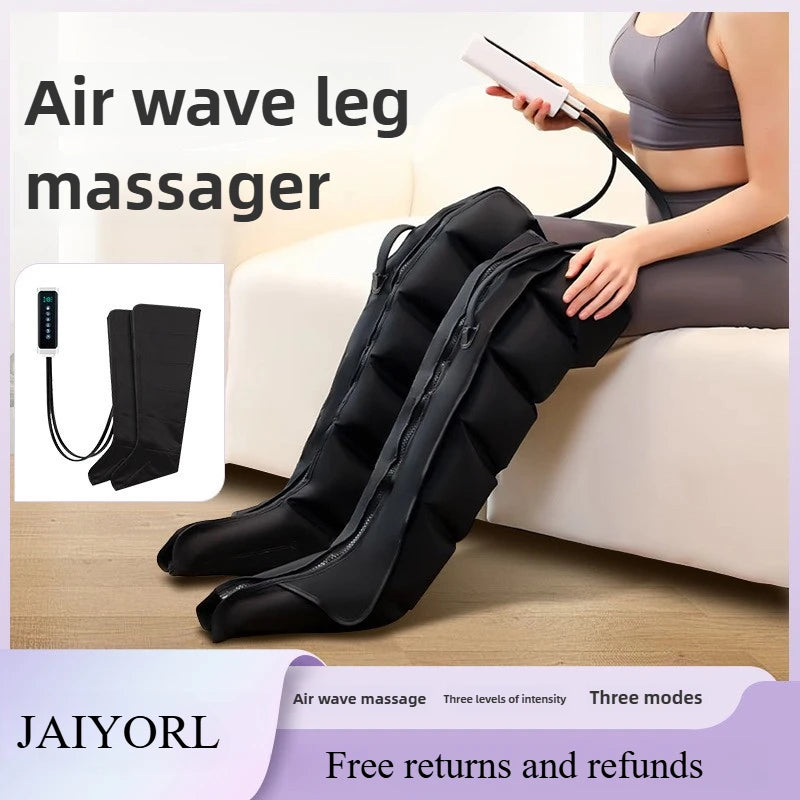
Targeted compression supports recovery and relaxation — See it in action
Why Circulation Massage Feels So Effective
Mechanical Stimulation and Blood Flow
Massage applies pressure to muscles, encouraging blood movement and reducing fluid buildup.
Relaxation and Muscle Recovery Effects
Relaxed muscles allow blood vessels to function more efficiently, supporting overall circulation.
How to Choose the Right Leg Circulation Therapy
Device vs Natural Methods
Natural methods like walking and stretching work best when combined with supportive devices for consistent results.
Key Features to Look For
- Adjustable intensity levels
- Multiple compression zones
- Comfortable materials
- Portable and easy-to-use design
Matching Therapy to Your Condition
Mild discomfort may improve with movement alone, while persistent swelling or fatigue may benefit from structured therapy tools.
A Simple Daily Routine for Better Leg Circulation
Morning Circulation Boost Habits
- Light stretching
- Short walk
- Hydration
Midday Movement Strategies
- Breaks every 30–60 minutes
- Calf raises
- Avoid prolonged sitting
Evening Recovery Routine
- Leg elevation
- Massage or compression therapy
- Stretching before bed
Many users integrate tools from the Body Care and Health Devices collection to support these routines.
Who Benefits Most From Leg Circulation Therapy?
Office & Remote Workers
Helps counteract long periods of sitting.
Active Adults & Athletes
Supports recovery and reduces soreness.
Travelers
Reduces swelling during long journeys.
Older Adults with Circulation Concerns
Supports mobility and daily comfort.
Safety Tips and When to Avoid Circulation Therapy
Who Should Not Use Compression or EMS
Individuals with severe vascular conditions, blood clots, or certain medical conditions should consult a healthcare provider before use.
When to See a Doctor
Seek medical advice if you experience persistent swelling, pain, skin changes, or non-healing wounds.
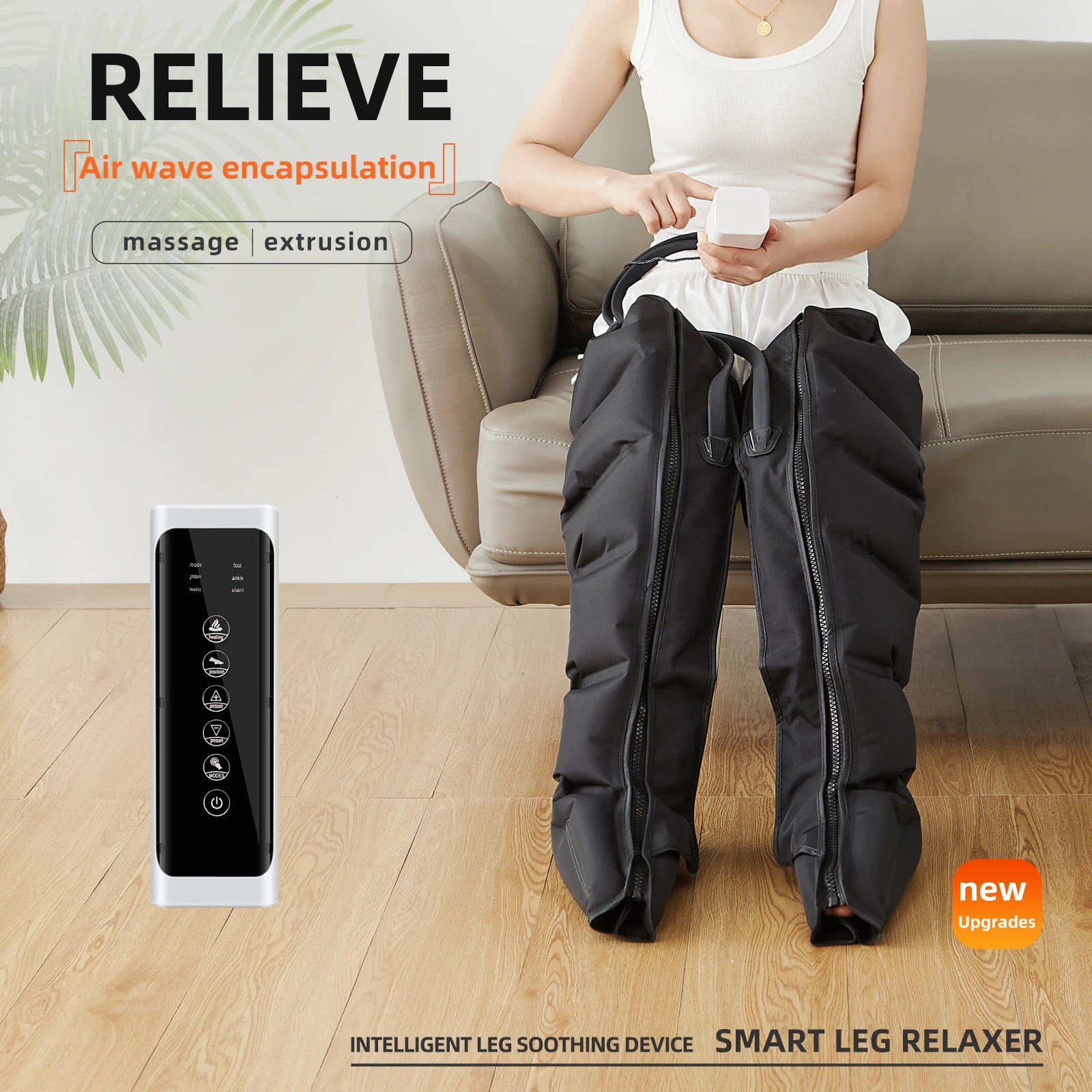
Comfort, recovery, and relaxation combined — See it in action
Frequently Asked Questions About Leg Circulation Therapy
Can poor leg circulation be managed at home?
Yes, consistent daily habits and therapy methods can improve circulation and comfort.
How often should circulation therapy be used?
Daily or near-daily use is recommended for best results.
Which therapy is most effective for blood flow?
Compression therapy combined with movement routines is often the most effective approach.
Are circulation devices safe for daily use?
Most modern devices are safe when used as directed, but medical consultation is advised for certain conditions.













