Battery Powered Heated Blanket Runtime Hours: Real Tests, Comparison & Buying Guide
Battery powered heated blankets make it possible to enjoy adjustable warmth without relying on wall outlets, whether you're camping, traveling, attending outdoor events, or relaxing at home. However, the most common question buyers ask is how long a heated blanket will actually stay warm on a single charge. The answer depends on battery capacity, heat setting, blanket design, and real-world conditions rather than manufacturer claims alone.
In this guide, you'll learn what affects battery powered heated blanket runtime hours, how to estimate realistic heating time, and why actual performance is often lower than advertised specifications.
Battery Runtime Explained: What Really Affects Heating Time
The runtime of a battery powered heated blanket is determined by the amount of usable energy stored in the battery and how quickly the heating elements consume that energy. While some products advertise "up to" 10 hours of warmth, those figures are usually measured on the lowest heat setting under ideal indoor conditions.
In everyday use, most portable heated blankets provide approximately:
- 10,000mAh battery: around 2–4 hours
- 20,000mAh battery: around 4–8 hours
- 30,000mAh battery: around 6–10+ hours
Using lower heat levels can significantly extend operating time, while maximum heat output may reduce runtime by nearly half. Ambient temperature, wind exposure, battery efficiency, and the blanket's heating technology all contribute to the final result.
Heat Settings
Heat level has the greatest influence on runtime. Most heated blankets offer low, medium, and high settings, with higher temperatures drawing substantially more power. Running continuously on the highest setting can consume two to three times as much energy as operating on low.
Battery Capacity
Higher-capacity battery packs store more energy, allowing longer heating sessions. A 20,000mAh power bank generally provides the best balance between portability, weight, and practical runtime, while 30,000mAh batteries are better suited to extended outdoor use.
Heating Zones
Blankets with larger heated areas or multiple independently heated zones typically require more power. Although they deliver more even warmth, they may reduce overall runtime compared with smaller single-zone designs using the same battery.
Ambient Temperature
Cold weather reduces battery efficiency while simultaneously increasing heat demand. Freezing temperatures, wind, and damp conditions often shorten runtime by 20–30% compared with indoor testing, making real-world performance noticeably different from laboratory estimates.
Rather than relying solely on advertised specifications, it's more realistic to expect actual battery life to fall within the lower end of the manufacturer's stated range, particularly when using medium or high heat outdoors.
Battery Runtime Comparison: Real Tests at Low, Medium and High Heat
The figures below represent realistic battery powered heated blanket runtime hours based on typical power consumption, normal battery efficiency, and everyday use. Actual results will vary depending on ambient temperature, heating technology, and battery quality, but these estimates are generally more representative than maximum manufacturer claims.
| Battery Capacity | Low Heat (5W) | Medium Heat (10W) | High Heat (15W) |
|---|---|---|---|
| 10,000mAh | 4–5 hours | 2–3 hours | 1.5–2 hours |
| 20,000mAh | 8–10 hours | 4–6 hours | 3–4 hours |
| 30,000mAh | 10–14 hours | 6–9 hours | 4–6 hours |
For most users, a 20,000mAh battery provides the best compromise between carrying weight, charging convenience, and dependable runtime. It offers enough capacity for day trips, sporting events, flights, and many outdoor activities without becoming excessively bulky.
Charging time is another practical consideration. Most 10,000mAh batteries recharge within 3–5 hours, while 20,000mAh and 30,000mAh power banks may require 5–9 hours depending on the charger and supported fast-charging standard.
Performance consistency also matters. Higher-quality lithium battery packs generally maintain a steadier voltage throughout the discharge cycle, allowing the blanket to produce more uniform heat instead of gradually feeling cooler as the battery empties.
When comparing advertised specifications with real-world performance, remember that most brands measure runtime on the lowest heat setting in mild indoor temperatures. During outdoor use, users commonly experience approximately 20–30% shorter runtime because of:
- Automatic heat cycling that conserves battery while maintaining target temperature
- Lower battery efficiency in cold environments
- Voltage loss as the battery discharges
- Additional energy required to maintain warmth in windy or freezing conditions
As a practical guideline, a blanket advertised to run for up to 10 hours will often provide around 5–7 hours of comfortable heating when used on medium heat outdoors.
⏱ 7 min read
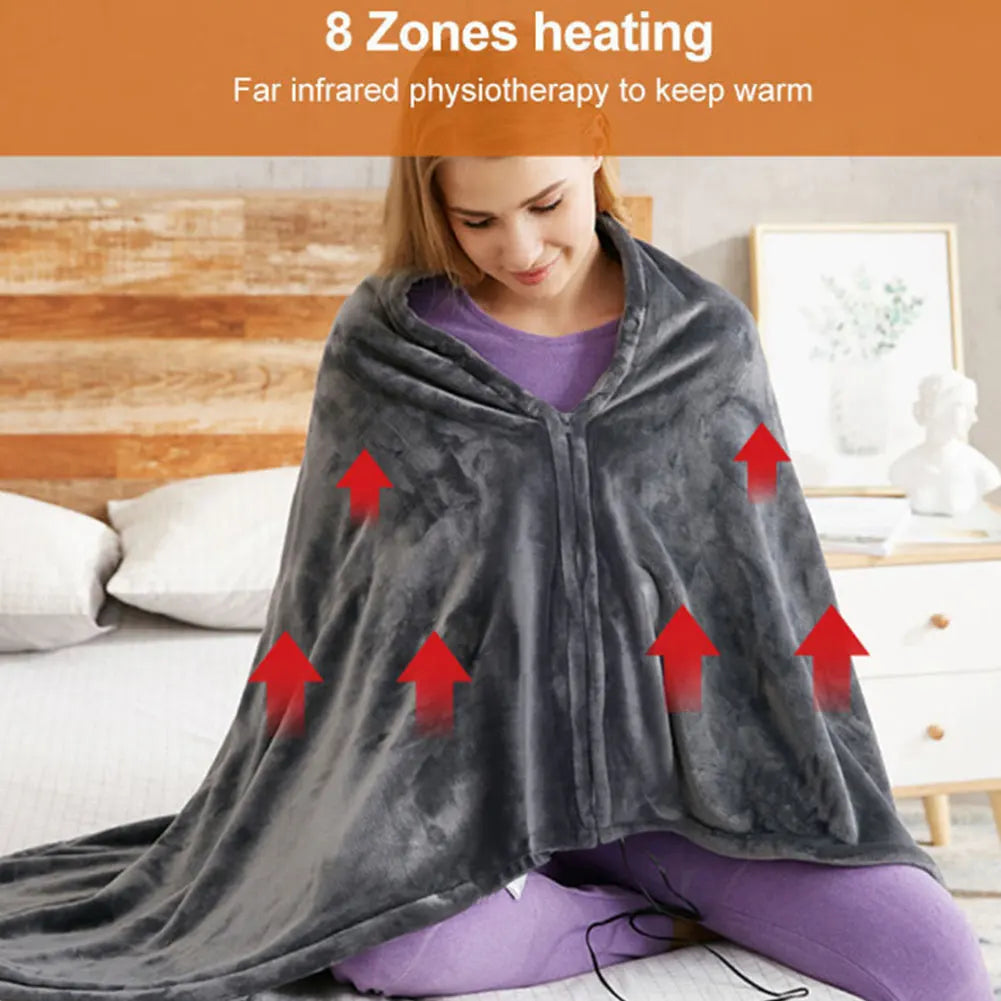
Portable battery operated heated blanket for outdoor activities in cold weather — See it in action
Feature Comparison: What Matters Most Before Buying
Battery capacity is only one factor when choosing a portable heated blanket. Heating efficiency, comfort, portability, and compatibility with external batteries all influence how well a blanket performs in everyday use.
Heating Coverage
A larger heated area distributes warmth more evenly across the body, but it also requires additional energy. Some premium blankets use multiple heating zones that can be controlled independently, helping balance comfort with battery consumption.
Battery Compatibility
Many USB-powered heated blankets are compatible with standard USB-A or USB-C power banks, allowing you to replace or carry spare batteries during long trips. Before purchasing, verify the required voltage and output current to ensure reliable performance with your preferred battery pack.
Weight and Packability
Frequent travelers often benefit more from a lightweight blanket paired with a 10,000mAh or 20,000mAh battery than from a heavier system designed for maximum runtime. Compact models are easier to carry in backpacks, luggage, and emergency kits while still providing several hours of warmth.
Washability and Safety
Choose blankets with removable battery connections and machine-washable fabrics whenever possible. Built-in overheat protection, automatic shutoff, and certified electrical components improve long-term reliability and user safety during regular use.
Quick Comparison Table: Best Portable Battery Operated Heated Blankets
| Product Type | Battery Size | Estimated Runtime | Weight | Battery Included | Best For |
|---|---|---|---|---|---|
| USB Heated Blanket | 10,000mAh | 2–4 hours | Lightweight | Varies by brand | Office, flights, commuting |
| Mid-range Heated Blanket | 20,000mAh | 4–8 hours | Medium | Often included | Travel, daily outdoor use |
| High-capacity Heated Blanket | 30,000mAh | 6–10+ hours | Heavier | Usually included | Camping, extended outdoor activities |
This rechargeable heated blanket comparison shows that the ideal choice depends on how you prioritize runtime, portability, and carrying weight. Mid-capacity models remain the most versatile option for most users, while larger battery systems are better suited to long periods away from power sources.
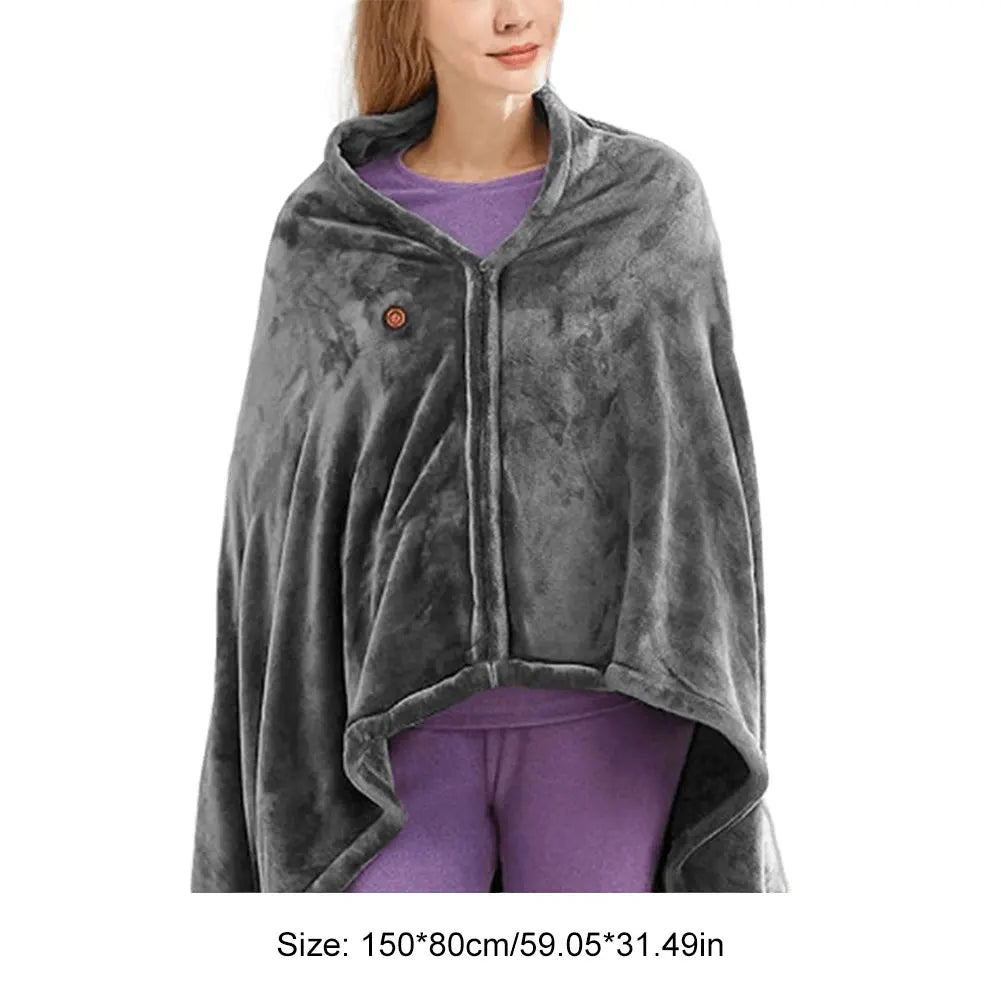
Comparing portable battery powered heated blanket options for travel heating pad airplane comfort — See it in action
Best Battery Powered Heated Blanket Options by Runtime
Selecting the best battery powered heated blanket depends on your expected usage time, portability requirements, and preferred heat level.
- Best for extended runtime: Models using 30,000mAh batteries provide the longest operating time and are well suited to camping or overnight outdoor use.
- Best overall balance: Heated blankets paired with 20,000mAh batteries combine reliable runtime with practical portability for everyday travel.
- Best lightweight option: USB heated blankets powered by 10,000mAh batteries are compact, easy to carry, and ideal for short warming sessions during commuting or flights.
Regardless of battery size, prioritize efficient heating elements, adjustable temperature controls, quality insulation, and compatibility with external power banks to maximize comfort and usable runtime.
Best Heated Blanket for Every Use Case
Camping
Campers benefit most from heated blankets paired with 20,000mAh to 30,000mAh battery packs. These larger batteries provide several hours of dependable warmth after sunset and help reduce the need for bulky extra blankets. For multi-day trips, carrying a spare charged power bank offers greater flexibility than relying on a single oversized battery.
Sporting Events
Outdoor games, concerts, and winter festivals often involve long periods of sitting still in cold weather. A medium-capacity heated blanket delivers an excellent balance of warmth, portability, and runtime without adding excessive weight to your gear.
Travel
Compact USB-powered heated blankets are well suited to flights, train journeys, road trips, and airport waiting areas. Lightweight designs fit easily into carry-on luggage and provide comfortable warmth during shorter travel sessions when paired with a quality power bank.
Emergency Preparedness
A rechargeable heated blanket can be a valuable addition to emergency kits for power outages or severe winter weather. Models compatible with standard USB power banks are especially practical because replacement batteries are widely available and can also power other electronic devices.
Explore the USB Heated Blanket here: USB Heated Blanket
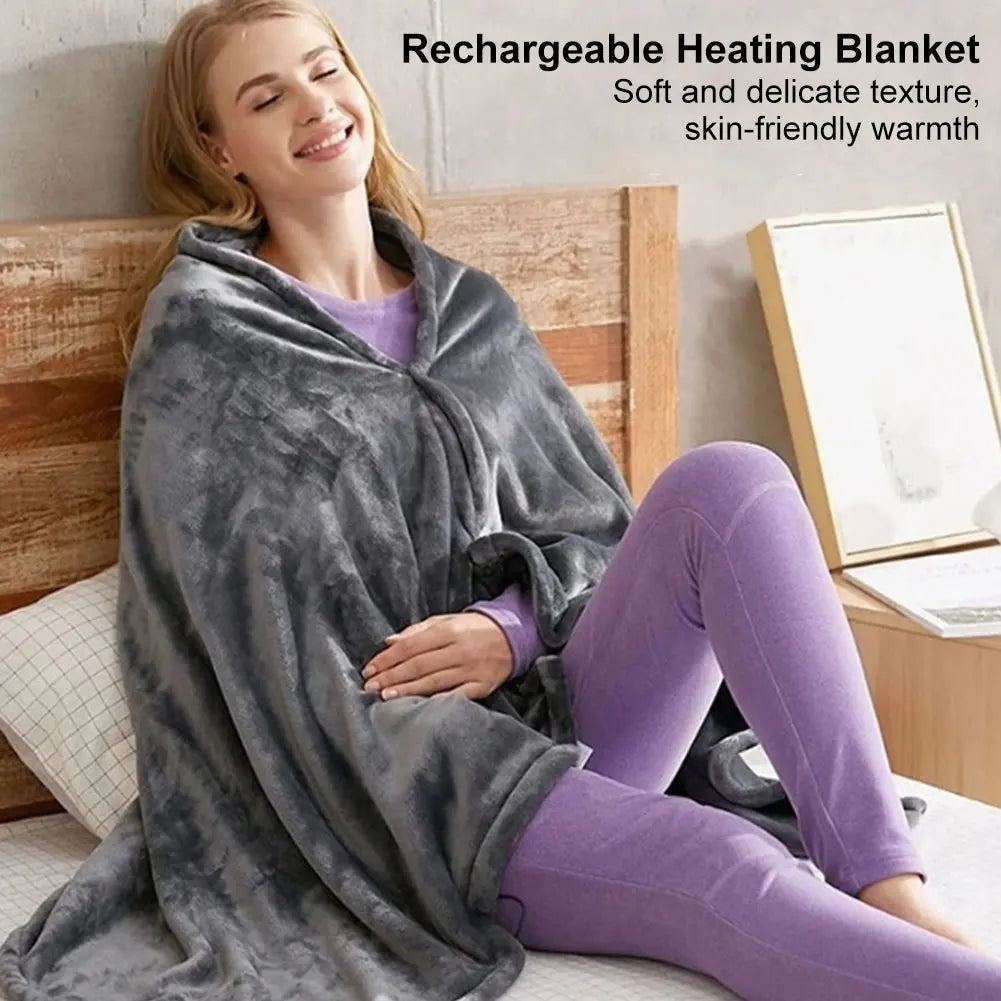
Portable battery operated heated blanket paired with USB power for winter travel comfort — See it in action
Care, Safety Certifications and Battery Maintenance
Proper maintenance helps maximize battery lifespan while ensuring consistent heating performance and safe daily operation.
- Operate on the lowest comfortable heat setting whenever possible to reduce power consumption.
- Pre-warm the blanket before prolonged use instead of running continuously on the highest setting.
- Store batteries in a cool, dry location at room temperature when not in use.
- Avoid frequent complete battery discharge, which can shorten lithium battery lifespan over time.
- Use high-quality power banks with built-in overcurrent, overvoltage, and short-circuit protection.
- Inspect cables and connectors regularly for signs of wear or damage before each use.
- Follow the manufacturer's washing instructions and disconnect all electrical components before cleaning.
- Look for products using recognized safety standards such as UL or CE-certified electrical components whenever available.
Following these maintenance practices not only extends cordless heated blanket duration over the life of the battery but also helps maintain reliable heating performance season after season.
Frequently Asked Questions
How long does a battery heated blanket last?
Most battery powered heated blankets operate for approximately 2 to 10 hours on a full charge. Actual runtime depends on battery capacity, heat setting, blanket size, and outdoor temperature. Medium heat typically provides the best balance between warmth and battery efficiency.
How many hours does a battery powered heated blanket last on high?
On the highest heat setting, a 20,000mAh battery generally provides around 3–4 hours of continuous warmth, while a 30,000mAh battery may extend runtime to approximately 4–6 hours under typical outdoor conditions.
Which portable battery operated heated blanket has the longest runtime?
Models powered by 30,000mAh battery packs usually deliver the longest heating duration. However, they are also heavier than 10,000mAh or 20,000mAh alternatives, so the best choice depends on whether you prioritize portability or extended warmth.
What battery capacity is best for camping?
For camping, a 20,000mAh battery is suitable for most evening activities, while a 30,000mAh battery offers longer runtime for colder environments or overnight use on lower heat settings. Carrying an additional charged power bank can further extend operating time.
Can I use a larger power bank?
Yes, provided the heated blanket supports external USB power and the battery delivers the required voltage and output current. Higher-capacity power banks can increase total runtime, although they also add weight to your gear.
Can I use any USB-C power bank with a heated blanket?
Not always. While many modern heated blankets support USB-C connections, compatibility depends on the required voltage, current, and power delivery specifications. Always verify the manufacturer's recommended battery requirements before purchasing a replacement power bank.
Are rechargeable heated blankets safe for overnight use?
High-quality rechargeable heated blankets with built-in overheat protection and automatic shutoff are generally designed for safe operation. Follow the manufacturer's instructions, avoid covering the battery pack, and inspect cables regularly for signs of wear before each use.
How long does it take to recharge a heated blanket battery?
Recharge time varies by battery size and charger output. A 10,000mAh battery commonly charges in 3–5 hours, while 20,000mAh and 30,000mAh batteries typically require 5–9 hours when using compatible fast chargers.
For more wellness-focused comfort tools, browse Body Care and Health Devices or discover travel-friendly essentials in Lifestyle .
Related Guides: