

Do portable camping heaters actually work in cold weather?
A portable camping heater can provide meaningful warmth in cold weather, but real performance depends on more than advertised BTU ratings. Outdoor temperature, wind exposure, tent insulation, and heater placement all affect how comfortable you actually feel.
The most efficient camping heater is not always the most powerful model. A properly sized heater that distributes heat evenly and matches your shelter type often performs better than a high-output unit that wastes fuel or creates uncomfortable hot spots.
In mild winter conditions, a portable camping heater can quickly improve comfort inside a properly ventilated shelter. However, in extreme cold, heaters work best as a supplement to good insulation, an insulated sleeping system, and proper cold-weather camping preparation.
Best Portable Camping Heaters (Tested & Compared)
The best portable camping heater depends on where you camp, how much space you need to warm, and whether portability or maximum heat output matters most. After comparing common heater designs, the strongest options are those that balance reliable heating, fuel efficiency, and practical outdoor use.
Best Overall Portable Camping Heater
A balanced propane camping heater remains the most versatile choice for most campers. These models deliver strong heat output, operate reliably in cold temperatures, and work well for car camping, hunting trips, and winter base camps.
Best for: General camping, cold-weather trips, and campers who want dependable warmth.
- Pros: Strong heat output, reliable fuel availability, simple operation.
- Cons: Requires ventilation and proper fuel management.
Best Propane Camping Heater
Propane camping heaters are popular because they continue working when temperatures drop. Compared with smaller fuel-powered options, propane models typically provide longer runtime and better performance in freezing conditions.
Best for: Winter camping, larger tents, and extended outdoor trips.
- Pros: Excellent cold-weather performance, higher BTU options.
- Cons: Heavier than compact alternatives.
Best Small Camping Heater for Tent Use
Small catalytic heaters and compact radiant heaters are designed for campers who prioritize portability and quiet operation. They are useful for small shelters where conserving fuel and reducing noise matter.
Best for: Backpacking, two-person tents, and lightweight camping setups.
- Pros: Compact, lightweight, fuel efficient.
- Cons: Limited heating coverage compared with larger models.
Best Indoor Safe Camping Heater
Indoor safe camping heaters include important safety systems such as oxygen depletion sensors, automatic shutoff functions, and stable burner designs. These features reduce risk when heaters are used in approved ventilated spaces.
Best for: Camp shelters, cabins, and emergency situations where approved indoor operation is required.
Best Budget Portable Camping Heater
Budget heaters are suitable for occasional campers who need basic warmth without investing in premium features. Compact fuel-powered models can provide practical heating for short trips and mild conditions.
Best for: Casual camping and backup warmth.
Best High-Output Heater for Winter Camping
High-output propane heaters provide the power needed for large tents, base camps, and freezing environments. These models are designed for situations where maintaining warmth over a larger area is the priority.
Best for: Large shelters, hunting camps, and severe winter conditions.
Portable Camping Heater Comparison: Best Portable Camping Heaters for Cold Weather Camping
Cold nights can quickly affect comfort during outdoor adventures. A portable camping heater can make winter camping more enjoyable, but choosing the right model requires understanding real heating performance, fuel efficiency, and safety rather than focusing only on advertised power.
This guide compares heater types, explains what features matter most, and shows how different designs perform in real camping conditions.
⏱ 6 min read
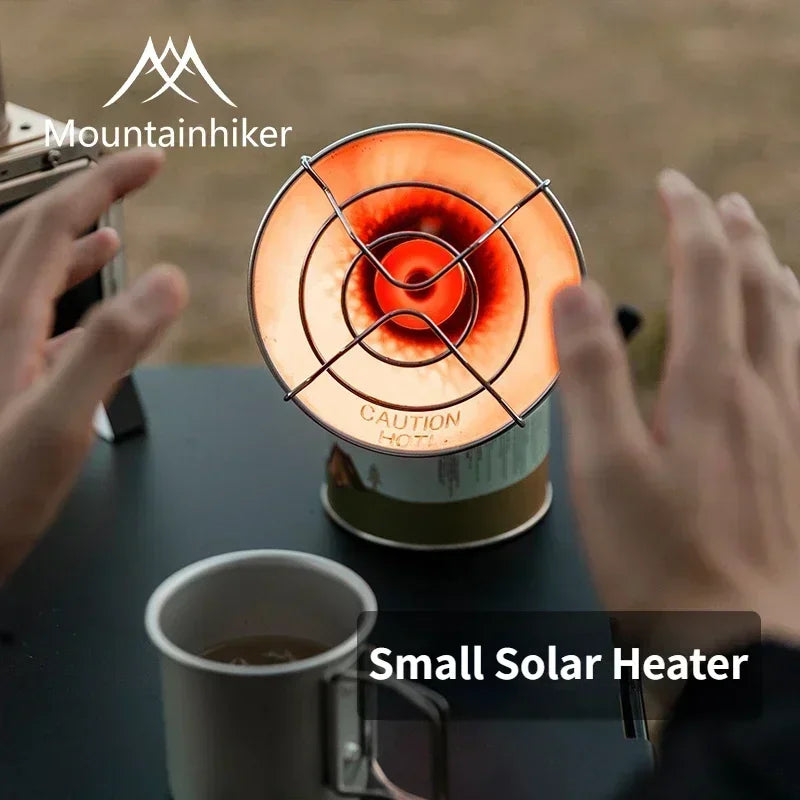
Portable camping heater setup outdoors — compact warmth without bulk. See it in action
Camping Heater Comparison Table (Specs That Matter)
A camping heater comparison should focus on real-world factors instead of numbers alone. BTU output, fuel efficiency, portability, and safety features determine how useful a heater will be during an actual camping trip.
| Heater Type | Heat Output | Fuel Type | Best Use | Key Advantage |
|---|---|---|---|---|
| Propane Heater | Medium to High BTU | Propane | Winter camping and car camping | Strong cold-weather performance |
| Catalytic Heater | Low to Medium BTU | Propane or specialized fuel | Small tents and quiet heating | Efficient and quiet operation |
| Butane Heater | Low to Medium BTU | Butane | Mild-weather camping | Compact portability |
| Electric Heater | Depends on power source | Electricity or battery | Powered campsites | No fuel storage required |
- Fuel Type: Propane, butane, catalytic fuel, or electricity affect portability and cold-weather reliability.
- Heat Output: BTU ratings indicate potential heating power, but insulation and airflow determine real comfort.
- Runtime: Efficient burners reduce fuel consumption during long camping nights.
- Weight: Lightweight designs are better for backpacking, while larger models suit vehicle-based camping.
- Safety Features: Tip-over protection, oxygen depletion sensors, and automatic shutoff improve reliability.
Gas vs Electric Camping Heater: Which Is Better?
Choosing between a gas and electric camping heater depends on access to power, weather conditions, and how portable the setup needs to be.
Propane Camping Heater Pros and Cons
Propane heaters are often the preferred option for cold-weather camping because fuel remains effective in lower temperatures and provides consistent heat output.
- Advantages: High heat output, reliable winter performance, easy fuel availability.
- Disadvantages: Requires careful ventilation and fuel storage.
Catalytic vs Butane Heater Differences
Catalytic heaters use a flameless heating process that can improve efficiency and reduce noise. Butane heaters are lighter and convenient for travel but may lose performance in freezing temperatures.
Battery Powered Camping Heater: Limitations
A battery powered camping heater can be useful for small personal warming applications, but current battery technology limits the amount of heat available compared with fuel-powered heaters.
Electric models are generally better suited for RV camping, cabins, or campsites with reliable power connections.
Key Performance Factors That Actually Matter
The most efficient camping heater is not simply the model with the highest output. Comfort depends on how effectively the heater matches your environment.
Heat Output vs Tent Size
BTU ratings should always be matched to tent size. A small tent requires less energy, while large family shelters need more heat distribution. Oversized heaters can waste fuel and create uncomfortable temperature differences.
Fuel Efficiency and Runtime
Fuel efficiency becomes critical during multi-day trips. A heater that maintains steady warmth while using less fuel reduces the need to carry extra canisters or tanks.
Noise Levels for Sleeping
Quiet operation matters during overnight camping. Catalytic and radiant designs often create less noise than models with fans or active airflow systems.
Stability and Tip-Over Protection
A stable base, low center of gravity, and automatic shutoff features improve confidence when using a heater in limited tent space.
How to Choose the Best Portable Camping Heater
The best heater for camping depends on your travel style, shelter size, and expected temperatures. Use these factors to narrow down your options.
Match Heater Output to Tent Size
Small tents need compact heating solutions, while large shelters require higher-output models. Choosing the correct BTU range improves efficiency and comfort.
Choosing the Right Fuel Type
Propane is usually the strongest choice for cold weather. Butane works well for lightweight trips in moderate climates, while catalytic heaters are useful when quiet operation matters.
Portability for Backpacking vs Car Camping
Backpackers should prioritize weight and compact fuel systems. Car campers can carry larger heaters with higher output because transportation is less restrictive.
Must-Have Safety Features
Look for features such as oxygen depletion sensors, tip-over protection, flame controls, and automatic shutoff systems.
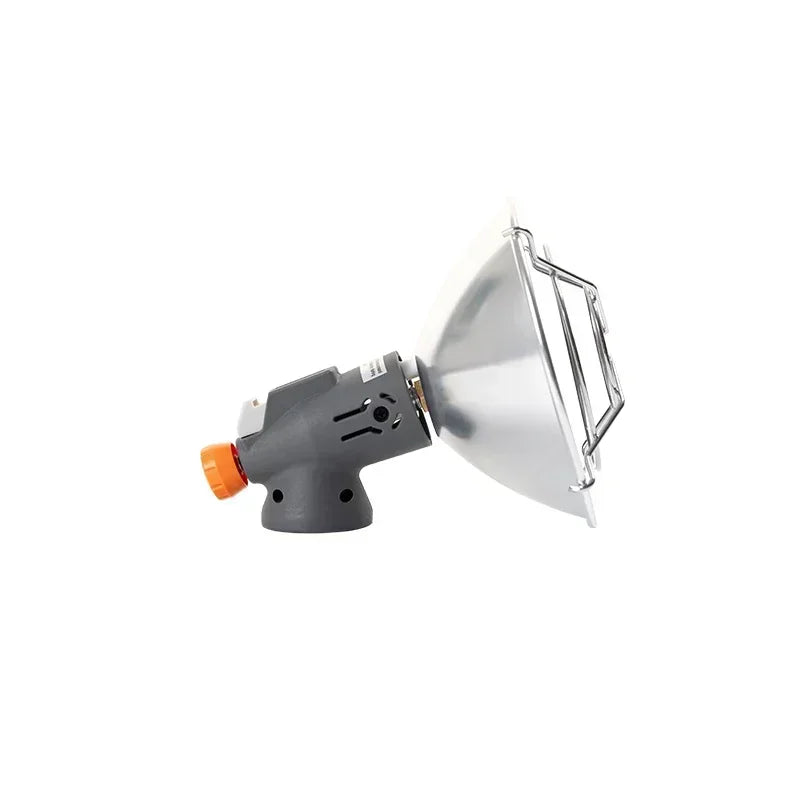
Comparing heater sizes and airflow designs side by side. See it in action
Camping Heater Safety Tips for Tent Use
Using a camping heater safely requires proper setup, ventilation, and awareness of carbon monoxide risks.
Ventilation Rules Every Camper Should Follow
Always maintain airflow when operating a heater in an enclosed shelter. Ventilation helps reduce the risk of oxygen depletion and carbon monoxide buildup.
Carbon Monoxide Risk and Prevention
Carbon monoxide has no smell and can become dangerous in enclosed spaces. Many experienced campers use carbon monoxide detectors as an additional safety measure.
Safe Heater Placement in Tents
Place heaters on stable surfaces away from sleeping bags, clothing, and tent walls. Keep combustible items clear from the heating area.
Sleeping Safely with a Heater
Many campers warm their shelter before sleeping instead of leaving heaters running unattended. Always follow the manufacturer’s operating instructions.
Best Camping Heaters by Use Case
Best Heater for Backpacking
Compact catalytic heaters and lightweight fuel systems work best when every ounce matters.
Best Heater for Car Camping
Car campers benefit from propane heaters that provide higher output without strict weight limitations.
Best Heater for Large Tents
Large shelters require stronger propane models that can distribute heat across a wider area.
Best Heater for Emergency Home Use
Portable propane heaters can provide backup warmth during power outages when used according to safety requirements.
Real-World Testing: What We Learned
Real camping performance often differs from specifications. Testing across different outdoor situations shows several important patterns.
Small heaters perform well in compact insulated tents but struggle when exposed to strong wind or poor shelter design. Larger propane heaters provide better coverage but require more fuel and careful placement.
Fuel consumption increases significantly in colder temperatures because heaters must work harder to maintain comfortable conditions. Proper insulation, sleeping gear, and reducing heat loss remain essential.
Overall comfort depends on the combination of heater efficiency, tent design, weather protection, and user setup—not just heater output.
Portable Camping Gas Heater Stove
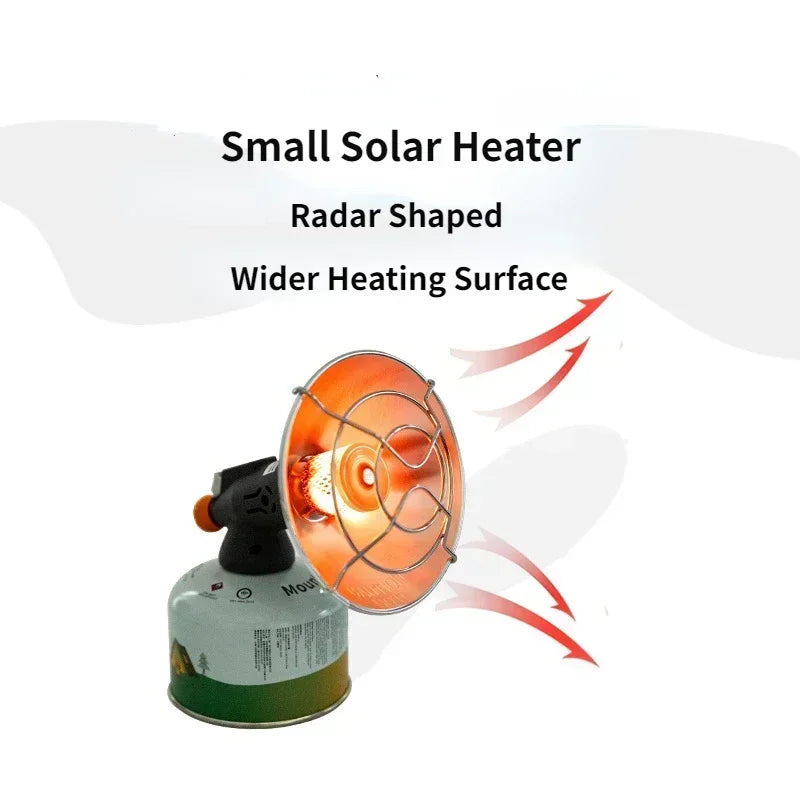
Portable camping heater in cold conditions — efficient warmth where it counts. See it in action
Final Verdict: Which Portable Camping Heater Is Best?
The best portable camping heater depends on your camping environment. For most cold-weather campers, propane models provide the strongest balance of heat output, reliability, and portability.
Small catalytic heaters are better for lightweight trips and quiet operation, while high-output propane heaters are the better choice for large shelters and freezing temperatures.
Choosing the right heater means matching fuel type, output, size, and safety features to your actual camping needs.
FAQs About Portable Camping Heaters
Is it safe to use a propane camping heater inside a tent?
Only when the heater is specifically designed for approved indoor use, proper ventilation is maintained, and safety instructions are followed. Carbon monoxide prevention and correct placement are essential.
What is the most efficient portable camping heater?
The most efficient camping heater depends on the situation. Catalytic heaters are often efficient for small spaces, while propane heaters provide better overall performance in cold weather.
Are battery powered camping heaters worth it?
Battery powered camping heaters are limited by battery capacity and are usually better for personal warming rather than heating an entire tent.
How do I choose the right BTU for my tent size?
Choose output based on tent volume, insulation, outdoor temperature, and wind exposure. More BTUs do not always mean better comfort if the heater is oversized.
Can I sleep overnight with a camping heater on?
Many campers prefer warming the tent before sleep rather than operating heaters unattended overnight. Always follow the heater manufacturer’s safety guidance.
View Portable Camping Gas Heater Stove
Related Guide: Best Butane Heater for Camping: Top Picks Compared













