

Portable Cooling for Summer: Smart Ways to Stay Cool While Traveling
Hot-weather travel is easier when you plan for cooling before the heat becomes uncomfortable. Portable cooling for summer is not about relying on one device—it works best as a combination of personal airflow, hydration, breathable clothing, shade, UV protection, and planned breaks. The right setup can make walking tours, beach days, road trips, airport waits, and outdoor events much more comfortable without adding bulky gear to your luggage.
What Is the Best Portable Cooling for Summer Travel?
The best portable cooling option depends on where you are going, how long you will be outside, and whether you need hands-free or targeted cooling. A handheld fan is useful for personal airflow while walking, a neck fan provides hands-free airflow, and a cooling towel can provide reusable evaporative cooling without batteries. An insulated water bottle supports hydration, while a reusable ice pack can provide localized cooling when practical.
Quick Guide to the Best Cooling Options
| Cooling option | Cooling method | Packability | Power needs | Best for |
| Handheld fan | Directed airflow | Excellent | Electric power | Walking, sightseeing, commuting |
| Portable fan | Personal airflow | Very good | Usually electric | Hotels, desks, road trips |
| Neck fan | Hands-free airflow | Very good | Electric power | Outdoor events and walking |
| Cooling towel | Evaporative/contact cooling | Excellent | None | Outdoor activities |
| Reusable ice pack | Contact cooling | Good | Needs access to cold storage | Localized cooling |
| Insulated water bottle | Cold hydration | Good | None | All-day travel |
How to Choose Based on Your Travel Style
For walking tours and sightseeing, prioritize lightweight airflow that can be used repeatedly without taking much space. Flights call for compact, quiet, easy-to-pack options. Road trips give you more flexibility for larger hydration supplies and charging accessories. Beach days benefit from a combination of shade, hydration, breathable clothing, and reusable cooling gear. For festivals and outdoor events, hands-free cooling and backup power can be especially useful when you expect to remain outside for several hours.
How to Stay Cool While Traveling in Hot Weather
Portable cooling gear works best when it supports basic heat-management habits. Airflow can improve comfort, but hydration, sun protection, breathable clothing, shade, and regular cooling breaks remain important parts of a practical summer travel strategy.
Use Airflow to Improve Comfort
Airflow can make hot conditions feel more comfortable by moving air across exposed skin. A compact handheld fan is particularly useful when you are walking, waiting outdoors, or sitting somewhere without effective air conditioning. In humid weather, airflow may improve comfort even when sweat does not evaporate as quickly as it would in dry conditions.
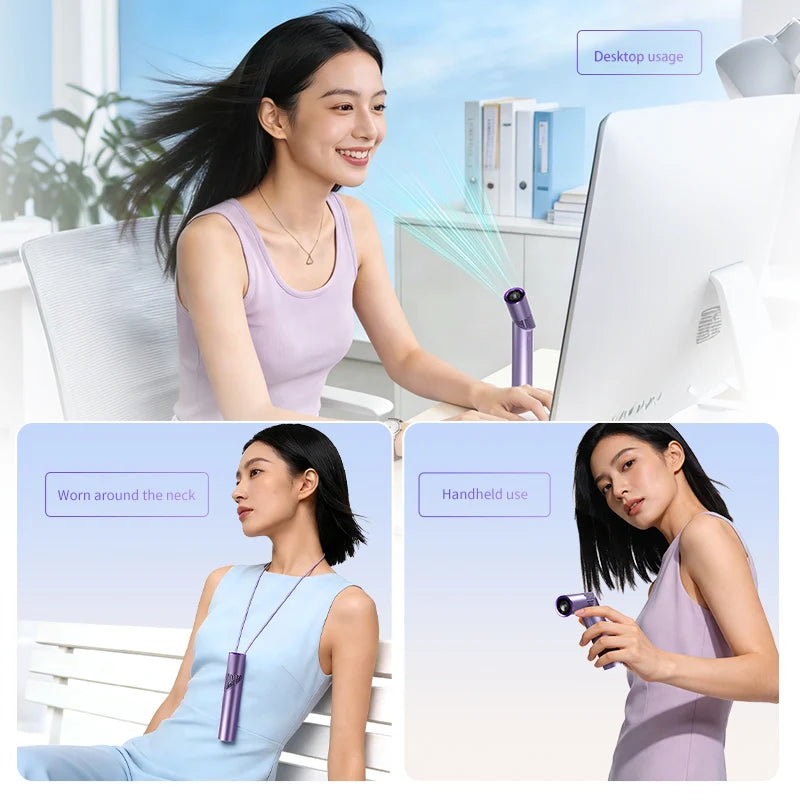
A foldable handheld fan can be useful because its compact form is easier to store between uses. A versatile design can also work as a handheld, desktop, or neck-hanging personal cooling fan, making it suitable for different parts of a trip.
Stay Hydrated Before You Feel Thirsty
Carry water when traveling in hot weather and drink regularly rather than waiting until thirst becomes intense. During prolonged activity or heavy sweating, electrolyte-containing beverages may sometimes be useful, particularly when fluid and electrolyte losses are substantial. Travel plans should account for access to water, especially when walking in areas where refill points are limited.
Choose Breathable Clothing and UV Protection
Lightweight, breathable clothing can reduce the discomfort associated with trapped heat. A hat can provide additional protection from direct sun exposure, while sunglasses and sunscreen can help protect exposed areas from ultraviolet radiation. Whenever possible, combine clothing and UV protection with shade instead of treating any single measure as complete protection from heat.
Build Cooling Breaks Into Your Itinerary
Do not wait until you feel overwhelmed by heat before taking a break. Add air-conditioned stops, shaded areas, indoor attractions, cafés, or other cooler locations to your itinerary. Scheduling breaks can be especially useful during sightseeing because walking continuously through peak heat can increase heat exposure even when you are carrying portable cooling gear.
Best Portable Cooling Gear by Travel Scenario
The most useful portable cooling setup changes with the activity. Instead of choosing one universal device, match the cooling method to how you will spend the day.
Walking Tours and Outdoor Sightseeing
Walking tours favor compact equipment that provides immediate personal airflow without adding significant weight. A handheld fan, cooling towel, water bottle, hat, and breathable clothing create a practical combination. If you expect to walk for several hours, plan charging capacity as well as places where you can stop in the shade or indoors.
A foldable portable handheld fan is particularly suited to this scenario because it can provide focused airflow while remaining compact enough for a travel bag. Its foldable design also makes it easier to store when you are moving between indoor and outdoor locations.
Beach Days
Beach travel requires more than a fan. Combine portable airflow with an insulated water bottle, cooling towel, shade, sunscreen, and breathable clothing. A reusable ice pack can provide additional localized cooling when you have an appropriate way to keep it cold.
Remember that a fan does not replace shade or sun protection. Direct sun exposure can continue to increase heat load even when airflow makes you feel temporarily more comfortable.
Road Trips
Road trips allow you to carry more supplies, so prioritize longer-lasting cooling and hydration. A portable electric fan can be useful around seating areas where airflow is limited. Charging cables, spare power options, and a large insulated water bottle can help support a full day on the road.
Build stops into the route rather than assuming vehicle air conditioning will always be sufficient. Getting out of the vehicle, stretching, hydrating, and spending time in a cooler environment can make long summer journeys more manageable.
Flights and Airports
For air travel, packability matters. Choose compact cooling equipment that fits easily into your personal item and can be accessed without unpacking your entire bag. A small handheld fan can be useful during airport waits, transfers, and other situations where personal airflow is limited.
Before flying, check current airline and airport rules for batteries, electronic devices, and power banks. Keep charging accessories organized so you can access them easily during long travel days.
Outdoor Events and Festivals
Outdoor events often involve long periods of standing or walking with limited shade. Hands-free cooling can be convenient because it leaves your hands available for other tasks. Pair it with hydration, breathable clothing, UV protection, and a charged battery.
If the event lasts most of the day, carry a backup cooling option that does not depend on electricity, such as a reusable cooling towel. This provides another option if your powered device runs low.
Portable Fan vs. Handheld Fan vs. Neck Fan
These fan types all provide personal airflow, but their designs solve different travel problems. The right choice depends on portability, hand use, comfort, noise, positioning flexibility, and battery planning.
Portable Fan
A portable fan is a broad category that can include compact fans designed for personal or desktop use. These models are useful when you want flexibility in where the fan sits. They can be convenient in hotel rooms, at desks, during road trips, or in other stationary settings.
Handheld Fan
A handheld fan is designed to direct airflow exactly where you need it. This makes it especially useful for walking tours, commuting, airport waits, and sightseeing. The main tradeoff is that you generally need one hand available to hold it unless the particular design supports another carrying position.
Neck Fan
A neck fan provides hands-free airflow and can be useful for outdoor events, walking, and activities where holding a fan would be inconvenient. When evaluating one, consider weight, comfort around the neck, noise, battery life, and how the airflow is directed.
Which Fan Type Should You Pack?
Choose a handheld fan when targeted airflow and minimal pack size are priorities. Choose a neck fan when hands-free operation matters most. Choose a portable or desktop-oriented fan when you expect to spend more time sitting in hotels, workspaces, or vehicles. There is no single best format for every travel situation.
How Long Do Portable Cooling Devices Last on One Charge?
Battery runtime varies by device and usage conditions. Fan speed, motor power, battery capacity, temperature, and how frequently the fan is operated all affect how long powered cooling remains available. Treat manufacturer runtime claims as usage-dependent rather than assuming the highest setting will last for the same duration.
What Affects Battery Life?
Higher fan speeds generally require more power than lower settings. Larger motors and stronger airflow can also increase energy consumption. Frequent starts and stops, high ambient temperatures, and intensive use throughout the day can affect practical runtime.
How to Plan for a Full Day Out
Charge your cooling device before leaving and consider carrying appropriate backup power when permitted and practical. Use the lowest comfortable fan setting instead of automatically running maximum airflow all day. If you know you will spend many hours outdoors, plan a backup cooling method that does not depend on a battery.
Battery-Powered Cooling vs. Non-Electronic Options
Battery-powered fans provide immediate airflow without requiring water or refrigeration. Cooling towels and similar reusable options do not depend on a battery, but their cooling effect depends on how they are used and the surrounding environment. A combination can provide greater flexibility than relying exclusively on either approach.
What to Pack for Heat Relief While Traveling
A practical heat-relief kit should cover four areas: active cooling, hydration, sun protection, and backup power. The goal is to stay comfortable while keeping the kit compact enough to carry throughout the day.
Core Cooling Gear
- Portable or handheld fan
- Reusable cooling towel
- Reusable ice pack when practical
- Insulated water bottle
Clothing and Sun Protection
- Lightweight breathable clothing
- Hat or other sun-protective headwear
- Sunglasses
- Sunscreen
- Access to shade whenever possible
Hydration and Electrolytes
Plan where you will refill your water and how much you may need during the day. For prolonged outdoor activity or heavy sweating, consider whether an electrolyte-containing drink is appropriate. Your travel plan should make hydration convenient rather than treating it as an afterthought.
Power and Backup Essentials
- Charging cable compatible with your cooling device
- Appropriate backup power when permitted
- Fully charged cooling device before departure
- Non-powered cooling option such as a reusable towel
Heat Safety: When Cooling Is Not Enough
Portable cooling products can improve comfort, but they should never be treated as protection against serious heat illness. If someone develops concerning symptoms during hot-weather travel, moving to a cooler environment and getting appropriate medical help are more important than continuing to use a fan.
Signs of Heat Exhaustion
Heat exhaustion can involve heavy sweating, weakness, dizziness, headache, nausea, thirst, and other symptoms associated with significant heat exposure. Move to a cooler location, rest, and take appropriate cooling and hydration measures. If symptoms worsen, do not assume that continued use of portable cooling equipment is sufficient.
Signs of Heat Stroke
Heat stroke is a medical emergency. Symptoms can include altered mental status, confusion, loss of consciousness, or other severe changes associated with dangerous overheating. Portable fans, cooling towels, and other travel gear are not substitutes for urgent medical care. Seek emergency medical assistance when heat stroke is suspected.
Who Should Take Extra Care in Extreme Heat?
Some travelers may need greater caution during extreme heat, particularly when their circumstances make it harder to regulate body temperature, stay hydrated, or reach a cooler environment. Build in more frequent breaks, avoid unnecessary peak-heat exposure, and plan access to air conditioning or shade when conditions are severe.
How to Build a Portable Cooling Kit for Your Trip
The simplest way to prepare is to match the size of your cooling kit to the amount of heat exposure you expect. A short city trip does not require the same equipment as a full-day outdoor adventure or multi-day summer vacation.
For Short City Trips
Keep the setup minimal: a compact handheld fan, water bottle, breathable clothing, sunglasses, sunscreen, and a hat. Add a cooling towel if you expect extended outdoor walking. The goal is lightweight equipment that can move easily between transportation, attractions, restaurants, and indoor cooling stops.
For Full-Day Outdoor Adventures
Increase your cooling capacity. Pack a portable fan, cooling towel, sufficient hydration, sun protection, backup power, and a plan for regular cooling breaks. If the activity takes place in an area with limited shade or water access, preparation becomes even more important.
For Multi-Day Summer Travel
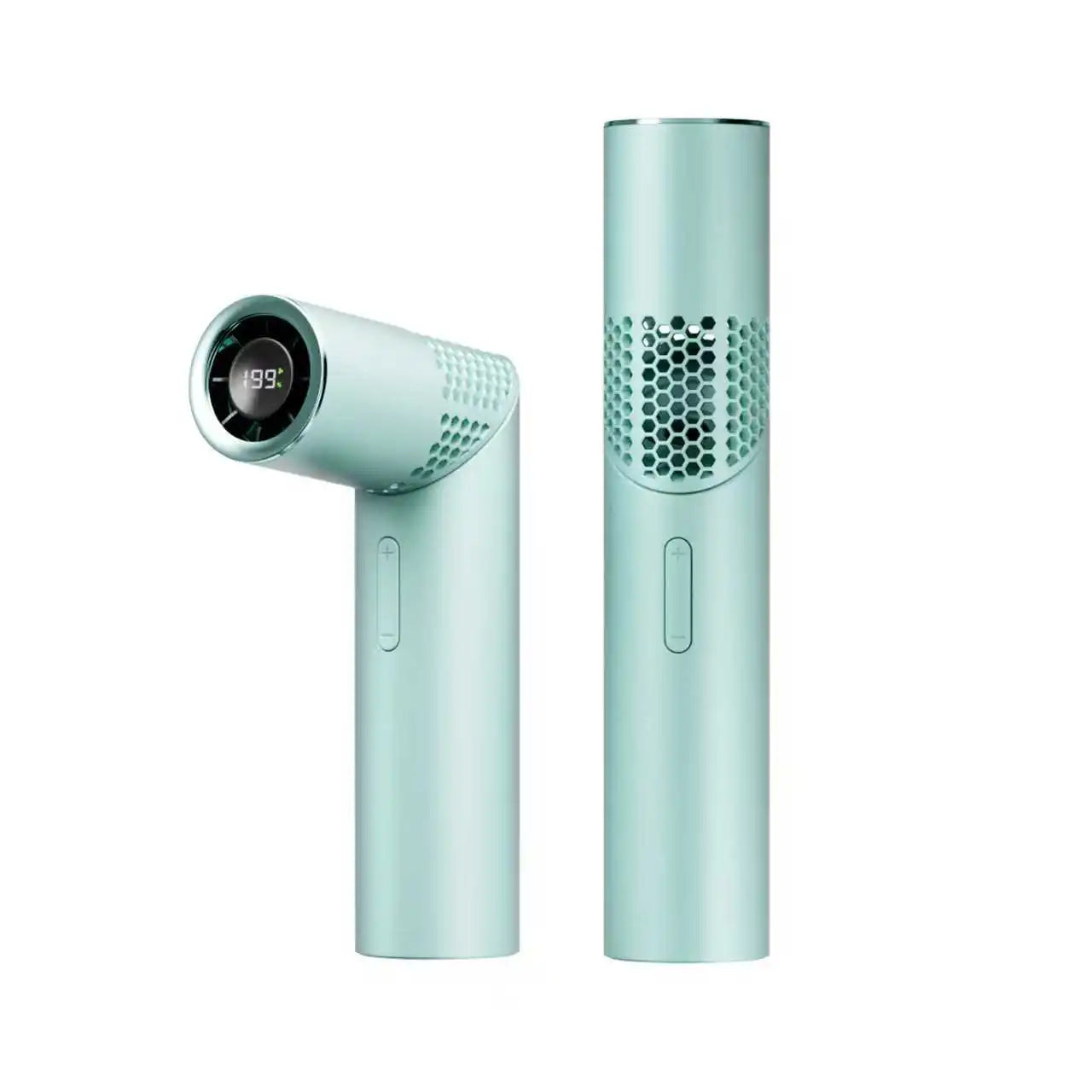
Prioritize rechargeable and reusable gear. A foldable personal fan can be used repeatedly across different destinations while taking up relatively little storage space. Reusable cooling towels and insulated hydration gear can also reduce the need to purchase disposable cooling supplies throughout the trip.
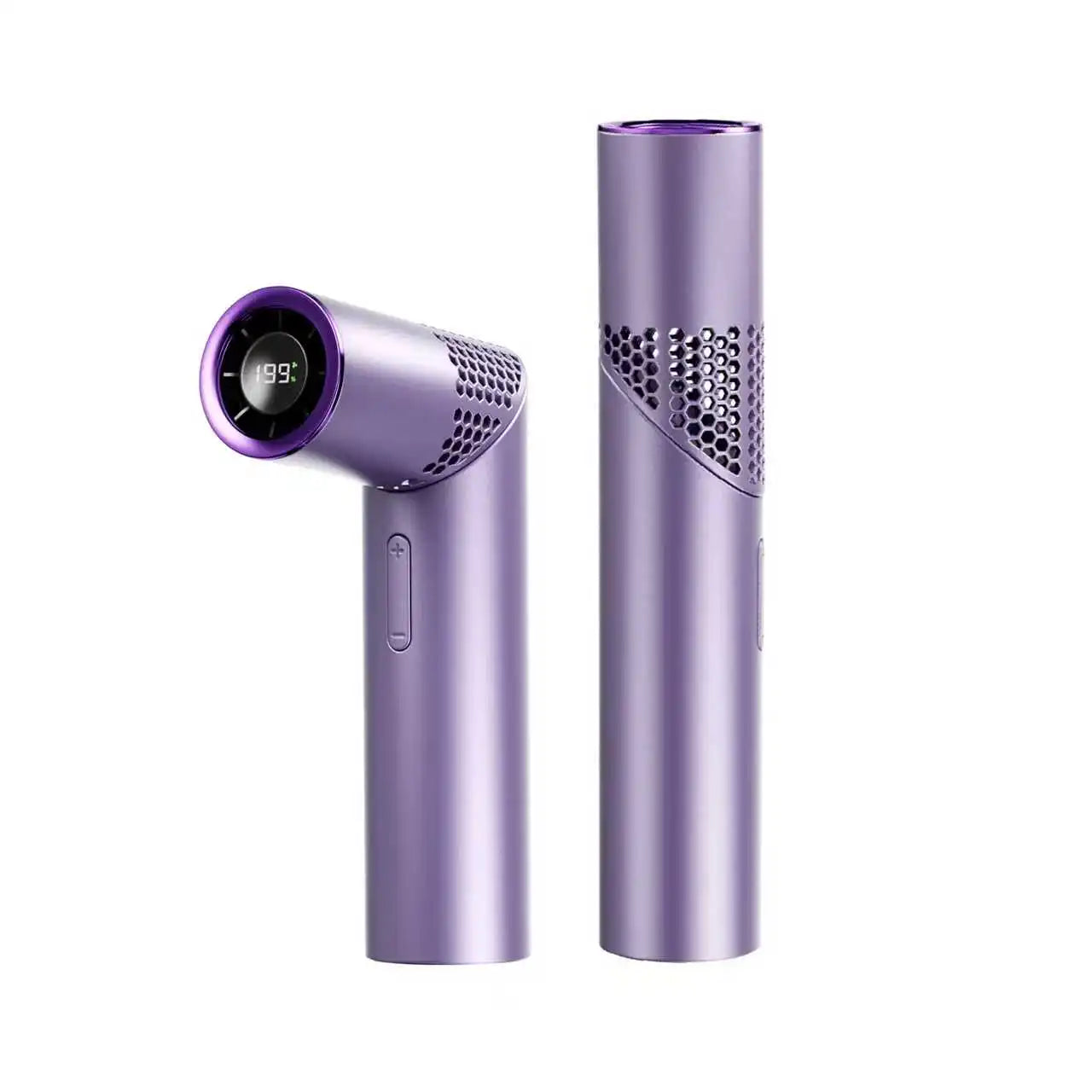
For travelers looking for a compact personal airflow option, the Portable Handheld Fan is designed around everyday portability, with a foldable compact form, lightweight ABS construction, and flexible use as a handheld, desktop, or neck-hanging fan. Its design makes it a practical example of the type of personal cooling device that can fit into a summer travel kit.

Portable Cooling for Summer: The Smartest Travel Approach
The best portable cooling for summer depends on the trip rather than a single universally superior device. Walking tours favor lightweight handheld airflow, outdoor events can benefit from hands-free cooling, road trips allow more room for hydration and backup power, and flights reward compact equipment that is easy to pack.
For the most reliable comfort, combine portable airflow with hydration, breathable clothing, UV protection, shade, and planned cooling breaks. Reusable cooling gear can provide additional flexibility when batteries are unavailable or when you want a backup option.
A compact foldable handheld fan can be a useful part of this approach because it combines portability with focused personal airflow and flexible positioning. The key is to use it as one component of a broader hot-weather travel plan rather than as a replacement for hydration, shade, or heat-safety practices.
:contentReference[oaicite:0]{index=0}Pillar Article: Best Portable Handheld Fan for Travel: 2026 Tested Picks













