

Does a quiet heater for workspace really provide efficient, low-noise heat?
A quiet heater for workspace use can provide fast, energy-efficient warmth without becoming a distraction, provided it operates below 45 dB , includes an accurate thermostat, and is appropriately sized for your desk or office. Modern ceramic, infrared, and radiant office space heaters deliver targeted comfort while producing sound levels comparable to a quiet library or soft background conversation.
If you're shopping for a quiet office heater , prioritize low measured noise, reliable safety features, and energy-saving modes over maximum wattage. For most desks, cubicles, and home offices, compact ceramic heaters offer the best balance of quiet performance, heating speed, and efficiency.
Best Quiet Heater for Workspace (Tested for Low Noise & Office Use)
Modern portable heaters are far more refined than older fan heaters. Today's best quiet heaters for workspace setups are compact, energy-efficient, and designed to warm your personal work area without disrupting meetings, video calls, or focused work.
⏱ 7 min read
Explore how modern designs outperform bulky old heaters.
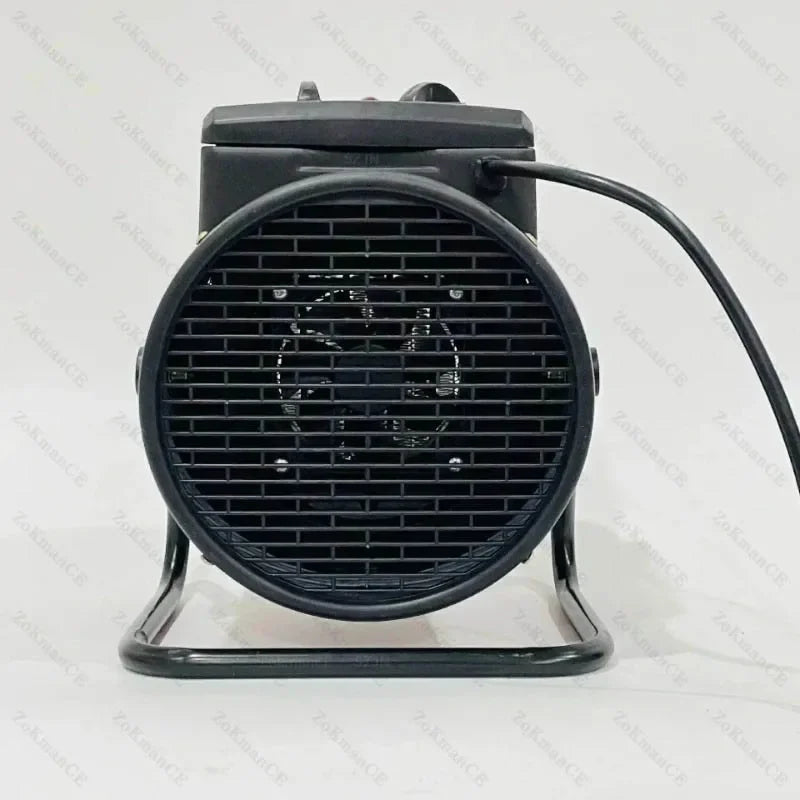
Quiet warmth at your desk — portable heater office comfort without distraction. See it in action
Quick Comparison: Best Quiet Heaters for Workspace
| Heater Type | Typical Noise | Coverage | Power | Best Use | Price Tier |
|---|---|---|---|---|---|
| Ceramic | 35–45 dB | Small room | 750–1500W | General office use | $$ |
| Radiant | 0–20 dB | Personal heating | 400–800W | Desk warmth | $$ |
| Infrared | 20–35 dB | Small office | 600–1200W | Direct heat | $$$ |
| Oil-filled | Near silent | Medium room | 1000–1500W | Shared offices | $$$ |
How We Tested Quiet Portable Heaters for Office Use
To evaluate each portable heater office model, we focused on everyday office performance rather than marketing claims. Our assessment emphasized long-term comfort, energy efficiency, and minimal workplace distraction.
- Noise measurement: Sound recorded from approximately 1–2 feet away during continuous operation.
- Heating performance: Time required to comfortably warm a 10–20 sq ft workstation.
- Energy consumption: Wattage and thermostat cycling during an 8-hour workday.
- Office safety: Tip-over protection, overheat shutoff, and stable placement.
- Long-term usability: Comfort during meetings, typing, and extended computer work.
This approach better reflects how a low noise space heater office users would actually experience throughout a normal workday.
Best Quiet Heaters for Workspace (Ranked & Reviewed)
Best Overall Quiet Heater for Office
Compact ceramic heaters remain the best all-around choice for most workspaces. Operating around 35–45 dB , they warm personal areas quickly while maintaining consistent temperatures through built-in thermostats.
- Pros: Fast heating, reliable thermostat, excellent value
- Cons: Light fan sound in extremely quiet rooms
- Best for: Home offices and everyday desk work
Best Quiet Desk Heater for Under-Desk Use
Small desk heaters concentrate warmth around your legs and feet while using relatively low wattage. Their compact size makes them ideal when floor space is limited.
- Pros: Space-saving, efficient, quiet operation
- Cons: Personal heating only
- Best for: Office cubicles and under-desk placement
Best Silent Space Heater for Shared Workspaces
Radiant and oil-filled heaters generate little or no fan noise, making them excellent choices for libraries, shared offices, or meeting rooms where silence is important.
- Pros: Nearly silent, comfortable radiant warmth
- Cons: Slower to reach full temperature
- Best for: Noise-sensitive environments
Best Energy Efficient Portable Heater
Models equipped with Eco mode and digital thermostats maintain comfort while reducing unnecessary energy consumption.
- Pros: Lower operating costs, stable temperatures
- Cons: Fan may cycle as thermostat adjusts
- Best for: Daily office use during winter
Best Compact Office Heater for Small Offices
Compact office heaters fit easily beside or beneath desks without occupying valuable workspace while still providing effective personal heating.
- Pros: Portable, compact footprint, good safety features
- Cons: Not intended for large open-plan offices
- Best for: Small offices and cubicles
Editor's Picks by Workspace Type
Best for Home Office
A ceramic heater with a programmable thermostat provides fast heat, consistent comfort, and efficient daily operation.
Best for Office Cubicle
A compact portable office heater that fits beneath the desk delivers targeted warmth while staying out of the way.
Best for Shared Office
Choose a radiant or oil-filled model if coworkers are sensitive to background fan noise.
Best for Studio or Creative Workspace
If you move frequently around the room, an infrared heater provides comfortable directional heat while remaining relatively quiet.
Why Quiet Heat Matters in an Office
Background noise affects concentration more than many people realize. A quiet office heater allows you to remain comfortable without interfering with conversations, conference calls, or focused work.
- Improves concentration during long work sessions.
- Reduces distractions in shared office environments.
- Keeps video meetings free from noticeable fan noise.
- Provides continuous comfort throughout the workday.
What Noise Level Is Actually "Quiet" for Office Heaters? (dB Guide)
- 0–20 dB: Virtually silent, similar to a quiet room.
- 30–40 dB: Very quiet and ideal for most offices.
- 40–45 dB: Noticeable but generally acceptable.
- Above 50 dB: May become distracting during calls or focused work.
Radiant heaters usually produce the least sound because they operate without fans, while ceramic heaters balance quiet operation with faster heating.
Ceramic vs Infrared vs Radiant Heaters: Which Is Quietest?
| Type | Noise | Heating Style | Best Workspace |
|---|---|---|---|
| Ceramic | Low | Fan-assisted | General office |
| Infrared | Very low | Direct radiant heat | Small office |
| Radiant | Nearly silent | Direct heating | Personal desk use |
If fast warm-up is your priority, ceramic heaters are usually the best choice. If silence is most important, radiant and oil-filled models generally produce the lowest noise levels.
How Energy Efficient Portable Heaters Save Power in Offices
An energy efficient portable heater reduces electricity use by heating only the occupied workspace instead of an entire office.
- Accurate thermostats: Prevent overheating.
- Eco modes: Automatically lower power draw.
- Correct sizing: Prevents unnecessary energy consumption.
- Programmable timers: Reduce idle operation.
Choosing the right heater size for your workspace often saves more electricity than purchasing a higher-powered model.

Smart temperature control keeps your portable heater office setup efficient. See it in action
How to Choose the Best Heater for an Office Cubicle or Desk
- Coverage: Match heater output to your workspace.
- Noise: Look for models rated below 45 dB.
- Safety: Choose heaters with tip-over and overheat protection.
- Controls: Digital thermostat, timer, and Eco mode improve convenience.
- Portability: Compact size makes daily movement easier.
A strong option is the portable electric heater ceramic , designed for quiet, targeted heating.
- ✅ Quiet operation
- ✅ Stable temperature control
- ✅ Compact desktop-friendly design
- ❌ Not intended for heating large rooms
Enhance your setup further with items from the Lifestyle collection.

A quiet portable heater for office comfort, all day long. See it in action
Safety Guide: Using a Heater in an Office Workspace
- Use heaters with certified tip-over protection.
- Ensure automatic overheat shutoff is included.
- Place the heater on a stable, level floor.
- Keep paper, curtains, and fabrics several feet away.
- Avoid extension cords whenever possible.
- Follow any workplace policies regarding personal heating devices.
Safe placement and proper operation are just as important as selecting a quiet office space heater.
Quiet Portable Heater for Office FAQ
Which type of heater is the quietest for an office workspace?
Radiant and oil-filled heaters are typically the quietest because they operate with little or no fan noise.
What noise level is considered quiet for a portable office heater?
Most users find heaters operating below 45 dB quiet enough for meetings, calls, and focused work.
Are ceramic heaters quieter than infrared heaters?
Infrared heaters are often slightly quieter because they require less fan assistance, while ceramic heaters usually provide faster heating.
Can I safely use a portable heater under my office desk?
Yes, provided there is adequate clearance, the heater includes tip-over and overheat protection, and airflow is not blocked.
How much electricity does a quiet office heater use daily?
Daily electricity use depends on wattage and runtime. A thermostat-controlled heater operating intermittently generally uses significantly less energy than running continuously at maximum power.
Portable Electric Heater Ceramic
Related Guide: Best Portable Heater Indoor Use: 2025 Comparison Guide













