What Are Portable Heater Safety Features?
Portable heater safety features are built-in systems designed to prevent fires, burns, gas leaks, and carbon monoxide exposure when using heaters outdoors. These features actively monitor conditions such as airflow, temperature, stability, and fuel flow to automatically shut down the heater when unsafe conditions are detected.
How Safety Features Prevent Real Outdoor Hazards
Unlike passive components, modern safety features work in real time. For example, a tip-over switch cuts power instantly if the unit falls, while an oxygen depletion sensor shuts off gas flow when oxygen levels drop. These mechanisms reduce risk before a dangerous situation escalates.
Key Risks of Outdoor Heater Use
- Accidental tipping on uneven ground
- Wind affecting flame stability
- Carbon monoxide buildup in semi-enclosed spaces
- Overheating during prolonged use
- Burn injuries from exposed heating elements
Portable Heater Safety Features That Matter Outdoors
Portable heater safety features can mean the difference between a cozy outdoor experience and a dangerous mistake. Outdoor environments introduce unpredictable variables like wind, uneven terrain, and moisture, making built-in safety systems essential—not optional. Understanding which features truly protect you helps ensure safe, reliable heating in real-world conditions.
⏱ 7 min read
Explore what makes modern portable heaters safer for real outdoor use
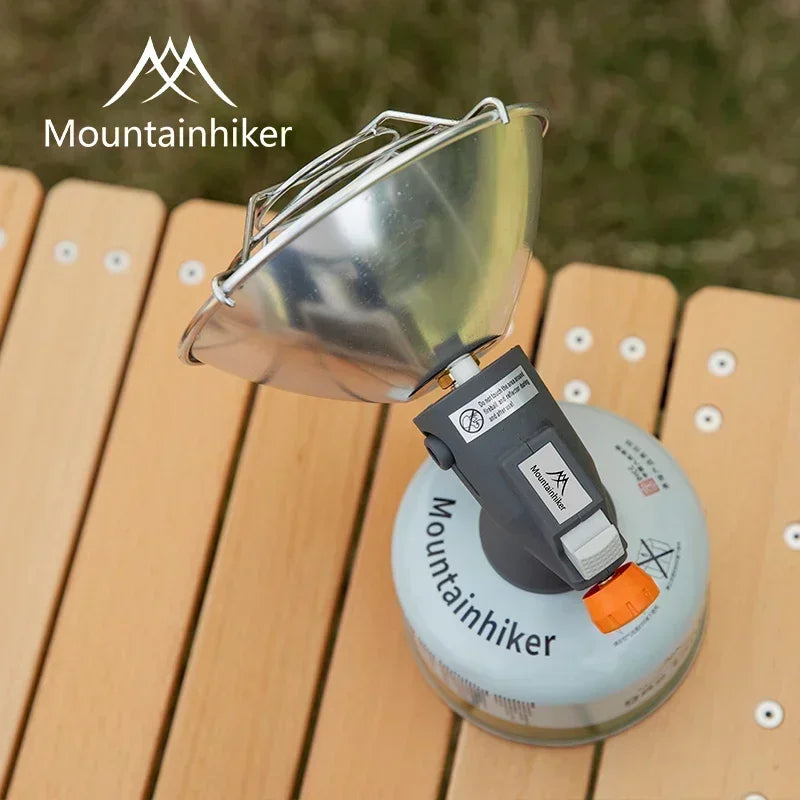
Portable heater safety features in action — designed for portable heater safety outdoors See it in action
Why Outdoor Heater Safety Matters More Than Indoors
Outdoor environments introduce risks like unstable surfaces, wind gusts, and fluctuating temperatures. Unlike indoor spaces, hazards outdoors can escalate quickly without warning. Portable heater safety outdoors focuses on prevention—ensuring heaters automatically respond to unsafe conditions before they become dangerous.
Core Portable Heater Safety Features Explained (With Real Use Cases)
Tip-Over Protection (Auto Shutoff Mechanism)
This feature automatically turns the heater off if it tilts or falls. It uses an internal switch that disconnects power or fuel flow when the unit is no longer upright, preventing fires caused by contact with flammable surfaces.
Oxygen Depletion Sensor (ODS)
An oxygen depletion sensor monitors air quality and shuts off the heater when oxygen levels drop below safe thresholds. This is especially important in tents, patios, or partially enclosed outdoor spaces.
Flame Failure Protection
This system detects when the flame goes out unexpectedly and immediately cuts off the gas supply. It prevents unburned fuel from accumulating and creating a fire or explosion hazard.
Overheat Protection System
Overheat protection shuts down the heater if internal temperatures exceed safe limits. This helps prevent damage to components and reduces the risk of fire during extended use.
Cool-Touch Housing & Protective Grills
Protective outer casings and grills reduce the risk of burns by limiting direct contact with heating elements. Cool-touch materials help maintain safer surface temperatures.
Child Lock & Safety Shutoff Controls
These features prevent accidental activation or changes to settings. They are particularly useful in camping environments where children or pets may be present.
Outdoor-Specific Safety Features for Camping and Harsh Conditions
Weather-Resistant Design
Outdoor heaters are built with materials that resist moisture, rust, and temperature fluctuations. This ensures consistent performance even in damp or cold environments.
Stable Base & Anti-Slip Design
A wide, weighted base improves stability on uneven terrain such as dirt, gravel, or grass. Anti-slip feet help prevent accidental movement.
Wind Protection Systems
Wind guards or shielded burner designs protect the flame from gusts. This reduces the risk of flame failure and improves heating efficiency.
Carbon Monoxide Safety and Ventilation Guidelines
How Carbon Monoxide Builds Up Outdoors
Even outdoors, carbon monoxide can accumulate in enclosed or poorly ventilated areas such as tents, RVs, or covered patios. Gas-powered heaters produce this invisible, odorless gas during combustion.
Safe Distances and Ventilation Rules
- Never use gas heaters inside enclosed tents or vehicles
- Maintain at least 3 feet of clearance on all sides
- Position heaters away from wind-blocking barriers
- Use carbon monoxide detectors in semi-enclosed spaces
How to Use a Portable Heater Safely Outdoors (Step-by-Step Guide)
Setup Checklist
- Place heater on flat, stable ground
- Keep away from flammable materials
- Check fuel connections for leaks
- Ensure safety features are functional
During Use Safety Practices
- Never leave the heater unattended
- Avoid using in enclosed spaces
- Monitor flame stability in windy conditions
- Keep children and pets at a safe distance
Shutdown and Storage
- Turn off fuel supply completely
- Allow the heater to cool before handling
- Store in a dry, ventilated area
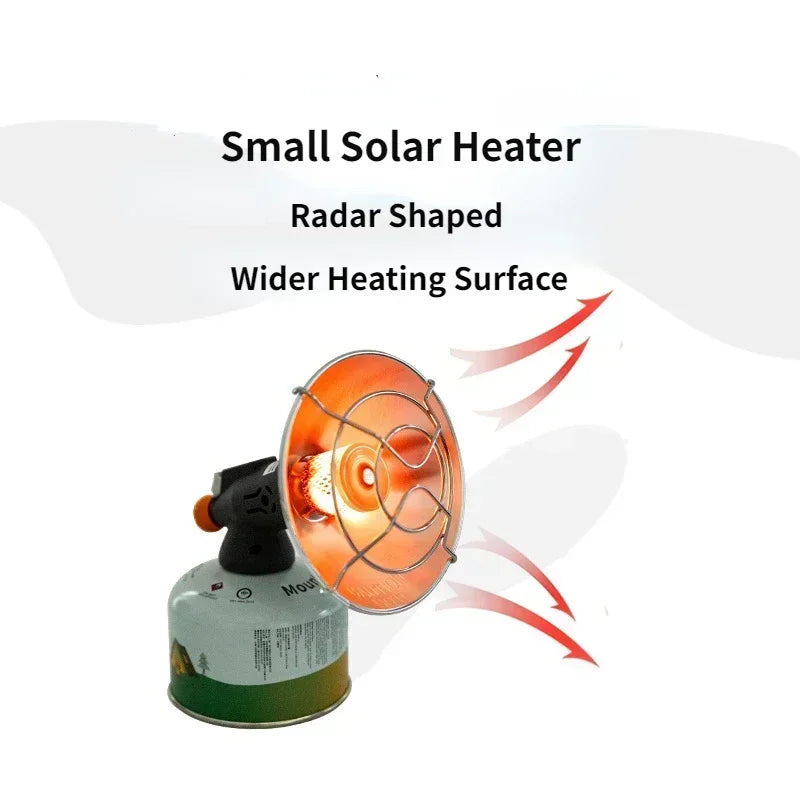
Designed for safe outdoor heating methods — stability and control combined See it in action
Why a Portable Outdoor Gas Heater Offers Better Control
A portable outdoor gas heater provides consistent heat output and precise control, making it ideal for outdoor use. When combined with essential safety features, it becomes a reliable option for camping, patios, and off-grid environments.
Learn how a portable outdoor gas heater supports safer outdoor experiences
Explore practical outdoor solutions within the Lifestyle collection, where comfort-focused tools support everyday adventures.
Portable Heater Safety Features Comparison (What Actually Matters Most)
Not all safety features offer equal protection. The most critical features are those that actively prevent life-threatening risks such as fire and carbon monoxide exposure.
- Essential: Tip-over protection, oxygen depletion sensor, flame failure protection
- Important: Overheat protection, protective grills
- Situational: Weather resistance, wind guards, child locks
For camping and outdoor use, prioritize heaters that include all essential features along with at least one outdoor-specific safety enhancement.
Common Mistakes That Make Portable Heaters Unsafe
- Using heaters inside enclosed tents or vehicles
- Ignoring tip-over risks on uneven ground
- Blocking ventilation around the heater
- Using incorrect or low-quality fuel
- Operating heaters in strong wind without protection
Real User Experiences Build Confidence
Outdoor users consistently report greater confidence when using heaters equipped with multiple safety features. From stable operation on uneven ground to automatic shutoff during unexpected conditions, these features reduce risk and improve overall usability.
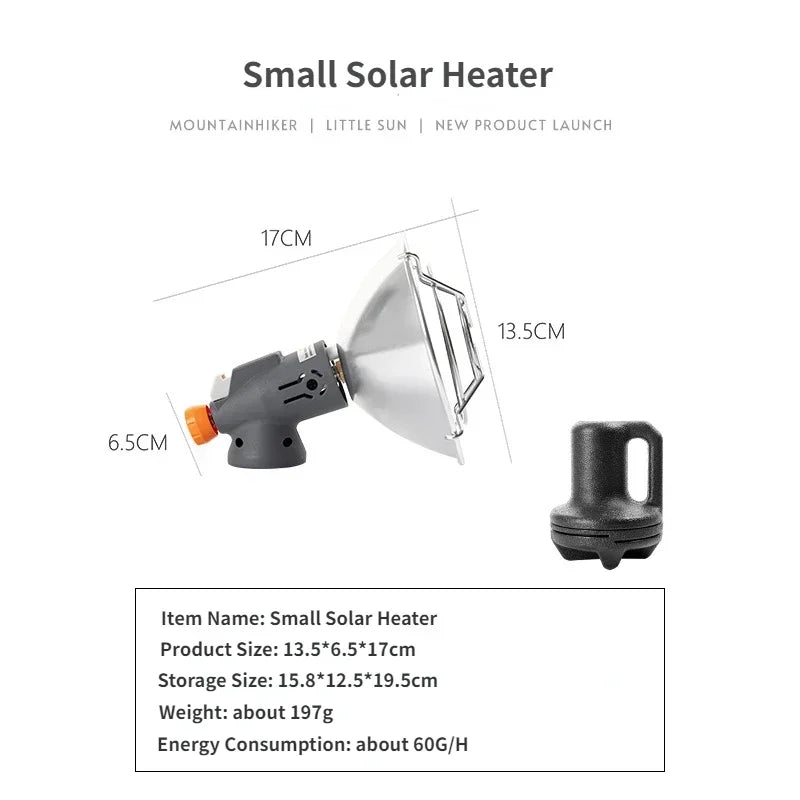
Built for portable heater safety outdoors — confidence you can feel See it in action
Get yours now — limited stock!
Mini FAQ
Are portable heater safety features necessary outdoors?
Yes, outdoor conditions like wind and uneven ground increase risk, making safety features essential for preventing accidents.
Can a portable outdoor gas heater be used for camping?
Yes, but only models designed for camping with proper safety features and ventilation guidelines should be used.
What is the most important safety feature to look for?
Tip-over protection and oxygen depletion sensors are the most critical, as they prevent fire and suffocation risks.
Can portable heaters cause carbon monoxide poisoning outdoors?
Yes, especially in enclosed or poorly ventilated areas. Always ensure proper airflow and avoid confined spaces.
What is the safest portable heater for camping?
The safest option includes multiple safety features such as ODS, tip-over shutoff, flame failure protection, and stable base design.
For those comparing reliable outdoor comfort tools, the portable camping gas heater stove demonstrates how thoughtful safety design supports confident outdoor heating.
Conclusion: Choosing a Safe Portable Heater for Outdoor Use
The best portable heater safety features work together to prevent real-world risks like fire, burns, and carbon monoxide exposure. By understanding how each feature functions and prioritizing essential protections, you can safely enjoy warmth outdoors in camping, patio, or emergency situations.
UPGRADE PLAN { "outline": [ { "action": "MODIFY", "h2": "Portable Heater Safety Features That Matter Outdoors", "h3": [], "focus": [ "Introduce why safety features reduce fire, burn, and carbon monoxide risks", "Explain outdoor heater safety priorities before choosing a device", "Set expectations for feature-based safety evaluation" ], "keywords": [ "portable heater safety features", "outdoor portable heater safety" ] }, { "action": "MODIFY", "h2": "What Are Portable Heater Safety Features?", "h3": [ "How Safety Features Prevent Real Outdoor Hazards", "Key Risks of Outdoor Heater Use" ], "focus": [ "Define built-in heater protection systems", "Explain fire, tipping, overheating, and gas-related risks", "Connect safety mechanisms to real outdoor scenarios" ], "keywords": [ "best safety features in portable heaters", "portable gas heater safety guide" ] }, { "action": "ADD", "h2": "How Portable Heater Safety Systems Work", "h3": [ "Automatic Shutoff Technology Explained", "Temperature Control and Overheat Prevention", "Gas Safety Monitoring Systems" ], "focus": [ "Explain the mechanics behind safety features", "Show when sensors activate and their limitations", "Help readers understand essential versus optional protections" ], "keywords": [ "propane heater safety features", "carbon monoxide safety portable heater" ] }, { "action": "MODIFY", "h2": "Core Portable Heater Safety Features Explained (With Real Use Cases)", "h3": [ "Tip-Over Protection (Auto Shutoff Mechanism)", "Oxygen Depletion Sensor (ODS)", "Flame Failure Protection", "Overheat Protection System", "Cool-Touch Housing & Protective Grills", "Child Lock & Safety Shutoff Controls" ], "focus": [ "Explain how each feature works", "Describe when each feature is most valuable", "Include examples for camping, patios, and outdoor events" ], "keywords": [ "heater tip over protection outdoor", "propane heater safety features", "safe portable heater for camping" ] }, { "action": "MODIFY", "h2": "Outdoor-Specific Safety Features for Camping and Harsh Conditions", "h3": [ "Weather-Resistant Design", "Stable Base & Anti-Slip Design", "Wind Protection Systems" ], "focus": [ "Explain features designed for unstable outdoor environments", "Cover wind, moisture, and uneven ground challenges", "Highlight camping-specific safety considerations" ], "keywords": [ "camping heater safety tips", "outdoor portable heater safety" ] }, { "action": "MODIFY", "h2": "Carbon Monoxide Safety and Ventilation Guidelines", "h3": [ "How Carbon Monoxide Builds Up Outdoors", "Safe Distances and Ventilation Rules" ], "focus": [ "Explain carbon monoxide risks with fuel-burning heaters", "Clarify why enclosed spaces increase danger", "Provide ventilation and placement guidance" ], "keywords": [ "carbon monoxide safety portable heater", "indoor outdoor heater safety precautions" ] }, { "action": "ADD", "h2": "Safety Certifications and Labels to Check Before Buying", "h3": [ "UL and ETL Certification Meaning", "Why Certified Safety Testing Matters" ], "focus": [ "Explain third-party safety certifications", "Help readers identify trustworthy heater designs", "Differentiate marketing claims from tested features" ], "keywords": [ "best safety features in portable heaters" ] }, { "action": "MODIFY", "h2": "How to Use a Portable Heater Safely Outdoors (Step-by-Step Guide)", "h3": [ "Setup Checklist", "During Use Safety Practices", "Shutdown and Storage" ], "focus": [ "Provide practical operating instructions", "Cover placement, supervision, and fuel handling", "Include seasonal storage and maintenance tips" ], "keywords": [ "how to use portable heater safely outdoors", "camping heater safety tips" ] }, { "action": "REMOVE", "h2": "Why a Portable Outdoor Gas Heater Offers Better Control", "h3": [], "focus": [ "Remove product-leaning angle that conflicts with informational intent", "Replace with neutral comparison of heater fuel types if needed" ], "keywords": [ "portable gas heater safety guide" ] }, { "action": "MODIFY", "h2": "Portable Heater Safety Features Comparison (What Actually Matters Most)", "h3": [], "focus": [ "Create feature comparison framework", "Rank must-have versus optional safety technologies", "Compare electric and propane heater safety considerations" ], "keywords": [ "best safety features in portable heaters", "safe portable heater for camping" ] }, { "action": "MODIFY", "h2": "Common Mistakes That Make Portable Heaters Unsafe", "h3": [], "focus": [ "Cover blocked airflow and poor placement", "Explain extension cord and electrical overload risks", "Address unattended heater use" ], "keywords": [ "portable heater safety features", "indoor outdoor heater safety precautions" ] }, { "action": "ADD", "h2": "Portable Heater Safety for Homes With Children, Pets, and Older Electrical Systems", "h3": [ "Child and Pet Burn Prevention", "Electrical Safety Considerations" ], "focus": [ "Address household-specific risks", "Explain safe placement zones", "Include electrical load guidance" ], "keywords": [ "portable heater safety features", "outdoor portable heater safety" ] }, { "action": "REMOVE", "h2": "Real User Experiences Build Confidence", "h3": [], "focus": [ "Remove unsupported review-focused section", "Replace with expert safety checklist or testing criteria" ], "keywords": [] }, { "action": "MODIFY", "h2": "Mini FAQ", "h3": [ "Are portable heater safety features necessary outdoors?", "Can a portable outdoor gas heater be used for camping?", "What is the most important safety feature to look for?", "Can portable heaters cause carbon monoxide poisoning outdoors?", "What is the safest portable heater for camping?" ], "focus": [ "Answer People Also Ask safety questions", "Include concise expert explanations", "Target long-tail informational searches" ], "keywords": [ "safe portable heater for camping", "carbon monoxide safety portable heater" ] }, { "action": "MODIFY", "h2": "Conclusion: Choosing a Safe Portable Heater for Outdoor Use", "h3": [], "focus": [ "Summarize essential safety features", "Reinforce safe operating habits", "Provide final buyer decision guidance" ], "keywords": [ "portable heater safety features" ] } ], "internal_links": [ "home safety guides", "winter preparedness content", "electrical safety articles", "outdoor heating guides" ], "faq": [ "What safety features should a portable heater have?", "Is tip-over protection enough to make a portable heater safe?", "Are propane heaters safe for camping?", "Can you use a portable heater in a tent?", "How does a portable heater prevent carbon monoxide buildup?", "What certifications should I look for in a portable heater?" ], "trim": [ "Remove generic user experience section", "Reduce product-focused gas heater promotion", "Replace shallow safety lists with feature explanations and practical scenarios" ] } Approved linked products: - portable camping gas heater stove (/products/portable-camping-gas-heater-stove) Product Rules - Keep all approved products. - Only approved products may contain affiliate links. - You may add real competitor products when useful. - Competitor products must not contain links unless already present. - Only create comparison tables when they genuinely improve the article. RULES - Apply every instruction in the Upgrade Plan. - Keep all existing affiliate links unchanged. - Keep all existing internal links unchanged. - Keep all existing image URLs unchanged. - Preserve sections such as Related Articles, Related Posts and Recommended Reading. - Avoid duplicate headings. - Insert new sections only where specified. - Improve clarity, topical coverage, EEAT and readability. - Expand weak sections only when required. - Use natural keyword placement. - Keep semantic HTML clean. YEAR UPDATE If visible article text contains "2005", replace it with "2026". Do not modify years inside: - URLs - href attributes - image filenames OUTPUT REQUIREMENTS Return ONLY the final upgraded HTML article. The output must be valid HTML and ready to publish. Do NOT return: - Markdown - Explanations - Notes - Code fences - JSON - XML Return the HTML beginning with the first HTML element and ending with the last HTML element.