

Best Portable Camping Heater (2026): Top Picks for Camping, Cars & Emergencies
Choosing the best portable camping heater can make cold-weather camping, overlanding, and emergency preparedness far more comfortable and safer. In this guide, you'll learn which heater types perform best in different conditions, who benefits most from owning one, and what features matter before you buy.
Who Needs a Portable Outdoor Heater (and Why It Matters)
A quality portable outdoor heater isn't just for winter campers. It provides dependable warmth during outdoor recreation, remote travel, and unexpected emergencies when traditional heating isn't available. Selecting the right model depends on where you'll use it, the fuel you prefer, and the level of heat you need.
Campers
Campers benefit from portable heaters that deliver efficient warmth during chilly evenings and early mornings. Whether you're tent camping, RV camping, or setting up a base camp, the right heater helps extend the camping season while improving comfort in cold weather.
- Warm tents and sheltered campsites
- Reduce cold stress during overnight stays
- Enjoy comfortable mornings before breaking camp
Hunters & Anglers
Hunters, anglers, and other outdoor enthusiasts often spend long hours stationary in low temperatures. A compact portable heater provides targeted warmth inside blinds, shelters, or designated outdoor resting areas, making extended trips more comfortable.
Van Life & Overlanding
For van life travelers and overlanders, a reliable portable heater helps maintain comfort when camping far from electrical hookups. Fuel-powered models are especially valuable for remote destinations where grid power isn't available.
Emergency Preparedness
A portable heater for camping non electric is also an excellent addition to an emergency preparedness kit. During power outages, winter storms, or roadside emergencies, it can provide temporary heat while other heating systems are unavailable.
Portable Camping Heater Types Compared (Fuel, Power & Safety)
Propane Heaters
Propane heaters remain the most popular choice for campers thanks to their strong heat output, widespread fuel availability, and reliable performance in cold weather. Many models include built-in safety features such as tip-over protection and low-oxygen shutoff, making them suitable for approved indoor-safe applications when used according to manufacturer instructions.
Catalytic Heaters
Catalytic heaters generate steady radiant warmth with excellent fuel efficiency and quieter operation than many traditional burners. They are often chosen by campers seeking longer runtimes while minimizing fuel consumption.
Radiant Heaters
Radiant heaters provide fast, directional heat that warms nearby people and objects rather than the surrounding air. They work well for outdoor seating areas, campsites, and situations where immediate warmth is more important than heating a large enclosed space.
Electric Portable Heaters
Electric portable heaters are clean, quiet, and simple to operate, making them ideal when shore power, a generator, or a sufficiently large portable power station is available. Their reliance on electricity makes them less practical for extended off-grid camping.
Diesel Heaters
Diesel heaters are commonly installed in camper vans, trucks, and overlanding vehicles. They provide efficient long-duration heating with relatively low fuel consumption, making them a popular option for frequent cold-weather travelers.
Regardless of heater type, prioritize proper ventilation, carbon monoxide awareness, stable placement, and built-in safety features whenever operating a portable outdoor heater.
Best Portable Camping Heaters (Tested & Compared)
Best Overall Portable Camping Heater
The best overall portable camping heater offers an excellent balance of heat output, portability, runtime, and safety features. It's ideal for campers, overlanders, and emergency preparedness while delivering dependable performance across a wide range of outdoor conditions.
Best Portable Heater for Camping Non Electric
For completely off-grid camping, fuel-powered heaters remain the preferred solution. These models operate without household electricity and provide reliable warmth during remote adventures and emergency situations.
Best Propane Camping Heater
Propane camping heaters deliver powerful, consistent heat while using readily available fuel cylinders. They're an excellent choice for larger tents, base camps, and cold-weather camping where dependable heating is essential.
Best Portable Tent Heater
Portable tent heaters designed for enclosed camping spaces emphasize safety alongside performance. Look for compact models featuring oxygen depletion sensors, tip-over protection, and certifications for indoor-safe use where applicable.
Best Winter Camping Heater
When temperatures fall well below freezing, winter camping heaters with higher BTU output and dependable cold-weather fuel performance help maintain comfort throughout extended outdoor trips.
Best Budget Portable Outdoor Heater
Budget-friendly portable heaters provide dependable warmth for occasional campers and first-time buyers without sacrificing essential safety features or ease of use.
Best Lightweight Backpacking Heater
Backpackers and minimalist campers should prioritize compact heaters that balance low weight with efficient fuel consumption. These portable options are easier to pack while still providing supplemental warmth during cold-weather adventures.
Portable Camping Heater Comparison Table
| Heater Type | Typical BTU Output | Runtime* | Weight | Fuel Type | Best Use |
|---|---|---|---|---|---|
| Propane Heater | 4,000–18,000 BTU | 3–6 hours (1 lb cylinder) | 8–20 lb | Propane | Large tents, winter camping, emergency backup heat |
| Catalytic Heater | 3,000–8,000 BTU | 5–8 hours | 5–12 lb | Propane | Quiet operation and fuel-efficient camping |
| Electric Heater | 1,500W (approx. 5,100 BTU) | Continuous with power source | 3–8 lb | Electricity | Powered campsites, cabins, RVs |
| Diesel Heater | 5,000–8,000 BTU+ | 8–24 hours | 10–20 lb | Diesel | Vans, overlanding vehicles, extended winter trips |
*Runtime varies depending on heat setting, ambient temperature, and fuel tank size.
How to Choose the Right Portable Outdoor Heater
Heat Output & Coverage
Heat output is measured in BTUs (British Thermal Units). Smaller backpacking shelters may only require 3,000 to 5,000 BTUs, while larger family tents and outdoor gathering areas often benefit from heaters producing 9,000 BTUs or more. Choosing excessive heat output wastes fuel, while an undersized heater may struggle in freezing conditions.
Fuel Type & Runtime
Consider both fuel availability and operating time before purchasing. Propane is widely available and easy to transport, catalytic models maximize efficiency, electric heaters require a dependable power source, and diesel systems excel during long overlanding trips. Longer runtimes reduce the need for frequent refueling during overnight camping.
Weight & Portability
If you'll carry your heater to remote campsites, prioritize compact dimensions, integrated carrying handles, and lighter overall weight. Vehicle campers can often accommodate larger models that provide greater heat output and extended runtime.
Safety Features
Look for essential safety features including automatic tip-over protection, low-oxygen shutoff systems, flame guards, cool-touch controls where available, and certifications for indoor-safe operation when recommended by the manufacturer. These features significantly improve safety during camping and emergency use.
Camping Style Matching
Select a heater that matches your typical adventures. Backpackers usually prioritize lightweight equipment, family campers often need wider heat coverage, van travelers may prefer permanently installed diesel systems, and emergency preparedness kits benefit from dependable non-electric propane heaters.
Outdoor Heater Safety Essentials
Carbon Monoxide Risks
Fuel-burning heaters produce carbon monoxide, making proper ventilation essential. Never operate a heater in a completely sealed space, and always follow the manufacturer's clearance and ventilation requirements. A portable carbon monoxide detector provides an additional layer of protection during camping and emergency use.
Tent Ventilation
When using an approved camping heater for tent applications, maintain adequate airflow by partially opening vents or windows according to the heater's operating instructions. Good ventilation reduces condensation while helping prevent dangerous gas accumulation.
Indoor-Safe Certifications
Not every portable heater is designed for enclosed environments. Only use models specifically certified for indoor-safe operation, and continue following all ventilation and safety recommendations even when using certified equipment.
Fire Prevention
Place your heater on a stable, level, non-flammable surface away from sleeping bags, tents, clothing, fuel containers, and other combustible materials. Keep children and pets away from operating heaters, never leave a fuel-burning heater unattended, and allow it to cool completely before moving or storing it.
Setup, Maintenance & Storage
Safe Setup
- Place the heater on a stable, level, non-flammable surface with adequate clearance from tent walls, sleeping bags, chairs, and other combustible materials.
- Open the recommended vents or windows if using an indoor-safe camping heater in an enclosed shelter, following the manufacturer's ventilation requirements.
- Connect the approved fuel source securely and inspect all fittings for leaks before lighting the heater.
- Start the heater according to the manufacturer's instructions and verify that all safety features, including tip-over protection and oxygen depletion sensors where equipped, are functioning properly.
- Allow the heater to reach operating temperature before adjusting the heat output to a comfortable level.
Fuel Handling
Use only the fuel specified by the manufacturer. Store propane cylinders, butane canisters, or diesel containers upright in a cool, well-ventilated location away from direct sunlight and open flames. Before every trip, inspect hoses, regulators, seals, and connectors for signs of wear or damage.
Cleaning
Routine maintenance helps your portable camping heater perform efficiently season after season. After each trip, wipe away dirt and moisture, clear debris from air inlets, and inspect burner components for soot or blockages. Replace worn parts using manufacturer-approved replacements when necessary.
Off-Season Storage
Before storing the heater for an extended period, disconnect the fuel supply, allow the unit to cool completely, and clean all exterior surfaces. Store the heater in a dry, dust-free location, ideally inside its carrying case or original packaging to protect it from moisture and accidental damage.
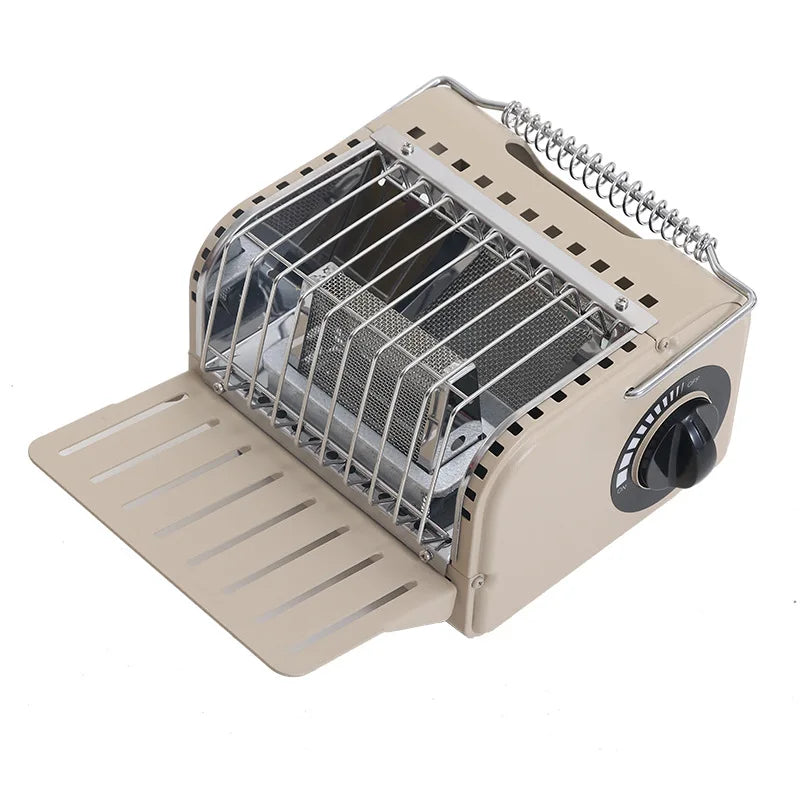
Portable outdoor heater for camping and emergencies — See it in action
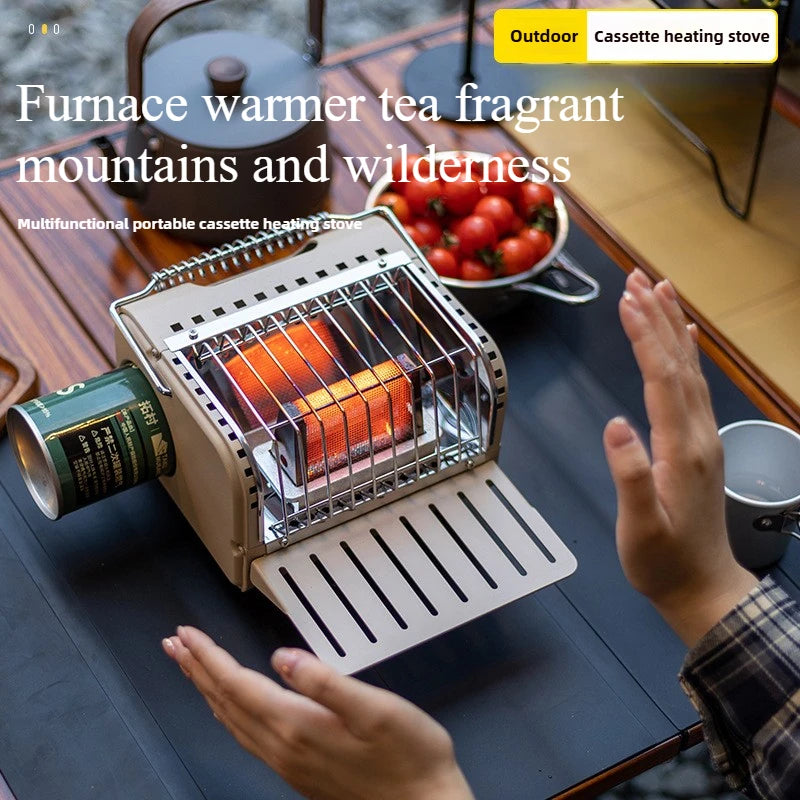
Emergency heat source for winter travel — See it in action
Many outdoor enthusiasts choose portable camping heaters because they deliver dependable warmth without adding excessive bulk to their gear. Compact fuel-powered models are particularly useful for off-grid adventures where electricity isn't available, while remaining easy to transport and quick to set up when temperatures drop.
Whether you're planning a weekend camping trip, preparing an emergency kit for winter weather, or equipping a vehicle for cold-season travel, selecting a heater with the appropriate heat output, fuel efficiency, and built-in safety features helps ensure reliable performance. Always operate your heater according to the manufacturer's instructions, maintain proper ventilation, and use it only in environments for which it is designed.
Quick Questions Answered
Is a camping heater safe inside a tent?
Only heaters specifically rated for indoor or enclosed-space use should ever be considered for tent use. Even then, always maintain proper ventilation, keep the heater away from sleeping bags and tent walls, and use a carbon monoxide detector for added safety.
What is the best portable camping heater?
The best portable camping heater depends on your camping style. For most campers, a propane model offers the best combination of heat output, portability, fuel availability, and reliability. Backpackers may prefer lightweight options, while winter campers often benefit from higher-BTU models.
Propane vs catalytic: which is better?
Propane radiant heaters typically produce faster, higher heat output, making them ideal for colder conditions. Catalytic heaters generally operate more quietly and use fuel more efficiently, making them a good choice for longer trips where fuel conservation is important.
How many BTUs do I need?
Small tents usually require around 3,000 to 5,000 BTUs, while larger family tents and colder environments may need 9,000 BTUs or more. Wind, humidity, tent insulation, and outside temperature all influence the amount of heat required.
Can I sleep with a camping heater running?
As a general safety practice, avoid sleeping with a fuel-burning heater operating unless the manufacturer specifically states it is designed for overnight use and all operating instructions are followed. Many campers warm the shelter before bed and restart the heater after waking.
Final Verdict: Which Portable Camping Heater Should You Choose?
The best portable camping heater is the one that matches your environment, expected temperatures, and preferred fuel source while providing the safety features appropriate for your intended use.
- Best overall: A portable propane heater that balances heat output, runtime, portability, and built-in safety features.
- Best for off-grid camping: A reliable non-electric propane or catalytic heater that operates independently of external power.
- Best for winter camping: A high-BTU model capable of maintaining comfortable temperatures in sub-freezing conditions.
- Best value: A compact heater with dependable performance, reasonable fuel efficiency, and essential safety protections.
Before making your final decision, compare heat output, runtime, weight, fuel availability, and safety certifications. A properly selected and correctly operated portable camping heater can provide dependable warmth for camping trips, overlanding adventures, and emergency preparedness throughout the year.













