

Does a portable shoe dryer really work in rainy and cold climates?
Yes — a portable shoe dryer is one of the most effective ways to dry shoes during rainy seasons and in cold climates. Unlike air drying, which may take 24–48 hours when humidity is high, a portable shoe dryer uses controlled heat, airflow, or both to remove moisture in as little as 1–6 hours depending on the footwear and moisture level.
When shoes remain damp, bacteria and fungi thrive inside the lining, creating odors and shortening the lifespan of foam, leather, and fabric materials. A quality shoe dryer for wet shoes speeds evaporation from the inside out while using temperatures that are safe for most everyday footwear.
- Dries shoes significantly faster than indoor air drying
- Helps reduce odor-causing bacteria and excess moisture
- Works reliably in cold weather where evaporation is naturally slow
- Suitable for sneakers, hiking shoes, work boots, and many travel shoes
For commuters, travelers, hikers, runners, and anyone living in damp climates, a portable shoe dryer quickly becomes a practical everyday appliance instead of an occasional accessory.
Portable Shoe Dryer: Best Picks for Travel, Rainy Season & Cold Weather
⏱ 5 min read — Rainy mornings, freezing sidewalks, and soaked sneakers can disrupt your routine fast. Instead of waiting hours for humid indoor air to slowly dry footwear, a portable shoe dryer delivers gentle warmth directly inside your shoes, helping them dry faster while minimizing odors and protecting materials.
See how a compact dryer transforms rainy-day routines into warm, ready-to-go comfort.
Best Portable Shoe Dryers (Comparison Table & Expert Picks)
Comparison Table (Drying Time, Heat Type, Weight, Power, Timer)
| Type | Typical Drying Time | Heat Type | Weight | Power | Timer | Best For |
|---|---|---|---|---|---|---|
| Travel portable dryer | 2–6 hours | PTC heat | Light | Low | Optional | Travel and commuting |
| Fan-assisted dryer | 1–4 hours | Warm airflow | Medium | Moderate | Yes | Wet athletic shoes |
| USB travel shoe dryer | 4–8 hours | Low heat | Ultra-light | Very low | No | Light moisture |
| Boot dryer | 3–8 hours | PTC + airflow | Medium | Moderate | Yes | Tall boots |
Best Portable Shoe Dryer for Travel
Frequent travelers benefit most from lightweight foldable dryers weighing under 500 g with dual-voltage compatibility or compact adapters. Models that include a timer are especially convenient because shoes can dry overnight without requiring supervision.
Best Shoe Dryer for Wet Shoes
After heavy rain or trail runs, choose a model with fan-assisted airflow and PTC heating. This combination removes moisture more evenly than heat alone and is particularly effective for thick running shoes with foam midsoles.
Best Compact Shoe Dryer for Boots
For hiking boots, insulated winter footwear, and work boots, extended air outlets help warm air reach the toe box where moisture often remains trapped longest.
Best USB Travel Shoe Dryer
A travel shoe dryer USB model is ideal for hotel stays, gyms, and business trips. Although drying takes longer than standard electric models, USB units excel for lightly damp shoes while taking up minimal luggage space.
Best Budget Portable Shoe Dryer
Affordable portable dryers can still provide reliable daily performance. Prioritize consistent low-temperature heating, basic overheat protection, and durable construction over unnecessary premium features.
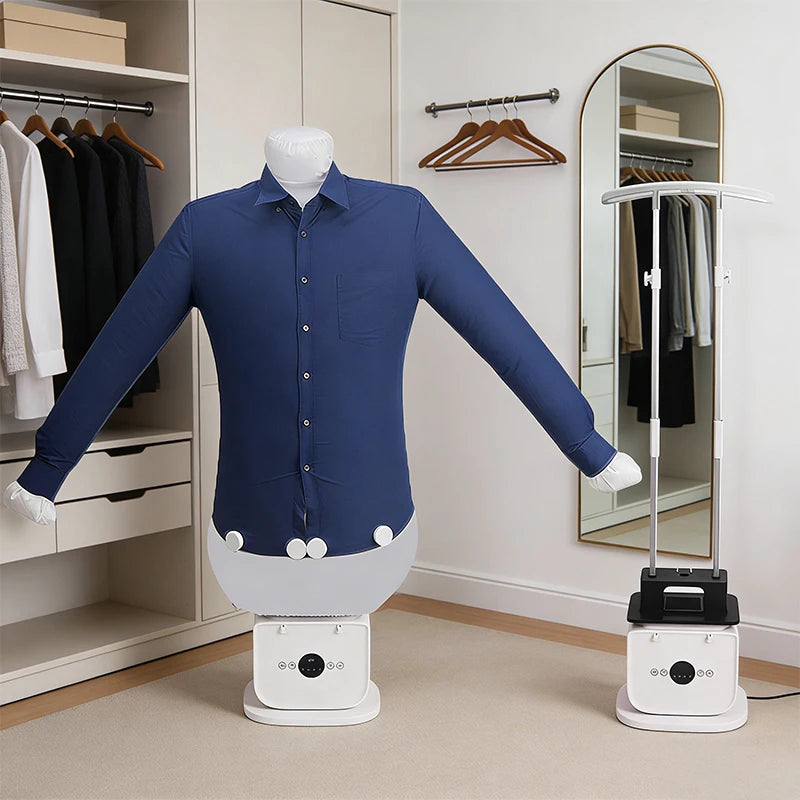
portable shoe dryer for drying wet clothes indoors — See it in action
What Is a Portable Shoe Dryer and Who Needs One?
A portable shoe dryer is a compact electric appliance designed to circulate gentle heat or warm airflow inside footwear. Instead of relying on room temperature and natural evaporation, it dries moisture directly where it accumulates most.
People who benefit the most include:
- Daily commuters walking through rain
- Frequent business and leisure travelers
- Hikers and outdoor enthusiasts
- Athletes with sweat-soaked training shoes
- Workers wearing waterproof or insulated boots
Explore the compact solution here: portable shoe dryer for everyday indoor drying.
How Portable Shoe Dryers Work (PTC, Convection & Fan-Assisted)
Modern portable shoe dryers use different heating technologies depending on their intended purpose.
PTC Heating
PTC (Positive Temperature Coefficient) ceramic heaters automatically regulate temperature as they warm, helping maintain safe operating temperatures while improving energy efficiency.
Convection Drying
Convection models rely on naturally circulating warm air to remove moisture gradually. They operate quietly and are well suited for delicate materials.
Fan-Assisted Drying
Fan-assisted designs actively push warm air through the shoe, increasing airflow and reducing drying time, especially for heavily soaked footwear.
USB Low-Power Drying
USB-powered models generate gentle warmth with minimal electricity consumption. They're excellent for travelers needing emergency drying but are not intended for waterlogged boots.
Performance Testing: Drying Speed, Temperature & Energy Use
Average Drying Time
Drying speed depends on shoe thickness, insulation, humidity, and the amount of water absorbed.
- Lightly damp sneakers: 1–3 hours
- Running shoes after rain: 2–5 hours
- Winter boots: 4–8 hours
- Leather shoes: 2–4 hours using low heat
Temperature Range
Most quality portable shoe dryers operate between approximately 40–60°C, a range that effectively evaporates moisture while remaining safe for common footwear materials.
Power Consumption & Cost
Portable dryers generally consume between 10 and 40 watts. Even daily use typically adds only a small amount to household electricity costs compared with larger drying appliances.
Noise & Portability
Convection and PTC-only models operate almost silently, while fan-assisted versions produce low background noise comparable to a small desk fan.
Best Use Cases: Travel, Sports, Work Boots & Winter
Travel
A lightweight portable shoe dryer helps travelers dry shoes overnight inside hotels, cabins, or apartments where outdoor drying is impractical.
Sports & Hiking
Trail runners, hikers, and gym users can reduce moisture accumulation after intense activity, helping extend shoe lifespan and reduce unpleasant odors.
Winter Boots
Insulated boots often trap moisture deep inside the lining. A compact shoe dryer for boots removes hidden dampness before mildew can develop.
Daily Commutes
Commuters dealing with rain or snow can dry footwear between workdays, avoiding uncomfortable damp shoes the following morning.
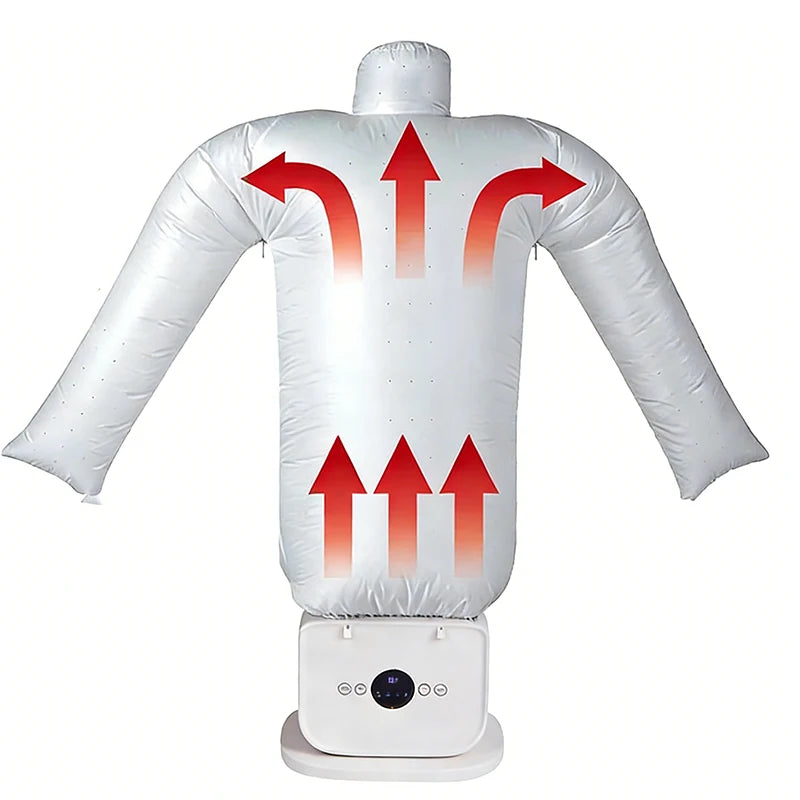
drying clothes in rainy season made simple — See it in action
How to Dry Shoes Quickly Indoors (Rainy Season Guide)
Step-by-Step: How to Dry Shoes in Rainy Season
- Remove insoles and loosen laces.
- Blot excess water using a towel.
- Insert the portable dryer fully into each shoe.
- Place shoes in a well-ventilated room.
- Allow 2–6 hours depending on moisture level.
Drying Shoes in Cold Weather Without Mold
Dry footwear immediately after exposure to snow or rain. Prompt drying reduces the chance of mold growth while helping preserve cushioning materials.
How to Prevent Smelly Shoes While Drying
- Dry shoes immediately after use.
- Allow fresh air to circulate around footwear.
- Rotate between multiple pairs if possible.
- Ensure shoes are completely dry before storage.
Portable Shoe Dryer vs Air Drying vs Full-Size Dryers
| Method | Drying Speed | Material Safety | Convenience | Best For |
|---|---|---|---|---|
| Portable shoe dryer | Fast | Excellent | High | Daily use |
| Air drying | Slow | Excellent | Low in humid weather | Warm dry climates |
| Full-size dryer | Fast | Varies | Low portability | Large households |
Is a Shoe Dryer Safe for Sneakers, Leather & Boots?
Sneakers & Running Shoes
Most athletic shoes tolerate controlled low-temperature drying very well and often dry more evenly than when placed near heaters.
Leather & Suede
Use low heat and avoid prolonged exposure. Controlled temperatures help minimize the risk of leather drying out or cracking.
Boots & Waterproof Footwear
Extended airflow reaches deep into waterproof boots where moisture commonly remains trapped after hiking or snow exposure.
Overheating Protection
Many quality electric shoe dryers include self-regulating heating elements or automatic temperature control that help prevent overheating during extended drying cycles.
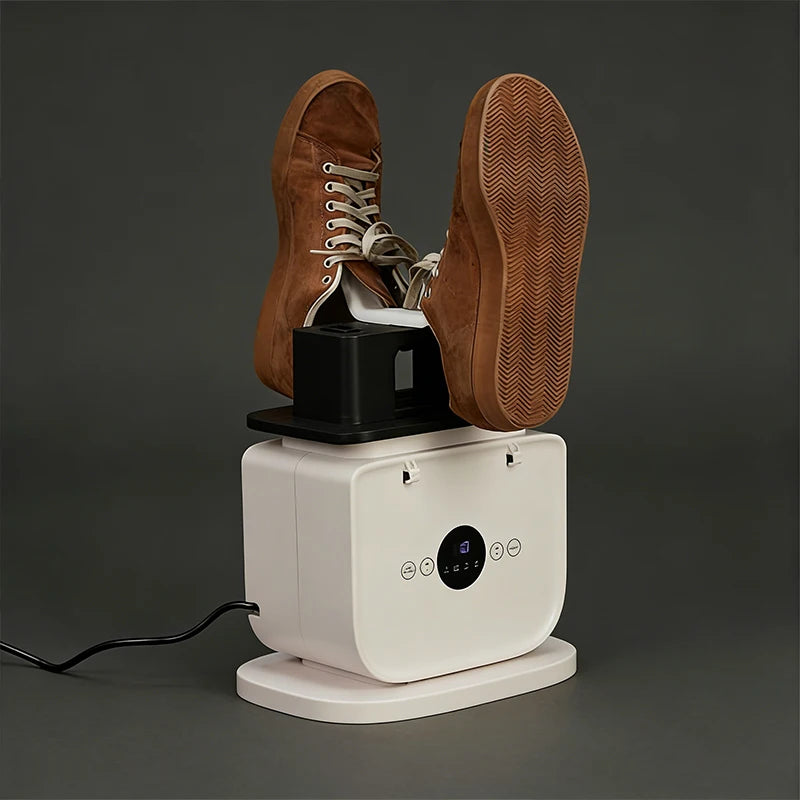
air drying clothes humidity solved with targeted warmth — See it in action
Maintenance, Storage & Long-Term Performance
Cleaning
Allow the dryer to cool completely before wiping the housing with a soft dry cloth. Avoid immersing electrical components in water.
Storage
Store the dryer in a clean, dry location with the cord loosely wrapped to reduce cable wear.
Travel Packing
Pack the dryer inside a shoe or packing cube to save luggage space and protect the heating elements during transport.
Troubleshooting
- If drying seems slow, remove insoles first.
- Ensure air vents remain unobstructed.
- Avoid overloading by drying only one pair at a time.
- Replace damaged power cords immediately.
Buying Guide: How to Choose the Best Portable Shoe Dryer
Heating Method
PTC heating offers balanced efficiency and safety, while fan-assisted systems provide the fastest drying performance.
Power Source
Standard electric models are best for home use, while travel shoe dryer USB models prioritize portability over speed.
Timer & Safety Features
Automatic shutoff, self-regulating heating, and timers improve convenience and help prevent unnecessary operation.
Weight & Packability
If you travel frequently, choose lightweight foldable models that fit easily into backpacks or carry-on luggage.
Compatibility with Boots & Gloves
If you regularly dry winter boots or gloves, choose models with longer air outlets designed for larger gear.
Frequently Asked Questions
How does an electric portable shoe dryer work?
It uses controlled heat, airflow, or both to evaporate moisture from inside footwear more efficiently than natural air drying.
How long does it take to dry wet shoes?
Most shoes dry within 2–6 hours, although heavily insulated boots may require longer.
Is a shoe dryer safe for sneakers?
Yes. Low-temperature models are designed to dry sneakers safely without exposing them to excessive heat.
Can a portable shoe dryer dry boots?
Yes. Models designed for boots use extended airflow channels to reach deeper inside taller footwear.
Do USB shoe dryers really work?
Yes. They perform best on lightly damp shoes and are ideal for travel, though they dry more slowly than standard electric units.
How much electricity does a portable shoe dryer use?
Most portable models use between 10 and 40 watts, making them inexpensive to operate for everyday use.
Can a shoe dryer remove shoe odor?
By removing moisture that supports bacterial growth, regular drying can significantly reduce persistent shoe odors.
Is a portable shoe dryer better than air drying?
In humid, rainy, or cold conditions, a portable shoe dryer is typically much faster and more reliable than air drying while helping reduce odor and mold risk.
Related Guide: Small Apartment Laundry Drying Issues Solved for Real Homes













