

Portable Spinal Stretching Massager Benefits: Do Back Stretchers Really Work?
What Are the Benefits of a Back Stretcher?
The main back stretcher benefits include temporary relief from back tightness, improved flexibility, support for spinal mobility, and relaxation of muscles that become tense from prolonged sitting or physical activity. A back stretcher may be useful as part of a broader mobility and recovery routine, but its results depend on the device, the underlying cause of discomfort, and how consistently and safely it is used.
Evidence-Based Benefits
Controlled spinal stretching and mobility exercises are commonly used in rehabilitation and physical therapy to help improve movement and manage certain types of back discomfort. A home back stretching device may provide a structured way to perform gentle extension, which can temporarily reduce the sensation of stiffness and help users move more comfortably.
- Temporary pain and stiffness relief: Gentle stretching may reduce muscle tension and improve short-term comfort.
- Improved mobility: Regular, comfortable movement can support flexibility and range of motion.
- Posture awareness: A stretching routine may help users recognize how prolonged sitting and limited movement affect their back.
- Muscle relaxation: Some devices combine stretching with vibration or massage features to help relax tight muscles.
Benefits Supported vs Marketing Claims
The benefits of a back stretcher should be viewed realistically. A device may help with temporary discomfort and mobility, but it is not a guaranteed treatment for every cause of back pain. Claims that a home stretcher can permanently correct spinal problems, reverse structural conditions, or replace medical care should be approached with caution.
For most people, the most realistic back stretcher benefits are short-term comfort, gentle mobility support, and easier integration of stretching into a regular self-care routine.
What Is a Back Stretcher and How Does It Work?
A back stretcher is a device designed to support controlled extension of the spine and surrounding muscles. A portable spinal stretching massager typically uses a curved, spine-contouring surface to provide gentle support while you lie on it. Some models also include vibration or massage functions.
Portable Spinal Stretching Massager vs Standard Back Stretcher
A standard back stretcher generally focuses on the mechanical effect of supporting the back in an extended position. A portable spinal stretching massager may combine that curved support with additional features such as vibration, massage nodes, multiple stretch levels, or a foldable design.
The key difference is not necessarily that one option is universally more effective. Instead, the design determines how the device delivers support and whether it fits comfortably into your routine. A back stretching device for home should be easy to position, stable on the floor, and comfortable enough to use without forcing the spine into an excessive arch.
Mechanism: Gentle Spinal Decompression and Muscle Stretch
When you lie on a curved spinal stretch device, the structure encourages gentle extension through the back. This may temporarily reduce the feeling of compression or tightness and encourage movement through areas that have remained in a flexed position for long periods.
Depending on the design, vibration or massage features may also help relax tense muscles. However, a home device should not be confused with medical traction equipment. The intensity, precision, and clinical supervision are different.
Do Back Stretchers Work? What the Evidence Says
Do back stretchers work? They can help some people experience temporary relief from back tightness and improve comfort during movement, particularly when stiffness is related to prolonged sitting or muscle tension. However, results vary, and a back stretcher is not a universal treatment for chronic or structural back problems.
Research and Physical Therapy Perspective
Physical therapy commonly uses a combination of mobility exercises, stretching, strengthening, posture training, and other individualized techniques. Spinal extension may be appropriate for some people, while others may find that certain movements worsen their symptoms.
A home spinal decompression device can therefore be viewed as a supplemental mobility tool rather than a replacement for an individualized treatment plan. The most appropriate approach depends on the cause of the discomfort and how your body responds to the movement.
Who Benefits Most
A back stretcher may be most useful for people who experience occasional stiffness, reduced mobility after sitting, or muscle tightness and want a simple way to add gentle stretching to their routine. People with persistent, worsening, or unexplained back pain should seek professional evaluation instead of relying solely on a home device.
Top Back Stretcher Benefits Explained
Temporary Lower Back Pain Relief
One of the most common reasons people try a back stretcher for lower back pain is the sensation of tightness after sitting, standing, exercising, or performing repetitive activities. Gentle extension may temporarily reduce muscle tension and make the lower back feel less stiff.
However, relief is not the same as treating the underlying cause. If pain continues, becomes severe, or interferes with normal activities, a back stretcher should not be used as a substitute for professional assessment.
Improved Flexibility and Range of Motion
Regular, comfortable stretching can help support mobility in the spine and surrounding muscles. A structured device may make it easier to maintain a consistent routine than relying on occasional stretching alone.
The goal should be gradual improvement rather than forcing a deeper stretch. Consistency and comfort are generally more useful than increasing the intensity quickly.
Posture Support
Prolonged sitting can contribute to stiffness and reduced movement variety. A back stretching routine may encourage users to take movement breaks and become more aware of their posture habits.
A stretcher cannot permanently correct poor posture on its own. Long-term posture support usually requires a combination of regular movement, ergonomic adjustments, mobility work, and strengthening exercises when appropriate.
Muscle Relaxation and Circulation
Stretching may help reduce the sensation of muscle tightness, while vibration or massage features may provide additional relaxation for some users. This can be especially appealing after long periods of inactivity or physical strain.
These effects are generally best understood as comfort and recovery support rather than a guaranteed treatment for a specific medical condition.
Back Stretcher vs Other Back Pain Relief Methods
A back stretcher is one of several ways to support back mobility and comfort. The best option depends on the user's goals, symptoms, available space, and need for professional guidance.
Stretching Exercises
Stretching exercises are inexpensive, require little equipment, and can be adapted to different mobility levels. They also allow users to target multiple areas of the body. However, correct technique can be difficult to learn, and some movements may not be appropriate for certain conditions.
Foam Rollers
Foam rollers are primarily used for soft-tissue and muscle-focused self-massage. They may be useful for areas such as the upper back, glutes, and surrounding muscles, but they do not provide the same structured spinal extension as a back stretcher.
Physical Therapy
Physical therapy provides individualized assessment and guided treatment. A therapist can identify movement limitations, recommend appropriate exercises, and modify the plan based on symptoms. The main limitation is that professional treatment requires scheduled appointments and may cost more than a home device.
Inversion Tables
Inversion tables use a more pronounced change in body position and gravity to create traction. They require significantly more space and may not be suitable for everyone. A portable spinal stretching massager offers a more compact and generally gentler approach for home use.
| Option | Main Focus | Portability | Best Use Case |
|---|---|---|---|
| Portable spinal stretching massager | Gentle extension and relaxation | Very High | Convenient daily mobility routines |
| Stretching exercises | Flexibility and movement | Very High | Low-cost, equipment-free mobility |
| Foam roller | Muscle and soft-tissue release | Medium | Targeted muscle recovery |
| Physical therapy | Individualized assessment and treatment | Low | Persistent symptoms or complex needs |
| Inversion table | Gravity-assisted traction | Low | Users seeking a stronger traction-style approach |
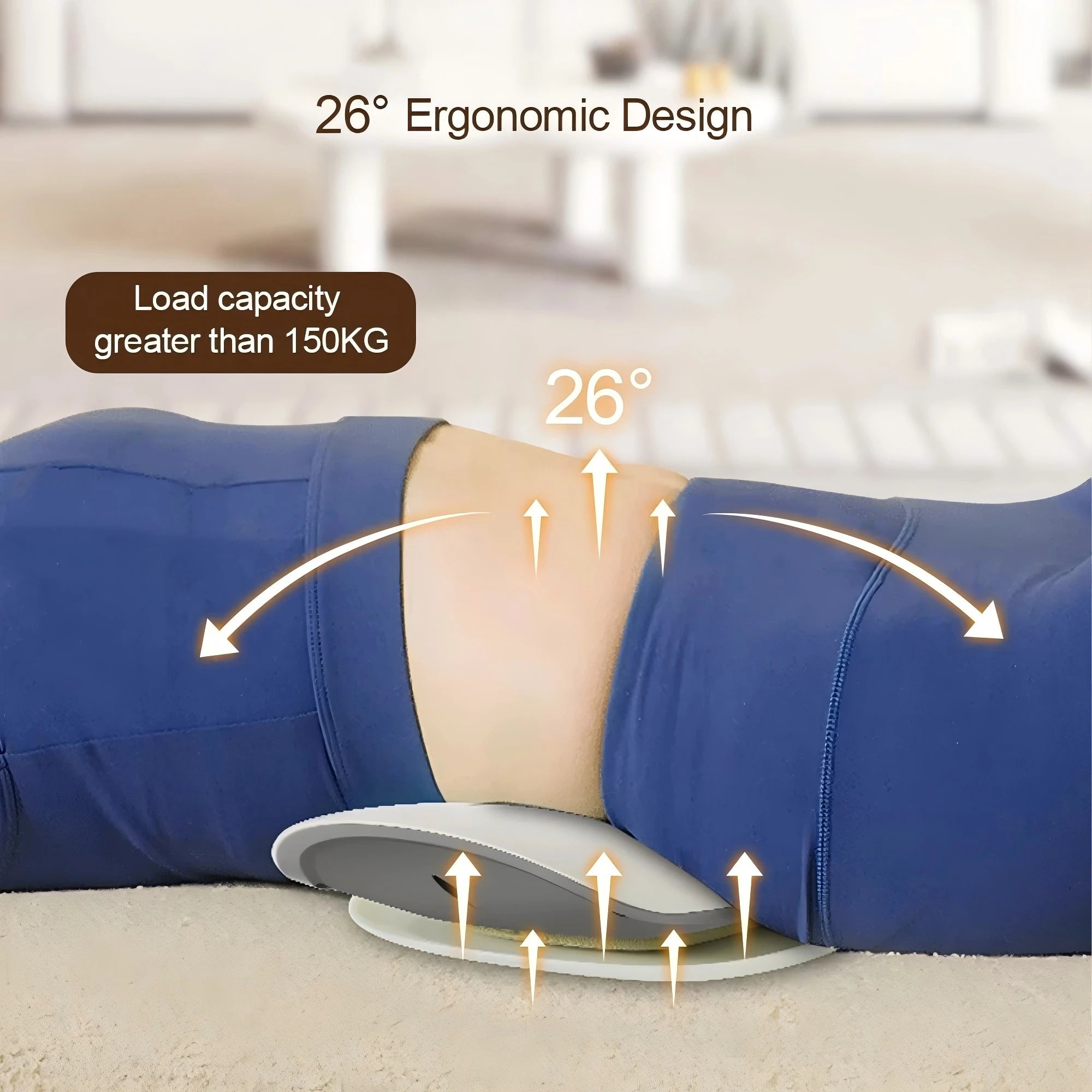
Spinal stretch device designed for everyday home use See it in action
Who Should and Should Not Use a Back Stretcher?
Ideal Candidates
Back stretchers may be a reasonable option for adults who want to support everyday mobility and experience occasional stiffness rather than severe or unexplained pain. They may be particularly useful for:
- People who sit for long periods during the day
- Individuals with occasional muscle tightness or reduced flexibility
- People who want a simple home mobility routine
- Users looking for a portable alternative to larger equipment
Medical Conditions Requiring Caution
People with a recent back injury, significant or worsening pain, known spinal conditions, neurological symptoms, or other medical concerns should seek professional advice before using a spinal decompression device at home.
Stop using the device and seek medical guidance if stretching causes sharp or worsening pain, new numbness or tingling, unusual weakness, or symptoms that persist after the session.
Are Back Stretchers Safe?
Are back stretchers safe? For many healthy adults, gentle use may be well tolerated when the device is used according to its instructions and the stretch remains comfortable. Safety depends heavily on proper positioning, gradual progression, and avoiding excessive force.
Safety Precautions
- Read the manufacturer's instructions before first use.
- Start with the lowest or gentlest available setting.
- Use the device on a stable, non-slip surface.
- Begin with a short session and increase duration gradually if comfortable.
- Keep your movements slow when getting onto and off the device.
- Stop if you experience sharp pain, worsening symptoms, numbness, tingling, or unusual weakness.
Common Mistakes to Avoid
- Starting with the most intense stretch
- Staying on the device for excessively long periods
- Forcing the back into a deeper arch
- Using the device on an unstable or slippery surface
- Ignoring pain because a stronger stretch is assumed to be more effective
- Using a home device to delay evaluation of persistent or worsening symptoms
How to Use a Spinal Stretching Massager Correctly
Step-by-Step Guide
- Place the device on a flat, stable surface according to the manufacturer's instructions.
- Choose the lowest or most comfortable stretch level when beginning.
- Lower yourself onto the device slowly, keeping your movements controlled.
- Position your back so the device supports the intended area rather than forcing the spine into an extreme position.
- Relax your shoulders and breathe normally.
- Remain on the device only for a comfortable period.
- Exit slowly and reassess how your back feels before increasing the intensity or duration.
Recommended Duration and Frequency
Beginners can start with approximately 5 minutes per session and gradually progress toward 10–15 minutes if the stretch remains comfortable. The appropriate frequency depends on the device instructions and individual tolerance.
More frequent or longer sessions are not automatically better. A consistent, comfortable routine is generally more practical than using excessive intensity.
Tips for Better Results
- Use the device as part of a broader mobility routine rather than as your only form of exercise.
- Consider taking regular movement breaks if you sit for long periods.
- Pair stretching with appropriate strengthening and posture-focused exercises.
- Track how your back responds over time instead of judging effectiveness from a single session.
- Do not increase the stretch level if discomfort is increasing.
Myths vs Facts About Back Stretchers
Common Misconceptions
Myth: A back stretcher permanently decompresses the spine.
Fact: A stretching device may provide temporary changes in comfort and mobility, but it should not be expected to permanently alter spinal structure.
Myth: A stronger stretch produces better results.
Fact: Excessive stretching can increase discomfort. A gradual, controlled stretch is generally more appropriate than forcing the body into a deeper position.
Myth: A back stretcher can replace professional treatment.
Fact: Home devices may complement a mobility routine, but they cannot replace individualized assessment and treatment when medical care is needed.
What Results to Expect
Some people notice a temporary feeling of reduced tightness after a session, while improvements in mobility may require consistent use over time. Results vary depending on the cause of stiffness, overall activity level, technique, and other aspects of a person's routine.
The most realistic long-term goal is to use a back stretcher as one tool within a broader approach to movement and comfort—not to rely on it as a standalone cure.
Related Back Mobility and Recovery Resources
Frequently Asked Questions
What are the main benefits of a back stretcher?
The main benefits of a back stretcher may include temporary relief from stiffness, improved flexibility and range of motion, muscle relaxation, and support for a consistent mobility routine. Results vary by person and should not be confused with a guaranteed treatment for an underlying spinal condition.
Do back stretchers really work?
They can help some people experience temporary relief from back tightness and improve comfort during movement. However, the effectiveness of a back stretcher depends on the cause of discomfort, the device design, and how it is used.
Are back stretchers safe for daily use?
Some people may tolerate gentle daily use, but frequency should follow the manufacturer's instructions and your own comfort level. Stop if the device causes worsening pain or unusual symptoms, and seek professional advice when appropriate.
Is a back stretcher good for lower back pain?
A back stretcher may provide temporary relief for some types of lower back tightness or stiffness. It is not suitable for every cause of lower back pain, so persistent, severe, or worsening symptoms should be evaluated by a healthcare professional.
Who should avoid using a back stretcher?
People with recent injuries, significant or unexplained pain, neurological symptoms, or certain spinal conditions should consult a healthcare professional before using a back stretcher. Anyone who experiences worsening symptoms during use should stop.
How long should you stay on a back stretcher?
Beginners can often start with a short session of about 5 minutes and gradually increase the duration if the stretch remains comfortable. Follow the specific product instructions and avoid assuming that longer sessions are automatically more effective.
Can a spinal stretching device replace physical therapy?
No. A spinal stretching device may complement a home mobility routine, but it cannot replace individualized evaluation, treatment, and exercise guidance from a qualified physical therapist when those services are needed.
What is the difference between a back stretcher and a foam roller?
A back stretcher is designed to support structured spinal extension, while a foam roller is primarily used for muscle-focused self-massage and soft-tissue work. They can serve different purposes within a mobility and recovery routine.
How soon can you expect results from a back stretcher?
Some people notice temporary comfort or reduced tightness after a session, while changes in flexibility and mobility may take consistent use over time. There is no universal timeline because results depend on individual factors and the cause of discomfort.
Can poor posture improve with regular back stretching?
Regular stretching may support mobility and increase awareness of posture habits, but stretching alone is unlikely to permanently correct poor posture. Movement breaks, ergonomic adjustments, strengthening, and other exercises may also be important.
When paired with the lumbar traction device , some users report a more complete decompression experience.
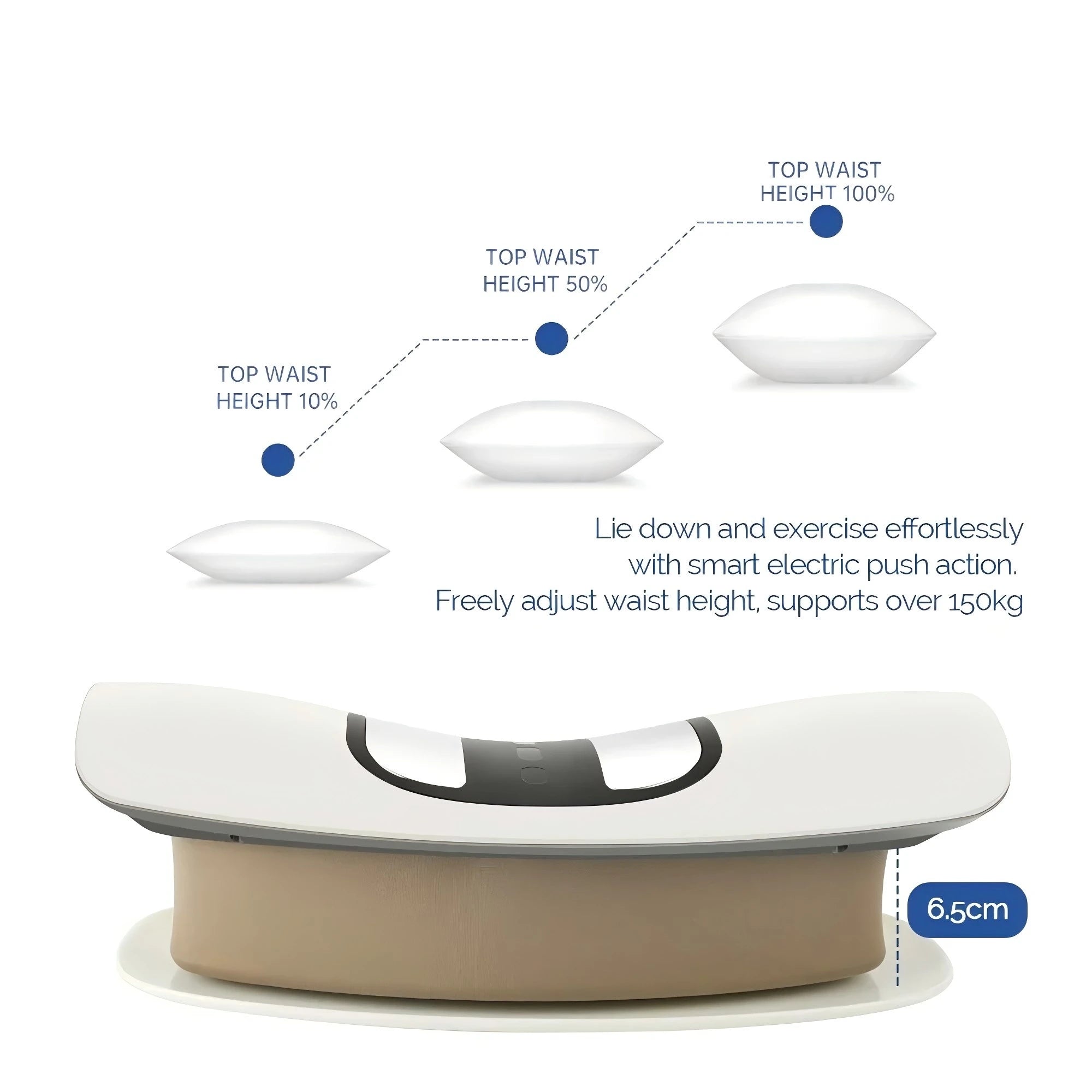
At-home spinal decompression tool for daily relief See it in action
Related Guide: Best Lumbar Traction Device Home Compared for Real Relief













