

Does EMS really help post workout muscle soreness?
Yes. EMS (electrical muscle stimulation) may help relieve post workout muscle soreness by creating gentle muscle contractions that encourage circulation, ease stiffness, and support natural recovery. While EMS does not eliminate delayed onset muscle soreness (DOMS), it can complement proven recovery strategies such as hydration, quality sleep, balanced nutrition, and light movement, making muscle recovery devices a practical option for home use.
⏱ 6 min read
Post Workout Muscle Soreness: Complete Guide to Fast Relief & EMS Recovery
Post workout muscle soreness is a normal response to challenging exercise, especially after increasing training volume or trying new movements. Although soreness can temporarily reduce strength, flexibility, and comfort, it is usually part of the body's adaptation process. This guide explains why DOMS develops, how long it typically lasts, and how evidence-based recovery strategies—including EMS—can help you recover more comfortably and return to training with confidence.

Target sore muscles after training for faster DOMS muscle soreness recovery. See it in action.
What Causes Post Workout Muscle Soreness (DOMS)?
What is delayed onset muscle soreness (DOMS)?
Delayed onset muscle soreness (DOMS) refers to the muscle discomfort that develops after unfamiliar or demanding exercise. Symptoms usually begin within 12 to 24 hours, become most noticeable between 24 and 72 hours, and gradually improve over several days. DOMS commonly follows resistance training, downhill running, or exercises that emphasize slow, controlled muscle lengthening.
Why microscopic muscle damage causes soreness
Current evidence shows that post workout muscle soreness is primarily linked to microscopic stress within muscle fibers and surrounding connective tissue rather than major injury. These tiny disruptions trigger an inflammatory response that supports tissue repair and adaptation. As healing progresses, muscles become better prepared to handle similar training loads in the future. Understanding this process is important when choosing delayed onset muscle soreness treatment and effective DOMS recovery methods.
Lactic acid myth explained
A common myth is that lactic acid causes soreness for days after exercise. In reality, lactate is cleared from the body within a few hours after most workouts. The lingering stiffness and tenderness associated with DOMS result from the muscle repair process and temporary inflammation—not from lactic acid remaining in the muscles.
How Long Does Muscle Soreness Last?
Typical DOMS timeline
For most people, mild post workout muscle soreness improves within 24 to 48 hours, while moderate or intense DOMS may last between 3 and 5 days. Recovery speed depends on workout intensity, training experience, sleep quality, nutrition, hydration, and overall recovery habits. Consistent recovery practices often help reduce the severity of soreness over time.
Normal soreness vs injury warning signs
Normal DOMS usually affects both sides of the body, feels dull or tender, and gradually improves each day. Sharp pain, significant swelling, bruising, joint instability, marked weakness, or symptoms lasting longer than 5 to 7 days may indicate a muscle strain or another injury rather than typical soreness. If these warning signs occur, reduce activity and seek evaluation from a qualified healthcare professional.
How to Relieve Sore Muscles Fast (Science-Based Methods)
Active recovery
One of the most effective ways to reduce muscle soreness after exercise is to keep moving at a comfortable intensity instead of remaining completely inactive. Gentle activities increase circulation without placing additional stress on recovering muscles.
- Take a 15–30 minute walk or easy cycling session.
- Perform light mobility exercises through a comfortable range of motion.
- Avoid high-intensity training for the same muscle group until soreness improves.
Hydration and nutrition
Proper hydration and balanced nutrition support the body's natural repair process. While no single food eliminates DOMS, combining adequate fluids with quality nutrition provides the building blocks muscles need to recover efficiently.
- Drink enough fluids to replace sweat losses after training.
- Consume protein to support muscle protein synthesis.
- Add carbohydrate-rich foods after prolonged or intense workouts to replenish glycogen stores.
- Include nutrient-dense foods rich in vitamins, minerals, and antioxidants as part of your regular diet.
Sleep and recovery
Sleep is one of the strongest predictors of successful recovery. During deep sleep, the body releases hormones involved in tissue repair, making consistent, high-quality sleep an essential part of the best recovery methods after workout sessions.
- Aim for 7–9 hours of quality sleep each night.
- Allow adequate recovery time between demanding workouts targeting the same muscles.
- Increase training volume gradually to reduce excessive soreness.
Heat, cold, massage and compression
Recovery tools work best when matched to your symptoms. Mild stiffness often responds well to heat or massage, while cold therapy may be more appropriate after particularly demanding sessions that produce significant inflammation or discomfort.
- Heat therapy may help relax tight muscles and improve comfort.
- Cold therapy can reduce discomfort following high-impact or strenuous exercise.
- Foam rolling and massage may temporarily improve mobility and reduce muscle tightness.
- Compression garments may help some athletes feel more comfortable during recovery, although results vary.
Why EMS Works for Muscle Soreness Relief
How EMS stimulates circulation and muscle fibers
Electrical muscle stimulation (EMS) uses controlled electrical impulses to produce gentle muscle contractions. These rhythmic contractions encourage local circulation, which helps deliver oxygen and nutrients to recovering muscles while supporting the body's natural recovery process. EMS is designed to complement—not replace—rest, nutrition, and active recovery.
When EMS is most effective
EMS is typically most useful during the first 24 to 72 hours after a challenging workout, particularly when muscles feel stiff or fatigued. It is most effective when incorporated into a comprehensive recovery routine that also includes hydration, sleep, and light movement.
| Potential Benefit | How EMS Supports Recovery |
|---|---|
| Circulation | Gentle muscle contractions encourage healthy blood flow. |
| Muscle comfort | May help reduce feelings of tightness and stiffness. |
| Targeted application | Allows specific muscle groups to be treated individually. |
| Convenience | Can be incorporated into a home recovery routine. |
How to Use EMS for Faster Recovery (Step-by-Step)
When to use EMS after exercise
Recovery-focused EMS sessions can begin after exercise once your heart rate has returned to normal or later within the first day as soreness develops. Many people use EMS following stretching or light walking as part of a complete recovery routine.
EMS settings and session duration
- Select a recovery or massage mode rather than a strength-training program.
- Choose a comfortable, low-to-moderate intensity that creates noticeable but pain-free contractions.
- Use EMS for approximately 10–20 minutes per muscle group.
- One or two sessions per day are generally sufficient while soreness persists.
Mistakes to avoid
- Using stimulation levels that cause pain or prolonged discomfort.
- Placing electrodes incorrectly or over damaged skin.
- Depending solely on EMS while neglecting sleep, nutrition, and active recovery.
- Using strength-focused programs when the goal is recovery.
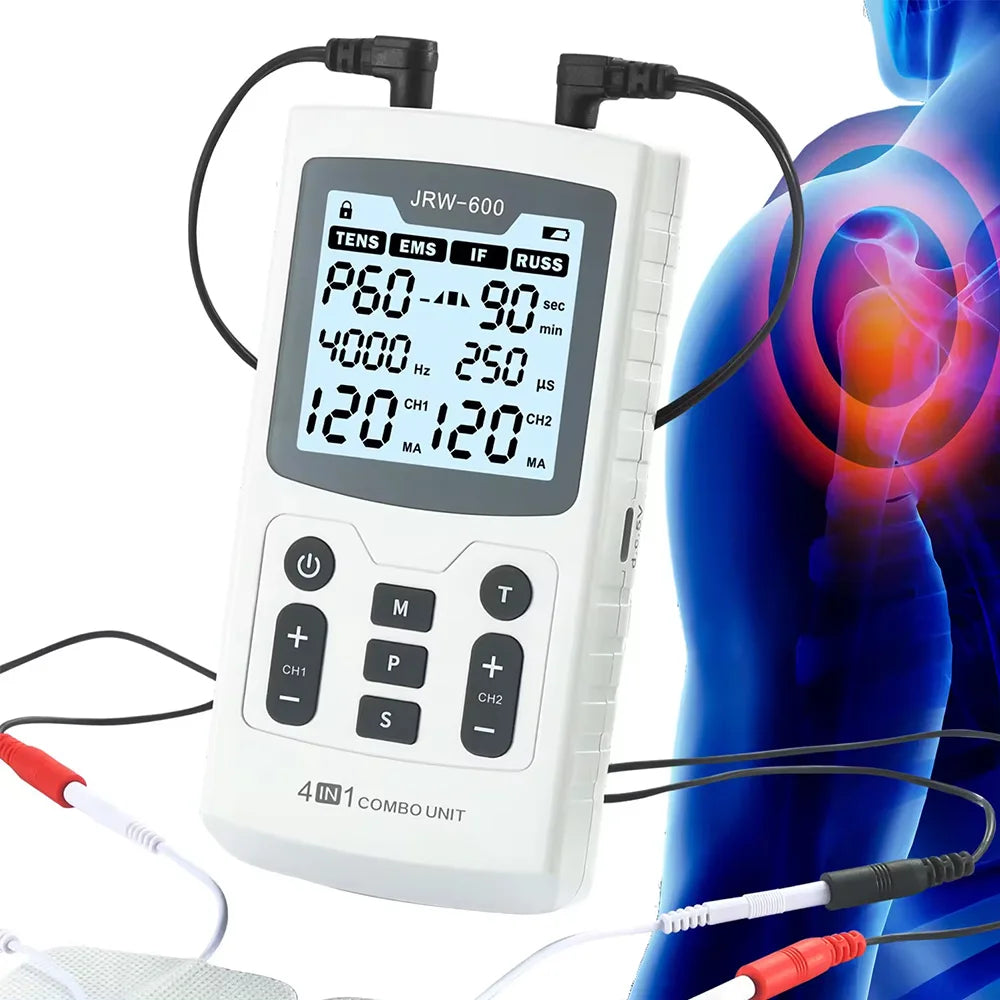
Simple EMS setup supports evidence-based workout recovery methods. Try it yourself.
EMS vs Other Recovery Methods
Foam rolling
Foam rolling is one of the most widely used DOMS recovery methods. It can temporarily reduce muscle tightness, improve range of motion, and make movement feel more comfortable after demanding workouts. It is particularly helpful for larger muscle groups such as the quadriceps, hamstrings, calves, and glutes.
Massage
Sports massage and self-massage may help reduce perceived soreness while improving relaxation and circulation. Massage can be a useful option after intense training sessions, although its effects are generally greatest when combined with adequate sleep, nutrition, and progressive training.
Stretching
Gentle stretching supports flexibility and mobility but should not be expected to eliminate DOMS on its own. Dynamic stretching is best performed before exercise, while light static stretching after training may improve comfort without forcing sore muscles beyond a pain-free range.
Recovery comparison table
| Recovery Method | Primary Benefit | Best For | Evidence |
|---|---|---|---|
| EMS | Supports circulation and muscle relaxation | Localized muscle soreness and recovery routines | Moderate |
| Foam rolling | Improves mobility and reduces tightness | Large muscle groups after strength training | Moderate to strong |
| Massage | Reduces perceived soreness and promotes relaxation | Recovery after intense exercise | Moderate |
| Stretching | Maintains flexibility and movement quality | Daily mobility and post-workout cool-downs | Limited for DOMS relief alone |
Rather than relying on a single technique, the best recovery methods after workout sessions typically combine active recovery, sufficient sleep, balanced nutrition, and recovery tools such as EMS or foam rolling when appropriate.
Best Recovery Methods After Workout (Ranked by Effectiveness)
Highly supported
- Consistent, high-quality sleep.
- Adequate protein intake and balanced post-workout nutrition.
- Active recovery through light walking, cycling, or mobility exercises.
Moderately supported
- EMS for muscle recovery as part of a complete recovery plan.
- Massage or foam rolling to improve comfort and mobility.
- Heat therapy for muscle stiffness.
Limited evidence
- Compression garments, which may benefit some athletes but produce variable results.
- Cold therapy, primarily following unusually strenuous exercise or when inflammation is a concern.
Choosing the Right Muscle Recovery Device
EMS devices
EMS devices are designed to deliver controlled electrical stimulation to specific muscle groups. Look for adjustable intensity, multiple recovery modes, comfortable electrode pads, and simple controls. A quality electric muscle stimulator allows you to tailor treatment for the legs, shoulders, back, arms, and other commonly affected areas.
Massage guns
Massage guns provide rapid percussion to muscles and are often preferred by people who experience widespread muscle tightness after strength training. They are useful for larger muscle groups but may not be comfortable on highly sensitive or acutely sore areas.
Compression devices
Compression recovery devices use intermittent pressure to encourage circulation in the limbs. They are commonly used by endurance athletes after long runs, cycling sessions, or tournaments that involve repeated physical effort.
Who each device suits
- EMS devices: Best for targeted recovery of specific sore muscles and convenient at-home use.
- Massage guns: Suitable for broad muscle groups that feel tight after resistance training.
- Compression devices: Helpful for runners, cyclists, and athletes recovering from prolonged lower-body exercise.
Explore options within the Body Care and Health Devices collection to compare muscle recovery devices designed for different recovery goals.
For targeted recovery sessions at home, an electric muscle stimulator offers adjustable settings that can be customized for different muscle groups and recovery needs.
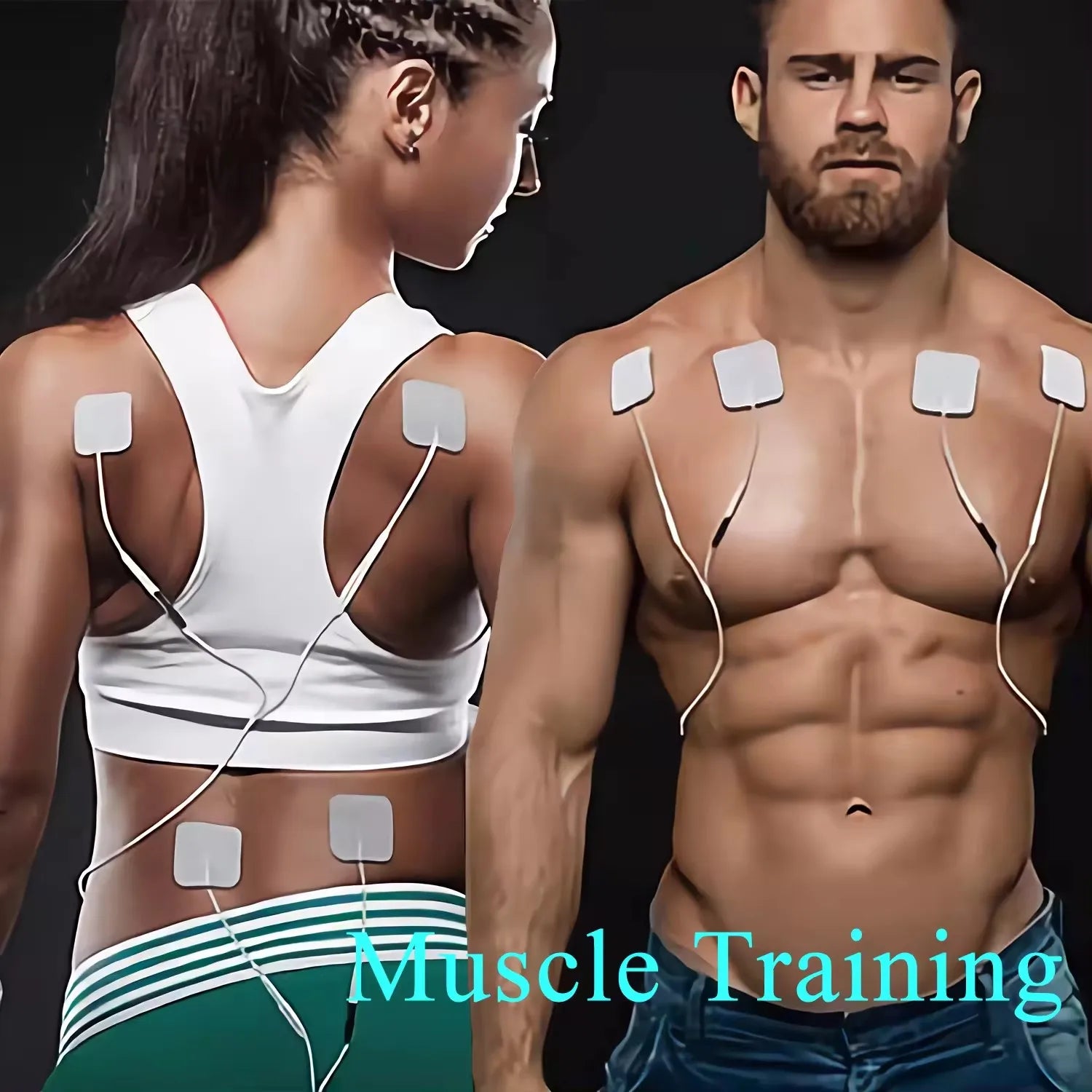
Build a consistent recovery routine to stay ready for your next workout.
Prevention: How to Reduce Muscle Soreness After Exercise
Warm-up and progression tips
- Begin every workout with 5–10 minutes of dynamic movements that prepare the muscles you'll be using.
- Increase training volume and intensity gradually instead of making sudden jumps.
- Schedule recovery days after demanding strength or endurance sessions.
- Focus on proper exercise technique to minimize unnecessary muscle stress.
Nutrition and hydration basics
- Consume adequate protein throughout the day to support muscle repair.
- Replace fluids lost during exercise to maintain normal muscle function.
- Eat balanced meals containing carbohydrates, healthy fats, vitamins, and minerals.
- Prioritize consistent sleep alongside good nutrition for long-term recovery.
Quick FAQs
How soon can I use EMS after a workout?
Recovery-mode EMS can typically be used after your workout once your heart rate has normalized or within the first 24 hours as soreness develops. Follow the manufacturer's instructions and use comfortable intensity settings.
Is EMS safe for regular use?
For most healthy adults, EMS is safe when used as directed. People with implanted electronic medical devices, certain heart conditions, epilepsy, or those who are pregnant should consult a healthcare professional before using EMS.
Can EMS replace other recovery methods?
No. EMS is most effective when combined with evidence-based recovery habits such as adequate sleep, balanced nutrition, hydration, and active recovery.
What is the fastest way to relieve sore muscles after exercise?
There is no instant cure for DOMS. The most effective approach combines light movement, proper nutrition, hydration, sufficient sleep, and supportive recovery methods such as EMS, massage, or foam rolling.
Should I work out with sore muscles?
Mild soreness usually allows for light exercise or training different muscle groups. Delay high-intensity workouts for the affected muscles if soreness is severe or limits normal movement.
How often should I use EMS for recovery?
Most people benefit from one or two recovery sessions per day while soreness persists. Keep sessions within the recommended duration and avoid excessive stimulation.
Should I use heat or ice for sore muscles?
Heat is generally more helpful for relieving muscle stiffness and improving comfort, while ice may be useful immediately after unusually strenuous exercise or when swelling is present.
When is muscle soreness a sign of injury?
Seek medical evaluation if pain is sharp, causes significant weakness, is associated with swelling or bruising, or persists beyond several days without improving.
Which recovery method has the strongest evidence?
Research consistently supports sleep, appropriate nutrition, and active recovery as the foundation of muscle recovery. Recovery tools such as EMS, massage, and foam rolling can provide additional benefits when used alongside these core strategies.
For more wellness-focused tools and routines, browse the Beauty & Self-Care Blog or explore supportive lifestyle options in Lifestyle .
Related Guide: EMS Muscle Recovery Guide How to Use It for Faster Healing













