

Does muscle soreness relief after workout really work?
Yes, muscle soreness relief after workout can reduce discomfort and improve mobility, but it does not instantly repair muscle damage or eliminate delayed onset muscle soreness (DOMS). The most effective approach combines active recovery, hydration, nutrition, sleep, and targeted recovery methods such as cold therapy or an athletic recovery massage tool. Post workout muscle soreness relief helps you feel better while your body completes its natural repair process.
Muscle Soreness Relief After Workout: Science-Backed Guide + Real Recovery Tools
⏱ 10 min read
Feeling sore after training is a normal sign that your muscles are adapting—but knowing how to recover properly can make a major difference. This guide explains why soreness happens, how to relieve sore muscles after exercise, which recovery methods are supported by evidence, and where modern tools like the Ice Massage Roller Ball fit into a complete recovery routine.
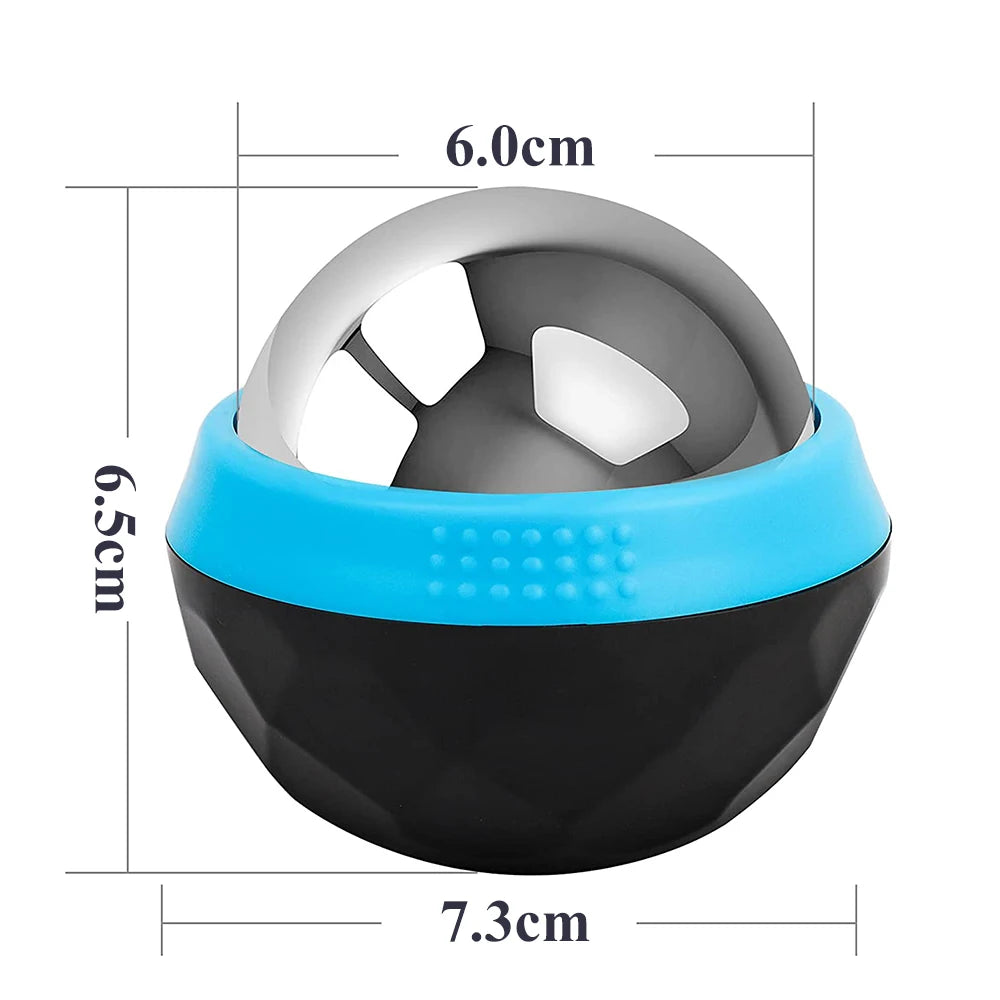
Target post workout muscle soreness relief at home See it in action
What Causes Muscle Soreness After Exercise (DOMS Explained)
What happens to muscles during exercise
Understanding muscle soreness relief after workout starts with understanding the recovery process. During intense exercise—especially resistance training, new movements, or higher-than-usual intensity—muscle fibers experience small amounts of structural stress.
This process activates repair mechanisms that rebuild and strengthen muscle tissue. The same response also triggers temporary inflammation, fluid changes, and sensitivity around the affected muscles, causing stiffness and tenderness.
Why soreness peaks 24–72 hours later
Delayed onset muscle soreness (DOMS) does not appear immediately because the inflammatory response takes time to develop. Many people notice soreness 12–24 hours after exercise, with discomfort often reaching its highest point between 24 and 72 hours.
This delayed timing explains why you may finish a challenging workout feeling fine but wake up with tight, painful muscles the next morning.
DOMS vs muscle strain or injury
Normal DOMS usually feels like generalized muscle tightness, tenderness, or reduced flexibility. It typically improves gradually with light movement and recovery strategies.
Muscle injuries often feel different. Sharp pain, sudden weakness, bruising, significant swelling, or pain concentrated in one specific area may indicate a strain or other injury rather than normal soreness.
Recovery Roadmap: What to Do at Every Stage
0–6 hours after exercise
Immediately after training, your priority is supporting the recovery process. Drink water, replace electrolytes if you have exercised heavily, and perform gentle cooldown movements to maintain circulation.
24 hours after exercise
This is when soreness may begin increasing. Light activity, stretching, mobility exercises, and gentle massage can support circulation without adding additional stress.
48 hours after exercise
Soreness often reaches its peak during this stage. Focus on post workout muscle soreness relief methods such as controlled movement, adequate protein intake, quality sleep, and recovery tools that target uncomfortable areas.
72+ hours after exercise
Most people begin feeling significant improvement after three days. Gradually return to normal training while avoiding excessive intensity on muscles that are still recovering.
How to Relieve Sore Muscles After Exercise
Active recovery
Gentle movement is one of the most practical ways to relieve sore muscles after exercise. Walking, mobility drills, light cycling, and stretching can increase blood flow while reducing stiffness.
Nutrition and hydration
Muscle repair requires adequate fuel. Protein provides amino acids needed for rebuilding tissue, while hydration supports circulation and normal muscle function.
Sleep and recovery
Quality sleep plays an essential role in recovery. During deep sleep, your body supports tissue repair, hormone regulation, and adaptation to training stress.
Targeted recovery tools
Recovery tools can complement basic habits by providing focused pressure, cooling, or muscle relaxation. The best results usually come from combining tools with proper training, nutrition, and rest rather than relying on one solution alone.
Best Muscle Recovery Tools Ranked by Evidence
Foam rollers
Best for: General muscle tightness and mobility support.
Foam rollers apply broad pressure across larger muscle groups. They are useful before or after workouts but may feel less precise for small sore areas.
Massage guns
Best for: Targeted muscle relaxation.
Massage guns deliver rapid percussion that may temporarily improve range of motion and reduce feelings of stiffness. They should be used carefully, especially around sensitive areas.
Cold therapy
Best for: Managing soreness and inflammation after intense exercise.
Cold therapy may help reduce discomfort by temporarily lowering tissue temperature and calming irritated areas during the recovery period.
Compression and heat
Best for: Different recovery stages.
Compression may support circulation and comfort, while heat can help relax tight muscles later in the recovery process.
Ice Massage Roller Ball: Where It Fits in Recovery
The Ice Massage Roller Ball combines cooling and controlled pressure in a compact recovery tool designed for athletes, gym users, and anyone experiencing regular post-exercise soreness.
- Combines cold therapy with targeted massage
- Portable design for home, gym, or travel use
- Suitable for major muscle groups
- Reusable and easy to clean
You can explore it directly here: Ice Massage Roller Ball .
Benefits
The rolling motion allows users to apply controlled pressure to tight areas, while the cooling effect may help reduce discomfort during periods of increased soreness.
Best timing
The Ice Massage Roller Ball is commonly used within the first 24–48 hours after demanding workouts when soreness and inflammation are most noticeable.
Who should use it
This type of recovery tool may be useful for runners, strength trainers, athletes, and beginners who want a simple at-home option for managing workout-related muscle discomfort.
Recovery Tool Comparison
| Recovery Method | Best Use | Main Benefit | Limitation |
|---|---|---|---|
| Foam roller | Large muscle groups | Improves mobility and reduces tightness | Less precise targeting |
| Massage gun | Specific muscle areas | Deep percussion stimulation | Can feel intense for sensitive users |
| Ice Massage Roller Ball | Sore muscles after training | Combines cooling and pressure | Does not replace medical treatment |
| Heat therapy | Muscle relaxation | Comfort and flexibility support | Not always ideal immediately after intense exercise |
Choosing the right option
- Choose foam rolling for general stiffness and mobility work.
- Choose massage tools for targeted muscle tension.
- Choose cold therapy when soreness feels inflamed or uncomfortable.
- Combine multiple methods for a complete recovery routine.
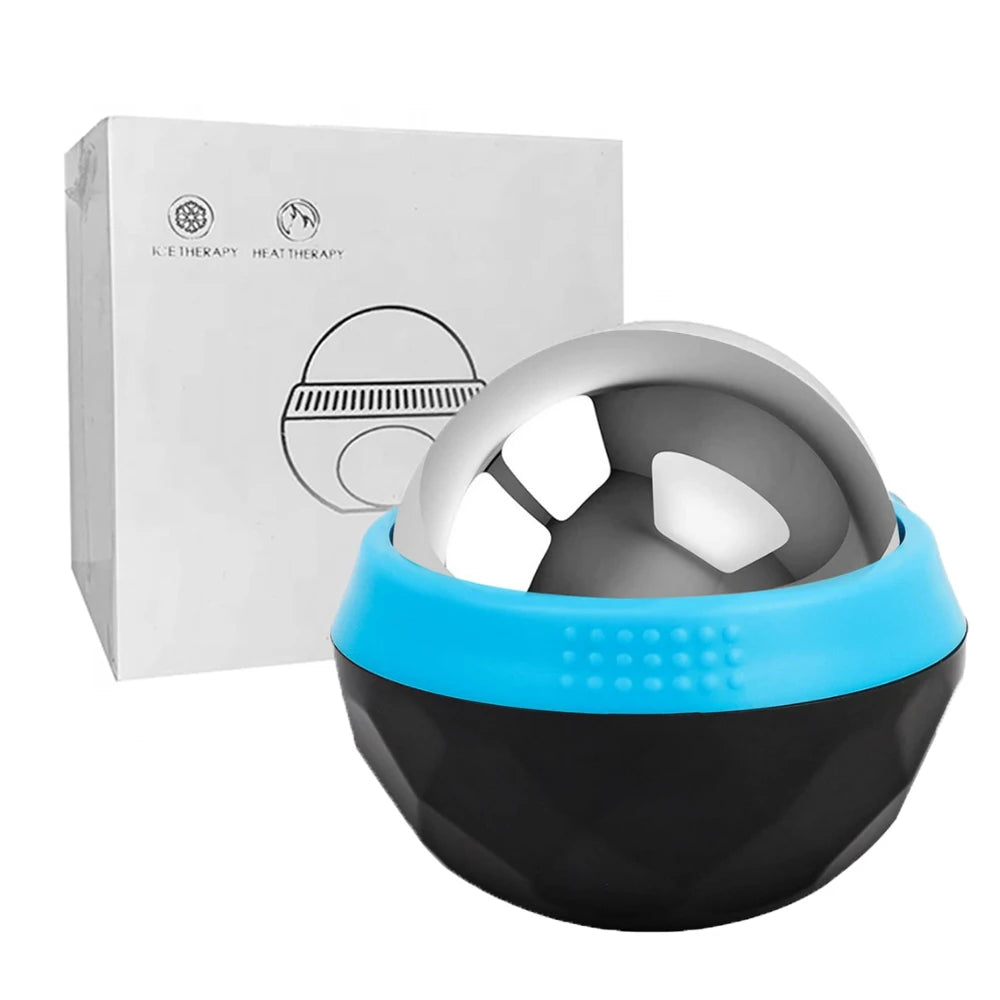
Daily recovery made simple See it in action
How to Use Recovery Tools Safely
Cold therapy
Apply cold therapy for short sessions and avoid excessive exposure. Protect skin from direct prolonged cold contact and follow product instructions.
Massage tools
Use controlled pressure rather than aggressive force. Avoid applying intense pressure directly over joints, bones, or injured areas.
Frequency
Many people use recovery tools after workouts or during periods of increased training. Consistency and proper technique are more important than excessive use.
Nutrition and Sleep for Faster Recovery
Protein
Protein supports muscle repair by supplying amino acids needed after exercise. Include quality protein sources throughout the day to support recovery.
Carbohydrates and hydration
Carbohydrates help restore muscle glycogen, while fluids support normal muscle performance and recovery processes.
Electrolytes
After long or intense workouts, electrolytes such as sodium and potassium help maintain fluid balance.
Sleep quality
Consistent, high-quality sleep supports recovery, energy levels, and training adaptation.
Recovery by Workout Type
Strength training
Heavy lifting often creates significant DOMS. Prioritize protein, mobility work, and avoid training the same muscle group intensely before recovery.
Running
Runners may experience soreness in calves, hamstrings, and hips. Gentle movement and mobility exercises can support recovery.
HIIT
High-intensity interval training creates both muscular and cardiovascular stress. Allow sufficient rest between demanding sessions.
Beginners
New exercisers often experience stronger soreness because their bodies are adapting. Gradual progression helps reduce excessive discomfort.
Recovery Mistakes That Make Soreness Worse
Ignoring pain signals
Pushing through sharp or unusual pain can turn minor issues into longer recovery problems.
Too much intensity
Training harder does not always create better results. Recovery time is essential for muscle adaptation.
Poor nutrition and sleep
Insufficient protein, dehydration, and poor sleep can slow the recovery process and increase fatigue.
When Soreness May Need Medical Attention
Normal DOMS
Normal soreness usually improves within several days and responds to movement, rest, and recovery habits.
Warning signs
- Severe pain that continues worsening
- Major swelling or bruising
- Sudden loss of strength
- Inability to move normally
Decision checklist
If pain feels sharp, unusual, or does not improve as expected, seek professional medical advice instead of relying only on sore muscles treatment at home.
Frequently Asked Questions
How long does muscle soreness last after a workout?
Most DOMS symptoms improve within 3–7 days depending on workout intensity, fitness level, nutrition, and recovery habits.
Should I work out if my muscles are sore?
Light activity is usually acceptable, but avoid intense training for muscles that are still significantly sore.
Is heat or ice better for sore muscles?
Ice may be more useful early after intense exercise when soreness and inflammation are noticeable. Heat may help relax tight muscles later.
What is the fastest way to recover after exercise?
The fastest approach combines adequate sleep, protein intake, hydration, active recovery, and appropriate recovery tools.
Do massage guns actually reduce muscle soreness?
Massage guns may temporarily reduce stiffness and improve comfort, but they do not instantly repair muscle tissue.
Can foam rolling speed up muscle recovery?
Foam rolling may improve mobility and reduce feelings of soreness, especially when combined with other recovery strategies.
What foods help reduce muscle soreness?
Protein-rich foods, carbohydrate sources, fruits, vegetables, and adequate fluids support normal recovery after exercise.
How can I tell the difference between DOMS and an injury?
DOMS is usually a widespread dull soreness that improves gradually. Injuries often involve sharp pain, swelling, weakness, or loss of function.













