Q: Why is abdominal massage postpartum recommended?
A: Abdominal massage after birth may support recovery by improving circulation, easing bloating, and encouraging natural uterine contraction. Many mothers also report reduced lower-back discomfort and improved relaxation during the early postpartum weeks when gentle massage is performed safely.
Abdominal Massage Postpartum: Benefits, Safety, and How It Helps Recovery
Gentle abdominal massage postpartum can help many new mothers feel more comfortable during recovery. This guide explains how abdominal massage after birth works, when it’s safe to begin, and how both manual techniques and a gentle abdominal massager machine may support relaxation and circulation during the postpartum healing process.
⏱ 7 min read
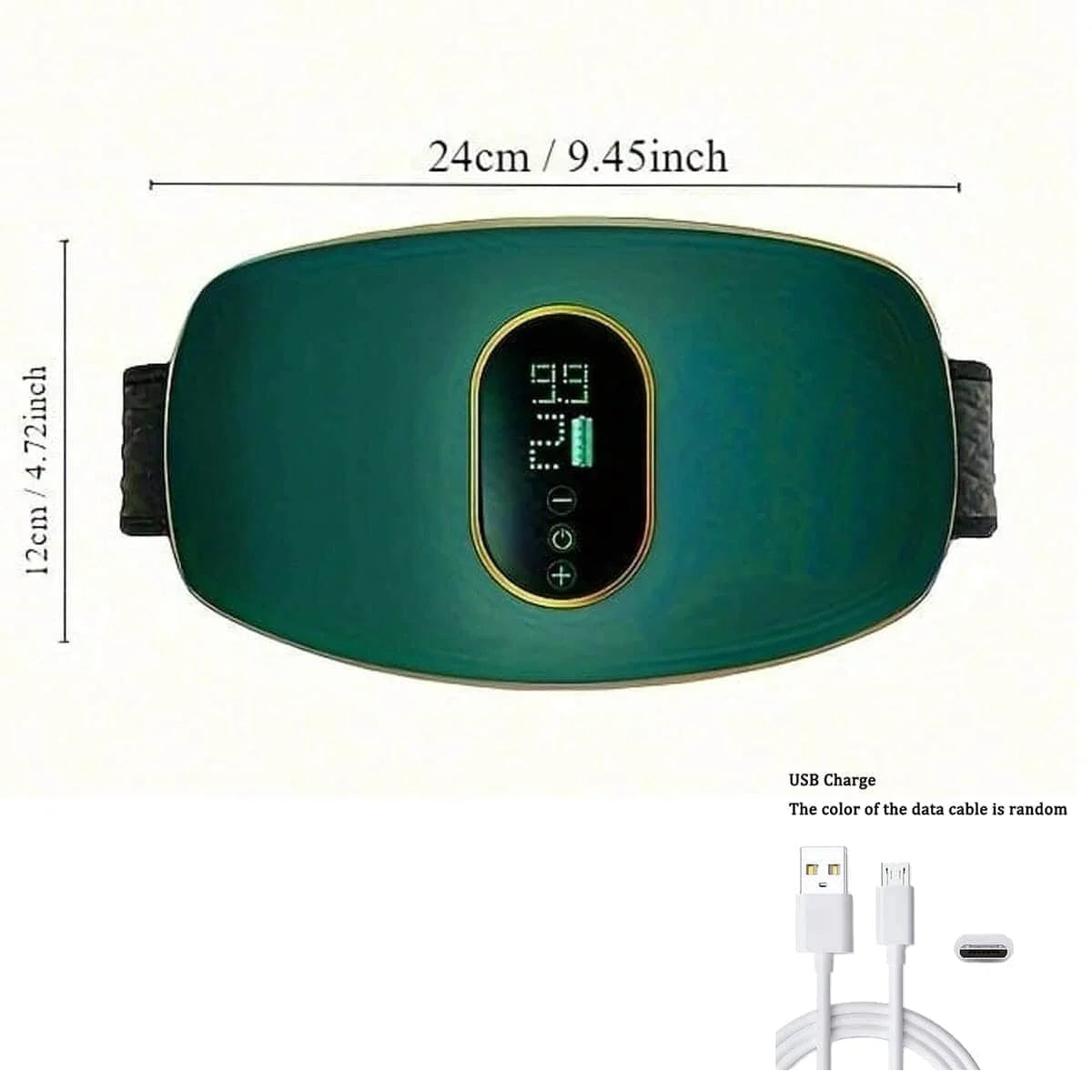
💡 Experience the comfort of abdominal massage postpartum — discover the KentDO smart massager in action.
What Is Postpartum Abdominal Massage?
Postpartum abdominal massage is a gentle hands-on technique used after childbirth to support recovery in the abdominal and pelvic areas. It typically involves slow circular or sweeping movements across the stomach to stimulate circulation, encourage relaxation, and help the body adjust after pregnancy.
This type of massage may be performed by a trained postpartum therapist, physiotherapist, or practiced gently at home. In many cultures, postpartum belly massage has long been part of traditional recovery practices designed to support uterine recovery, digestion, and overall comfort after birth.
Modern postpartum care approaches also recognize that gentle abdominal massage can complement other recovery practices such as breathing exercises, pelvic floor strengthening, and gradual core rehabilitation.
How Abdominal Massage Supports Postpartum Recovery
After childbirth, the abdominal area experiences significant physiological changes. Gentle massage is sometimes used in postpartum care because it may stimulate circulation, support organ repositioning, and encourage natural healing processes.
Uterine involution support
After delivery, the uterus gradually shrinks back to its pre-pregnancy size through a natural process called uterine involution. Gentle abdominal massage may stimulate circulation in the pelvic region and support the body’s natural recovery process.
Lymphatic drainage and swelling reduction
Fluid retention is common after birth due to hormonal changes and pregnancy-related swelling. Light massage techniques can encourage lymphatic movement, helping the body move excess fluid away from the abdominal area and potentially reducing puffiness and discomfort.
Digestive stimulation after birth
Constipation and slower digestion often occur after childbirth due to hormonal changes, medications, and reduced activity. Gentle abdominal massage may stimulate intestinal movement and support digestive comfort.
Relaxation and abdominal muscle awareness
Massage may also help mothers reconnect with their core muscles after pregnancy. Gentle touch across the abdomen can increase body awareness and encourage relaxation in muscles that were stretched during pregnancy.
Benefits of Abdominal Massage After Delivery
When performed gently and at the appropriate time, abdominal massage after birth may provide several supportive benefits. While it is not a medical treatment, it can complement other postpartum recovery practices.
- Improved circulation: Gentle massage stimulates blood flow in the abdominal area and may support tissue healing after pregnancy.
- Support for uterine recovery: Light pressure and movement across the abdomen may encourage natural uterine contraction and recovery.
- Reduced swelling and fluid retention: Massage may stimulate lymphatic drainage and help reduce postpartum bloating.
- Digestive comfort: Abdominal massage can encourage intestinal movement and help relieve mild constipation.
- Relaxation and stress relief: The calming effect of massage may help reduce tension during the demanding postpartum period.
Some mothers experiencing digestive discomfort may also explore techniques similar to those used in abdominal massage for bloating to support gentle digestive stimulation.
When Is It Safe to Start Abdominal Massage After Birth?
The right time to begin postpartum abdominal massage varies depending on delivery type and individual healing. If unsure, consult a healthcare provider before starting massage.
After vaginal delivery
For uncomplicated vaginal births, extremely gentle abdominal massage may be possible within the first few days after delivery. The pressure should remain very light and focused on relaxation rather than deep muscle work.
After C-section
Following a cesarean birth, abdominal massage should only begin once the incision has healed and a healthcare provider has approved it. This may take several weeks depending on recovery progress.
Signs your body is ready
- Minimal abdominal pain
- No active bleeding concerns
- Incisions fully healed (for C-sections)
- Comfortable lying on the back
If core weakness or abdominal separation is suspected, symptoms similar to those discussed in abdominal muscle recovery discussions may indicate the need for professional guidance.
Who Should Avoid Postpartum Abdominal Massage?
Although abdominal massage can be gentle, it may not be appropriate for every postpartum situation. Certain conditions require medical guidance before applying pressure to the abdomen.
- Recent C-section incision that has not healed
- Severe abdominal pain or infection
- Heavy postpartum bleeding
- Complications during delivery
- Medical advice to limit abdominal pressure
If unusual pain, dizziness, or discomfort occurs during massage, stop immediately and consult a healthcare provider.
How to Perform a Gentle Postpartum Abdominal Massage
A simple postpartum belly massage can be performed at home using very light pressure. The goal is relaxation and circulation rather than deep muscle manipulation.
Preparation and positioning
- Lie comfortably on your back with knees slightly bent
- Use a pillow for lower back support if needed
- Warm your hands before touching the abdomen
Step-by-step massage technique
- Place both hands lightly on the lower abdomen.
- Use slow circular movements around the belly button.
- Move hands outward toward the sides of the abdomen.
- Use gentle downward strokes toward the pelvic area.
- Continue for 5–10 minutes with relaxed breathing.
Duration and frequency
Short sessions of 5–10 minutes once or twice daily are usually sufficient. The pressure should always remain light and comfortable.
These gentle movements can complement recovery strategies similar to those used in belly massage for digestion routines.
Using Abdominal Massagers Postpartum
Some mothers prefer using handheld devices or wrap-style abdominal massagers to provide light vibration or heat across the stomach. These tools may enhance relaxation but should be used carefully during postpartum recovery.
Manual massage vs abdominal massager machine
Manual massage provides the most control over pressure and movement, making it the safest choice early in recovery. Abdominal massager machines can provide vibration or heat but should be used on the lowest settings.
Safety tips when using a device
- Avoid strong vibration or deep kneading settings
- Never apply pressure directly over surgical scars
- Stop immediately if discomfort occurs
- Consult a healthcare professional if unsure
When a massager may help recovery
Once healing progresses, a gentle abdominal massager may help with relaxation, circulation, and muscle awareness during postpartum recovery.
Some mothers also combine massage devices with supportive garments such as body care devices and belly wraps to enhance comfort.
| Model | Key Features | Pros | Cons |
|---|---|---|---|
| KentDO Smart Abdominal Massager | Heat therapy, adjustable vibration, USB rechargeable | ✅ Quick relief ✅ Ergonomic fit ✅ Quiet operation | ❌ Premium price |
| ComfortBelt Pro | Wide coverage, mild compression, removable gel packs | ✅ Multipurpose use ✅ Lightweight | ❌ No vibration mode |
| MotherCare Heat Wrap | Gentle heat, wraparound style, portable | ✅ Affordable ✅ Easy to clean | ❌ Limited adjustability |

💡 See how the KentDO smart abdominal massager supports recovery after birth.
Best Abdominal Massager Postpartum: What to Look For
If choosing a device for gentle postpartum massage, safety should be the top priority. Devices designed for relaxation rather than deep tissue massage are usually the most appropriate.
- Low vibration settings: Gentle stimulation is safer for sensitive postpartum tissue.
- Soft massage surfaces: Cushioned heads reduce pressure on the abdomen.
- Adjustable intensity: Allows gradual control during recovery.
- Lightweight design: Easier to handle during short massage sessions.
Frequently Asked Questions About Postpartum Abdominal Massage
Is abdominal massage postpartum safe after a C-section?
Abdominal massage should only begin after a cesarean incision has fully healed and a healthcare provider has approved it. Gentle massage may then be introduced gradually while avoiding direct pressure on the scar area.
How often should I do abdominal massage after birth?
Most postpartum massage routines involve short sessions lasting 5–10 minutes once or twice per day. The pressure should remain gentle, especially during the early weeks of recovery.
Can I use an abdominal massager machine while breastfeeding?
Using a gentle abdominal massager while breastfeeding is generally safe as long as the device does not cause discomfort or excessive vibration. Many postpartum specialists recommend starting with manual massage first.

💡 Try the KentDO smart abdominal massager and feel the difference.
Pillar Article: Abdominal Massage for Constipation: Best Options Compared for Instant Relief
Other Related Articles:
- Best Massager for Stomach: Full Comparison for Digestive Comfort
- Abdominal Massage for Bloating: Which Devices Actually Help Fast
- Abdominal Massage Benefits Reviewed: What Works and What Doesn’t
- Top 5 Abdominal Massagers to Relieve Gas Quickly at Home
Explore More: