

Do Electronic Posture Correctors Work? Electronic vs Manual Posture Correctors Explained
Electronic posture correctors are becoming increasingly popular among office workers, students, and remote professionals looking to reduce slouching and improve posture awareness. Unlike traditional posture braces that physically pull the shoulders back, modern smart sensor posture correctors use biofeedback technology to alert users when posture begins to deteriorate. But do electronic posture correctors actually work, and are they better than manual braces for rounded shoulders? This evidence-based guide explains how posture corrector electronic devices function, what current research suggests, their benefits and limitations, and whether they are the right choice for your posture goals.
Meta Description: Discover whether electronic posture correctors really work. Compare electronic vs manual posture correctors, learn the benefits, limitations, research insights, and how to improve posture effectively.
⏱ 7 min read
Do Electronic Posture Correctors Work? The Short Answer
Yes, electronic posture correctors can work for many people by increasing awareness of poor posture and providing real-time reminders when slouching occurs. Unlike a traditional posture corrector brace, an electronic posture corrector uses sensors and vibration alerts to encourage active posture correction rather than physically forcing the shoulders into position.
What Current Evidence Suggests
Research and expert opinion generally suggest that these devices are most effective as posture-training tools rather than permanent solutions. Users often experience short-term improvements in sitting and standing posture, but long-term results depend on consistent use, exercise, ergonomic habits, and muscle strengthening.
Why Results Vary Between Users
Individuals who regularly respond to posture reminders and combine device use with strengthening exercises typically experience better outcomes. Those expecting the device to passively correct posture without behavioral changes may see limited benefits.
In other words, a posture corrector electronic device can help build better posture habits, but it works best as part of a broader posture improvement strategy.

💡 See it in action: posture corrector electronic + smart sensor posture corrector technology for faster results.
What Is an Electronic Posture Corrector?
An electronic posture corrector is a wearable posture fixing device that detects slouching and provides immediate feedback when posture begins to deteriorate. Most devices use motion sensors, gyroscopes, or accelerometers to monitor body position throughout the day.
Wearable Posture Reminder Devices
Unlike traditional posture supports, electronic models focus on behavior modification. They alert users through vibration, notifications, or app-based coaching whenever poor posture is detected. For a deeper explanation of the technology, see our guide to smart posture corrector technology .
Electronic Posture Corrector vs Posture Support Brace
A posture support brace physically pulls the shoulders backward to create alignment. An electronic posture corrector encourages users to actively adjust their posture themselves, which may contribute more effectively to long-term habit formation.
How Electronic Posture Correctors Work
Motion Sensors and Posture Tracking
Most posture electronic devices contain sensors that measure body position and movement. During setup, users establish a neutral posture position that becomes the device's reference point.
Biofeedback and Vibration Alerts
When posture deviates beyond a predefined threshold, the device delivers immediate feedback through vibration or smartphone notifications. This process is known as biofeedback.
Habit Formation and Posture Awareness
The goal is not simply to hold the body upright. Instead, repeated feedback helps users recognize poor posture patterns and gradually develop healthier movement habits throughout the day. Learn more about the science behind these systems in our smart sensor posture corrector article .
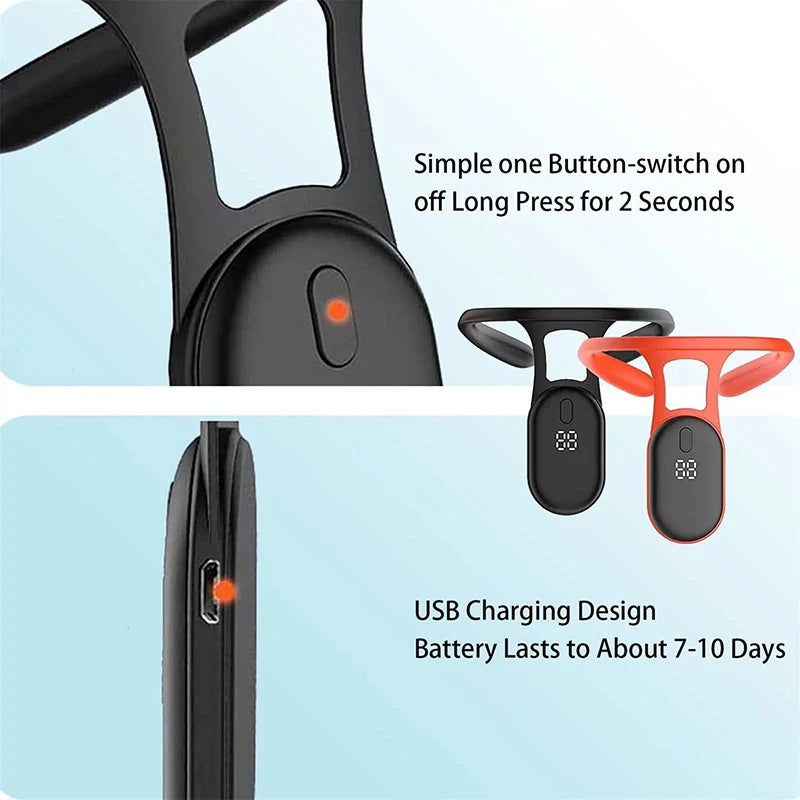
💡 See it in action: smart sensor posture corrector gives instant feedback.
Do Electronic Posture Correctors Work According to Research?
Evidence Supporting Posture Awareness
Research on biofeedback-based posture interventions suggests that real-time reminders can improve postural awareness and reduce periods of sustained slouching. These findings support the core mechanism used by electronic posture correctors.
Limitations of Existing Studies
Current studies are relatively limited in size and duration. While improvements in posture behavior are commonly reported, evidence for permanent structural posture correction remains less conclusive.
What Experts Generally Agree On
Most posture specialists agree that electronic devices can be useful training tools. However, they are generally viewed as supplements to exercise, movement education, and ergonomic improvements rather than standalone solutions.
Short-Term Benefits vs Long-Term Results
Immediate Posture Improvements
Many users notice fewer episodes of slouching within days of wearing a posture corrector electronic device because alerts increase body awareness throughout daily activities.
Building Sustainable Posture Habits
Long-term improvement depends on repeatedly responding to posture reminders until healthier positioning becomes automatic.
Why Devices Alone Are Not Enough
Weak upper-back muscles, poor workstation ergonomics, and limited mobility cannot be fully corrected by reminders alone. Sustainable results usually require strengthening exercises and lifestyle adjustments.
Electronic vs Manual Posture Correctors: Key Differences
Biofeedback vs Physical Support
Electronic posture correctors focus on awareness and behavioral training, while manual braces provide passive physical support.
Comfort and Daily Wearability
| Feature | Manual Brace | Posture Corrector Electronic |
|---|---|---|
| Feedback | None (passive support only) | Real-time alerts via sensors |
| Comfort | Can feel restrictive | Lightweight, flexible |
| Training Effect | Supports but doesn’t teach | Trains muscle memory actively |
| Technology | Elastic straps only | Smart sensor + app integration |
| Suitability for Daily Wear | Bulky, visible under clothes | Discrete, wearable all day |
Long-Term Behavior Change Potential
Because electronic devices encourage self-correction rather than physical restraint, they may be better suited for developing long-term posture awareness habits.
Do Posture Braces Work for Rounded Shoulders?
Yes, both manual and posture corrector electronic devices can help improve rounded shoulders when used appropriately. Their effectiveness depends on consistency, individual posture habits, and whether strengthening exercises are included.
When Braces May Help
- Providing temporary shoulder positioning awareness.
- Reducing habitual slouching during work or study.
- Supporting posture training during specific activities.
When Exercises Are Necessary
Rounded shoulders are often associated with muscle imbalances, tight chest muscles, and weak upper-back muscles. Exercises are usually necessary for meaningful long-term improvement.
Combining Support with Training
The most effective approach often combines posture reminders, mobility work, strengthening exercises, and ergonomic improvements. For additional guidance, explore our rounded shoulders educational resources and posture improvement articles.
Benefits of Electronic Posture Correctors
- Provides immediate feedback when slouching occurs.
- Encourages active posture correction rather than passive support.
- Can improve posture awareness during desk work.
- May help reduce repetitive poor posture habits.
- Typically less restrictive than a posture corrector brace.
- Supports behavior-based posture training.
Limitations and Potential Risks
Muscle Dependency Concerns
Electronic posture correctors generally create less dependency than rigid braces because they do not physically support the body. However, relying exclusively on any device may slow the development of independent posture habits.
Unrealistic Expectations
These devices cannot instantly reverse years of postural adaptations or structural conditions.
Improper Fit and Overuse
Poor positioning, excessive wear time, or incorrect calibration can reduce effectiveness and cause discomfort.
Who Should Use an Electronic Posture Corrector?
Office Workers
- Office workers who spend long hours at a desk.
- Remote workers seeking posture awareness tools.
Students
- Students who frequently study on laptops.
- Individuals who spend extended periods sitting.
People with Mild Postural Habits
- Individuals with mild posture habits caused by prolonged sitting.
- People looking for reminders rather than rigid physical support.
Individuals with significant pain, injury, or diagnosed spinal conditions should seek professional medical guidance before relying on a posture correction device.
How Long Should You Wear an Electronic Posture Corrector?
Recommended Daily Usage
Many manufacturers recommend starting with shorter sessions and gradually increasing wear time as comfort improves.
Gradual Adaptation Strategy
Using the device during activities where slouching commonly occurs—such as desk work—often provides the greatest benefit.
Signs of Overuse
If discomfort, skin irritation, or excessive reliance develops, usage should be reduced and posture habits reassessed.
Exercises That Improve Electronic Posture Corrector Results
Upper-Back Strengthening
Rows, reverse flys, and scapular retraction exercises help strengthen muscles responsible for maintaining posture.
Shoulder Mobility Work
Chest stretches and thoracic mobility exercises can improve movement quality and reduce rounded-shoulder positioning.
Core Stability Exercises
A strong core supports spinal alignment and complements the posture reminders provided by electronic devices. You can also explore our posture exercise and stretching resources for additional routines.

💡 See it in action: correct rounded shoulders while you work, walk, relax.
Which Is Better: Electronic or Manual Posture Corrector?
Best Option by User Goal
The best choice depends on whether the goal is posture awareness or physical support.
- Electronic posture corrector: Best for habit formation and active posture training.
- Manual posture corrector back brace: Best for temporary physical positioning and support.
When Electronic Devices Make Sense
Users seeking long-term behavior change and ongoing posture awareness often benefit more from biofeedback-based solutions. For a more detailed explanation of the technology, see our electronic posture corrector guide .
When Manual Braces Are Preferable
Individuals who need temporary support or physical guidance may prefer a traditional posture support brace.
FAQ: Electronic Posture Corrector Questions Answered
Do Electronic Posture Correctors Actually Work?
They can improve posture awareness and reduce slouching when used consistently, particularly as part of a broader posture improvement plan.
Can Posture Correctors Weaken Muscles?
Electronic posture correctors are less likely to create muscle dependency because they provide reminders rather than physical support. Learn more about posture support devices and their intended use in our educational resources.
How Long Before Posture Improves?
Many users notice increased awareness within days, while meaningful habit changes often require several weeks of consistent use.
Are Electronic Posture Correctors Safe?
Most are safe when used according to manufacturer guidelines and combined with healthy movement habits.
Can A Posture Corrector Fix Rounded Shoulders Permanently?
No device alone can guarantee permanent correction. Long-term improvement typically requires strengthening and mobility exercises.
Is An Electronic Posture Corrector Better Than A Brace?
For posture awareness and habit development, electronic models often offer advantages. For temporary support, a brace may be more appropriate.
Pillar Article: The Science Behind Smart Posture Correctors (And Why They Work)













