

Foot Pressure Points Massage: Complete Guide to Relief & Wellness
Understanding Foot Pressure Points
What Are Foot Pressure Points?
Foot pressure points are areas on the feet that respond to touch, pressure, and massage because they contain a dense network of nerves, muscles, connective tissue, and blood vessels. In traditional reflexology, these areas are also believed to correspond with different regions of the body, although scientific evidence primarily supports foot massage for relaxation, temporary pain relief, stress reduction, and improved well-being rather than direct effects on internal organs.
A foot pressure points massage combines gentle compression, thumb pressure, circular movements, and stretching to help ease muscle tension, improve circulation, and reduce everyday foot fatigue. Whether performed by hand or with massage tools, focusing on these areas can be an effective way to support comfort after long periods of standing, walking, or exercise.
Benefits of Foot Pressure Point Massage
Stress Relief and Relaxation
One of the most well-supported benefits of foot pressure point massage is relaxation. Gentle pressure stimulates sensory nerves in the feet, encouraging the body to shift toward a more relaxed state. Many people notice reduced stress, improved mood, and less muscle tension after a 10- to 15-minute session.
Improved Circulation and Pain Relief
Massaging the feet increases local blood flow, loosens tight soft tissues, and may temporarily reduce soreness caused by prolonged standing, walking, or physical activity. Regular foot massage can also improve flexibility, decrease stiffness, and help tired feet recover more comfortably after daily activities.
Foot Map Breakdown by Zone
Toe & Ball of Foot Points
In reflexology, the toes are traditionally associated with the head and sinus regions, while the ball of the foot is linked to the chest and upper body. From an anatomical perspective, these areas also contain numerous nerve endings that can be sensitive to pressure. Gentle thumb circles and light kneading may help relieve localized muscle tension and provide a relaxing massage experience, particularly after long periods of standing or wearing tight footwear.
Arch Points
The arch supports much of your body's weight and is reinforced by the plantar fascia, ligaments, and small stabilizing muscles. Applying slow, steady pressure along the arch can help ease tightness, improve flexibility, and reduce discomfort associated with everyday overuse. Although reflexology maps often associate this region with digestive wellness, current evidence primarily supports massage for relaxation and temporary relief of soft-tissue tension.
Heel & Ankle Points
The heel and ankle absorb significant impact during walking and running, making them common areas for stiffness and soreness. Gentle circular pressure around the heel, Achilles tendon, and ankle can help relax surrounding muscles, improve local circulation, and reduce feelings of fatigue. Avoid applying deep pressure directly over swollen joints, bruises, or recent injuries.
Step-by-Step Guide to Massaging Foot Pressure Points
Preparation and Tools
Start with clean, dry feet and sit in a comfortable position where you can easily reach each foot. Warm the muscles by gently rubbing the sole for 30 to 60 seconds before applying focused pressure. A small amount of massage oil or lotion can reduce friction, while optional tools such as massage balls or foot rollers provide consistent pressure without straining your hands.
Massage Techniques for Each Zone
- Toes: Hold each toe individually and apply slow circular motions with your thumb and forefinger. Finish by gently stretching each toe to improve mobility.
- Ball of Foot: Use firm but comfortable kneading with your thumbs, moving from the inside toward the outside of the foot. Reduce pressure if you encounter tender spots.
- Arch: Press your thumbs into the arch and slowly glide toward the heel using controlled, overlapping strokes. Repeat several passes while adjusting pressure to your comfort level.
- Heel & Ankle: Massage the heel using circular motions, then work around the ankle with light pressure. Avoid pressing directly on bones or inflamed areas.
Timing and Frequency
Spend about 1 to 2 minutes on each region, for a total session of approximately 10 to 15 minutes per foot. For general relaxation and foot comfort, massage two or three times per week. Daily sessions may be appropriate after prolonged standing or exercise, provided the pressure remains comfortable and does not cause lingering pain or irritation.
Self-Foot Massage Pressure Points: Tips & Tools
Hand Techniques
Your hands offer the greatest control when performing a self foot massage. Use your thumbs to apply steady, comfortable pressure while your fingers support the top of the foot. Slow circular movements, gentle kneading, and thumb glides work well across the arch, heel, ball of the foot, and toes. If you encounter a tender spot, reduce the pressure and massage around the area rather than pressing aggressively.
Rollers, Balls, and Other Devices
Massage tools make it easier to maintain consistent pressure without tiring your hands. A massage ball is ideal for pinpointing tight areas in the arch, while a textured foot roller provides even stimulation across the entire sole. Electric foot massagers can deliver repetitive compression and vibration for people who want a more effortless daily routine. Combining manual massage with supportive tools often produces the most comfortable and consistent results.
Whether you're recovering after a busy workday, a long walk, or an intense workout, self massage for feet can help reduce stiffness and promote relaxation. Regular pressure point foot massage encourages healthy movement of the soft tissues, improves comfort, and may temporarily relieve everyday foot fatigue. Choose the technique that feels comfortable, and gradually increase pressure as your feet become accustomed to massage.
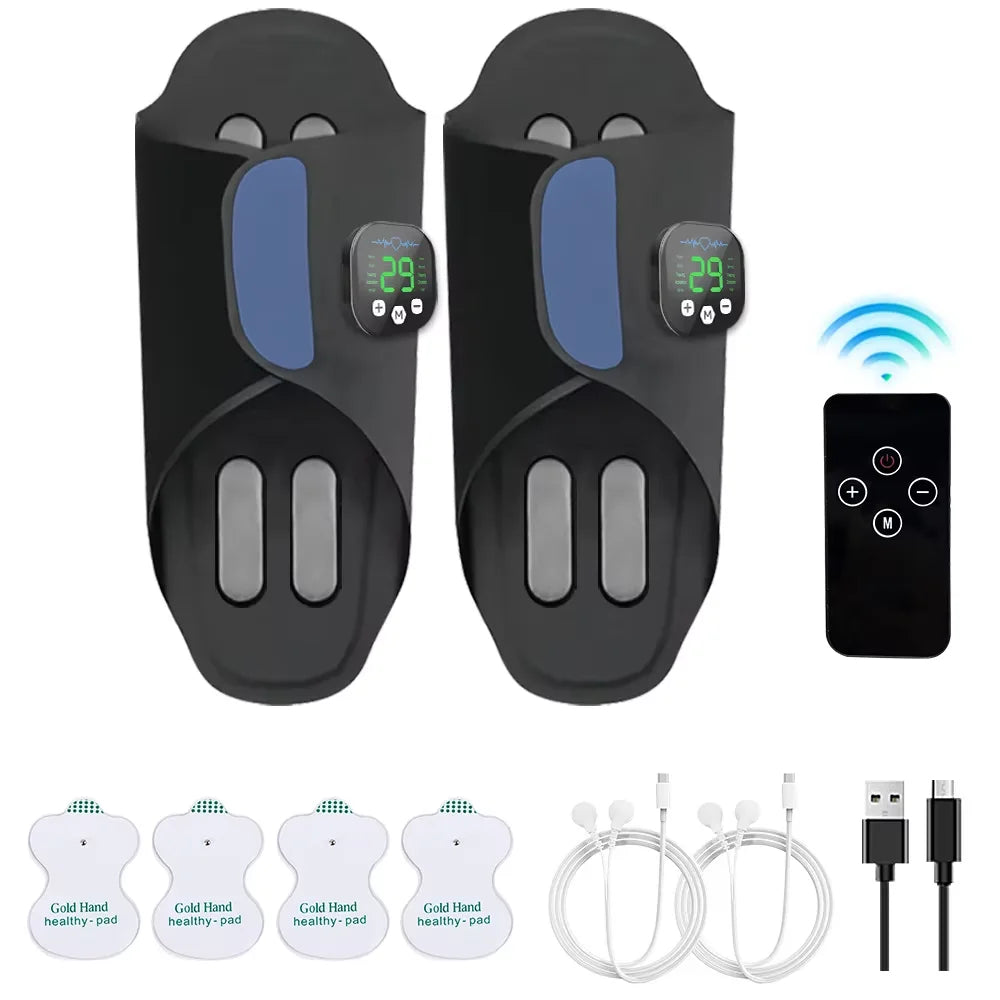
See pressure point foot massage techniques that help relax tired feet and improve daily comfort.
When to Avoid Foot Massage
Delay foot pressure point massage if you have an open wound, skin infection, recent fracture, severe sprain, significant swelling, unexplained redness, or intense pain. People with diabetes, peripheral neuropathy, blood-clotting disorders, severe circulatory disease, or other medical conditions affecting the feet should consult a healthcare professional before beginning a massage routine. Stop immediately if massage causes sharp pain, numbness, dizziness, or worsening symptoms instead of temporary relief.
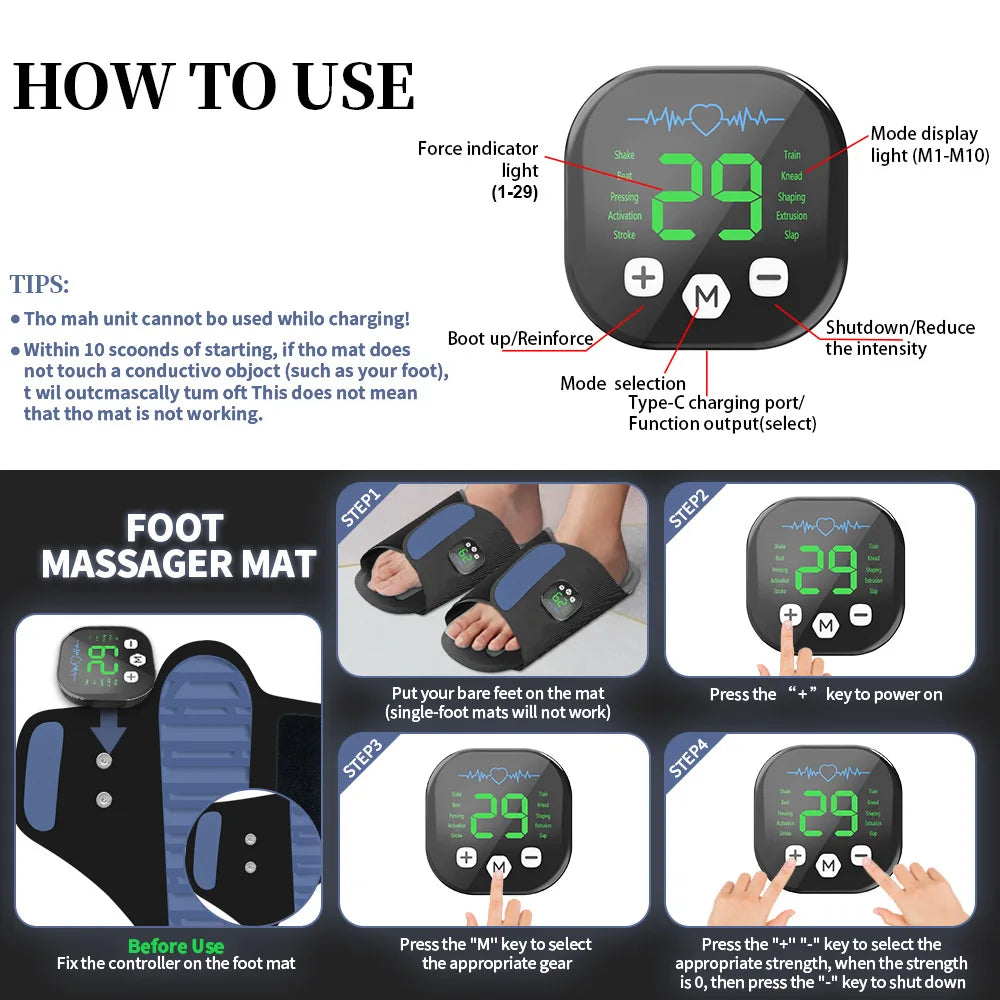
Consistent foot pressure point massage can help maintain flexibility, comfort, and relaxation over time.
Frequently Asked Questions
Do foot massage pressure points really work?
Foot massage pressure points can help reduce muscle tension, improve relaxation, and temporarily ease everyday foot discomfort. While reflexology proposes connections between specific foot areas and internal organs, current scientific evidence most consistently supports its benefits for stress reduction, comfort, and overall well-being rather than treating medical conditions.
How often should I massage foot pressure points?
For general foot health and relaxation, massage your feet two to three times per week. If your feet feel tired after work, sports, or prolonged standing, short daily sessions of 10 to 15 minutes are generally appropriate as long as they remain comfortable.
Can I perform self foot massage every day?
Yes. Most healthy individuals can safely perform self foot massage pressure points every day using moderate pressure. If your feet become sore or tender, reduce the intensity or allow a day of rest before your next session.
How much pressure should I use?
Use firm but comfortable pressure that relaxes the muscles without causing sharp pain. Mild tenderness over tight areas is common, but excessive force may lead to bruising or increased soreness. Let your comfort level guide the amount of pressure you apply.
When should I stop a foot massage?
Stop immediately if you experience severe pain, numbness, dizziness, increased swelling, or worsening symptoms. Seek medical advice if discomfort persists or if you have an underlying medical condition that affects circulation, sensation, or healing.
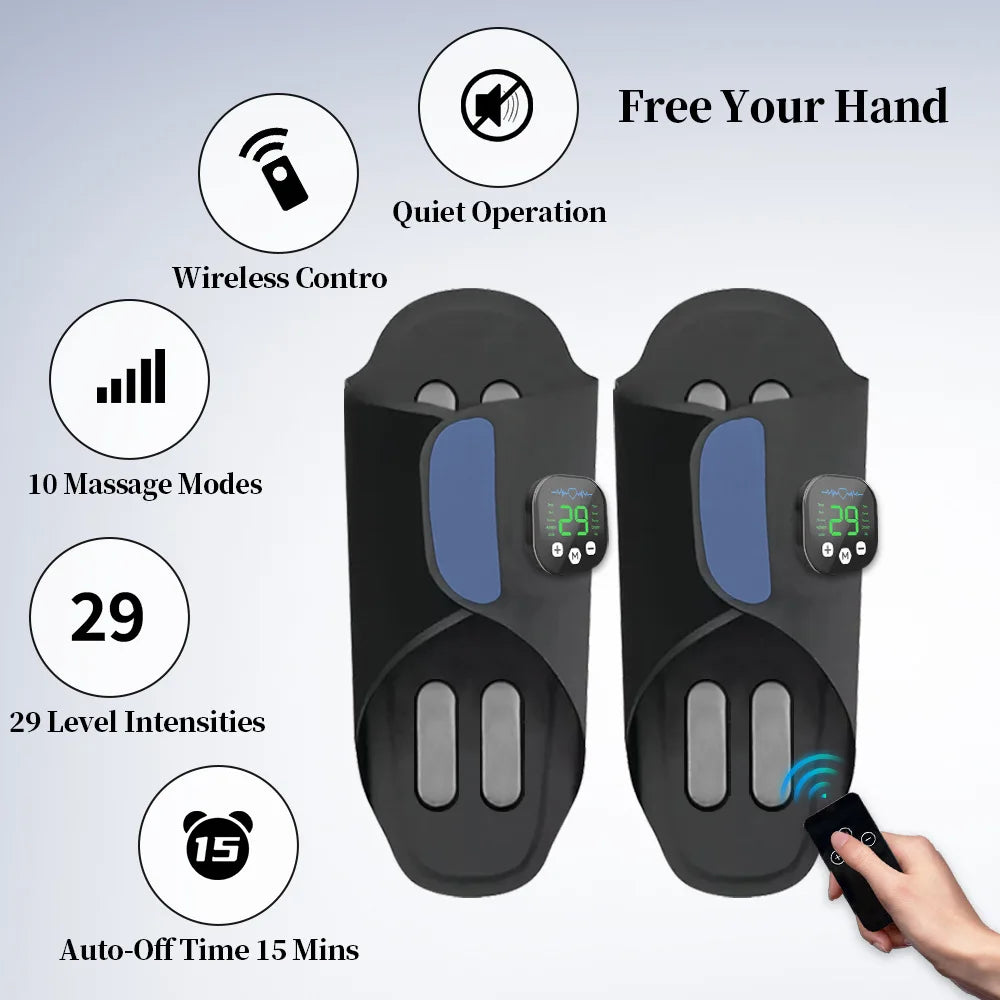
Choose the right self-massage tool to make foot pressure point massage more comfortable and consistent.
For those who prefer a hands-free approach, massage tools can help maintain a regular foot care routine while delivering even pressure across the sole. Select a tool based on your comfort level, the areas you want to target, and how much control you prefer during each session.
The KentDO Plantar Foot Massager Pad is designed to provide gentle, full-foot stimulation for home use. It offers consistent pressure across multiple areas of the foot, making it a convenient option for relaxing tired feet after work, exercise, or prolonged standing.
Regular use of massage tools can complement manual techniques for everyday foot comfort.
- Foot rollers: Suitable for stretching the arch and gently massaging the plantar fascia.
- Massage balls: Ideal for applying targeted pressure to small, tight areas.
- Massage pads: Provide broad, even stimulation with minimal effort.
- Acupressure mats: Offer widespread sensory stimulation that many people find relaxing after long periods on their feet.
Related Guide: Electric Foot Massager Comparison: Which One Fits Your Needs













