

How to Prevent Goggle Fogging Step by Step for Clear Ski Days
⏱ 7 min read
Clear vision on the slopes starts long before your first descent. If your ski goggles keep fogging up, the cause is usually trapped moisture, restricted airflow, or incorrect lens care—not simply bad weather. With a few simple adjustments before and during your run, you can keep your lenses clearer, ski more confidently, and spend less time stopping to deal with fog.
Quick Fix: How to Keep Ski Goggles From Fogging Fast
30-Second Fix Before You Ski
- Start with completely dry goggles and a dry face before putting them on.
- Wear your goggles before sweat begins to build during boot packing or walking.
- Check that helmet padding, hats, or clothing are not blocking the ventilation ports.
- Position your face mask below your nose or choose a breathable design that directs warm air away from the lenses.
Mid-Run Fix If Goggles Fog
- Never wipe the inside of the lens, as this can permanently damage the anti-fog coating.
- Lift the goggles slightly away from your face for a few seconds to restore airflow without fully removing them.
- Pause in a shaded, well-ventilated area to let trapped moisture escape naturally.
- Reduce your pace briefly if overheating or heavy sweating is causing excess humidity inside the goggles.

Prevent goggle fogging starts before your first run — See it in action
Why Do Ski Goggles Fog Up? (The Real Science Explained Simply)
Ski goggles fog because warm, humid air becomes trapped inside the lens chamber. When that moisture contacts the colder inner lens surface, it condenses into tiny water droplets that scatter light and reduce visibility.
Three conditions create the perfect environment for fogging:
- Body heat: Physical activity raises your skin temperature inside the goggles.
- Moisture: Sweat and exhaled breath increase humidity around the lenses.
- Cold exterior temperatures: The outer lens cools rapidly, creating the temperature difference needed for condensation.
It's also helpful to identify where the moisture appears. Fog on the inside of the lens is usually caused by trapped humidity and poor ventilation, while moisture on the outside often comes from falling snow, rain, or changing weather conditions. Knowing the difference helps you choose the right solution instead of treating every visibility issue the same way.
Many skiers assume persistent fogging means they need new goggles. In reality, the problem is often caused by blocked vents, overheating, wet face coverings, or improper lens handling. Improving airflow and moisture control typically delivers better results than relying on temporary fixes alone.
How to Keep Ski Goggles From Fogging (Step-by-Step Guide)
Step 1: Start Dry
One of the easiest ways to prevent fogging is to begin with dry equipment and dry skin. If you've been hiking, carrying gear, or waiting in a lift line, allow sweat to evaporate before putting your goggles on. Starting dry reduces the amount of moisture trapped inside the lens chamber.
Step 2: Manage Heat and Sweat
Overheating creates humidity inside your goggles faster than the vents can remove it. Regulating body temperature throughout the day helps keep condensation under control.
- Open your jacket slightly while riding the chairlift if you feel overheated.
- Briefly loosen your goggles during long lift rides to encourage airflow without removing them completely.
- Avoid directing your breath upward into the goggles.
- Choose breathable face coverings that vent warm air away from the lens.
Step 3: Maximize Ventilation
Proper airflow is one of the most effective ways to keep your ski goggles from fogging up. Modern goggles rely on ventilation channels to move humid air out while drawing cooler, drier air inside.
- Brush away snow that blocks ventilation ports.
- Make sure your helmet doesn't cover the upper or side vents.
- Avoid hats or hoods that restrict airflow around the frame.
- Use a helmet and goggle combination designed to fit together without sealing off ventilation.
Step 4: Never Wipe the Inner Lens
The inside lens is coated with a delicate factory-applied anti-fog treatment. Wiping it—even with a soft microfiber cloth—can gradually damage the coating. If moisture develops inside the goggles, remove them carefully and allow them to air-dry naturally before using them again.
Step 5: Choose the Right Lens Technology
If you're wondering how to make ski goggles not fog, the lens design matters just as much as good habits. Modern goggles combine several technologies to reduce condensation in changing mountain conditions.
- Double-pane lenses: Create an insulating air gap that minimizes temperature differences between the inner and outer lens.
- Factory anti-fog coatings: Help spread moisture into a thin film instead of visible droplets.
- Engineered ventilation systems: Continuously circulate air to remove humid air before condensation forms.
If fogging persists despite proper care and ventilation, the anti-fog coating may have worn down over time or the goggles may no longer provide adequate airflow for your skiing style.
Best Anti-Fog Solutions for Ski Goggles
Anti-Fog Sprays vs Factory Coatings
Anti-fog sprays can provide short-term improvement, particularly for older goggles whose original coating has begun to wear away. However, factory-applied coatings are typically more durable, more consistent, and specifically engineered for the lens material. Always verify that any aftermarket spray is compatible with your goggles before applying it.
Double-Lens vs Single-Lens Goggles
Double-lens goggles generally outperform single-lens designs because the insulating air gap slows temperature transfer. This reduces condensation and delivers more reliable visibility during cold weather, changing temperatures, and high-exertion skiing.
When to Replace Worn Anti-Fog Coatings
If your goggles begin fogging even after proper cleaning, ventilation, and drying, the anti-fog coating may have reached the end of its lifespan. Frequent wiping of the inner lens, years of use, or improper storage can all reduce coating performance. Replacing aging goggles is often more effective than repeatedly applying temporary treatments.
Do Anti-Fog Ski Goggles Really Work in Real Conditions?
Yes—but no anti-fog technology can completely overcome trapped moisture or poor ventilation. Anti-fog coatings, dual-pane lenses, and efficient vent systems work best when combined with proper temperature management, careful lens handling, and a well-fitted helmet and face covering.
| Feature | Helps Prevent Fog |
|---|---|
| Dual-layer lenses | ✅ Yes |
| Magnetic lens seal | ✅ Yes |
| Inner lens wiping | ❌ No |
| Blocked vents | ❌ No |
The clearest vision comes from combining quality lens technology with smart habits that keep heat, moisture, and airflow in balance throughout the day.
Why Foggy Ski Goggles Reduce Safety and Visibility
Clear vision is essential for reading terrain, judging speed, and reacting to changing snow conditions. When ski goggles fog, the tiny water droplets on the lens scatter light, reducing contrast and making bumps, ice patches, and trail features more difficult to identify.
Limited visibility doesn't just affect comfort—it can also increase mental fatigue as your eyes work harder to interpret the terrain ahead. In flat light, wooded trails, or variable snow conditions, even a small amount of lens fog can reduce confidence and slow reaction time.
- Delayed edge control when approaching turns or uneven snow.
- Difficulty spotting terrain changes, moguls, and icy patches.
- Reduced confidence on steeper slopes or unfamiliar runs.
- Greater crash risk in low-contrast or low-light conditions.
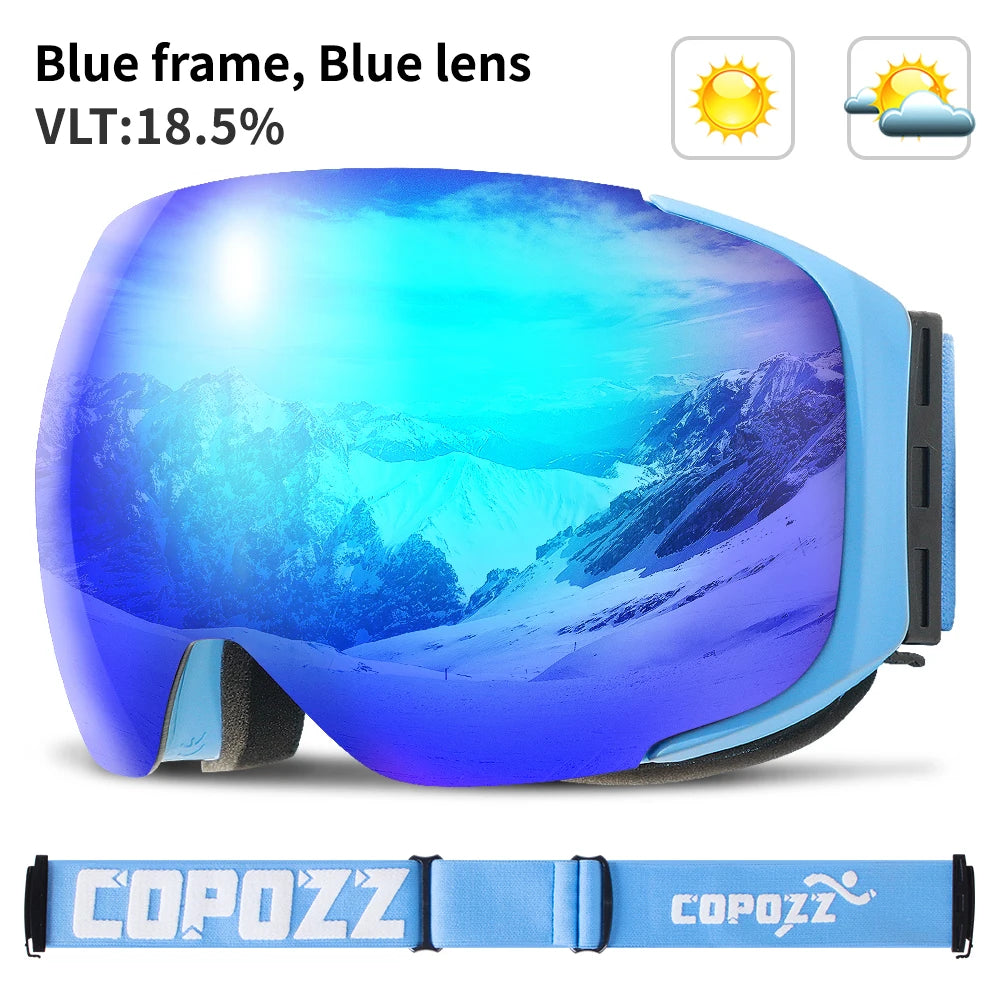
How to prevent goggle fog starts with airflow awareness — See it in action
Common Mistakes That Cause Ski Goggles to Fog
Even premium goggles can fog if everyday habits allow moisture to build up or reduce ventilation. Avoiding these common mistakes is one of the simplest ways to stop goggles from fogging throughout the day.
- Wiping or rubbing the inside of the lens, which damages the anti-fog coating.
- Resting goggles on your forehead during breaks, allowing sweat to collect inside the frame.
- Putting goggles on while your helmet, hat, or face covering is damp.
- Overheating before your first run, creating excess humidity inside the goggles.
- Blocking ventilation ports with snow, clothing, or poorly fitting accessories.
- Wearing a face mask that directs warm breath upward toward the lens.
- Storing goggles in a cold, damp bag instead of letting them dry completely.
- Touching the inner lens unnecessarily during cleaning or transport.
How Weather Conditions Affect Goggle Fogging
Changing mountain weather affects how quickly condensation develops. Adjusting your clothing, ventilation, and pace to match the conditions can significantly improve visibility.
Cold Powder Days
Cold air increases the temperature difference between your face and the lens, making condensation more likely if moisture becomes trapped.
- Keep balaclavas and face coverings as dry as possible.
- Minimize warm breath escaping upward into the goggles.
- Avoid removing goggles unnecessarily in blowing snow.
Wet Snow or Rain
High moisture levels make it harder for ventilation systems to remove humidity efficiently.
- Use a helmet with effective ventilation channels.
- Take short airflow breaks when safe to release trapped moisture.
- Brush snow away from vents whenever it accumulates.
Spring Skiing
Warmer temperatures often increase sweating, creating humidity inside the goggles long before condensation becomes visible.
- Dress in lighter layers to avoid overheating.
- Open jacket vents early rather than waiting until you're too warm.
- Encourage continuous airflow during lift rides.
High Humidity and Heavy Sweating
Humid weather and high-intensity skiing create the most challenging conditions for anti-fog systems because moisture builds faster than it can escape.
- Reduce intensity briefly if excessive sweating begins.
- Choose goggles with generous ventilation and dual-pane lenses.
- Adjust clothing layers throughout the day to maintain a comfortable body temperature.
- Keep face coverings dry by replacing or drying them when they become saturated.
Helmet, Face Mask, Fit, and Ventilation
Your helmet, goggles, and face covering should function as a single system. Even high-quality ski goggles can fog if warm, humid air becomes trapped because of poor fit or restricted ventilation.
Choosing Compatible Helmets and Goggles
A properly matched helmet and goggle combination helps maintain consistent airflow while creating a comfortable seal around your face. Equipment that doesn't fit together correctly can block vents or create gaps that direct moist air onto the inner lens.
- Poor helmet fit: May cover ventilation channels and restrict airflow.
- Incorrect face mask positioning: Allows warm breath to flow upward into the goggles.
- Loose goggle fit: Traps warm, humid air instead of allowing efficient ventilation.
- Overly tight accessories: Hats, hoods, or helmet liners can compress vents and reduce airflow.
Before heading onto the slopes, check that your goggles sit evenly against your face, helmet vents remain unobstructed, and your face covering directs exhaled air downward rather than toward the lens.
Lens Care and Maintenance to Prevent Long-Term Fogging
Cleaning Dos and Don'ts
Proper maintenance preserves the factory anti-fog coating and extends the life of your goggles. Small cleaning mistakes can permanently reduce anti-fog performance.
- Clean only the outer lens with a clean microfiber bag or cloth.
- Never rub or wipe the inside lens unless the manufacturer specifically recommends it.
- Allow snow or moisture inside the goggles to dry naturally before handling.
- Avoid harsh household cleaners or abrasive materials.
Proper Drying and Storage
Dry storage is just as important as proper cleaning. Moisture left inside the goggles after skiing encourages recurring fogging during your next outing.
- Air-dry goggles completely after every ski day.
- Store them in a warm, dry location instead of a sealed damp gear bag.
- Transport goggles in a protective microfiber pouch to reduce scratches.
- Replace your goggles once the anti-fog coating no longer performs effectively despite proper care.
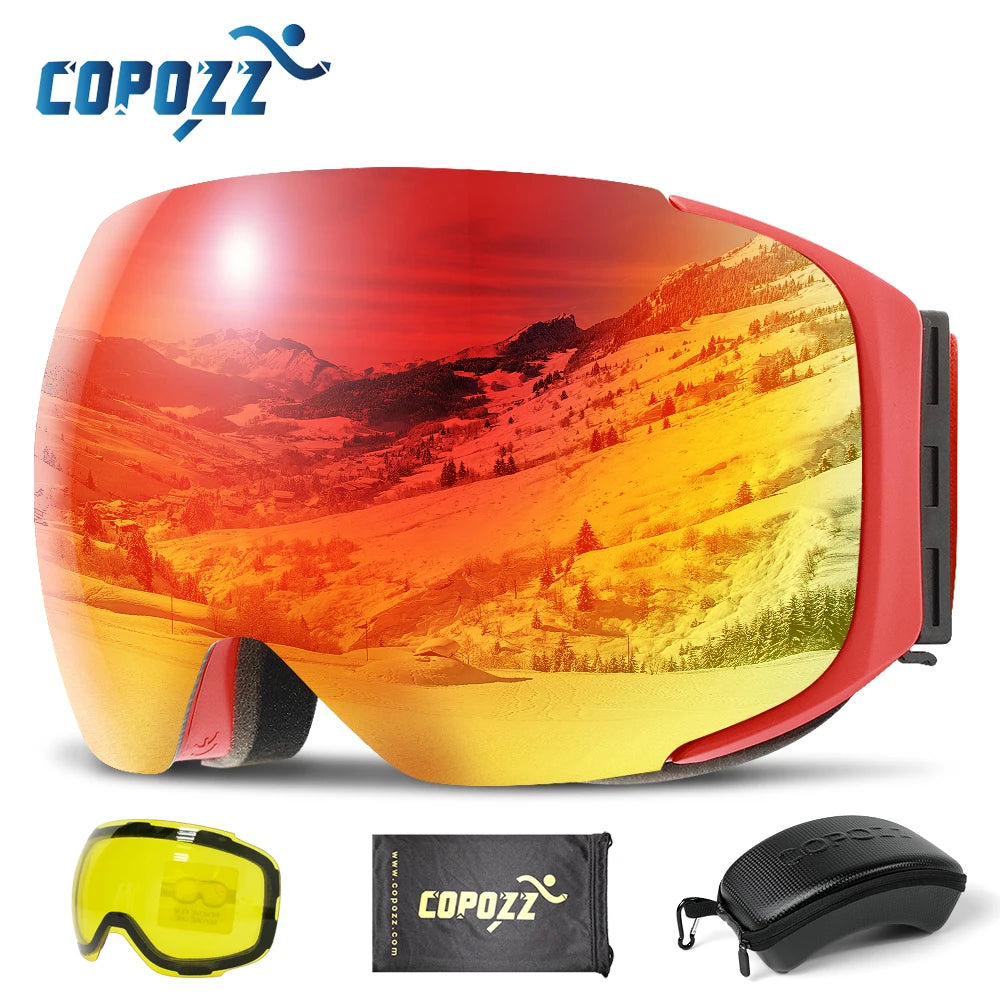
Prevent goggle fogging with confidence — See it in action
Quick Answers: How to Stop Ski Goggles From Fogging (FAQ)
Why do my snow goggles fog up instantly?
Instant fogging usually occurs when warm, humid air from your breath or sweat becomes trapped inside the goggles. Poor ventilation, blocked vents, overheating, or a face covering that directs air upward are the most common causes.
How to stop goggles fogging permanently?
No ski goggles are completely fog-proof in every condition. However, you can prevent fogging in most situations by using double-lens goggles, maintaining clear ventilation, managing body heat, keeping your face covering dry, and protecting the factory anti-fog coating.
Can I use anti-fog spray safely?
Yes, provided the spray is designed for ski goggles and is compatible with your lens. Follow the manufacturer's instructions carefully, and never apply products to the inner lens unless the manufacturer specifically approves it.
How to keep snow goggles from fogging with a face mask?
Wear a breathable face mask that directs exhaled air downward instead of upward toward the goggles. Position the top edge of the mask below your nose or choose a vented design that reduces warm airflow into the lens chamber.
Why do my ski goggles fog up even with anti-fog coating?
Anti-fog coatings reduce condensation but cannot overcome excessive moisture. Heavy sweating, blocked vents, poor helmet compatibility, or a worn coating can still lead to fogging.
Should I wear my goggles on my forehead during breaks?
It's best to avoid it. Resting goggles on your forehead allows sweat to transfer to the foam and inner lens, increasing the chance of fogging when you put them back on.
Can I use dish soap or shaving cream on ski goggles?
These household remedies are not recommended for modern ski goggles. They may interfere with factory-applied anti-fog coatings or leave residue that affects optical clarity.
How do I dry ski goggles after skiing?
Allow the goggles to air-dry naturally in a warm, dry place. Avoid direct heat sources such as hair dryers or heaters, and do not wipe the inside lens while it is wet.
Do double-lens ski goggles fog less than single-lens models?
Yes. Double-lens designs create an insulating air gap that reduces temperature differences across the lens, making condensation less likely during cold-weather skiing.
How can I stop ski goggles from fogging when wearing a face mask?
Choose a breathable mask, ensure it fits comfortably below the goggles, and adjust it so your breath is directed downward rather than toward the lens.
When should I replace ski goggles with worn anti-fog coatings?
If your goggles continue to fog despite proper cleaning, drying, and ventilation, and the inner coating has become worn or damaged, replacing the goggles is often the most reliable long-term solution.
Does helmet fit affect ski goggle fogging?
Yes. A properly matched helmet and goggle combination keeps ventilation channels open and helps maintain consistent airflow. Poor compatibility can block vents and trap warm, moist air inside the goggles.













