

Do insoles really help prevent injuries?
Properly fitted insoles can help reduce injury risk by improving foot alignment, absorbing impact, and distributing pressure more evenly across the feet. While they cannot prevent every injury, they often reduce stress on the ankles, knees, hips, and lower back when paired with supportive footwear and healthy movement habits.
How proper insole setup supports foot alignment
A quality insole should sit flat inside the shoe, keep the heel securely positioned, and support the natural shape of your arch. When the insole matches both your foot and your shoe correctly, it helps stabilize your gait and minimizes unnecessary foot movement that can contribute to overuse discomfort.
Proper alignment may also help reduce foot pain with insoles by limiting excessive pronation or supination, decreasing pressure on joints during walking, standing, or running.
Can insoles reduce injury risk in everyday use?
Yes—insoles can reduce injury risk for many people by improving comfort and stability during daily activities. They are especially beneficial if your factory insoles are worn out or provide little cushioning.
However, insoles are only one part of injury prevention. Shoes that have lost cushioning, poor walking mechanics, excessive training, or untreated medical conditions can still contribute to pain. Think of replacement insoles as a way to enhance proper footwear—not replace it.
How Should Insoles Fit? Complete Guide to Sizing, Placement, and Comfort
⏱ 6 min read
Knowing how should insoles fit is one of the simplest ways to improve everyday comfort and reduce unnecessary strain on your feet. A correctly fitted insole supports your natural foot shape, stays securely in place, and works together with your shoes to provide lasting stability. Whether you're replacing worn factory inserts or upgrading for better cushioning, proper sizing and placement make all the difference.
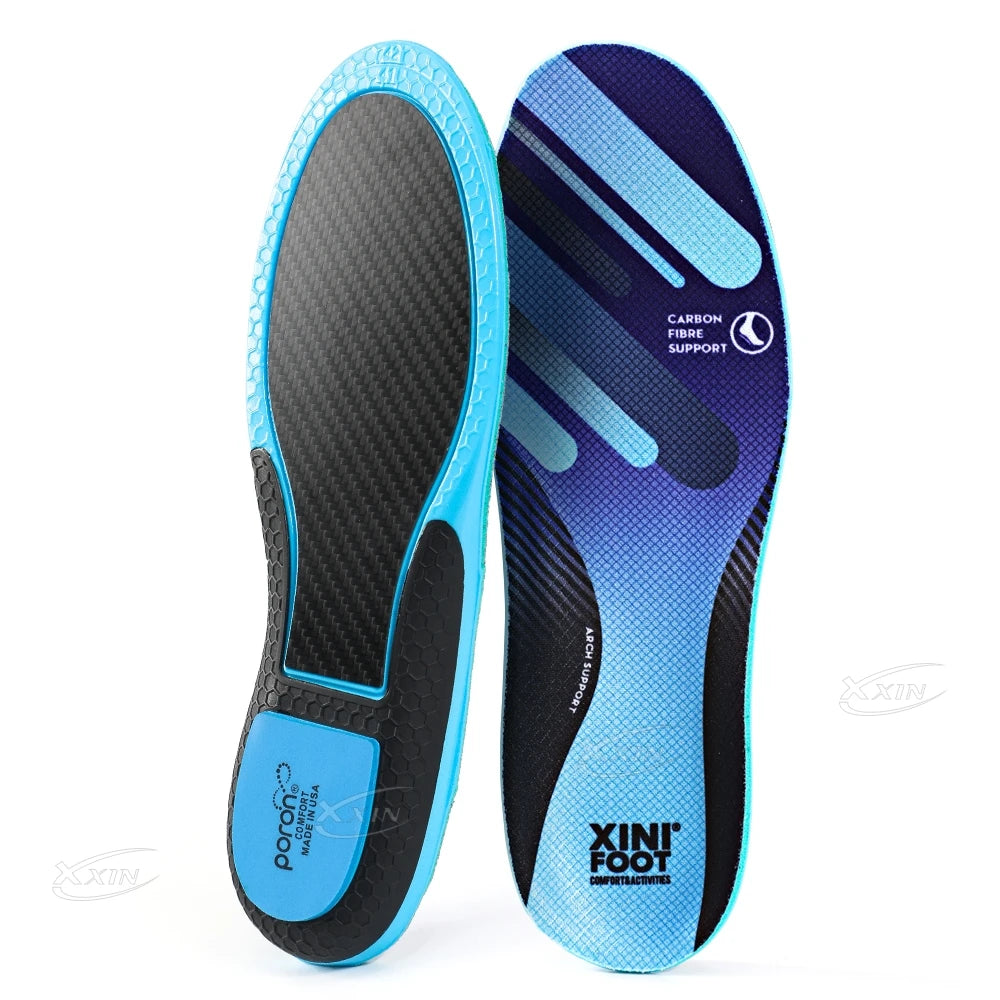
Proper fit is the foundation for comfortable, supportive insoles.
How should insoles fit inside your shoes?
The best insole fit for comfort allows the insert to sit flat from heel to toe without curling, bunching, or shifting. The heel cup should align with the back of the shoe, while the forefoot should provide full coverage without squeezing your toes.
Should insoles match shoe size?
In most cases, replacement insoles should match your shoe size rather than your measured foot length. Manufacturers typically design insoles to fit standard shoe dimensions, making installation easier and reducing the need for trimming.
If you're between sizes, choose the larger option and trim gradually if necessary.
Insole length vs foot length explained
Your foot should sit naturally on the insole with a small amount of toe clearance at the front. The insole should cover the full interior of the shoe from heel to toe while maintaining edge-to-edge contact without lifting.
A proper fit includes:
- Heel seated fully inside the heel cup
- Full arch support beneath your foot
- Slight toe clearance without crowding
- No gaps around the edges
- No sliding during walking
Step-by-step guide to fitting insoles correctly
Remove the factory insole first
Unless the manufacturer specifically recommends otherwise, remove the original removable insole before installing a replacement. Stacking insoles often reduces shoe volume and creates unwanted pressure.
Trim replacement insoles if needed
If trimming is necessary, use the original factory insole as a template. Mark the outline and remove only a few millimeters at a time. Test the fit after each adjustment instead of trimming all at once.
Test fit while standing and walking
After inserting the insole:
- Stand evenly on both feet.
- Walk indoors for several minutes.
- Check that your heel stays secure.
- Confirm there is no toe crowding.
- Make sure the insole remains flat without shifting.
This simple walk test is one of the most effective ways to confirm proper insole setup.
When should you trim insoles and when should you not?
Safe trimming tips
Trim only if the insole extends beyond the front or sides of your shoe. Use sharp scissors, cut conservatively, and smooth any rough edges before reinstalling.
You likely do not need trimming if the insole:
- Sits completely flat.
- Fits snugly from heel to toe.
- Does not wrinkle or buckle.
- Leaves comfortable room for your toes.
- Stays securely in place during walking.
Signs your insoles do not fit properly
Too long
An insole that is too long may curl upward near the toes, causing pressure and discomfort.
Too short
If the insole leaves a gap beneath your heel or forefoot, your foot may lack adequate support and stability.
Too wide or too narrow
Edges that fold upward or exposed shoe footbeds indicate improper width, which can lead to friction and hot spots.
Too thick for the shoe
Thick insoles may reduce shoe volume enough to create heel slippage, toe crowding, or pressure across the top of the foot.
How insole fitting differs by shoe type
Running shoes
Running shoes generally have more removable volume and benefit from lightweight cushioning that maintains natural movement.
Walking shoes
Walking shoes prioritize consistent support for long periods of standing and daily activity, making full-length replacement insoles a popular option.
Work boots
Work boots often require firmer support and durable cushioning that can withstand extended standing on hard surfaces. Ensure the boot still provides enough room after installing replacement insoles.
Casual shoes
Casual shoes vary greatly in interior volume. Low-profile insoles usually fit better in slimmer footwear without compromising comfort.
Common insole fitting mistakes to avoid
- Stacking replacement insoles over factory insoles.
- Choosing a size by guesswork instead of checking the manufacturer's sizing guide.
- Ignoring limited shoe volume.
- Skipping a walking test after installation.
- Over-trimming an insole that cannot be restored.
- Continuing to use worn-out shoes that no longer provide structural support.
How long does it take to break in new insoles?
Most people adjust to new insoles within several days to two weeks, depending on the level of support and how often they are worn.
A gradual break-in schedule often works best:
- Day 1–2: Wear for 1–2 hours.
- Day 3–5: Increase to several hours.
- After one week: Wear for normal daily activities if comfortable.
Mild muscle awareness is normal during the adjustment period. However, persistent pain, numbness, severe pressure points, or worsening discomfort may indicate the insoles do not fit correctly or are not appropriate for your footwear.
Frequently Asked Questions
Should insoles match the original insole size?
Yes. Using the original removable insole as a reference provides the most accurate fit for replacement insoles.
Should insoles match shoe size exactly?
Generally yes. Most replacement insoles are designed around standard shoe sizing. If you're between sizes, choose the larger option and trim carefully if needed.
Can you wear replacement insoles over factory insoles?
Usually no. Removing the original removable insole provides better fit, stability, and available shoe volume.
How much space should be left at the toe?
Your toes should have a small amount of comfortable clearance without sliding excessively or touching the end of the shoe.
How do you know if an insole is too big?
Signs include curling at the front, buckling along the edges, movement inside the shoe, or noticeable toe pressure.
Can insoles reduce injury risk if they fit correctly?
Yes. Properly fitted insoles may improve alignment, cushioning, and stability, helping reduce stress on joints and lowering the likelihood of some overuse injuries.
Can worn out shoes cause knee pain even with new insoles?
Yes. Insoles cannot fully compensate for shoes that have lost their structure or cushioning. Replacing worn-out footwear is often just as important.
Do all insoles need to be trimmed?
No. Many replacement insoles are available in precise sizes and fit without modification. Trim only when the manufacturer recommends it or when the insole extends beyond the shoe interior.













