How to Keep Toes Warm Outdoors: Quick Answer
If you're wondering how to keep toes warm outdoors , the most effective approach is to build a complete heat-retention system rather than relying on thick socks alone. Start with dry, moisture-wicking socks, wear insulated boots that leave enough room for your toes to move, keep your core warm to support circulation, and stay active whenever possible. Supplemental options like heated socks, thermal insoles, gaiters, and disposable foot warmers can provide additional warmth during prolonged exposure to cold.
The best strategy depends on the weather and your activity level. Dry, cold conditions require effective insulation, while wet or snowy environments demand waterproof protection and moisture management. Hikers, outdoor workers, hunters, and commuters each benefit from slightly different combinations of footwear, layering, and movement.
How to Keep Toes Warm Outdoors (Complete Guide for Winter Comfort)
⏱ 7 min read
Ever step outside only to feel your toes go numb before you reach the end of the block? Keeping toes warm outdoors isn't about piling on heavier boots—it's about understanding why your feet lose heat and fixing the real causes. This complete guide explains how to prevent cold toes outdoors using proven layering, circulation, and footwear strategies that work in real winter conditions.
Which small change would help you most today? Understanding why your feet lose heat makes it much easier to choose the right solution.
Layer smarter to stop numb toes in cold weather — See it in action.
Why Do Toes Get Cold So Fast Outdoors?
The science of heat loss: circulation, moisture, and insulation
Toes are especially vulnerable because they sit at the farthest point from your heart. In cold weather, your body naturally narrows blood vessels in the hands and feet to conserve heat for vital organs. Reduced circulation means your toes receive less warm blood, making them one of the first areas to become cold or numb.
Three major factors determine how quickly your feet lose heat outdoors:
- Reduced circulation: Low temperatures, standing still, and tight footwear decrease blood flow to the toes.
- Moisture buildup: Sweat or melting snow trapped inside boots increases evaporative heat loss, even in insulated footwear.
- Insufficient insulation: Cold ground, wind, and poorly insulated boots pull heat away from your feet through conduction and convection.
Many people mistakenly wear extra-thick socks inside boots that are already snug. This compresses insulation and restricts circulation, often making numb toes in cold weather even worse. Proper fit is just as important as insulation.
Step-by-Step System for Keeping Toes Warm Outdoors
Start with dry, moisture-wicking socks
The first layer should move sweat away from your skin. Merino wool performs exceptionally well because it insulates even when slightly damp and naturally regulates temperature. High-quality synthetic performance socks also dry quickly during high-output activities.
Choose the right sock thickness and material
More insulation is not always better. Match sock thickness to your boots rather than selecting the thickest pair available. Your toes should still move freely inside the boot to maintain healthy circulation.
- Thin wool socks: active hiking and winter walking.
- Medium-weight wool socks: everyday winter use.
- Heavy wool socks: stationary outdoor activities when boots provide enough room.
Wear properly fitted insulated boots
Insulated boots should provide warmth without squeezing your feet. Look for waterproof materials, adequate insulation for expected temperatures, and enough toe-box space to preserve circulation.
Block wind, snow, and moisture with gaiters
Gaiters prevent snow, slush, and cold air from entering the top of your boots. They are especially useful during hiking, snowshoeing, and deep winter conditions where moisture can quickly reduce insulation performance.
Insulate your feet from cold ground
Cold surfaces rapidly pull heat from your feet. Thermal insoles create an additional barrier between your boots and frozen ground, helping reduce conductive heat loss during prolonged standing or camping.
How to Keep Toes Warm Through Movement and Circulation
Keep moving to maintain blood flow
Walking, flexing your toes, rotating your ankles, and occasionally climbing stairs all help restore circulation before your feet become painfully cold.
Your body protects the torso first. If your jacket or mid-layer isn't warm enough, circulation to your extremities decreases sooner. Keeping your chest and abdomen warm often improves foot comfort without changing your footwear.
Use simple circulation techniques during breaks
If you spend long periods standing outside, try these quick circulation boosters:
- Lift your heels repeatedly.
- Flex and spread your toes inside your boots.
- Take short walking breaks every 20–30 minutes.
- Avoid standing directly on frozen concrete whenever possible.
How to Choose Warm Socks and Boots for Different Outdoor Conditions
Cold and dry weather
Breathable insulated boots combined with wool socks are often sufficient for keeping feet warm outdoors in dry winter conditions.
Wet, snowy, or slushy conditions
Waterproof boots become much more important when snow or slush is present. Pair them with moisture-wicking socks and gaiters to prevent water from entering from above.
High-activity hiking and walking
Active movement generates heat. Choose breathable footwear that allows moisture to escape rather than heavily insulated boots that trap excessive sweat.
Cold-weather work and prolonged standing
Workers, hunters, photographers, and spectators generate less body heat than hikers. Heavier insulation, thermal insoles, and supplemental foot warmers are often worthwhile during extended periods of inactivity.
What to Do When Your Toes Are Already Cold or Numb
Move to a warmer environment
If possible, get indoors or out of the wind before attempting to warm your feet.
Remove wet footwear and socks
Replace damp socks immediately. Even premium insulation performs poorly once moisture accumulates.
Rewarm gradually and safely
Use warm—not hot—water, dry socks, and blankets. Avoid placing numb feet directly against heaters, fireplaces, or heating pads because reduced sensation increases the risk of burns.
Know the signs of cold injury
If skin becomes pale, hard, waxy, blistered, or remains numb after rewarming, seek prompt medical evaluation. These symptoms may indicate frostbite or another cold-related injury.
When to Use Foot Warmers, Heated Socks, and Thermal Insoles
Passive foot warmers
Disposable air-activated warmers work well for winter events, hunting, and prolonged standing. Position them according to the manufacturer's instructions to avoid restricting circulation.
Heated socks
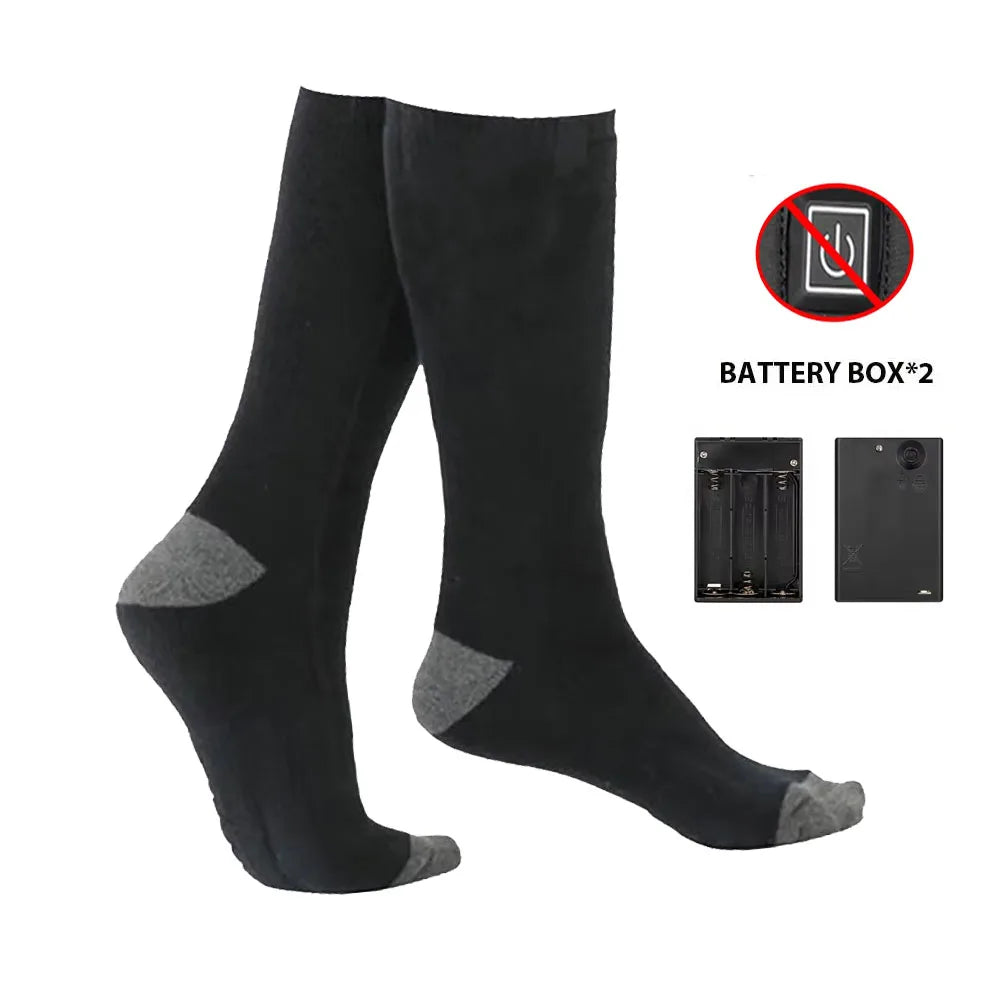
Battery-powered heated socks provide adjustable warmth during long periods outdoors. They're particularly useful for people with naturally poor circulation or those spending hours in freezing temperatures. They work best when combined with properly fitted boots—not as a substitute for quality footwear.
Thermal insoles
Thermal insoles reduce heat loss through the sole of the boot and improve comfort on frozen ground. They are lightweight additions that complement insulated footwear without significantly affecting fit.
How to Keep Toes Warm for Hiking, Work, Hunting, Camping, and Walking
Best approach for hiking and active walking
Use moisture-wicking socks, breathable insulated boots, and adjust layers to prevent excessive sweating.
Best approach for outdoor work and prolonged standing
Add thermal insoles, heavier insulation, and scheduled movement breaks whenever possible to maintain circulation.
Best approach for hunting and camping
Because activity levels are low, prioritize boot insulation, dry socks, gaiters, and supplemental foot warmers for extended stationary periods.
Best approach for winter errands and everyday walking
For commuting and casual outdoor use, focus on properly fitted insulated footwear, wool socks, and avoiding moisture buildup rather than maximizing insulation.
Common Mistakes That Make Toes Colder Outdoors
- Wearing boots or socks that compress circulation.
- Using cotton socks that retain moisture.
- Ignoring sweaty feet during long outings.
- Depending only on thick socks instead of improving the entire insulation system.
- Standing still for extended periods without movement breaks.
Cold Weather Foot Care and Safety Tips
When persistent numbness needs medical attention
If your toes frequently become numb in mild temperatures or remain numb after warming up, consult a healthcare professional. Underlying circulation or nerve conditions may contribute to recurring symptoms.
Signs of frostbite and serious cold injury
Seek immediate medical care if you notice hard, pale, waxy skin, blisters, severe pain after rewarming, or persistent loss of sensation. Early treatment greatly improves recovery.
FAQ About Keeping Toes Warm Outdoors
Why do my toes get cold even with warm socks?
Warm socks cannot compensate for boots that are too tight, excessive moisture, or poor circulation. The entire footwear system must work together.
What is the best way to keep toes warm outdoors?
Use moisture-wicking socks, properly fitted insulated boots, keep your core warm, stay active, and add heated socks or foot warmers when needed for prolonged exposure.
Are wool socks better than synthetic socks for cold weather?
Merino wool provides excellent insulation and moisture control, while synthetic socks dry faster during high-intensity activities. Both outperform cotton in winter.
Can tight boots cause cold or numb toes?
Yes. Tight footwear reduces circulation and compresses insulating air, often making feet colder despite thicker socks.
How do you keep your toes warm while hiking?
Wear breathable wool or synthetic socks, avoid overdressing your feet, keep moving, and change damp socks during long hikes if necessary.
Do heated socks help with cold toes?
Yes. Heated socks provide consistent supplemental warmth during prolonged cold exposure, especially for outdoor work, hunting, camping, or people with reduced circulation.
How can I warm numb toes safely?
Move to a warm place, replace wet socks, and gradually rewarm your feet using warm—not hot—water or blankets. Avoid direct high heat on numb skin.
When should cold or numb toes be checked by a doctor?
Seek medical evaluation if numbness persists after warming, occurs repeatedly without significant cold exposure, or is accompanied by skin discoloration, blisters, or severe pain.