
Share
Electric Foot Callus Remover Benefits: How They Work, Safety, and Are They Worth It?
Electric foot callus removers are designed to remove hardened dead skin using a rotating abrasive roller, helping improve foot texture and maintain smoother heels at home. When used correctly, they can be a safe and effective option for managing mild to moderate calluses, reducing rough skin buildup, and supporting regular foot care without frequent salon visits.
Tired of frequent salon visits just to keep your heels smooth? A professional electric callus remover for feet offers a practical way to manage rough skin at home. These devices are designed to exfoliate hardened skin safely and efficiently, helping maintain softer heels between pedicures. In this guide, we explore how electric callus removers work, their benefits, safety considerations, and whether they’re worth adding to your foot care routine.
Why Foot Calluses Form and When They Need Removal
What Causes Thick Callused Skin on Feet
Calluses form when the skin repeatedly experiences pressure or friction. Your body responds by thickening the outer layer of skin to protect deeper tissues. This is most common on the heels, balls of the feet, and sides of the big toe where walking or tight shoes create constant stress.
While calluses are a natural protective response, they can become thick and rough over time. Without proper exfoliation, layers of hardened skin build up and may lead to discomfort, dryness, or cracking.
For additional guidance, you may also find our cracked heels treatment guide helpful if recurring dryness and heel fissures are contributing to callus formation.
When Calluses Become a Foot Care Concern
Mild calluses are usually harmless, but excessive buildup can cause issues such as:
- Dry, rough heel skin
- Cracked heels
- Uneven foot texture
- Pressure-related foot discomfort
Regular exfoliation helps remove dead skin before it thickens excessively. Tools like electric callus removers are designed to gradually smooth hardened skin while maintaining the foot's natural protective barrier. If you already experience heel fissures, reading our cracked heels treatment guide can help you choose the right approach.
What Is an Electric Foot Callus Remover?
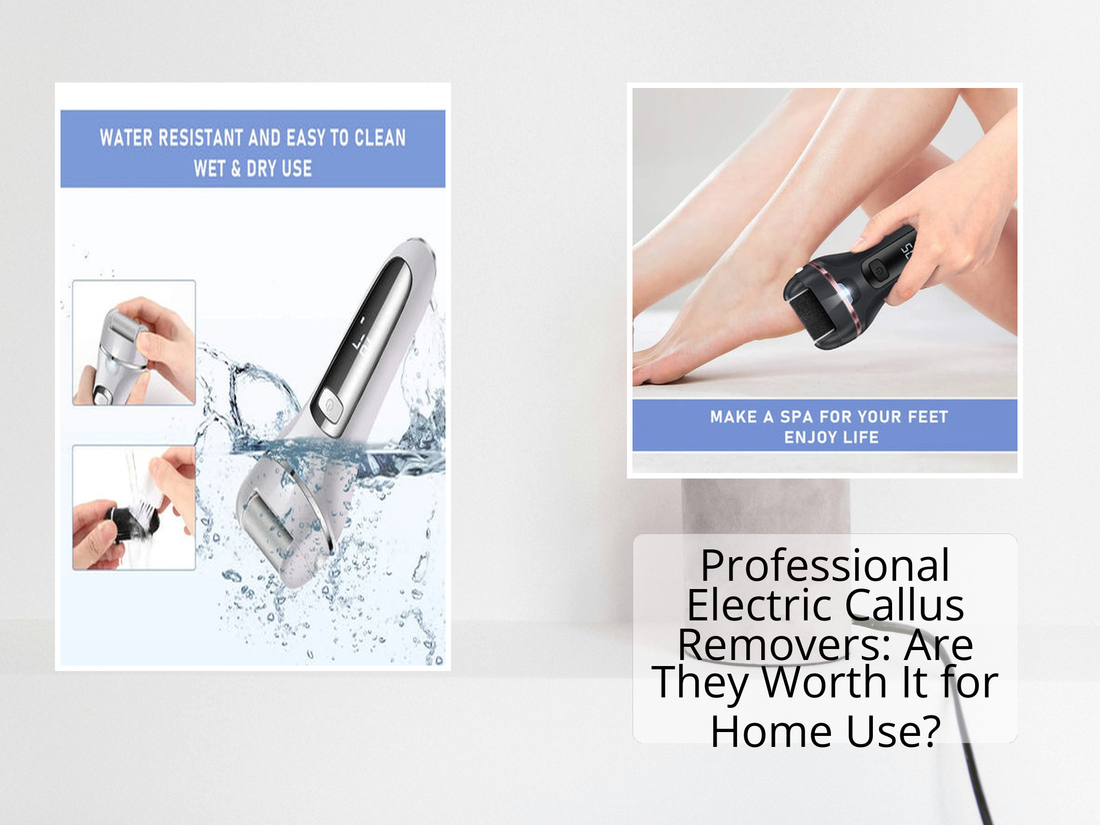
An electric callus remover is a handheld foot care device designed to exfoliate hardened skin using a rotating abrasive roller. Unlike manual pumice stones or metal foot files, these devices use controlled motorized motion to gradually buff away thickened skin.
Take, for example, the Kentdo Electric Foot Callus Remover —a salon-grade pedicure device designed to help smooth rough heels conveniently at home.
Main Parts of an Electric Callus Remover
Most devices include several core components:
- A rotating roller head with exfoliating micro-abrasive particles
- An electric motor that spins the roller
- Multiple speed settings for different skin thickness levels
- Replaceable rollers with varying grit strengths
These features allow users to target stubborn calluses while maintaining control during the exfoliation process.
How Electric Callus Removers Differ From Manual Files
Electric callus removers use powered rotating rollers to gradually remove thickened dead skin, while manual tools rely on hand pressure and repeated movement. The main difference is that electric devices provide more consistent motion, which can make exfoliation easier for people managing stubborn calluses at home.
Manual methods can still be useful for light maintenance, but electric options are often preferred when users want a more controlled and efficient approach to foot care.
How Electric Callus Removers Work
How Rotating Rollers Remove Dead Skin
Electric foot callus removers work by spinning an abrasive roller across thickened areas of skin. The rotating surface gently buffs away excess dead skin cells while helping smooth rough patches commonly found on heels, toes, and the sides of feet.
Unlike sharp scraping tools, most electric models are designed to remove surface buildup gradually, making them easier to control when used correctly.
If you're interested in broader exfoliation techniques, explore our foot exfoliation and skin care resources for additional maintenance strategies.
Why Controlled Exfoliation Matters for Foot Safety
Removing too much skin can leave feet irritated and more sensitive. Electric callus removers are designed to make gradual exfoliation easier, but they still require careful use.
- Avoid staying on one area for too long
- Stop if skin becomes uncomfortable or irritated
- Follow the device instructions for pressure and usage time
Electric Foot Callus Remover Benefits for Foot Care
Smooths Rough Skin and Improves Foot Texture
One of the main electric foot callus remover benefits is improving the appearance and feel of rough, uneven skin. Regular maintenance can help feet feel smoother by reducing accumulated dead skin on common problem areas.
Helps Reduce Thick Callus Buildup
Callus remover use can help manage thick areas of hardened skin caused by repeated pressure and friction. Removing excess buildup may make feet feel more comfortable and easier to maintain.
Supports Better Foot Maintenance at Home
Electric callus removers allow people to maintain their feet between pedicure appointments. For many users, this convenience reduces the need for frequent salon visits while supporting a consistent foot care routine.
Provides Faster Results Than Many Manual Methods
For people with thicker calluses, an electric remover can save time compared with traditional foot files or pumice stones. The powered roller allows users to cover larger areas with less manual effort.
Do Electric Callus Removers Work?
What Results Can Users Realistically Expect?
Electric callus removers can improve the smoothness and appearance of rough feet, but they are not a permanent cure for calluses. Since calluses form from repeated pressure and friction, maintenance may be needed over time.
Dermatology Perspective on Callus Removal
Dermatologists generally agree that controlled exfoliation can help manage callus buildup when performed gently and consistently. Removing the outer layers of dead skin improves comfort and prevents excessive thickening.
When Electric Callus Removers Are Most Effective
Electric callus removers tend to work best for:
- Mild to moderate calluses
- Routine foot maintenance
- Preventing recurring heel roughness
Very thick calluses or painful foot conditions should be evaluated by a podiatrist before attempting home treatment.
Electric vs Manual Callus Removal: Which Works Better?
Electric Callus Remover vs Pumice Stone
Pumice stones are inexpensive and simple, but they require more effort and may take longer to smooth thick skin. Electric removers automate the exfoliation process and typically produce faster results.
Electric Callus Remover vs Foot File
Metal rasps and foot files remove skin quickly but can be aggressive if used incorrectly. Electric rollers remove skin more gradually, making them easier for beginners to control.
Choosing the Right Method Based on Your Foot Condition
- Light roughness: a pumice stone or gentle file may be enough
- Thicker calluses: an electric remover may provide easier maintenance
- Persistent or painful areas: professional evaluation may be more appropriate
| Feature | Electric Callus Remover | Pumice Stone | Foot File |
|---|---|---|---|
| Ease of Use | High | Moderate | Moderate |
| Speed | Fast | Slow | Fast |
| Control for Beginners | Good | Good | Varies |
| Best For | Moderate calluses | Light maintenance | Stubborn buildup |
| Effort Required | Low | High | Moderate |
If you're comparing exfoliation tools in more detail, our foot exfoliation routine and tool comparison guides provide deeper insights into selecting the right option for your needs.
Are Electric Callus Removers Safe?
Safety Tips Before Using an Electric Callus Remover
- Use the device only on areas with thickened skin
- Avoid excessive pressure during use
- Clean the roller after each session
- Moisturize feet afterward to support skin comfort
Who Should Avoid Electric Callus Removal Tools?
People with certain medical conditions should consult a healthcare professional before using callus removal tools. This includes individuals with diabetes, circulation disorders, or very sensitive skin.
Those with specialized foot care needs may also benefit from reviewing educational resources related to diabetic foot care and sensitive skin management before starting a home exfoliation routine.
Signs You Are Removing Too Much Skin
Overuse may cause discomfort or increased sensitivity. Reduce frequency if your feet become irritated, tender, or unusually sensitive after treatment.
How Often to Use an Electric Callus Remover
Recommended Frequency for Different Foot Types
- Mild dryness: once every 2–3 weeks
- Moderate calluses: once every 1–2 weeks
- Maintenance: quick touch-ups as needed
How to Prevent Over-Exfoliation
Avoid treating the same area excessively during a single session. Consistent, moderate maintenance is generally more effective than aggressive skin removal. Pairing exfoliation with regular moisturizing can also help reduce the need for frequent treatments.
For ongoing care, consider incorporating guidance from our foot care and self-care resources into your routine.
Professional Grade Electric Callus Removers: Who Needs One?
People With Thick or Recurring Calluses
Individuals who frequently develop calluses from walking, standing, or wearing tight footwear may benefit from stronger rollers designed for thicker skin.
Active People and Those Standing Often
Runners, hikers, healthcare workers, retail employees, and others who spend long periods on their feet commonly experience pressure-related calluses. Electric removers can help maintain comfort between professional foot care appointments.
When a Home Device May Not Be Enough
Electric callus removers are designed for routine foot maintenance. However, very thick, painful, or recurring foot problems may require advice from a qualified foot care professional.
Best Practices for Using an Electric Callus Remover
Preparing Feet Before Use
Clean and dry feet before using most electric callus removers unless the device specifically supports wet use. Preparing the skin helps create a more controlled and comfortable experience.
Aftercare to Maintain Soft Feet
After removing calluses, apply a thick moisturizing cream or foot balm to help maintain smooth skin. Wearing cotton socks overnight can help lock in hydration. For additional guidance, explore our at-home pedicure and foot hygiene tips for maintaining healthy skin.
Home Electric Callus Remover vs Professional Foot Treatments
| Criteria | Home Device | Salon Treatment |
|---|---|---|
| Cost | One-time purchase | Recurring expense |
| Time Investment | 5–10 minutes | 30–60 minutes |
| Privacy & Convenience | At home, anytime | Travel required |
| Skill Level Needed | User-friendly for beginners | Handled by professionals |
Common Questions About Electric Callus Removers
Are Electric Callus Removers Safe for Home Use?
Yes, most electric callus removers are designed for safe home use when operated according to instructions. Using gentle pressure and limiting session time helps prevent irritation.
How Often Should You Use an Electric Callus Remover?
Most people benefit from using the device every one to two weeks depending on how quickly calluses develop.
Do Electric Callus Removers Hurt?
When used correctly, the process should feel similar to gentle exfoliation and should not cause pain.
Can Electric Callus Removers Help With Cracked Heels?
They can help smooth the hardened skin around heel cracks, but deep fissures may require moisturizing treatments or professional care.
Do Electric Callus Removers Make Calluses Grow Back Faster?
Electric callus removers do not usually cause faster callus growth. Calluses mainly return because the original pressure or friction that caused them continues.
Final Thoughts: Are Electric Foot Callus Removers Worth It?
Electric callus removers offer a practical way to manage rough feet without frequent salon appointments. When used properly, they provide controlled exfoliation that helps maintain smoother heels and healthier skin.
For people dealing with recurring calluses or dry heels, a professional electric callus remover for feet can be a useful addition to a regular foot care routine. Devices such as the Kentdo Electric Foot Callus Remover may be worth considering for convenient at-home maintenance, but the best results come from consistent use and proper aftercare.
Related Foot Care Guides
Pillar Article: Cracked Heels? Here’s the Best Electric Callus Remover for You
Other Related Articles:













