

Best Lumbar Stretcher for Home Use: Do They Really Work for Back Pain Relief?
⏱ 6 min read
Persistent lower back stiffness, hours spent sitting at a desk, and recurring therapy appointments can leave many people searching for a practical at-home solution. A back stretcher is designed to gently support the natural curve of the lumbar spine, helping reduce tension, improve mobility, and encourage better posture through controlled spinal decompression. While it isn't a replacement for professional medical care, the best lumbar stretcher can become a valuable part of a daily back care routine when used consistently and correctly.
Quick Comparison: Best Back Stretchers at a Glance
If you're comparing the best back stretcher options for home use, this quick overview highlights which style is best suited for different needs, budgets, and experience levels.
| Category | Best Choice | Best For |
|---|---|---|
| Best Overall | Multi-level adjustable back stretcher with ergonomic curve | Daily spinal decompression and long-term flexibility |
| Best for Beginners | Soft foam back stretcher with gentle arch | First-time users seeking light stretching |
| Best Adjustable | 3–4 level spinal stretch device with locking system | Progressive stretching intensity |
| Best Budget | Basic plastic lumbar decompression device | Occasional lower back relief |
| Best Machine | Traction-style lumbar stretcher machine | Users wanting enhanced support |
| Best for Posture | Ergonomic spine alignment back stretcher | Desk workers and posture improvement |
| Best Premium | High-density clinic-grade lumbar stretcher | Frequent long-term use |
Continue reading for detailed reviews, buying considerations, and expert guidance on choosing the best back stretcher for your needs.
One of the biggest advantages of home spinal stretching is consistency. Short daily sessions often provide better long-term mobility improvements than infrequent intensive treatments alone. Choosing a well-designed lumbar stretcher with adjustable support can make it easier to build a sustainable routine.
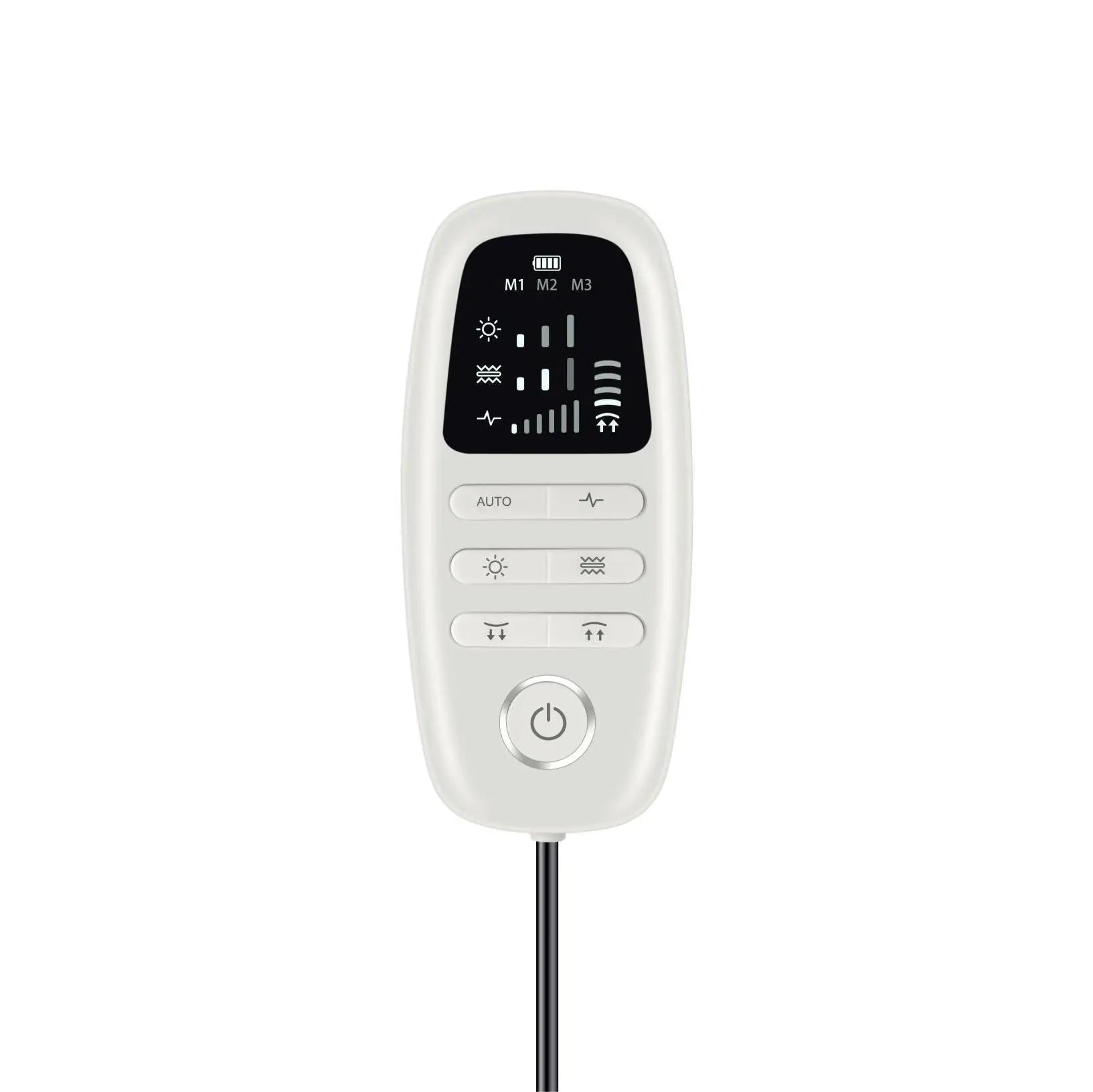
Professional grade lumbar stretcher designed for controlled spinal stretching. See it in action.
Does a Lumbar Stretcher Really Work?
For many people experiencing mild to moderate lower back discomfort caused by prolonged sitting, muscle tightness, or reduced flexibility, a lumbar stretcher can be an effective addition to a broader self-care routine. These devices gently extend the lower spine to reduce compressive forces, improve mobility, and promote healthier posture. Results are generally best when combined with regular movement, strengthening exercises, and proper ergonomics.
How spinal decompression works
When positioned correctly, a lumbar stretcher supports the natural curve of the lower back while encouraging gentle extension of the lumbar spine. This controlled stretch may help:
- Reduce pressure between spinal vertebrae and surrounding tissues
- Encourage healthy circulation around spinal discs
- Relax tight muscles supporting the lower back
- Improve spinal mobility and flexibility over time
- Promote better postural alignment during everyday activities
What science and real users say
Home back stretchers are not equivalent to clinical spinal traction systems, but they operate on similar biomechanical principles at a much lower intensity. Research on spinal mobility, therapeutic stretching, and posture-focused exercise suggests that regular, controlled stretching may help reduce stiffness and improve functional movement in appropriate individuals. Many users also report improved comfort after daily sessions lasting several minutes, particularly when the device is introduced gradually and used alongside mobility exercises rather than as a standalone treatment.
Top 7 Best Lumbar Stretchers for Home (Tested & Reviewed)
Best Overall Lumbar Stretcher
A multi-level adjustable lumbar stretcher delivers an excellent balance of comfort, stability, and progressive spinal support. Multiple height settings allow users to begin with a gentle stretch and gradually increase intensity as flexibility improves, making it suitable for everyday home use.
- Pros: Adjustable intensity, ergonomic design, durable construction, suitable for long-term use
- Cons: Requires a short adjustment period for new users
- Best for: Daily spinal decompression, posture improvement, and general lower back stiffness
Best for Beginners
A soft foam back stretcher provides gentle support without creating excessive pressure on the lower back. Its forgiving design helps first-time users become comfortable with spinal stretching before progressing to firmer devices.
- Pros: Comfortable, lightweight, beginner-friendly, simple to use
- Cons: Limited stretching intensity for experienced users
- Best for: Mild stiffness and introductory stretching sessions
Best Adjustable Lumbar Stretcher
Designed with multiple locking positions, an adjustable lumbar stretcher allows gradual progression over time. This flexibility makes it a practical choice for users whose mobility and stretching tolerance improve with consistent use.
- Pros: Customizable stretch, adaptable for different flexibility levels
- Cons: Initial setup may require careful adjustment
- Best for: Progressive spinal stretching and long-term flexibility training
Best Budget Option
A basic lumbar decompression device offers an affordable way to begin a daily back stretching routine. Although it lacks advanced adjustability, it can still provide gentle spinal extension and temporary relief from muscle tightness.
- Pros: Affordable, compact, easy to store
- Cons: Fewer adjustment options and basic construction
- Best for: Occasional home use and budget-conscious buyers
Best Lumbar Stretcher Machine
Traction-style lumbar stretcher machines provide more comprehensive support than simple arched devices. Their larger design helps distribute pressure more evenly while allowing controlled spinal stretching sessions.
- Pros: Enhanced support, comfortable positioning, larger contact area
- Cons: Requires additional storage space and higher investment
- Best for: Frequent home therapy and users seeking advanced stretching support
Best for Posture Correction
Posture-focused back stretchers are shaped to encourage proper spinal alignment while opening the chest and reducing the effects of prolonged sitting. They work especially well alongside strengthening exercises and ergonomic workstation improvements.
- Pros: Encourages healthy posture habits, comfortable ergonomic curve
- Cons: Best results require consistent daily use
- Best for: Office workers and individuals with postural muscle tightness
Best Premium Option
Premium lumbar stretchers feature reinforced materials, improved ergonomics, and enhanced durability for long-term use. They typically provide greater stability and more consistent support during stretching sessions.
- Pros: Premium build quality, excellent stability, long service life
- Cons: Higher upfront cost
- Best for: Users committed to regular spinal mobility routines
What Is a Lumbar Stretcher and How Does It Work?
A lumbar stretcher is designed to gently support and extend the natural curve of the lower spine. By encouraging controlled spinal extension, it may help reduce muscular tension, improve flexibility, and promote healthier posture. Most home models are intended to complement regular exercise, stretching, and ergonomic habits rather than replace professional medical treatment.
Types of lumbar stretcher devices
- Basic arched stretchers: Lightweight models that provide a fixed stretching position for occasional use.
- Adjustable multi-level stretchers: Devices with multiple height settings that allow gradual progression as flexibility improves.
- Lumbar stretcher machines: Larger traction-style systems offering enhanced support and controlled stretching.
- Foam and cushion stretchers: Softer options designed for gentle stretching, relaxation, and beginner-friendly comfort.
Key features to look for
- Multiple adjustable height levels for progressive stretching
- An ergonomic contour that closely follows the natural lumbar curve
- Durable materials capable of maintaining their shape with repeated use
- Non-slip feet or base to improve stability on hard surfaces
- Adequate weight capacity and overall build quality for long-term reliability
Lumbar Stretcher Benefits for Lower Back Pain
Pain relief and decompression
Gentle spinal extension may temporarily reduce pressure on muscles, joints, and surrounding soft tissues in the lower back. Many users find that regular stretching sessions help ease stiffness associated with prolonged sitting, repetitive movement, or reduced mobility.
Posture improvement
Consistent use can reinforce awareness of neutral spinal alignment while helping counteract rounded shoulders and prolonged slouching. Combined with strengthening exercises and ergonomic adjustments, a lumbar stretcher may support healthier posture throughout the day.
Flexibility and mobility
Routine stretching encourages gradual improvements in spinal mobility and flexibility. As surrounding muscles become less tense, everyday movements such as bending, standing, walking, and changing positions often feel smoother and more comfortable.
Professional vs Basic Lumbar Stretchers Compared
Key differences in design and results
Although both types are designed to support spinal stretching, their construction, adjustability, and long-term usability differ significantly. Choosing the right model depends on how often you plan to use it, your flexibility level, and whether you want gradual progression over time.
- Professional-grade lumbar stretchers: Multiple adjustment levels, reinforced construction, ergonomic spinal contour, and greater control over stretching intensity for regular use.
- Basic lumbar stretchers: Fixed curvature, lightweight materials, simple setup, and gentle support that works well for occasional stretching or beginners.
Which one should you choose?
If your goal is to improve flexibility, manage recurring lower back stiffness, or establish a consistent home stretching routine, a professional-grade lumbar stretcher typically offers greater long-term value. Adjustable settings allow you to increase intensity gradually instead of being limited to a single stretching position. A basic stretcher remains a practical option for occasional relief, travel, or users who simply want an inexpensive introduction to spinal stretching.
| Feature | Basic Stretcher | Professional Grade Lumbar Stretcher |
|---|---|---|
| Adjustable support | Limited or fixed position | Multiple adjustable levels for personalized stretching |
| Spinal alignment | General lumbar extension | More controlled lumbar decompression and ergonomic support |
| Comfort | Suitable for light use | Designed for longer-term comfort and stability |
| Durability | Lightweight materials | Reinforced construction for repeated use |
| Progression | Single stretching intensity | Gradually increase stretch as flexibility improves |
| Best suited for | Occasional use and beginners | Frequent home stretching and long-term mobility goals |
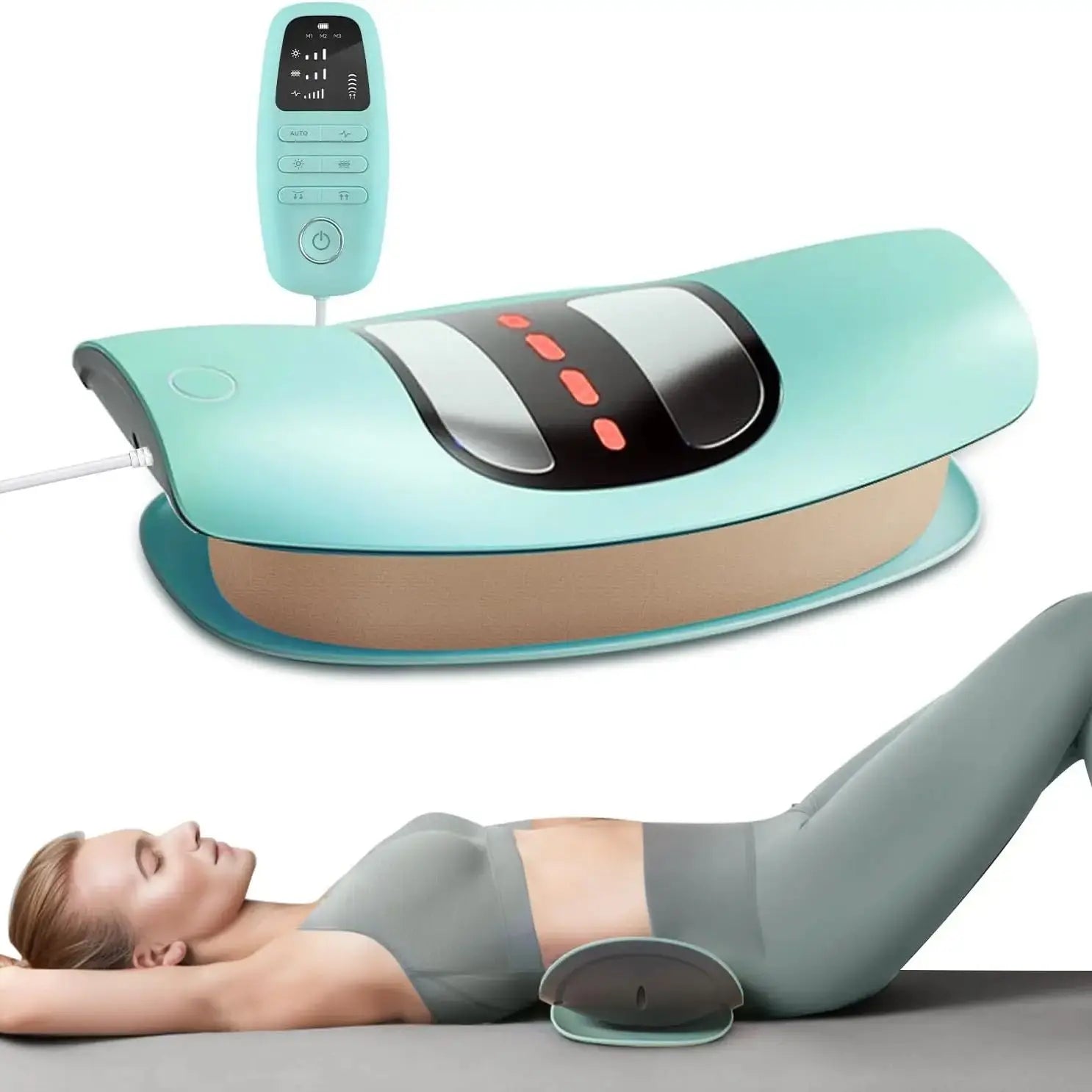
Lumbar stretcher machine in use for daily spinal stretch benefits. See it in action.
How to Use a Lumbar Stretcher Safely at Home
Step-by-step usage guide
- Select the lowest height or tension setting for your first several sessions.
- Place the stretcher on a stable, non-slip surface with enough room to lie down comfortably.
- Position the highest point of the arch beneath your lower back, then lower yourself slowly onto the device.
- Keep your shoulders and hips relaxed while breathing slowly and evenly.
- Remain on the stretcher for approximately 5–10 minutes, or less if recommended by your healthcare provider.
- Stand up slowly to allow your muscles to readjust before walking or exercising.
- Increase the stretching level only after several comfortable sessions without lingering discomfort.
Common mistakes to avoid
- Starting with the highest setting before your back has adapted.
- Positioning the stretcher too high or too low along the spine.
- Holding your breath or tensing your muscles during stretching.
- Using the device for longer than recommended in an attempt to speed results.
- Ignoring persistent or sharp pain instead of stopping the session.
Is a Lumbar Stretcher Safe? (Who Should Avoid It)
Safety precautions
Most healthy adults can safely use a lumbar stretcher when following the manufacturer's instructions and progressing gradually. Begin with short sessions, avoid sudden movements, and discontinue use if stretching causes severe pain, numbness, or worsening symptoms. A lumbar stretcher is intended to support mobility and comfort—it should not be used as a substitute for diagnosis or treatment of underlying spinal conditions.
Medical conditions to consider
- Known or suspected herniated discs unless cleared by a healthcare professional.
- Severe osteoporosis or conditions that increase fracture risk.
- Recent spinal trauma, fractures, or acute back injuries.
- Recovery following spinal surgery unless specifically approved by the treating surgeon.
- Persistent numbness, progressive weakness, or unexplained neurological symptoms that require medical evaluation.
How to Choose the Best Lumbar Stretcher for Your Needs
Adjustability levels
One of the most important features is adjustability. Models with multiple height settings let you begin with a gentle stretch and gradually increase intensity as your flexibility and comfort improve. This progressive approach is generally more comfortable than using a fixed-height device from the start.
Material and durability
Look for durable, high-quality materials that maintain their shape after repeated use. Reinforced engineering plastic offers excellent structural support, while high-density foam models provide softer cushioning for lighter stretching sessions. A sturdy frame and secure locking mechanism also contribute to long-term reliability.
Comfort and ergonomics
An ergonomic contour that closely follows the natural curve of the lumbar spine helps distribute pressure evenly during each session. Additional features such as massage acupressure nodes, a wide support surface, and a non-slip base can improve both comfort and overall user experience.
Is a Lumbar Stretcher Worth It? Final Verdict
For people experiencing occasional lower back stiffness, reduced spinal mobility, or posture-related discomfort, a lumbar stretcher can be a worthwhile addition to a home wellness routine. Although it cannot replace professional diagnosis or treatment for serious spinal conditions, regular use may help improve flexibility, reduce muscle tension, and support healthier posture when combined with appropriate exercise and ergonomic habits.
When comparing available options, adjustable models generally provide greater long-term value because they can accommodate changing flexibility and comfort levels over time. Investing in a well-designed device often results in a more controlled stretching experience and better overall durability.
For users seeking adjustable support, ergonomic design, and long-term reliability, the professional grade lumbar stretcher offers an effective solution for building a consistent spinal stretching routine at home.
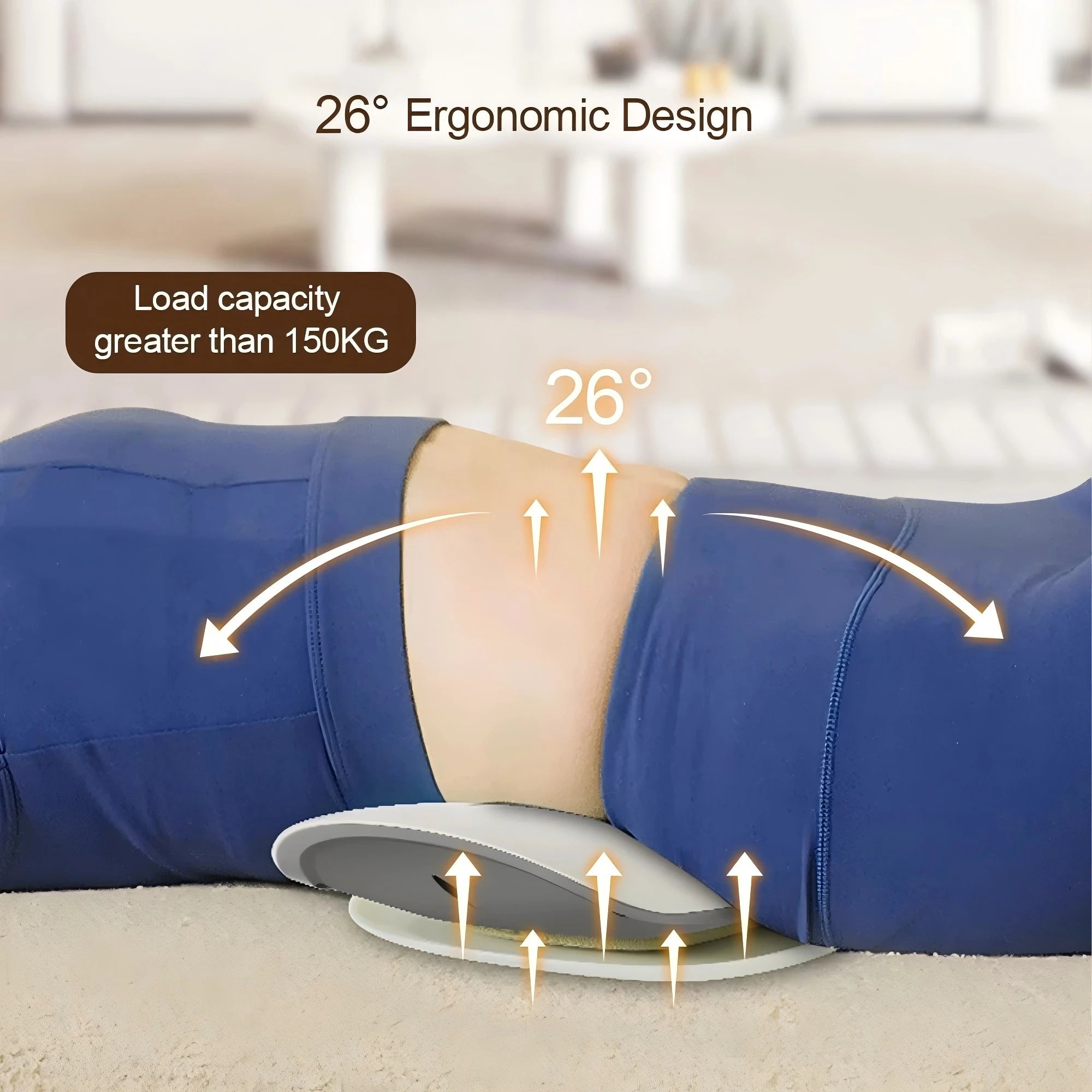
Advanced spinal stretch device for posture and back relief. See it in action.
Frequently Asked Questions About Back Stretchers
How often should I use a back stretcher?
Most healthy adults can begin with one session per day lasting 5–10 minutes. As your flexibility improves and your body adapts, many people comfortably use a back stretcher once or twice daily for up to 15 minutes per session. Consistency generally produces better results than longer, less frequent sessions.
Can a back stretcher replace physical therapy?
No. A back stretcher is designed to complement—not replace—professional medical care or physical therapy. If you have chronic pain, significant weakness, nerve symptoms, or a diagnosed spinal condition, follow the treatment plan recommended by your healthcare provider.
Which back stretcher is best for lower back pain?
The best option is usually an adjustable lumbar stretcher with an ergonomic spinal contour, multiple height settings, and a stable non-slip base. These features allow you to gradually increase stretching intensity while maintaining proper support and comfort.
How do I choose the right back stretcher?
Consider your flexibility level, desired stretching intensity, available storage space, and budget. Look for adjustable support, durable materials, ergonomic shaping, and a secure non-slip design. Beginners often benefit from lower-intensity models, while regular users typically appreciate adjustable professional-grade devices.
Are back stretchers safe every day?
For most healthy individuals, daily use is considered safe when sessions are kept brief and the device is used correctly. Stop immediately if you experience sharp pain, numbness, tingling, or worsening symptoms, and seek medical advice before continuing.
Can a back stretcher help with sciatica?
If sciatica symptoms are related to muscle tightness or reduced mobility, gentle stretching may provide temporary relief for some individuals. However, because sciatica has many possible causes, anyone with persistent leg pain, numbness, or weakness should consult a healthcare professional before using a back stretcher.
What's the difference between a back stretcher and an inversion table?
A back stretcher creates a gentle extension of the lumbar spine while you lie on a supportive arch. An inversion table tilts your entire body using gravity to reduce spinal loading. Back stretchers are generally more compact, affordable, and easier to use at home, whereas inversion tables require significantly more space and have additional safety considerations.
Do physical therapists recommend back stretchers?
Some physical therapists recommend lumbar stretching devices as part of a comprehensive rehabilitation program for appropriate patients. Recommendations depend on the underlying cause of back pain, overall health, and individual treatment goals rather than the device alone.
Which back stretcher is easiest to assemble?
Most fixed-arch and foam back stretchers require little or no assembly. Adjustable plastic models typically involve a simple locking mechanism that can be configured within a few minutes before first use.
Related Guide: Buy Lumbar Traction Massager Online What Real Users Say













