

Best Muscle Stimulators for Athletes vs Casual Users (2026): Top EMS & TENS Devices Reviewed
Quick Comparison: Best EMS & TENS Muscle Stimulators at a Glance
If you're deciding between an EMS machine, a TENS unit, or a combination device, this comparison highlights which type offers the best value based on your recovery goals, training intensity, and budget.
| Device Type | Best For | Primary Function | Portability |
|---|---|---|---|
| EMS/TENS Combo Device | Most users | Recovery + pain relief | High |
| EMS Muscle Stimulator | Athletes | Muscle contraction & recovery | High |
| TENS Unit | Pain management | Nerve stimulation | High |
| Professional Physiotherapy Device | Clinical rehabilitation | Advanced treatment programs | Medium |
7 Best Muscle Stimulators for Athletes vs Casual Users (Tested & Reviewed)
Best Overall EMS/TENS Combo
A quality combination unit delivers both electrical muscle stimulation (EMS) for muscle activation and transcutaneous electrical nerve stimulation (TENS) for temporary pain relief. It offers the best balance for people who want recovery support and everyday comfort in one device.
- Pros: Versatile programs, excellent value, suitable for most users
- Cons: Higher upfront investment than single-function devices
Best for Competitive Athletes
Competitive athletes benefit from devices with multiple recovery modes, adjustable intensity, and precise muscle targeting to support demanding training schedules.
Best for Sports Recovery
Recovery-focused EMS devices help stimulate muscles after intense exercise, making them useful alongside stretching, hydration, and adequate rest.
Best for Casual Home Users
Beginners often prefer simple controls, preset programs, and comfortable electrode pads that make daily sessions easy to follow.
Best Budget Muscle Stimulator
Entry-level units typically include essential EMS or TENS programs without premium features such as Bluetooth connectivity or companion apps.
Best Portable Travel Device
Compact rechargeable stimulators are easy to pack in a gym bag or suitcase, making them practical for frequent travelers and busy professionals.
Best Professional Physiotherapy Device
Clinic-grade devices provide extensive customization, multiple channels, and specialized treatment protocols for rehabilitation professionals.
Our Testing Methodology
To identify the best muscle stimulators for athletes vs casual users, we evaluated devices using practical recovery scenarios rather than marketing claims.
- Ease of setup and everyday usability
- Comfort of electrode pads during repeated sessions
- Program variety for EMS and TENS therapy
- Battery life and charging convenience
- Intensity adjustment and progression
- Build quality, portability, and long-term value
We also compared how each device performed for post-workout recovery, general muscle soreness, and occasional pain management.
EMS vs TENS: What's the Difference?
How EMS Works
EMS sends electrical impulses that trigger muscle contractions. Athletes commonly use EMS to supplement recovery routines, promote muscle activation after exercise, and assist rehabilitation under appropriate guidance.
How TENS Works
TENS primarily targets sensory nerves rather than muscles. The stimulation may temporarily reduce pain perception, making it popular for chronic discomfort, arthritis, and rehabilitation programs.
Which Technology Fits Your Goal
- Choose EMS: Muscle recovery, muscle activation, sports training support.
- Choose TENS: Temporary pain relief and rehabilitation support.
- Choose a Combo Device: If you want one device that handles both recovery and pain management.
Athletes vs Casual Users: Which Muscle Stimulator Should You Buy?
Endurance Athletes
Long-distance runners, cyclists, and swimmers often prioritize recovery programs that help reduce muscle fatigue between training sessions.
Strength Athletes
Lifters and power athletes typically benefit from devices offering stronger EMS intensity levels and multiple muscle recovery modes.
Beginners & Home Users
If you exercise recreationally or simply want occasional relief after work, a straightforward EMS/TENS combo unit with preset programs usually provides the best balance between simplicity and effectiveness.
Comparison Table: Features That Matter Most
| Feature | Why It Matters | Best For |
|---|---|---|
| Multiple Programs | Supports different recovery goals | Athletes |
| Rechargeable Battery | Convenient everyday use | Everyone |
| Dual EMS/TENS Modes | Recovery plus pain relief | Mixed users |
| Quality Electrode Pads | Improves comfort and durability | Frequent users |
| Bluetooth/App Controls | Easy customization | Advanced users |
Best EMS Programs for Sports Recovery
Recovery results depend on consistent use rather than maximum intensity.
- Before training: Light activation or warm-up programs.
- Immediately after exercise: Recovery settings that encourage gentle muscle contractions.
- Later in the day: Relaxation programs for muscle comfort.
- Weekly routine: Two to five sessions depending on training volume and individual tolerance.
When TENS Is the Better Choice
TENS therapy is generally the better option when your primary goal is temporary pain relief rather than muscle conditioning.
- Managing chronic back discomfort
- Supporting rehabilitation programs
- Reducing soreness after minor injuries
- Home pain management between physiotherapy appointments
Learn how this rechargeable massager supports daily relief
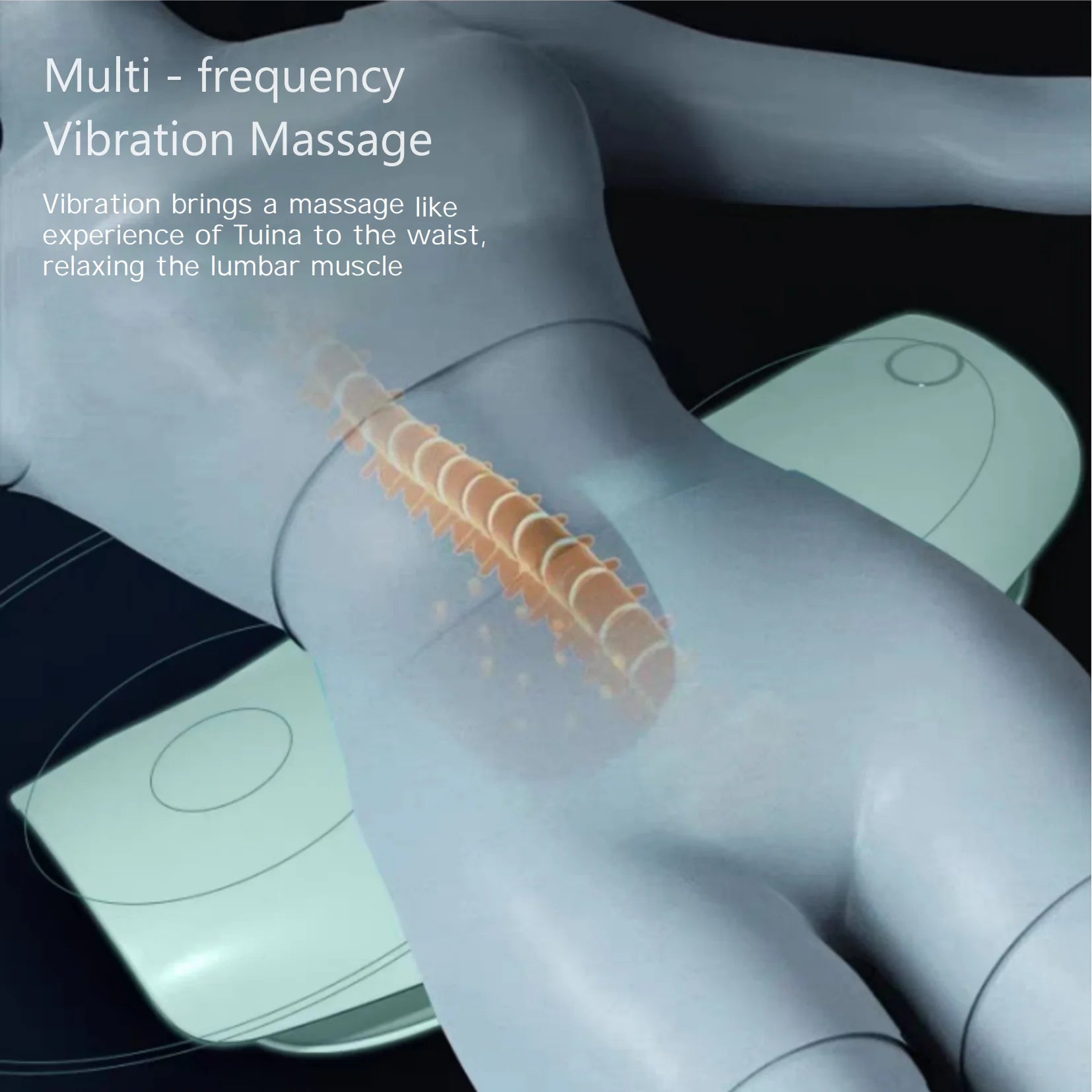
Rechargeable recovery device designed for convenient at-home wellness support.
Electrode Placement Guide
Legs
Position pads on the muscle belly rather than directly over joints. Common placements include the quadriceps, hamstrings, and calves.
Back
Place electrodes on either side of the spine rather than directly over the spinal column.
Shoulders
Target the upper trapezius or rear shoulder muscles while avoiding the front of the neck.
Arms
Place pads over larger muscle groups such as the biceps or triceps, keeping them away from bony areas.
For those already using wellness tools from the Body Care and Health Devices collection, an EMS/TENS device can fit naturally into a broader home recovery routine.
Safety, Risks & Who Should Avoid EMS or TENS
Although EMS and TENS devices are considered safe for many healthy adults, they are not appropriate for everyone.
- Do not place electrodes over the front of the neck, eyes, or chest.
- People with implanted pacemakers or similar medical devices should seek medical advice before use.
- Avoid use on broken or irritated skin.
- Stop treatment if stimulation becomes painful or causes persistent skin irritation.
- Consult a healthcare professional if you're pregnant, recovering from surgery, or managing a serious medical condition.
Value for Money: Best Picks by Budget
Under $50
Best for occasional pain relief and beginners who want basic EMS or TENS functionality.
$50–$150
The sweet spot for most buyers, offering rechargeable batteries, multiple treatment modes, and improved electrode quality.
Premium
Ideal for competitive athletes, physiotherapists, and users who want advanced programming, multiple channels, and longer warranties.
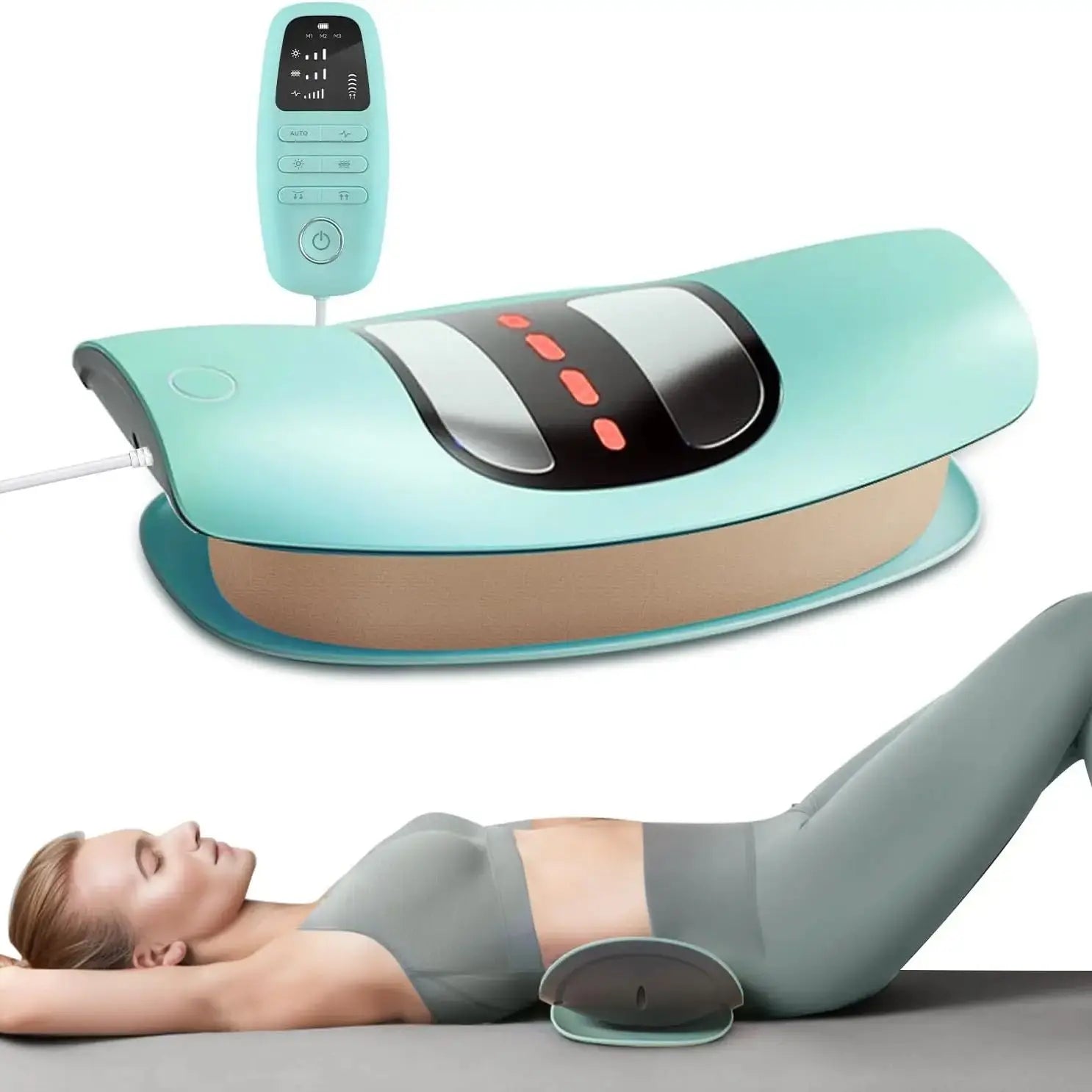
Portable rechargeable stimulation device suitable for daily recovery sessions.
Final Verdict: Best Muscle Stimulator for Every User
The best muscle stimulator depends on how you plan to use it.
- Best Overall: EMS/TENS combo device.
- Best for Athletes: High-intensity EMS unit with multiple recovery programs.
- Best for Casual Users: Rechargeable combo device with simple preset modes.
- Best Value: Mid-range rechargeable model balancing features, portability, and affordability.
Get yours now — limited stock!
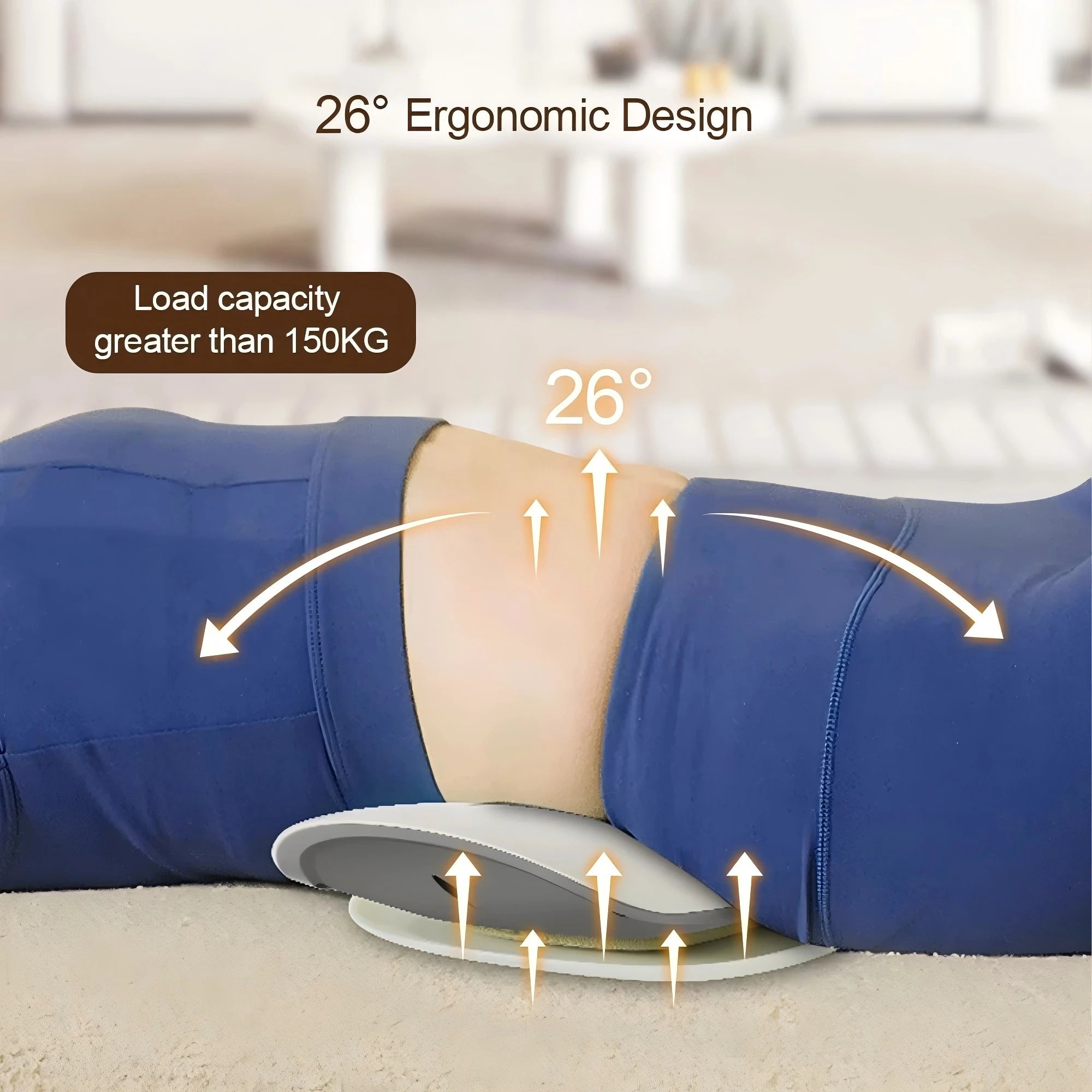
Rechargeable EMS/TENS wellness device designed for convenient home recovery.
Frequently Asked Questions
What is the difference between EMS and TENS?
EMS stimulates muscles to create controlled contractions, while TENS primarily targets nerves to help provide temporary pain relief.
Which is better for athletes: EMS or TENS?
Athletes typically benefit more from EMS for recovery and muscle activation, although many also use TENS when managing soreness or discomfort.
Can casual users benefit from EMS muscle stimulators?
Yes. Casual users often use EMS to support recovery after workouts or reduce muscle tightness following long periods of sitting.
Are combo EMS/TENS devices worth buying?
For most people, yes. Combination devices provide greater flexibility by supporting both muscle recovery and pain management without purchasing two separate devices.
How often should I use EMS for recovery?
Most users begin with two to five sessions per week, following the manufacturer's recommendations and adjusting intensity gradually.
Is TENS only for pain relief?
TENS is primarily intended for temporary pain management and rehabilitation support rather than muscle strengthening.
Who should not use EMS or TENS?
People with implanted electronic medical devices, certain heart conditions, pregnancy-related concerns, or other significant medical conditions should consult a healthcare professional before use.
What features matter most when choosing a muscle stimulator?
Look for adjustable intensity, multiple treatment programs, rechargeable batteries, comfortable electrode pads, reliable build quality, and combination EMS/TENS functionality if you want maximum versatility.
Related Guide: Buy Lumbar Traction Massager Online What Real Users Say













