

What Is a Wax Pot? A Beginner-Friendly Guide to Wax Heaters
⏱ 8 min read
Tired of unevenly melted wax, sudden temperature changes, or messy cleanup when waxing at home? A wax pot gives you more consistent heat and control, helping you prepare hair-removal wax more reliably than improvised heating methods.
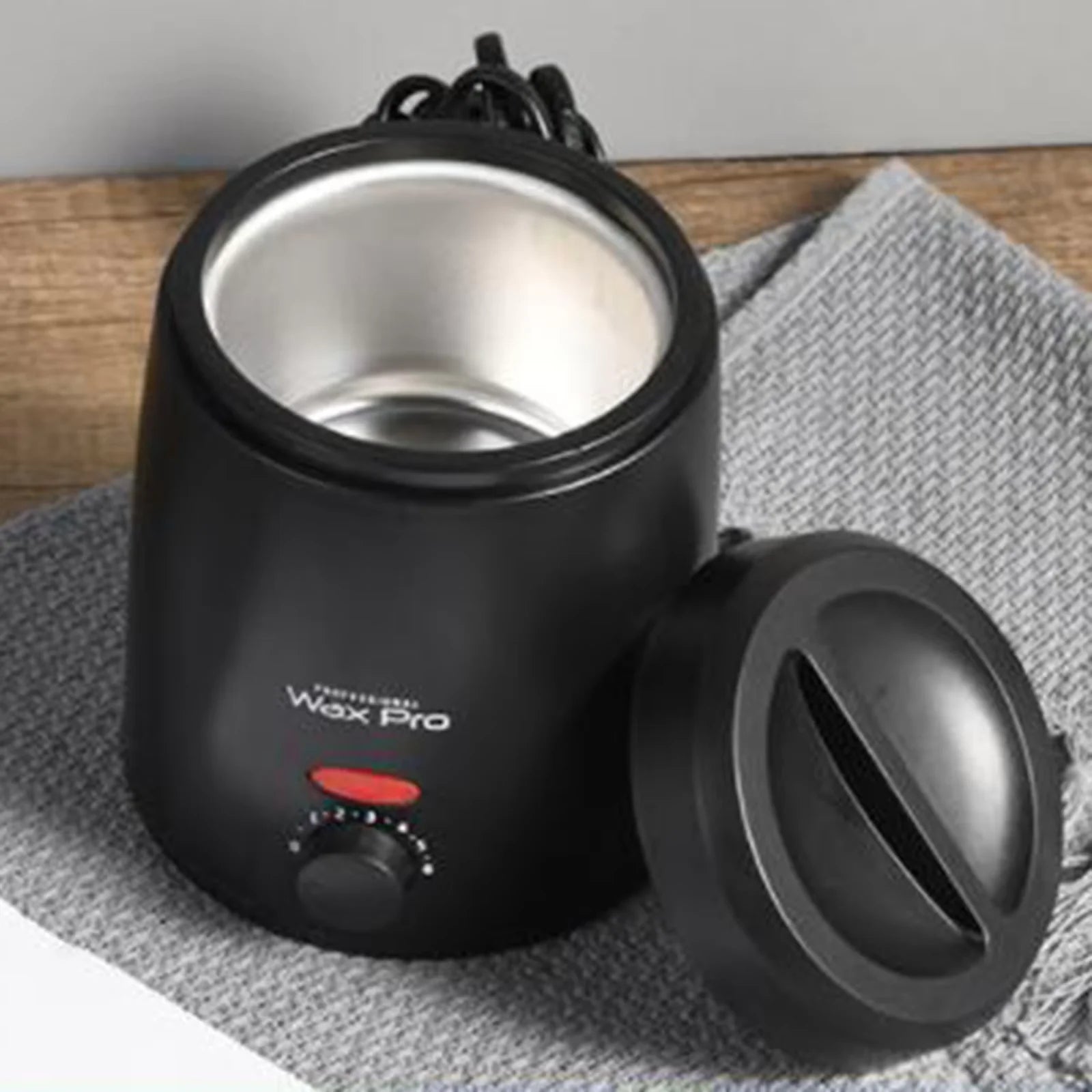
Professional wax heater pot with even wax heating plate for smooth application See it in action
What Is a Wax Pot and What Is It Used For?
Simple Definition
A wax pot is an electric heating device designed to melt hair-removal wax and keep it at a workable temperature for application. Depending on the model, it may heat hard wax beans, soft wax, blocks, or discs inside a removable inner container.
A wax pot for hair removal is useful because it provides more controlled and consistent heating than makeshift methods such as microwaving wax. Instead of repeatedly reheating wax and dealing with hot spots or inconsistent texture, a dedicated wax heater is designed to maintain usable heat throughout a waxing session.
Common Uses in Hair Removal
Wax pots are commonly used to prepare wax for hair removal on areas such as the legs, arms, underarms, bikini area, and some facial areas. The appropriate wax and application method depend on the product instructions and the sensitivity of the area being treated.
For home users, a wax pot can make occasional or regular waxing more convenient. For professionals, a larger or more durable professional wax heater pot can support repeated use and different waxing routines.
Wax Pot vs Wax Warmer vs Wax Heater Machine
These terms are often used interchangeably, but they generally describe the same type of device: an appliance that heats and maintains hair-removal wax at a suitable working temperature.
- Wax pot: Usually refers to the container-style device in which wax is melted.
- Wax warmer: A broad term for equipment that warms wax, including hard wax warmers and soft wax heaters.
- Wax heater machine: Often describes the complete electric unit with a heating element, controls, and wax container.
The most important consideration is not the name on the product listing but whether the device is compatible with the type of wax you plan to use and provides appropriate temperature control.
How Does a Wax Heater Work?
Heating Mechanism Explained
A wax heater works by transferring heat from an internal electric heating element to the container holding the wax. As the wax warms, solid pieces gradually soften and melt until they reach a spreadable consistency.
In a well-designed waxing heater device, the heat is distributed across the container rather than concentrated in only one area. This helps reduce the risk of partially melted wax, hard pieces, and localized overheating.
Temperature Control and Safety
Most wax heaters use a dial, switch, or digital control to regulate heat. The exact setting depends on the wax type, the amount of wax being heated, and the manufacturer's instructions.
Temperature control is important because wax that is too cool may be difficult to spread, while overheated wax can increase the risk of skin discomfort or burns. Always test a small amount of wax on a suitable area before applying it more broadly, and follow the instructions supplied with both the wax and the heater.
Wax Melting Process
The typical process in a wax melting pot follows three stages:
- Solid stage: Wax begins as beans, blocks, discs, or another solid format.
- Melting stage: Heat gradually softens the wax and turns it into a liquid or semi-liquid consistency.
- Working stage: The temperature is reduced or maintained so the wax remains usable without unnecessary overheating.
Because different waxes melt at different rates, avoid assuming that every wax should be heated using the same setting or for the same amount of time.
Key Parts of a Wax Pot Explained
Inner Pot / Chamber
The inner chamber holds the wax while it is being heated. Removable containers are especially convenient because they can make transferring or cleaning the wax easier.
Heating Element
The heating element produces the heat needed to melt the wax. Its position and design influence how evenly heat reaches the inner pot.
Temperature Dial or Digital Controls
Controls allow you to adjust the heating level. A simple dial may be sufficient for occasional home use, while more precise controls can be valuable for frequent waxing or professional applications.
Lid and Safety Features
A lid can help reduce contamination from dust and debris when the wax is not being used. Other safety features may include insulation, indicator lights, temperature regulation, and protection against excessive heating, depending on the model.
Types of Wax Pots and Wax Warmers
Professional Wax Heater Pots
A professional wax heater pot is generally designed for frequent use, with a focus on durability, capacity, and consistent temperature control. These models may be useful for estheticians, salons, mobile services, or experienced users who wax regularly.
Hard Wax Warmers
A hard wax warmer is designed to melt hard wax beads, beans, blocks, or similar formats. Hard wax is often used for smaller or more sensitive areas, although the appropriate product depends on the manufacturer's directions and the user's technique.
Home Wax Heater Machines
Home models are typically compact and straightforward to operate. They can be a practical choice for personal use when you want a dedicated appliance without the capacity or features of a commercial unit.
Single vs Dual Pot Systems
A single-pot system is suitable when you typically use one type of wax at a time. A dual-pot system can allow two different waxes to be heated separately, which may be useful when working with different formulas or areas during the same session.
Explore more options in Skin and Beauty Care Devices .
What Types of Wax Can Be Used in a Wax Pot?
Hard Wax Beans
Hard wax beans are designed to melt into a spreadable wax that typically hardens on the skin before removal. They are commonly used in a hard wax warmer , but the heater must be compatible with the product.
Soft Wax Tins
Soft wax is designed to remain softer after application and is commonly removed with strips. Some wax pots are suitable for soft wax, while others may be designed primarily for hard wax, so always check the device's specifications.
Wax Blocks and Discs
Wax blocks and discs can also be melted in compatible containers. Their larger size may affect how quickly they melt, so avoid using excessive heat simply to speed up the process.
Wax Compatibility Tips
Before adding wax to a hair removal wax pot, check the product instructions and the heater's compatibility information. Important factors include:
- Whether the heater supports hard wax, soft wax, or both
- Whether the wax format fits inside the container
- Whether the recommended heating range is compatible with the device
- Whether the wax is intended for the area you plan to treat
Never assume that all wax products can be mixed or heated in the same way. Different formulas may have different melting characteristics.
How to Use a Wax Pot for Hair Removal (Step-by-Step)
Preparation
Start by reading the instructions for both the wax and the heater. Prepare clean, dry skin and gather any applicators, strips, and aftercare products you need.
Avoid applying wax to skin that is irritated, damaged, or otherwise unsuitable for waxing. If you are unsure whether a product is appropriate for your skin, follow the manufacturer's guidance or seek professional advice.
Heating the Wax
Place the appropriate amount of wax into the pot and select the recommended heating setting. Allow the wax to melt gradually rather than relying on maximum heat to speed up the process.
Once the wax has melted, stir it if the product instructions recommend doing so and check the consistency. Test a small amount before applying it to a larger area. The wax should be workable without feeling excessively hot.
Application and Removal
Apply the wax according to the instructions for the specific product. Depending on the wax type, application and removal techniques differ. Follow the recommended direction and use the appropriate method rather than assuming that every wax should be applied or removed identically.
Work in manageable sections and avoid repeatedly applying hot wax to the same area. If the wax feels uncomfortably hot, stop and allow it to cool before continuing.
Aftercare
After waxing, follow the recommended aftercare instructions for the product and skin area. Keep the area clean and avoid unnecessary friction or products that may irritate freshly waxed skin.
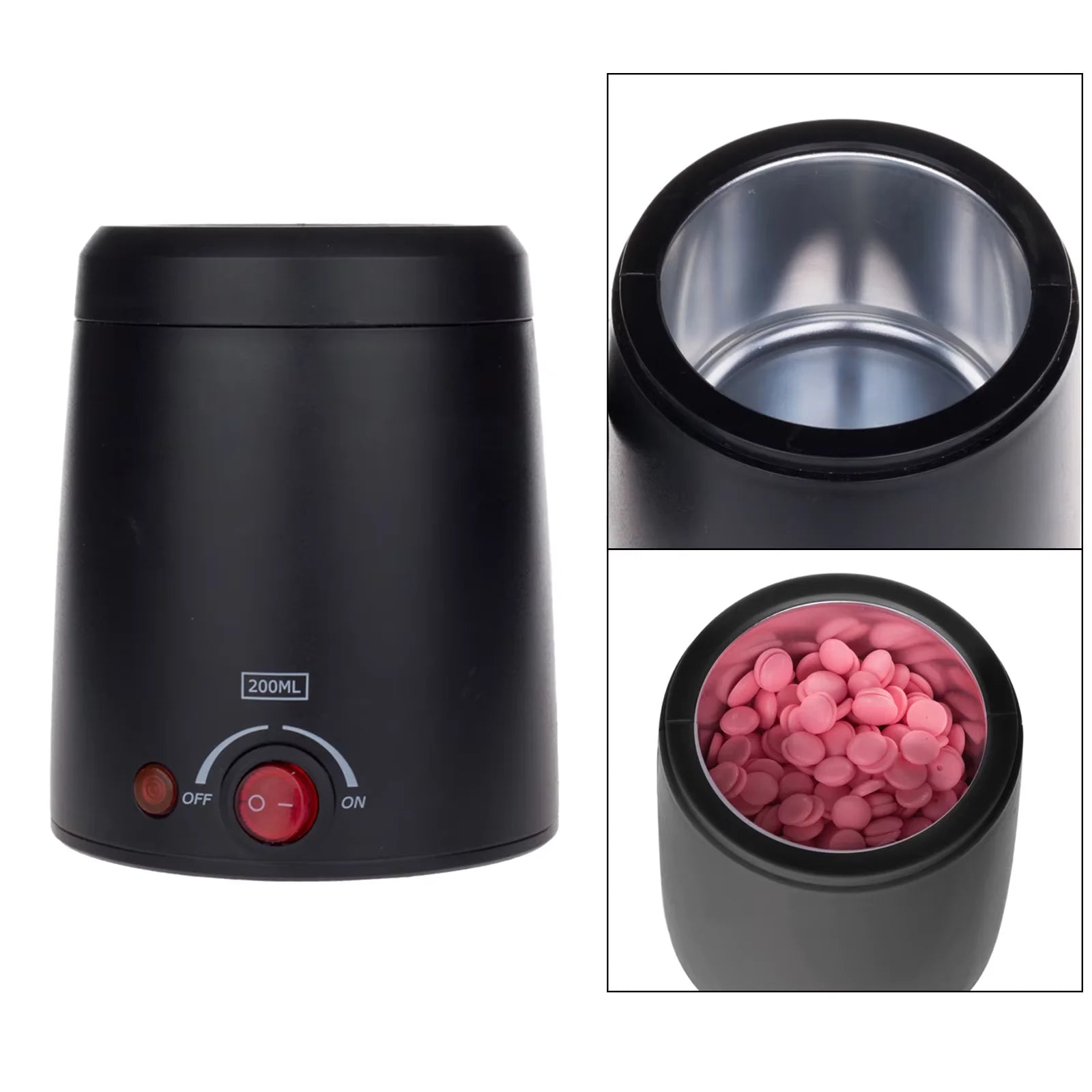
Hard wax warmer for hair removal delivering salon-like control See it in action
Benefits of Using a Wax Pot at Home
Cost Savings
For people who wax regularly, buying wax and using a home heater can reduce the need for repeated salon appointments over time. The value depends on how often you wax and the cost of supplies.
Convenience
A home wax heater lets you prepare wax when it fits your schedule. You do not need to arrange an appointment every time you want to complete a waxing session.
Better Control
A dedicated wax heater gives you greater control over the heating process than improvised methods. Adjustable settings and consistent heating can make it easier to maintain a workable wax texture.
Cons and Limitations
A wax pot is not automatically the best choice for everyone. It requires cleaning, storage, and careful temperature management. Beginners may also need time to learn how different wax types behave.
Waxing at home may not be appropriate for every skin condition or situation. If your skin is irritated, damaged, or unusually sensitive, consider postponing waxing and following appropriate professional guidance.
Who Should Use a Wax Pot?
Beginners
Beginners can benefit from a simple wax heater machine with clear controls and straightforward operation. A model with easy temperature adjustment and simple cleanup can reduce unnecessary complexity while learning.
At-Home Users
Regular at-home users may benefit most from a dedicated wax pot because it offers a repeatable way to melt and maintain wax. The ideal capacity depends on how often you wax and which body areas you typically treat.
Professionals
Professionals and frequent users may prefer a professional wax heater pot with greater capacity, durable construction, and more precise control. A larger or dual-pot system may be useful when different waxes are needed during the same service.
Common Mistakes When Using a Wax Heater
Overheating Wax
Using excessive heat can make wax too hot and may alter its consistency. Start with the recommended setting and allow the wax to heat gradually.
Incorrect Application
Applying wax without following the product's recommended technique can lead to uneven results and unnecessary irritation. Use the correct application method for the specific wax type.
Skipping Skin Prep
Applying wax to skin that is not clean and dry can affect how the wax adheres and may increase the chance of an uncomfortable result. Follow the recommended preparation instructions before waxing.
Poor Maintenance
Leaving wax residue on the device or failing to clean removable components can make future use more difficult and may contribute to contamination. Clean the heater according to the manufacturer's instructions after use.
How to Clean and Maintain a Wax Pot
Cleaning After Each Use
Allow the device and wax to cool according to the manufacturer's instructions before cleaning. Remove residue using a method and cleaning product that are compatible with the heater's materials.
Never immerse an electrical wax heater in water unless the manufacturer specifically states that the component is designed for immersion.
Removing Hardened Wax
Hardened wax can be more difficult to remove, so cleaning soon after use is generally easier than allowing heavy buildup to accumulate. Follow the product instructions rather than scraping aggressively or using tools that could damage the container.
Routine Maintenance
Regularly inspect the power cord, controls, container, lid, and heating area for visible damage or excessive residue. Keep the unit dry and stored in a clean location when it is not in use.
Consistent maintenance can help extend the lifespan of a wax melting pot and keep the device easier to use over time.
How to Choose the Best Wax Heater for Home Use
Capacity
Choose capacity based on how much wax you typically use. A compact unit may be sufficient for occasional personal use, while a larger container may be more convenient for frequent waxing or multiple users.
Temperature Accuracy
Reliable temperature control is one of the most important features to consider. Look for a heater with controls that allow you to adjust heat according to the wax manufacturer's recommendations.
Ease of Cleaning
Removable containers, accessible surfaces, and a design that minimizes wax buildup can make regular maintenance easier. Consider cleaning requirements before buying rather than focusing only on heating performance.
Features Worth Paying For
The most useful features depend on how you plan to use the device. For beginners, simple controls and easy cleanup may matter more than advanced settings. Frequent users may prioritize capacity, durable construction, consistent heating, and more precise temperature adjustment.
A good best wax heater for home use should match your wax type, usage frequency, available space, and comfort with the device's controls.
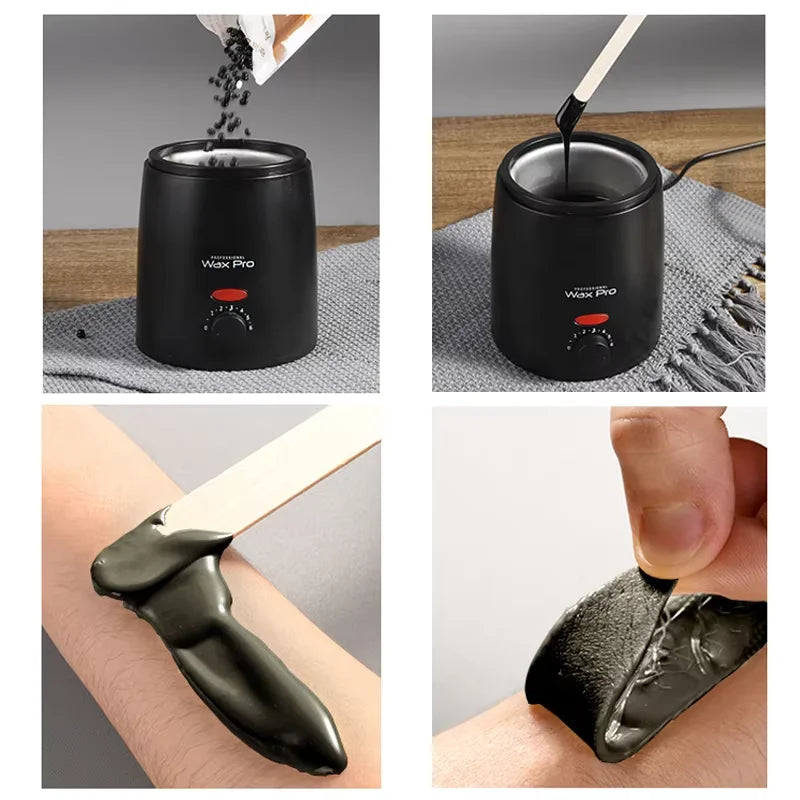
Hair removal heater designed for confident, smooth skin See it in action
Wax Pot Types Comparison
Quick Comparison Table
| Wax Pot Type | Best For | Main Advantages | Potential Limitations |
|---|---|---|---|
| Home wax heater | Occasional or regular personal use | Compact, simple, and convenient | Usually lower capacity and fewer advanced controls |
| Hard wax warmer | Users who primarily use hard wax | Designed for compatible hard wax formats | May not support every type of soft wax |
| Professional wax heater pot | Frequent users and professional services | Greater capacity, durability, and control | May cost more and take up more space |
| Dual-pot system | Users who need two wax types | Allows separate waxes to be heated at the same time | Higher cost and larger footprint |
For most beginners, a simple compatible home model is usually the easiest starting point. If you wax frequently or need to work with multiple wax types, a larger professional or dual-pot design may provide better long-term value.
Final Verdict: Is It Worth Buying?
A wax pot is worth considering if you want a more consistent and convenient way to melt hair-removal wax at home. The main advantages are controlled heating, repeatable preparation, and greater convenience compared with improvised warming methods.
The best choice depends on your wax type, usage frequency, preferred capacity, and the level of temperature control you need. Beginners may prefer a simple home wax heater, while frequent users may benefit from a more durable professional wax heater pot.
You can explore the product directly here: professional wax heater pot .
Frequently Asked Questions About Wax Pots
Is a wax pot safe to use at home?
A wax pot can be used at home when operated according to the manufacturer's instructions. Use the recommended wax, follow temperature guidance, test the wax before application, and avoid using a heater that shows signs of damage.
What type of wax works best in a wax warmer?
The best wax depends on the heater's compatibility. Hard wax beans, soft wax, blocks, and discs may all require different equipment or settings, so check the instructions for both the wax and the warmer before use.
Can you melt hard wax beans and soft wax in the same wax pot?
Only if the wax heater is designed to support both types and the wax products are compatible with the container. Do not mix different wax formulas unless the manufacturer specifically recommends it. A dual-pot system can be more practical when you need to heat different waxes separately.
What temperature should a wax pot be set to?
There is no single temperature that works for every wax. Use the temperature range recommended by the wax manufacturer and adjust the heater according to the device instructions. Always check the wax before applying it to skin.
How long does wax take to melt?
Many wax pots take approximately 10–30 minutes to melt wax, but the actual time varies according to the wax type, quantity, container design, and starting temperature. Larger amounts generally take longer.
How often should you clean a wax heater?
Clean the heater after each use or according to the manufacturer's maintenance instructions. Regular cleaning helps prevent residue buildup and makes the device easier to maintain.
Can a wax pot overheat the wax?
Yes, wax can become excessively hot if the heater is set too high or left unattended. Use the recommended settings, monitor the heating process, and test the wax before applying it.
Is a professional wax heater better than a home model?
Not necessarily for every user. A professional model may offer greater capacity, durability, or control for frequent use, while a home model may be more practical for occasional personal waxing. The better choice depends on your usage needs.
Can I reuse wax in a wax pot?
Whether wax can be reused depends on the wax type and hygiene requirements. Follow the manufacturer's instructions. Do not reuse wax when doing so could create a hygiene concern, and never assume that previously used wax is automatically safe to reheat.
How long does a wax pot last with regular use?
The lifespan of a wax pot depends on its construction, usage frequency, cleaning routine, and maintenance. A well-maintained unit can last longer than one exposed to heavy residue buildup, overheating, or damaged electrical components.
Related Guide: Wax Melting Pot Electric: In-Depth Review and Buyer Insights













