

What Is Timed Dry? Complete Guide to Dryer Timer Settings and How They Work
⏱ 7 min read
Ever pulled clothes from the dryer that were still damp—or worse, over-dried and stiff? The problem is often not heat, but timing. Understanding what Timed Dry is, when to use it, and how it compares with Sensor Dry gives you better control over drying performance, fabric care, and energy use.
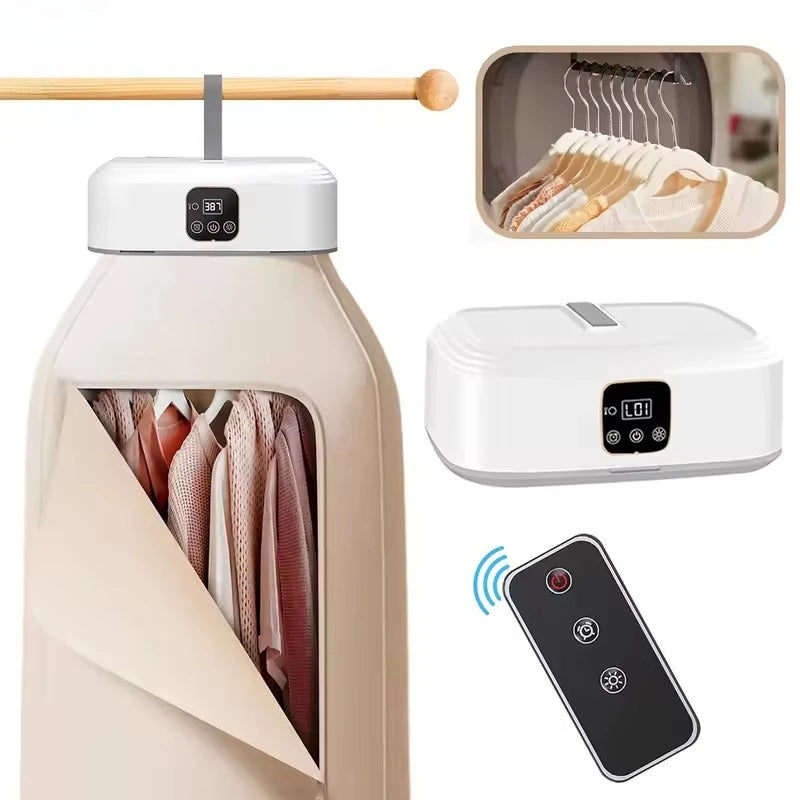
Dryer timer control panel for precise drying. See it in action.
What Is Timed Dry on a Dryer? (Quick Answer)
What does Timed Dry mean on a dryer?
Timed Dry is a manual dryer cycle that runs for a fixed amount of time you choose rather than stopping automatically when clothes reach a certain moisture level. Common time selections range from 20 to 60 minutes, although some dryers allow longer cycles for bulky loads.
Unlike Sensor Dry, which relies on moisture sensors, Timed Dry continues running until the countdown reaches zero. This gives you predictable control over the drying process but requires selecting an appropriate cycle length yourself.
When should you use Timed Dry?
Timed Dry works best when:
- Clothes are slightly damp after an automatic cycle.
- Drying bulky items such as towels, comforters, or blankets.
- You need a quick refresh for lightly worn clothing.
- You want manual control over drying time and heat settings.
Knowing when to use Timed Dry helps reduce both under-drying and unnecessary heat exposure.
How Timed Dry Works on a Clothes Dryer
What the dryer timer actually controls
In a Timed Dry cycle, the timer determines exactly how long the motor, drum, and heating system operate. Once the selected time expires, the dryer stops automatically regardless of whether moisture remains inside the load.
Because the cycle does not monitor humidity, the timer becomes the primary control instead of electronic moisture sensors.
How heat and time interact during drying
Drying performance depends on three factors working together: heat, airflow, and tumbling. Heat evaporates moisture, airflow removes humid air from the drum, and tumbling exposes more fabric surface for even drying.
If airflow is restricted by a clogged lint filter or blocked vent, even a longer Timed Dry cycle may leave clothes damp. Cleaning the lint screen after every load and maintaining proper ventilation improves efficiency while reducing drying time.
Timed Dry vs Sensor Dry (Automatic Dry Explained)
Comparison table: Timed Dry vs Sensor Dry
| Feature | Timed Dry | Sensor Dry |
|---|---|---|
| Cycle length | Manually selected | Adjusts automatically |
| Moisture detection | No | Yes |
| User control | High | Moderate |
| Energy efficiency | Depends on selected time | Usually more efficient |
| Best for | Damp clothes, bulky loads, refresh cycles | Everyday laundry |
Which setting should you choose?
For everyday clothing, Sensor Dry is usually the better choice because it stops automatically once garments reach the selected dryness level. This helps reduce energy use and minimizes the risk of overdrying.
Choose Timed Dry when you know approximately how long a load needs or when automatic cycles consistently leave items damp. Many households alternate between both settings depending on fabric type and load size.
When to Use Timed Dry
Heavy items and bulky loads
Large towels, bedding, quilts, and thick sweatshirts often retain moisture longer than lightweight clothing. Adding a Timed Dry cycle after an automatic program can finish drying these heavier items evenly.
Small loads and quick refreshes
If you're drying only a few garments, a short 15- to 30-minute Timed Dry cycle is often faster than running a full automatic program. It's also useful for refreshing clothes that have absorbed odors or become slightly damp.
Delicate fabrics requiring manual control
Delicate materials can benefit from shorter Timed Dry cycles paired with low heat. Checking garments before extending the cycle reduces unnecessary heat exposure and helps preserve fabric quality.
How to Use Timed Dry Effectively (Step-by-Step Guide)
- Select the Timed Dry setting on the dryer control panel.
- Choose a conservative drying time based on the load size.
- Select the appropriate heat setting for the fabric.
- Check clothes before adding additional drying time.
- Remove garments promptly after the cycle finishes to minimize wrinkles.
Choosing the right drying time
Rather than selecting the maximum time immediately, begin with a shorter cycle and extend it only if necessary.
- Light clothing: 20–30 minutes
- Mixed everyday loads: 30–45 minutes
- Towels and heavier fabrics: 45–60 minutes
Selecting the best heat setting
- Low heat: Delicates, activewear, and synthetic fabrics.
- Medium heat: Cotton shirts, everyday clothing, and mixed loads.
- High heat: Towels, jeans, and heavy cotton items when recommended by the care label.
Checking clothes before adding more time
Pause the cycle near the end to assess remaining moisture. If garments are only slightly damp, adding another 10 to 15 minutes is usually more efficient than restarting a full cycle.
For compact solutions like the folding clothes dryer , using Timed Dry helps achieve consistent drying results while avoiding unnecessary energy use.
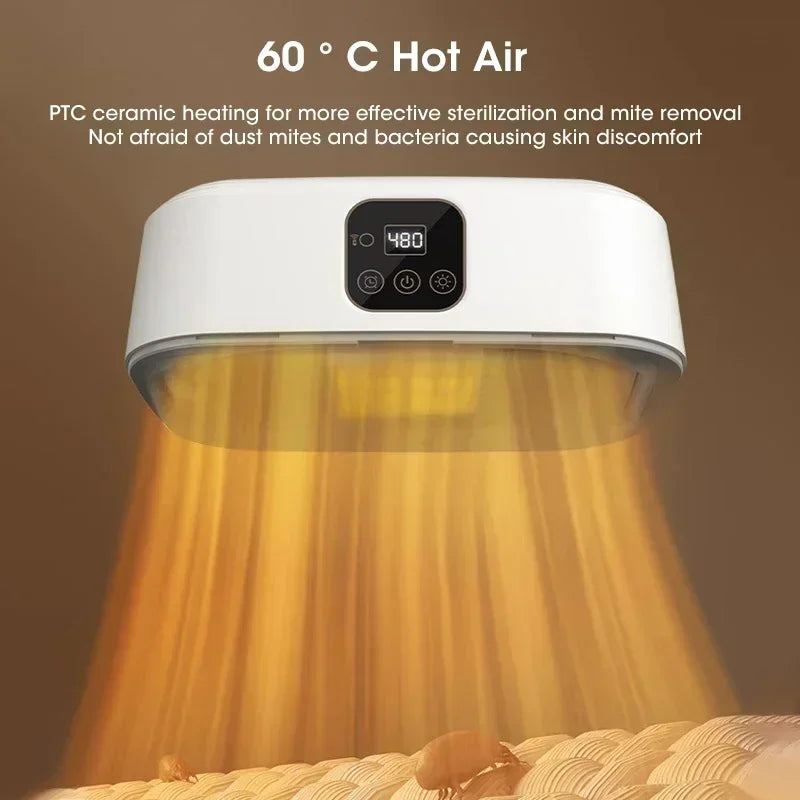
Efficient drying with proper timing and heat settings. See it in action.
Why Clothes Are Not Drying Properly (And When Timed Dry Helps)
Common causes of damp clothes
If clothes remain damp after drying, consider these common causes before assuming the appliance is faulty:
- Overloaded drum restricting airflow.
- Blocked lint filter or clogged dryer vent.
- Mixed heavy and lightweight fabrics drying unevenly.
- Automatic cycles ending before thicker items finish drying.
When another Timed Dry cycle makes sense
If only a few garments remain damp, running an additional short Timed Dry cycle is often more effective than repeating a full automatic program. However, if damp clothes become a frequent problem, inspect airflow and ventilation instead of simply increasing drying time.
Energy Efficiency and Fabric Care with Timed Dry
How to reduce energy use
Timed Dry can be energy efficient when used thoughtfully. Start with the shortest practical cycle, clean the lint filter regularly, and separate heavy loads from lightweight garments so each load receives only the drying time it needs.
Avoiding overdrying and fabric damage
Running longer cycles than necessary increases electricity use while accelerating wear on clothing fibers. Matching heat settings to fabric types and extending cycles only in small increments helps preserve garment shape, color, and softness.
Common Mistakes When Using Timed Dry
Choosing excessive drying time
Selecting the longest available cycle by default wastes energy and may cause unnecessary shrinkage or fabric wear.
Using high heat unnecessarily
Many everyday fabrics dry perfectly on medium or low heat. Reserve high heat for durable, heavy textiles that specifically benefit from it.
Ignoring load size
Drying times vary considerably depending on the amount of laundry in the drum. Small loads generally require much less time than full-capacity loads, so adjust the timer accordingly.
- Avoid overdrying by increasing time gradually.
- Clean the lint filter before every load.
- Do not overload the dryer.
- Separate heavy and lightweight fabrics when possible.
Frequently Asked Questions About Timed Dry
What does Timed Dry mean on a dryer?
It is a manual drying cycle that runs for a fixed amount of time you choose rather than using moisture sensors to determine when to stop.
How does Timed Dry work?
The dryer operates for the selected time while applying the chosen heat level. The cycle ends when the timer reaches zero.
Timed Dry vs Sensor Dry: which is better?
Neither setting is universally better. Sensor Dry is ideal for routine laundry, while Timed Dry offers greater control for bulky items, damp clothes, and specialty fabrics.
When should I use Timed Dry?
Use it for towels, bedding, partially dry clothes, quick refreshes, or whenever automatic cycles consistently stop too early.
Does Timed Dry use more electricity?
It can if the cycle is longer than necessary. Choosing shorter cycles and extending them only when needed helps minimize energy consumption.
Can Timed Dry shrink clothes?
Yes. Excessive heat combined with long drying times can shrink natural fibers such as cotton. Always follow garment care labels.
Why are my clothes still damp after Timed Dry?
The most common causes are insufficient drying time, overloaded loads, restricted airflow, or blocked dryer vents.
How long should a Timed Dry cycle be?
Most loads require between 20 and 60 minutes, although bulky items may need additional time depending on thickness and moisture content.
Can I use Timed Dry for delicate fabrics?
Yes. Use a low heat setting and shorter drying intervals, checking garments regularly to avoid overdrying.
Does Timed Dry stop automatically?
Yes. The dryer stops automatically once the selected countdown reaches zero, even if clothes have not completely dried.













