

Do Propane Camping Heaters Really Keep You Safe and Warm?
Propane camping heaters can provide dependable warmth during cold-weather adventures, but their safety depends on choosing the right model and using it correctly. Modern heaters designed for camping often include tip-over shutoff switches, oxygen depletion sensors (ODS), and flame-failure protection to reduce common hazards. Even with these safeguards, no propane heater should be treated as risk-free.
Understanding the difference between indoor-safe and outdoor-only models is essential. Indoor-rated heaters are engineered to operate in enclosed environments with proper ventilation, while outdoor-only units should never be used inside tents, campers, or cabins.
- Choose CSA or UL-certified models when indoor operation is recommended by the manufacturer.
- Never operate a propane heater in an unventilated tent or enclosed shelter.
- Maintain the recommended clearance from sleeping bags, clothing, chairs, and other flammable materials.
- Always keep a carbon monoxide detector nearby when using an indoor-safe propane heater.
When matched to the right environment and used responsibly, a propane camping heater can safely extend your camping season and make freezing nights significantly more comfortable.
Best Propane Camping Heaters (2026): Safe Picks for Cold Weather Camping
Cold nights shouldn't end your camping trip early. The best propane camping heaters provide fast, reliable heat without electricity, making them ideal for tents, cabins, RVs, and emergency outdoor use. This guide compares popular heater types, explains the safety features that matter most, and helps you choose the safest propane camping heater for your camping style.
⏱ 7 min read
Explore the top-rated options campers trust when temperatures drop.
Ever woken up shivering inside your tent at 3 a.m.? Choosing the right heater—and using it safely—can make winter camping far more comfortable without sacrificing safety.
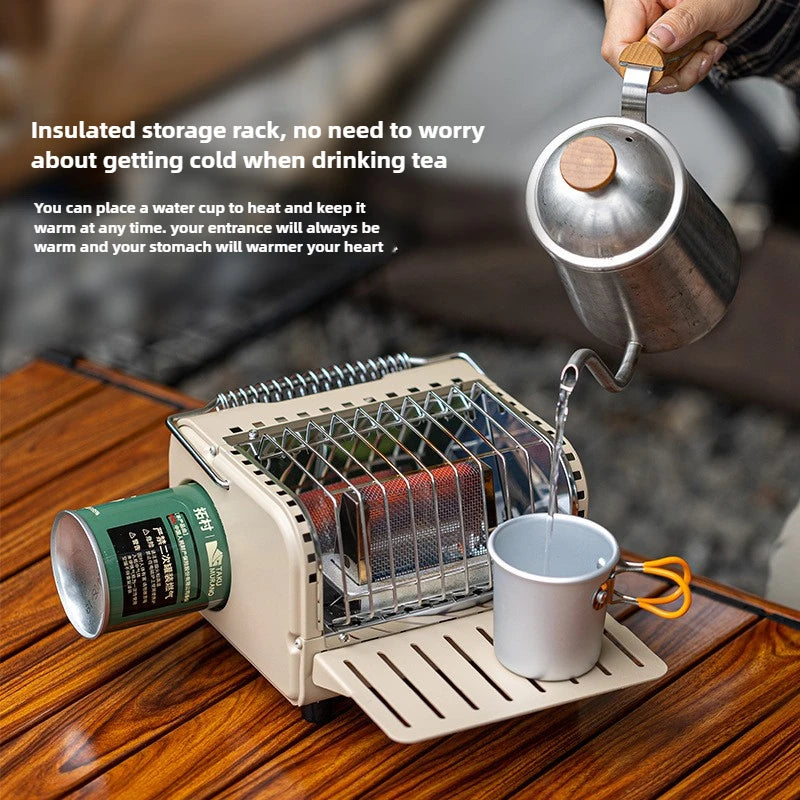
Reliable propane camping heaters for outdoor camping heater comfort — See it in action
How to Choose a Safe Propane Heater for Camping
The safest propane camping heater isn't necessarily the most powerful. Start by matching the heater to where you'll use it, then evaluate its safety systems before comparing heat output.
- Choose the correct environment: Buy an indoor-safe model only if you plan to use it inside a properly ventilated tent, camper, or cabin.
- Match BTU output to your shelter size: Oversized heaters waste fuel, while undersized models struggle in freezing weather.
- Prioritize safety over extra heat: Tip-over shutoff, ODS protection, and certified construction should come before maximum BTUs.
- Consider portability: Backpackers benefit from compact units, while car campers can comfortably carry larger heaters.
Common buying mistakes include:
- Using outdoor-only heaters inside enclosed spaces.
- Ignoring manufacturer ventilation requirements.
- Buying solely based on BTU ratings.
- Leaving heaters operating unattended or overnight.
Indoor vs Outdoor Propane Heaters: Know the Difference Before You Buy
Not every propane heater is intended for enclosed spaces. Understanding the intended operating environment helps prevent dangerous misuse.
Indoor-safe certifications
Indoor-safe propane heaters typically carry CSA or UL certification and include additional safety systems such as oxygen depletion sensors and automatic shutoff mechanisms. Always verify the manufacturer's operating recommendations instead of assuming a heater is indoor-safe.
Tent compatibility
Even an indoor-rated heater should only be used inside a tent with continuous ventilation. Tent size, fabric type, and airflow all influence safe operation.
Ventilation requirements
Fresh air must always circulate. Open a vent, partially unzip a tent door, or crack a window in an RV to reduce the risk of carbon monoxide accumulation. Never block ventilation openings while trying to conserve heat.
Essential Safety Features Every Propane Camping Heater Should Have
Modern propane camping heaters offer several layers of protection that dramatically improve safety when compared with older designs.
Oxygen depletion sensor (ODS)
An ODS automatically shuts the heater down if oxygen levels become dangerously low, helping reduce carbon monoxide risks in enclosed spaces.
If the heater is accidentally knocked over, the fuel supply is immediately interrupted to reduce fire hazards.
CSA/UL certification
Certification demonstrates that the heater has been tested against recognized safety standards. Always verify the certification label rather than relying solely on product descriptions.
Stable base and protective guards
- Wide, stable bases reduce tipping on uneven campsites.
- Protective mesh guards help prevent accidental burns.
- Flame-failure devices stop gas flow if the burner goes out.
- Regulated burners provide steadier heat and improved fuel efficiency.
Choose the Right BTU Output for Your Tent and Weather
Heat output should match your camping conditions instead of simply choosing the highest BTU rating available.
| Camping Situation | Recommended BTU Range | Typical Use |
|---|---|---|
| 1–2 person tent | 3,000–5,000 BTU | Cool evenings |
| Medium family tent | 5,000–9,000 BTU | Cold nights |
| Large tent or cabin | 9,000–12,000 BTU | Winter camping |
| Large RV or shelter | 12,000+ BTU | Extreme cold |
Higher BTU output generally increases propane consumption. A typical 1 lb propane cylinder often provides approximately 3–6 hours of runtime depending on the heat setting, outside temperature, and heater efficiency.
Best Propane Camping Heaters by Use Case
The best propane camping heater depends on how and where you camp.
Best portable option
Compact Radiant Propane Heater
- Best for: Solo campers and lightweight camping.
- Pros: Compact, quiet, fuel efficient.
- Cons: Limited heating coverage.
Best indoor-safe option
Indoor-Safe Portable Propane Heater
- Best for: Small tents and cabins with proper ventilation.
- Pros: CSA certification, tip-over protection, portable.
- Cons: Smaller heat radius.
Best for winter camping
High-Capacity Winter Camping Propane Heater
- Best for: Severe cold and extended winter trips.
- Pros: High BTU output, adjustable flame, CO-related safety systems.
- Cons: Heavier and consumes more fuel.
Best for larger shelters
Portable Outdoor Gas Heater with Wide Heat Spread
- Best for: Group camping and open shelters.
- Pros: Broad heat coverage, adjustable output, automatic shutoff.
- Cons: Larger size and higher propane use.
Explore this portable outdoor gas heater now
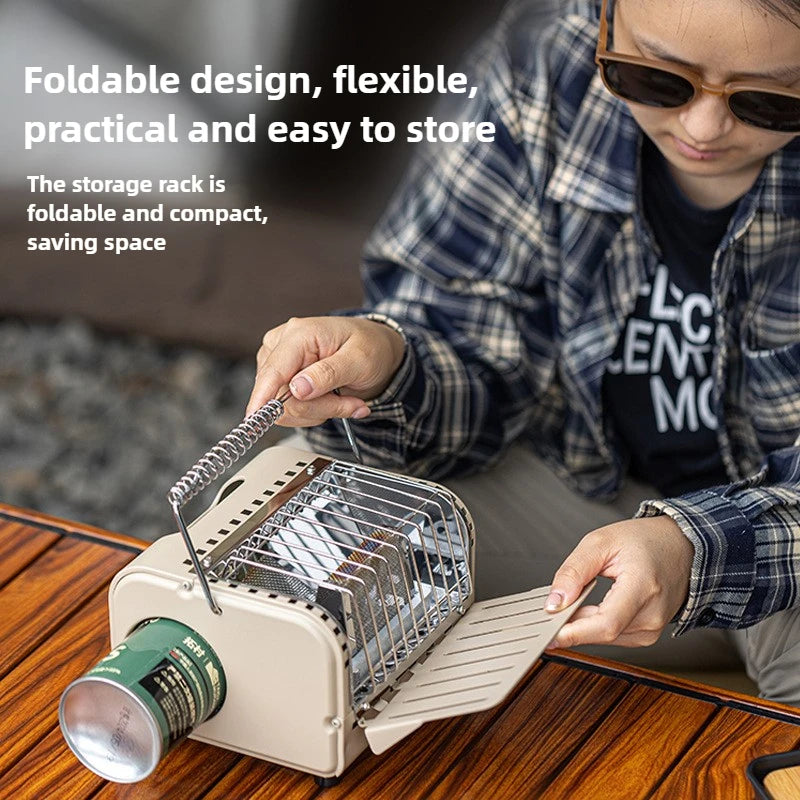
Portable outdoor gas heater performance for camping in freezing weather — See it in action
Compare Propane Heater Types
| Heater Type | Best For | Advantages | Limitations |
|---|---|---|---|
| Radiant | Small tents | Fast directional heat, compact | Smaller coverage area |
| Catalytic | Long runtime | Quiet, efficient heat | Usually lower heat output |
| Portable high-output | Group camping | Large heat coverage | Higher fuel consumption |
| Indoor-safe models | Tents, cabins, RVs | Additional safety systems | Require continuous ventilation |
How to Use a Propane Camping Heater Safely
Ventilation checklist
- Keep a vent, tent flap, or window partially open.
- Never completely seal your shelter while heating.
Carbon monoxide precautions
- Carry a working carbon monoxide detector.
- Test detector batteries before every trip.
Safe placement
- Maintain at least 3 feet of clearance from combustible materials.
- Place the heater on a flat, stable surface.
- Keep children and pets away from hot surfaces.
Fuel handling
- Inspect propane cylinders before use.
- Check hose connections for leaks.
- Turn the heater off before sleeping or leaving camp unattended.
Common Mistakes That Make Propane Heaters Unsafe
- Using an outdoor-only heater inside a tent.
- Blocking fresh-air ventilation to retain heat.
- Leaving the heater running while asleep.
- Storing propane cylinders near open flames or excessive heat.
- Ignoring damaged hoses, regulators, or connectors.
Maintenance and Pre-Trip Safety Checklist
- Inspect hoses, regulators, and fittings for cracks or wear.
- Perform a leak test using soapy water before each trip.
- Clean dust and debris from burner openings.
- Verify tip-over shutoff and ignition functions.
- Store propane cylinders upright in a cool, ventilated location.
- Pack spare fuel according to manufacturer recommendations.
Get yours now — limited stock!
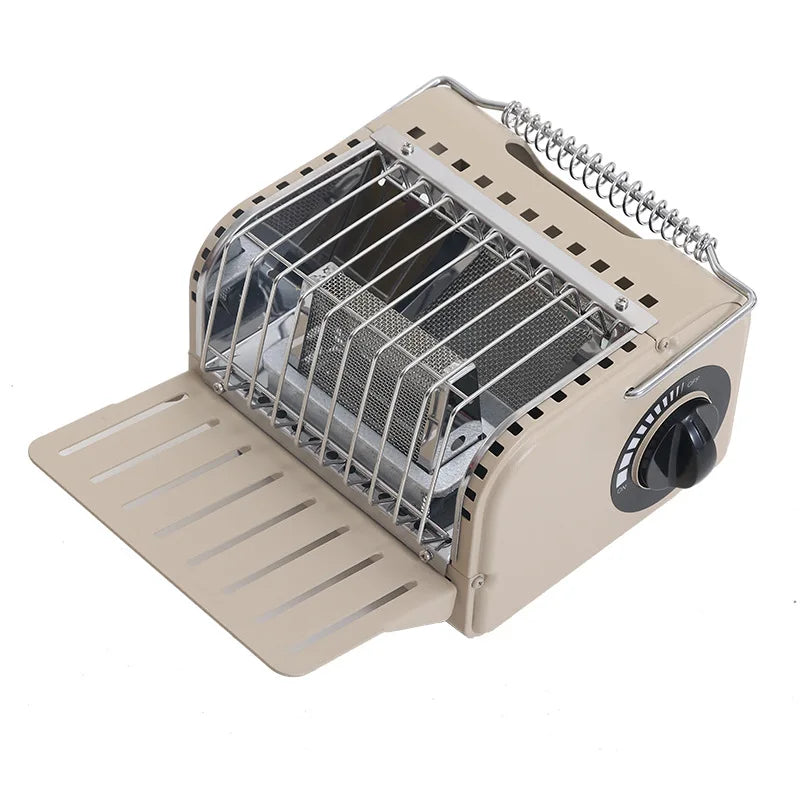
Safe propane heater setup for outdoor heater safety — See it in action
Frequently Asked Questions
Are propane camping heaters safe inside tents?
They can be when the heater is specifically rated for indoor use, the tent is properly ventilated, and all manufacturer instructions are followed.
How much ventilation is required?
Always maintain continuous fresh-air circulation by opening a vent, window, or tent flap according to the heater manufacturer's recommendations.
What BTU rating do I need?
Small tents generally require 3,000–5,000 BTU, while larger family tents or winter camping may require 9,000–12,000 BTU.
How long does a propane tank last?
A standard 1 lb propane cylinder commonly provides around 3–6 hours of heat depending on the heater output and temperature conditions.
Can propane heaters be used while sleeping?
For maximum safety, turn the heater off before sleeping unless the manufacturer specifically permits overnight operation and all recommended safety precautions are in place.
What certifications should I look for?
Look for recognized CSA or UL certification along with features such as oxygen depletion sensors, tip-over shutoff, and flame-failure protection.
For more lifestyle-focused outdoor comfort solutions, explore our Lifestyle collection.
Related Guide: Portable Camping Heater Comparison: Best Picks for Cold Trips













