

Does a PTC ceramic fan heater really work better than standard heaters?
A PTC ceramic fan heater can outperform many standard electric heaters when you need fast, consistent warmth with improved temperature control. A ptc fan heater review shows that these models heat rooms quickly, regulate power automatically, and provide safer operation than traditional coil heaters. However, they are best suited for small to medium spaces rather than replacing whole-home heating systems.
Key Takeaways
- PTC ceramic heaters provide rapid heat output, often producing noticeable warmth within seconds.
- Self-regulating ceramic elements help improve ptc heater energy efficiency by reducing unnecessary power use.
- They are safer than many older coil heaters because they include overheating protection and temperature control.
- The main limitations are fan noise, electricity dependence, and reduced effectiveness in very large rooms.
Who Should Buy a PTC Heater
A PTC heater is a strong choice for bedrooms, offices, apartments, and small living areas where quick heating and portability matter. If you need targeted warmth without installation costs, a PTC ceramic fan heater is often more practical than traditional heating options.
PTC Fan Heater Review: Best PTC Ceramic Heaters Compared & Tested
⏱ 7 min read
Cold rooms are frustrating—especially when heat takes too long or increases your electricity costs. This ptc heater review explains how PTC ceramic technology works, compares different heater types, and highlights the features that matter most when choosing a reliable indoor heating solution.
Discover what makes ceramic heating different before you choose.
Best PTC Fan Heaters (Tested & Compared)
Quick Comparison Table (Top Picks)
After evaluating heating speed, noise levels, safety features, portability, and energy performance, these categories represent the best choices for different needs.
| Category | Best For | Main Strength | Potential Limitation |
|---|---|---|---|
| Best Overall | Everyday home heating | Balanced performance, efficiency, and comfort | Higher price than basic models |
| Best Budget | Small rooms and personal use | Affordable and compact | Less powerful airflow |
| Best for Large Rooms | Living rooms and open spaces | Higher wattage and stronger circulation | Higher energy consumption |
| Quietest Option | Bedrooms and offices | Low operating noise | May sacrifice airflow strength |
| Safest Choice | Families and overnight use | Advanced safety controls | Usually costs more |
| Best for Offices | Workspaces | Portable personal comfort | Limited room coverage |
Best Overall PTC Fan Heater
The best overall PTC fan heater balances fast heating, reliable thermostat control, quiet operation, and practical safety features. It is ideal for users who want one heater that works well in bedrooms, offices, and everyday living spaces.
Best Budget PTC Heater
A budget PTC heater is a good option for smaller rooms or personal heating. Compact models provide quick warmth without requiring a large investment, making them suitable for apartments, desks, and occasional winter use.
Best for Large Rooms
Higher-output PTC heaters with stronger fans are better for larger areas. While they may use more electricity, they distribute warm air faster and reduce cold spots in open rooms.
Quietest PTC Fan Heater
Quiet models prioritize lower fan noise, making them better for bedrooms, study areas, and workspaces where concentration and sleep comfort matter.
Safest PTC Heater for Bedrooms
Bedroom-friendly models should include tip-over protection, automatic overheating shutoff, stable construction, and cool-touch surfaces.
Best PTC Heater for Offices
For office use, portability and low noise are usually more important than maximum heating power. Compact PTC heaters allow users to warm personal spaces without heating an entire building.
How We Tested Each PTC Fan Heater
Testing Conditions
Each PTC heater category was evaluated based on practical indoor use scenarios, including cold mornings, workspace heating, and bedroom comfort. Testing focused on how quickly warmth was produced and how consistently temperatures were maintained.
Scoring Criteria
- Heating performance: Warm-up speed and overall comfort.
- Noise measurement: Fan sound during normal operation.
- Safety evaluation: Protection features and operating stability.
- Energy consumption: Power draw and thermostat efficiency.
Room Sizes Used
Performance was considered across small rooms under 15m², medium rooms between 15–25m², and larger spaces above 25m² to determine where each heater performs best.
PTC Ceramic Fan Heater Performance (Real-World Testing Results)
Heating Speed Test
Most PTC fan heaters deliver noticeable warmth within 30–60 seconds. In smaller rooms, comfortable temperatures can usually be reached within 5–10 minutes depending on insulation and room conditions.
Temperature Rise by Room Size
| Room Size | Expected Performance |
|---|---|
| Under 15m² | Fast heating and strong comfort improvement |
| 15–25m² | Effective with properly sized models |
| 25m²+ | Requires higher-power units and may have slower warming |
Noise Level Comparison
Noise depends mainly on fan design. Quiet PTC heaters may operate around 35–45 dB, while stronger airflow models can reach 50–60 dB.
Energy Efficiency & Power Consumption
PTC technology improves ptc heater energy efficiency by automatically adjusting electrical resistance as temperatures increase. Instead of constantly running at maximum output, many models reduce power consumption after reaching the target temperature.
Thermostat Accuracy
A quality thermostat helps maintain stable comfort by cycling the heater on and off when the desired temperature is reached. Better temperature control can reduce unnecessary electricity use.
Heat Distribution & Comfort
Unlike directional infrared heating, PTC fan heaters circulate warm air throughout a room. This creates more even comfort and helps reduce cold areas near windows or corners.
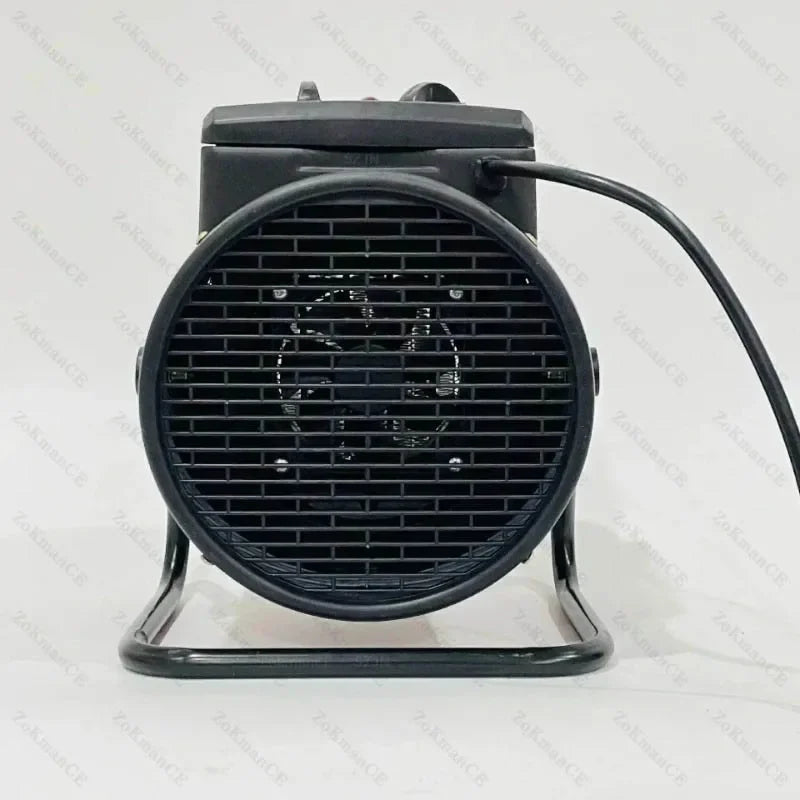
PTC ceramic fan heater using advanced PTC ceramic technology See it in action
What Is a PTC Ceramic Fan Heater?
A PTC ceramic fan heater uses ceramic heating elements with Positive Temperature Coefficient technology. These elements automatically increase resistance as temperatures rise, helping control heat output while maintaining efficient operation.
PTC vs Traditional Heating Elements
Traditional coil heaters continue drawing similar power levels while producing heat. PTC ceramic heaters adjust naturally as temperatures change, which improves safety and reduces overheating risks.
Common applications include bedrooms, offices, bathrooms, dorm rooms, and small living spaces where quick portable heating is needed.
How PTC Ceramic Heating Works (Simple Explanation)
PTC stands for Positive Temperature Coefficient. Inside the heater, ceramic materials become more resistant as they heat up, limiting electrical current and preventing excessive temperature increases.
Why PTC Technology Is Different
- Self-regulation: Automatically adjusts heat output.
- Heat transfer: A fan pushes warm air into the room.
- Efficiency: Reduces wasted energy after reaching comfort levels.
- Safety: Lowers the chance of overheating compared with basic heating coils.
PTC Heater Pros and Cons
Pros
- Fast heating within seconds
- Self-regulating energy efficiency
- Improved safety with lower overheating risk
- Even heat distribution
- Compact and portable designs
Cons
- Fan noise may be noticeable
- Less effective in very large spaces
- Requires electricity
How PTC Ceramic Heat Feels in Real Homes
In real homes, PTC fan heaters provide steady warmth rather than sudden heat bursts. Bedrooms benefit from quick morning heating, offices benefit from targeted comfort, and small living rooms can warm up faster without installing permanent systems.
Compared with oil heaters, PTC models provide faster warmth. Compared with infrared heaters, they offer more balanced room coverage instead of heating only objects directly in front of the unit.
PTC Ceramic Fan Heater vs Other Heater Types
PTC vs Conventional Fan Heater
Both use fans to circulate warm air, but PTC heaters provide better temperature control because the ceramic element naturally regulates heat output.
PTC vs Oil Heater
Oil heaters retain heat longer after switching off, but PTC heaters warm rooms much faster and are easier to move between spaces.
PTC vs Infrared Heater
Infrared heaters provide focused radiant warmth, while PTC fan heaters are better for distributing heat throughout an entire room.
Ceramic Heater Safety: Are PTC Heaters Safe?
PTC ceramic heaters are considered among the safer electric heating options because they combine self-regulating elements with modern safety controls.
Tip-Over Protection
Many portable models automatically shut off if knocked over, reducing risks during everyday use.
Overheat Protection
Automatic shutoff systems help prevent excessive temperatures during extended operation.
Child & Pet Safety
Use heaters on stable surfaces, keep vents uncovered, and maintain distance from children, pets, curtains, and other materials.
Can You Leave It Running?
Although many models include safety features, it is recommended to follow manufacturer instructions and avoid leaving any portable heater unattended for extended periods.

Portable PTC ceramic fan heater for flexible home use See it in action
PTC Heater Energy Efficiency & Running Costs
Electricity Cost Examples
Most PTC heaters use between 1000W and 2000W. Actual costs depend on electricity rates, usage time, and thermostat cycling.
Daily vs Monthly Costs
A 1500W heater running continuously uses approximately 1.5 kWh per hour. However, thermostat-controlled operation may reduce total runtime compared with a heater operating constantly at full power.
Tips to Reduce Energy Use
- Choose the correct heater size for your room.
- Use thermostat settings instead of maximum power continuously.
- Close doors and windows to prevent heat loss.
- Use timers for scheduled heating.
How to Choose the Best PTC Fan Heater
Room Size Guide
Small rooms (under 15m²): Compact heaters around 1000W
Medium rooms (15–25m²): Standard heaters around 1500W
Large rooms (25m²+): Higher-power models around 2000W
Key Features to Look For
- Adjustable thermostat
- Oscillation for wider coverage
- Timer and remote control
- Multiple heat settings
Certifications & Safety Features
- Overheat protection
- Tip-over switch
- Safety certifications such as CE or UL
Noise Levels
For bedrooms and offices, prioritize models with quieter fans. Higher airflow usually produces more noticeable operating noise.
Portability
Compact designs with handles and lightweight construction are easier to move between rooms.
Maintenance, Cleaning & Expected Lifespan
Cleaning the Filter
Dust buildup can reduce airflow and heating performance. Clean filters and vents regularly according to the manufacturer's instructions.
Storage Tips
Store the heater in a dry location after winter use and avoid placing heavy objects on the unit or power cord.
Typical Lifespan
With proper maintenance, quality PTC ceramic heaters can last several years while maintaining reliable heating performance.
Who Should Consider a PTC Fan Heater?
- People needing fast, portable heating
- Apartment and small home users
- Bedroom or office heating needs
- Users prioritizing safety and efficiency
Those needing whole-house heating or heating very large open areas may need a more powerful solution.

Energy-efficient PTC ceramic fan heater for winter comfort See it in action
Final Verdict: Are PTC Fan Heaters Worth It?
A ptc fan heater review shows that these heaters are worth considering for users who want fast warmth, portability, and improved temperature control. They are especially effective for bedrooms, offices, and small to medium rooms.
Best Overall Recommendation
Choose a PTC ceramic heater if you want a balanced combination of heating speed, safety features, and everyday convenience.
Best Value Choice
A compact PTC heater offers excellent value for users who need affordable personal heating without installing permanent systems.
FAQ: PTC Heater Reviews & Buying Questions
Is a PTC ceramic fan heater safe to leave on?
Most models include safety features, but portable heaters should not be left unattended for long periods.
Does ceramic heating dry out the air?
No. Electric ceramic heaters warm air but do not remove humidity in the way some heating systems may.
How big of a room can it heat?
Most PTC heaters work best in rooms up to around 25 square meters depending on insulation and power output.
Are ceramic heaters energy efficient?
Yes. PTC ceramic heaters improve efficiency by regulating power output as temperatures increase.
What is the lifespan of a PTC heater?
With regular cleaning and proper use, many PTC heaters can last several years.
Do PTC heaters use less electricity?
PTC heaters can reduce wasted energy because the ceramic element adjusts output instead of constantly operating at maximum power.
Are PTC heaters noisy?
Because they use fans, some noise is expected. Quiet models are available for bedrooms and offices.
Can a PTC heater replace central heating?
No. PTC heaters are designed for targeted heating and personal comfort rather than replacing complete home heating systems.
Related Guide: Best Portable Heater Indoor Use: 2025 Comparison Guide













