

How Do Quick Change Ski Goggles Work?
Quick change ski goggles use interchangeable lens systems that allow you to swap lenses in seconds as mountain conditions change. Instead of forcing a lens into a rigid frame, modern systems rely on magnets, locking clips, or sliding rails to secure the lens while making replacement fast enough to perform on the chairlift or at the top of a run. The right system improves visibility, reduces downtime, and helps you keep the correct lens for changing light throughout the day.
Magnetic lens systems (fastest option)
Magnetic ski goggles use powerful embedded magnets positioned around the frame to guide the replacement lens into perfect alignment. Premium designs often combine magnets with small mechanical tabs for additional security, giving riders both speed and confidence.
- Fast lens changes, often in under 10 seconds
- Easy to swap while wearing insulated gloves
- Reliable hold during carving, jumps, and high-speed descents
- Excellent choice for skiers who experience rapidly changing weather
Clip-lock systems (secure but slower)
Clip-lock systems use mechanical tabs or latches to secure the lens to the frame. Although changing lenses requires more time and dexterity, many aggressive skiers appreciate the extra reassurance provided by physical locking mechanisms.
- Very secure lens attachment
- Good option for demanding terrain and racing environments
- Lens replacement takes longer than magnetic systems
- Can be more difficult with cold hands or bulky gloves
Rail or slide systems (balanced option)
Rail systems guide the lens into channels built into the frame. While less common today, they offer dependable alignment and a compromise between convenience and security.
- Moderate lens swap speed
- Consistent lens positioning
- Stable fit once installed
- Less convenient for quick changes on the lift
For most recreational skiers and snowboarders, magnetic quick change ski goggles offer the best balance of convenience, weather adaptability, and dependable performance. Riders who prioritize maximum mechanical security may still prefer clip-lock systems, while rail systems remain a practical middle-ground option.
Quick Change Ski Goggles: How to Switch Lenses on the Lift
⏱ 6 min read
Mountain weather can change within minutes—from bright sunshine to flat light, dense cloud, or blowing snow. Quick change ski goggles are designed for exactly these situations, allowing you to switch to the right lens without interrupting your day on the slopes. Whether you're skiing groomers, trees, or backcountry terrain, choosing the correct lens improves visibility, confidence, and safety.
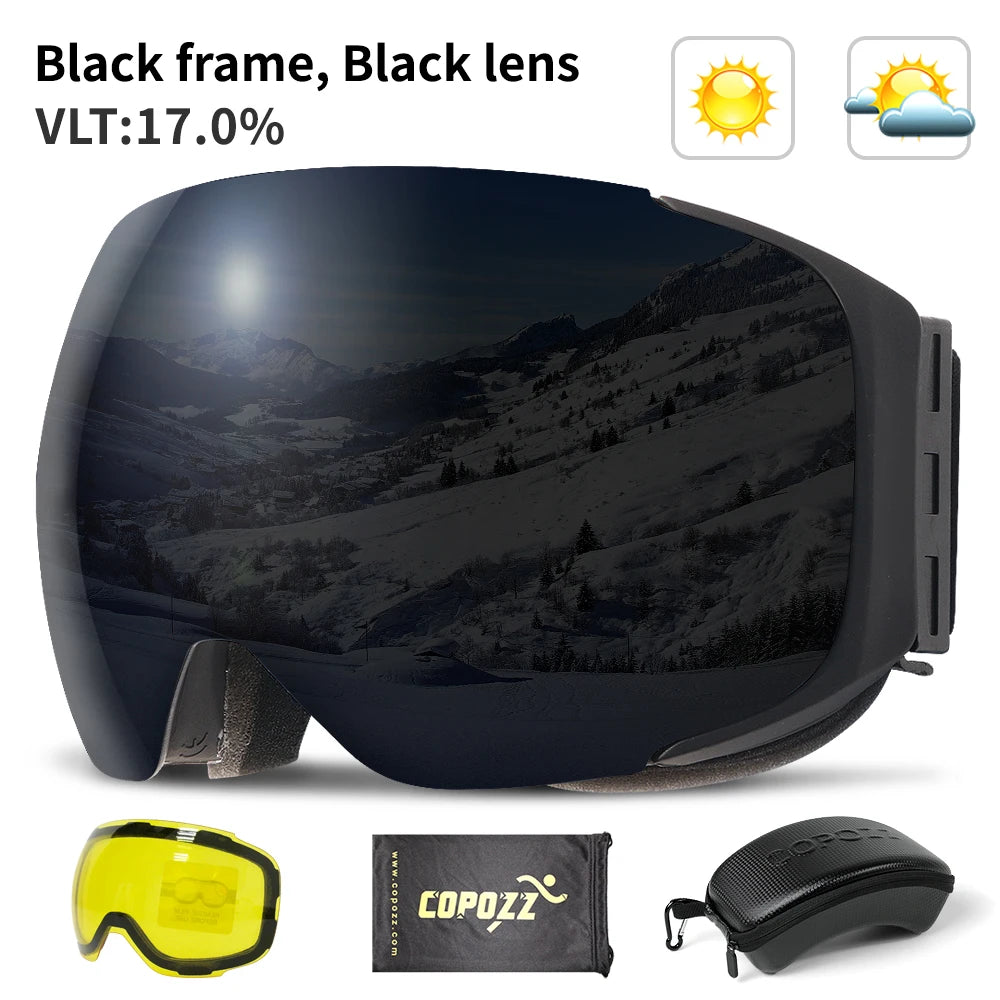
Quick change ski goggles ready for shifting light. See them in action on changing mountain terrain.
Why Fast Lens Changes Matter in Real Skiing
No two ski days are exactly alike. A sunny summit can transition into shaded tree runs, fog can roll in unexpectedly, and snowfall can dramatically reduce contrast within minutes. Using the wrong lens forces your eyes to work harder, making bumps, ice patches, and terrain changes more difficult to recognize.
Quick change ski goggles let you adapt almost immediately instead of finishing the day with compromised vision. Swapping to the correct lens helps maintain depth perception, reduces eye fatigue, and keeps your focus on skiing rather than struggling to see.
- Swap lenses in approximately 5–10 seconds with quality magnetic systems
- Improve visibility during flat light, snowfall, fog, and changing cloud cover
- Reduce eye strain caused by poor contrast
- Increase confidence when navigating variable terrain
- Spend more time skiing instead of returning to the lodge
Best Quick Change Ski Goggles (Tested & Compared)
We compared popular quick lens change goggles using practical buying criteria including lens swap speed, glove-friendly usability, anti-fog performance, optical clarity, durability, and overall value. Different riders have different priorities, so the best option depends on where and how you ski.
Best Overall: Magnetic All-Condition Goggles
Ideal for most all-mountain skiers looking for the best combination of convenience and performance.
- Pros: Extremely fast lens changes, dependable magnetic retention, multiple lenses included, comfortable all-day fit
- Cons:Higher initial investment than entry-level models
- Best for: Resort skiers and snowboarders riding in mixed weather
Best for Low Light & Storm Skiing
Designed around high-VLT lenses that maximize contrast when visibility is limited.
- Pros: Excellent terrain definition, improved visibility in snowfall and fog, fast lens swaps
- Cons: Requires switching to a darker lens in bright sun
- Best for: Frequent storm skiing and cloudy conditions
Best Budget Interchangeable Goggles
A practical entry point for occasional skiers who still want interchangeable ski goggle lenses.
- Pros: Affordable pricing, dependable lens system, beginner-friendly operation
- Cons: Fewer included lenses and premium features
- Best for: Casual riders and first-time buyers
Best for Backcountry & Touring
Lightweight designs with dependable performance during long days in changing alpine weather.
- Pros: Lightweight construction, compact spare lenses, dependable cold-weather performance
- Cons: Premium touring models typically cost more
- Best for: Ski touring, splitboarding, and backcountry adventures
Best Premium
Premium quick lens change goggles emphasize optical clarity, advanced anti-fog technology, and long-term durability for frequent skiers.
- Pros: Exceptional optics, premium coatings, durable construction, outstanding comfort
- Cons: Highest purchase price
- Best for: Enthusiasts who ski regularly throughout the season
Quick Comparison: Top Quick Change Ski Goggles
Feature Comparison
| Lens System | Swap Speed | Ease with Gloves | Security | Best For |
|---|---|---|---|---|
| Magnetic | ★★★★★ | ★★★★★ | ★★★★☆ | Changing weather, all-mountain skiing |
| Clip-lock | ★★☆☆☆ | ★★☆☆☆ | ★★★★★ | Aggressive riding, racing |
| Rail / Slide | ★★★☆☆ | ★★★☆☆ | ★★★★☆ | Balanced everyday performance |
Performance Ratings
- Fastest lens changes: Magnetic systems
- Most secure retention: Clip-lock systems
- Best balance of speed and stability: Rail systems
- Best for beginners: Magnetic goggles with a simple interchangeable lens design
- Best for experienced skiers: Premium magnetic goggles with multiple interchangeable lenses
How to Switch Lenses on the Lift Without Stress
Knowing how to change ski goggle lenses safely is just as important as choosing the right lens system. A quick, careful lens swap protects the anti-fog coating, minimizes the risk of dropping a lens, and helps you stay ready for changing visibility without leaving the chairlift.
Step-by-Step: On-Lift Lens Change
- Hold the goggle frame securely with one hand to keep it stable.
- Release the lens from one corner using the manufacturer's recommended method.
- Keep your replacement lens inside a protective pouch or an inner jacket pocket so it stays warm and clean.
- Align the replacement lens with the frame and allow the magnets or locking mechanism to engage naturally.
- Press gently around the frame edges to confirm the lens is fully seated before continuing your run.
Common Mistakes to Avoid
- Swapping lenses while facing into strong wind.
- Touching the inner lens surface, which can damage the anti-fog coating.
- Setting lenses directly on snow or rough surfaces.
- Rushing the installation without checking that every edge is properly secured.
- Skipping practice before your first day on the mountain.
When Not to Change Lenses
- While riding or unloading from the lift.
- During high winds that could blow away a loose lens.
- When your gloves are soaked or covered with ice.
- If conditions allow you to safely wait until the next lift station or lodge.
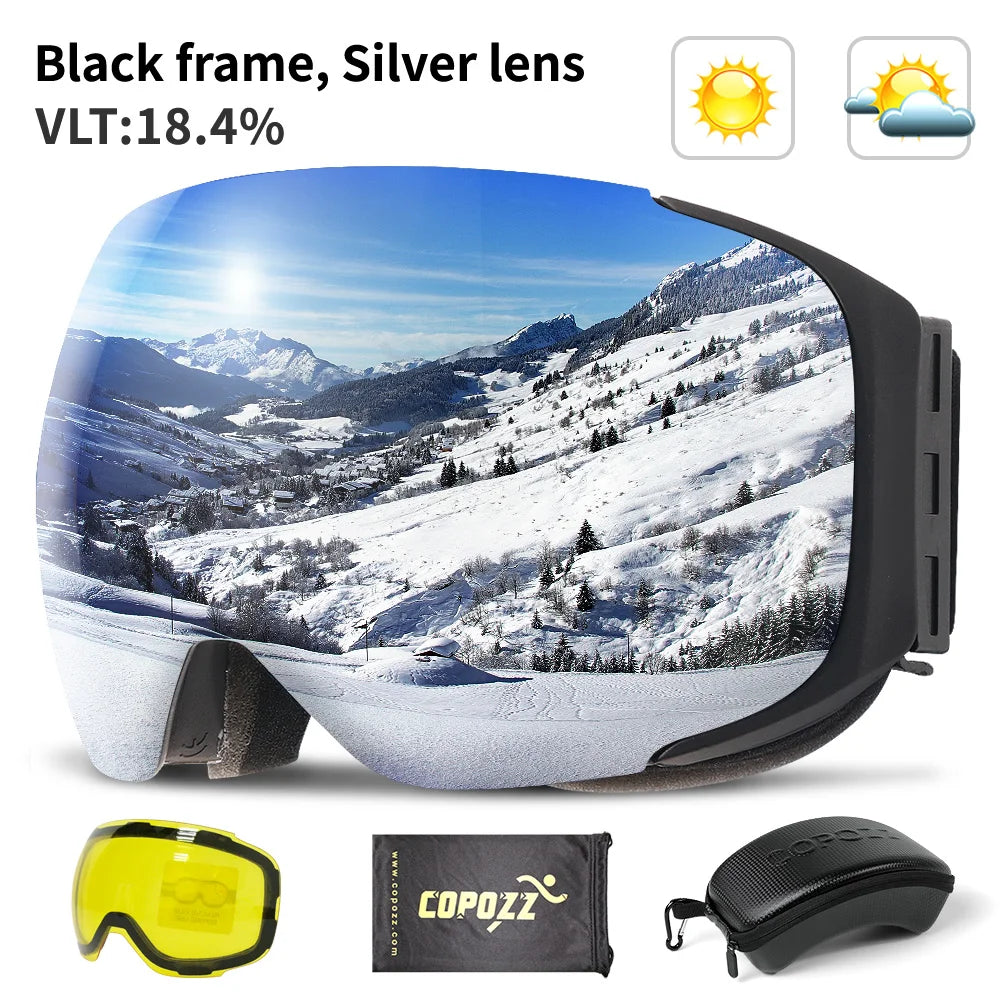
Quick change lenses designed for gloved hands. Practice the swap before your first run for faster, more confident changes.
Magnetic vs Clip-Lock Lens Systems
Both interchangeable lens systems improve versatility, but each serves a different type of skier. Your choice should depend on how often you change lenses, the terrain you ride, and whether speed or maximum retention matters most.
Magnetic systems
- Fastest lens swaps for changing weather
- Simple operation while wearing gloves
- Ideal for resort skiing and all-mountain use
- Premium models combine magnets with retention tabs for added security
Clip-lock systems
- Mechanical locks provide excellent lens retention
- Suitable for racing and aggressive skiing
- Require more time and precision during lens changes
- Less convenient when swapping lenses frequently throughout the day
Which Should You Buy?
If you regularly encounter changing light conditions, magnetic quick change ski goggles provide the best combination of convenience, speed, and everyday performance. Skiers who prioritize maximum mechanical security and rarely switch lenses may prefer clip-lock systems, although they typically require more effort during each lens change.
How Quick Change Lenses Improve Confidence When Skiing in Low Visibility
Flat light, snowfall, fog, and heavy cloud can reduce contrast and make bumps, ruts, and icy patches difficult to identify. Interchangeable ski goggle lenses allow you to match your optics to current conditions, helping improve terrain recognition, depth perception, and overall confidence throughout the day.
Understanding VLT (Visible Light Transmission)
Visible Light Transmission (VLT) indicates how much light passes through a ski goggle lens. Selecting the appropriate VLT improves visibility while reducing eye strain in different weather conditions.
| VLT Range | Best Conditions | Recommended Lens Colors |
|---|---|---|
| 5–20% | Bright sunshine and glacier conditions | Dark gray, black, mirrored |
| 20–50% | Variable weather and partly cloudy days | Bronze, amber, copper |
| 50%+ | Flat light, snowfall, heavy clouds | Yellow, rose, clear |
- Yellow and rose lenses enhance contrast on snowy terrain.
- Clear lenses provide maximum visibility during night skiing and severe storms.
- Darker mirrored lenses minimize glare during bright alpine conditions.
- Quick change systems let you adapt as visibility changes without carrying multiple pairs of goggles.
Using the correct interchangeable ski goggle lenses throughout the day helps maintain confidence when weather changes unexpectedly and improves your ability to read changing terrain.
Choosing the Best Interchangeable Lens Ski Goggles
The best interchangeable ski goggles combine optical clarity, fast lens changes, reliable anti-fog performance, and long-term durability. Consider these features before making your purchase.
Lens quality & VLT range
- Select goggles that include lenses for both bright sunshine and low-light conditions.
- Look for high-quality optics that provide accurate color and sharp terrain definition.
- UV protection and scratch-resistant coatings add long-term value.
Ease of lens swap
Magnetic systems remain the easiest option for fast, glove-friendly lens changes, making them ideal for skiers who frequently encounter changing weather.
Anti-fog performance
- Double-layer lens construction helps reduce condensation.
- Well-designed ventilation channels improve airflow.
- Durable anti-fog coatings maintain clearer vision throughout long ski sessions.
Fit & helmet compatibility
Choose goggles that seal comfortably against your face and integrate well with your ski helmet to minimize airflow gaps, improve comfort, and reduce fogging.
Replacement lens availability
Before purchasing, confirm that replacement lenses are readily available. A wide selection of interchangeable lenses allows you to expand your setup over time without replacing the entire goggle.
Explore more gear in the Lifestyle collection.
Care Tips to Keep Quick Change Lenses Working Smoothly
Proper maintenance extends the life of your goggles, protects anti-fog coatings, and ensures reliable lens changes season after season.
Cleaning
- Allow moisture to air dry before wiping the lens.
- Use only a clean microfiber cloth on the outer lens surface.
- Avoid paper towels, clothing, or abrasive materials that can scratch coatings.
- Do not rub the inner lens surface, as this may damage the anti-fog treatment.
Storage
- Store spare lenses in individual protective sleeves.
- Let goggles dry completely before placing them in a case.
- Avoid placing lenses face-down on hard surfaces.
- Keep lenses away from excessive heat during off-season storage.
Magnet Maintenance
- Inspect magnetic contact points for dirt or ice before installing a new lens.
- Remove snow buildup that may affect lens alignment.
- Check that the lens is fully seated before every run.
- Replace damaged lenses promptly to maintain reliable performance.
Explore recovery tools in the Eye Care Devices collection.
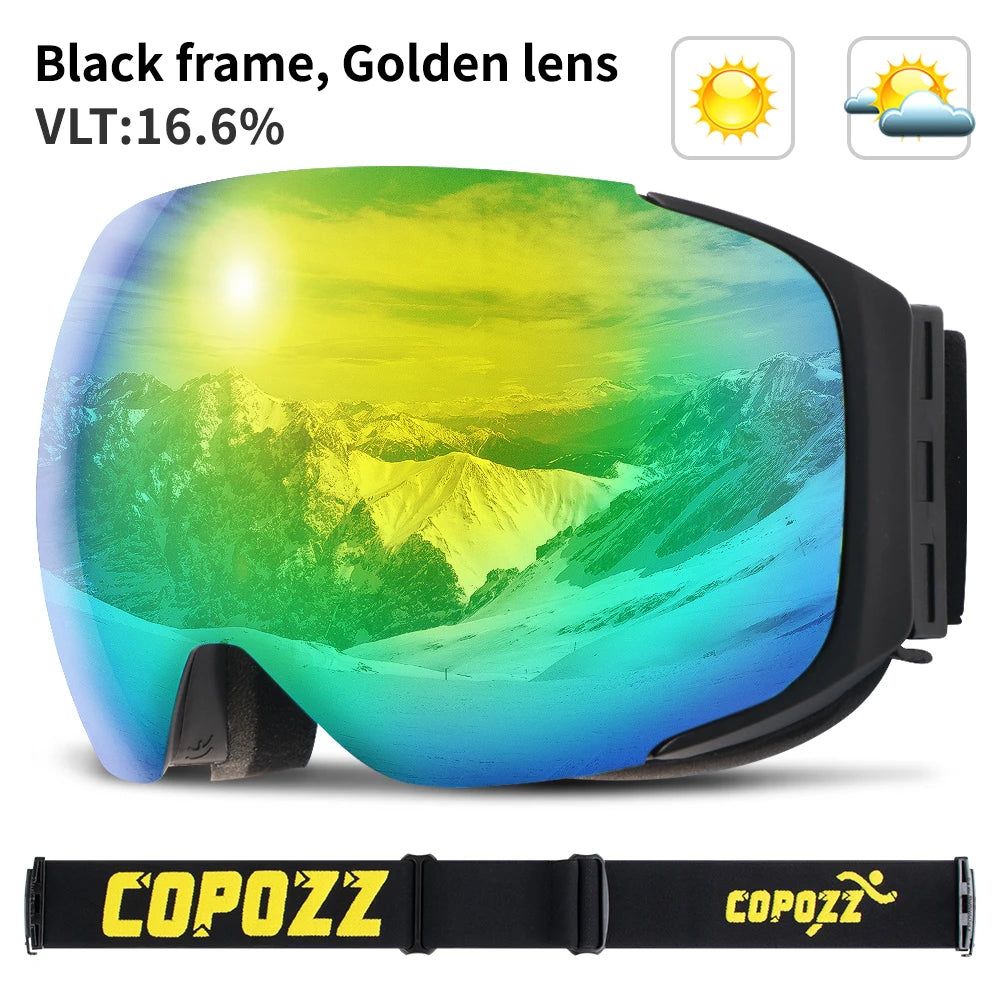
Best interchangeable lens ski goggles for changing conditions. Proper care helps maintain clear vision and dependable lens swaps throughout the season.
Cost, Lens Replacement & Long-Term Value
The true cost of owning quick change ski goggles extends beyond the initial purchase. Considering replacement lens availability, durability, and long-term support can help you choose a system that delivers better value over multiple ski seasons.
Replacement Lens Availability
- Replacement lenses vary by brand, lens technology, and tint.
- Most interchangeable ski goggle lenses are designed specifically for one model and are not cross-compatible.
- Choose manufacturers that continue offering replacement lenses after new models are released.
- Multi-lens bundles often provide better overall value than purchasing additional lenses separately.
Warranty & Durability
- Quality magnetic systems typically cost more initially but can last for many seasons with proper care.
- Scratch-resistant coatings and durable frames reduce replacement frequency.
- Reliable magnetic alignment helps maintain consistent lens performance over time.
- A solid warranty and readily available replacement parts increase long-term ownership value.
If you regularly ski in changing weather, investing in at least two interchangeable lenses—one for bright sunshine and one for low-light conditions—typically provides the best balance of performance and cost.
Frequently Asked Questions
What are the best quick change ski goggles?
The best quick change ski goggles combine fast magnetic lens changes, dependable anti-fog performance, excellent optical clarity, comfortable helmet compatibility, and readily available replacement lenses. The right choice depends on your skiing style, weather conditions, and budget.
How do you change ski goggle lenses safely?
Hold the frame instead of the lens, remove the lens carefully from the designated release point, avoid touching the inner anti-fog surface, and confirm every edge is fully seated before skiing.
Can you change ski goggle lenses on the lift?
Yes. High-quality magnetic systems allow many skiers to complete a lens swap in under 10 seconds, although it's safest to perform the change while the chairlift is moving steadily and away from strong wind.
Are magnetic ski goggle lenses secure at high speed?
Yes. Premium magnetic goggles are engineered to keep lenses securely attached during normal downhill skiing, carving, and most resort conditions. Many designs also incorporate mechanical retention features for added security.
Which is better: magnetic or clip-lock ski goggles?
Magnetic systems are generally the better choice for most recreational skiers because they offer faster, glove-friendly lens changes. Clip-lock systems provide maximum mechanical security and may appeal to racers or aggressive riders who rarely change lenses.
Are interchangeable ski goggle lenses universal?
No. Most interchangeable ski goggle lenses are designed specifically for individual brands and models. Always confirm compatibility before purchasing replacement lenses.
How often should ski goggle lenses be replaced?
Replace lenses whenever scratches, damaged coatings, or reduced optical clarity begin affecting visibility. Well-maintained lenses can last several seasons, while frequently used lenses may require earlier replacement.
Which lens color is best for flat light?
Yellow, rose, and other high-VLT lenses are excellent choices for flat light because they enhance contrast and make uneven snow and terrain features easier to distinguish.













