

What Is the Quietest Electric Heater? (Best Low-Noise Options Ranked for 2026)
Choosing a quiet electric heater isn't just about comfort—it's about getting restful sleep, staying focused while working, and keeping your living space warm without constant background noise. Whether you're heating a bedroom, nursery, home office, or apartment, understanding noise levels, heater technology, and room sizing helps you choose the best model for your needs.
⏱ 9 min read
Explore how this compact heater works in real homes
What Is the Quietest Electric Heater? Understanding Noise Levels
Short answer: The quietest electric heater is usually an oil-filled radiator, followed closely by an infrared radiant heater. Because both operate without a circulating fan, they produce little to no operating noise, making them excellent choices for bedrooms and overnight heating.
Typical Noise Levels (dB) Explained
Heater noise is measured in decibels (dB). Every increase of 10 dB represents a noticeable increase in perceived loudness.
- 0–20 dB: Virtually silent (oil-filled radiators, many infrared heaters)
- 20–30 dB: Whisper quiet (premium low-noise heaters)
- 30–40 dB: Soft background hum (quiet ceramic heaters)
- 40–50 dB: Noticeable fan sound (standard fan heaters)
- 50+ dB: Can become distracting in quiet bedrooms or offices
What Counts as Silent vs Low-Noise
A silent electric heater has no continuously running fan or motor. Oil-filled and radiant infrared models warm spaces through heat transfer rather than forced airflow.
A low-noise space heater still uses a fan but incorporates quieter motors, insulated housings, and optimized airflow. These models heat rooms much faster while keeping sound at a comfortable level.
Can Any Electric Heater Be Completely Noise-Free?
No heater is perfectly silent all the time. Even fanless heaters may occasionally produce faint thermostat clicks or slight metal expansion sounds as components heat and cool. However, these sounds are brief and far quieter than continuous fan noise.
How We Evaluated the Best Noise Free Space Heaters
Testing Criteria
Our evaluation focuses on the factors buyers care about most:
- Operating noise
- Heating consistency
- Room coverage
- Energy efficiency
- Safety features
- Ease of use
- Long-term reliability
Noise Measurement
Manufacturer specifications are useful, but real-world performance matters more. Noise perception depends on room acoustics, fan speed, placement, and distance from the heater. For bedroom use, heaters operating below roughly 30 dB generally feel unobtrusive during sleep.
Heating Performance vs Quietness
The quietest heater is not always the fastest heater. Fanless models prioritize silent operation and steady comfort, while ceramic fan heaters sacrifice a little quietness to warm rooms much more quickly.
Quick Comparison Table: Best Quiet Electric Heaters
| Heater Type | Estimated Noise | Typical Coverage | Best Use Case | Key Safety Features |
|---|---|---|---|---|
| Oil-Filled Radiator | 0–20 dB | Small to medium rooms | Bedrooms, overnight heating | Tip-over protection, thermostat, overheat shutoff |
| Infrared Heater | 0–25 dB | Personal or spot heating | Quiet workspaces | Overheat protection |
| Ceramic Heater (Low Noise) | 30–40 dB | Small rooms | Fast daily heating | Tip-over protection, ECO mode |
| Micathermic Panel Heater | 0–25 dB | Medium rooms | Balanced comfort | Thermostat, overheat protection |
| Traditional Fan Heater | 40–50 dB | Small rooms | Rapid heating | Basic safety shutoff |
Best Noise Free Space Heaters (2026 Reviews)
Best Overall Quiet Electric Heater
Oil-filled radiators remain the best quiet electric heater overall because they combine silent operation, stable temperatures, and excellent overnight comfort. Their slower heating speed is offset by longer heat retention and reduced temperature swings.
Best Noiseless Heater for Bedroom
Infrared heaters provide gentle radiant warmth without circulating air, making them ideal for sleepers who dislike fan noise or dry air. They're particularly effective when positioned close to where warmth is needed.
Best Quiet Room Heater for Office
Premium ceramic heaters with dedicated quiet modes provide an excellent balance between fast heating and minimal distraction during meetings, video calls, or focused work.
Best Low Noise Space Heater on a Budget
Budget ceramic heaters often include multiple fan speeds, allowing users to prioritize quieter operation while maintaining sufficient warmth for small rooms.
Best Silent Portable Heater Indoor
Compact infrared heaters are lightweight, portable, and nearly silent, making them ideal for desks, bedrooms, and reading areas.
Best Oil-Filled Radiator
Oil-filled radiators excel at maintaining comfortable overnight temperatures without constant cycling, making them one of the most reliable options for continuous winter heating.
Best Infrared Heater Without Fan
Fanless infrared heaters warm people and nearby objects directly rather than heating all the room air first, delivering efficient spot heating with virtually no operating noise.
Why Some Electric Heaters Are Noisy
Fan Noise
Most operating noise comes from the fan pushing warm air throughout the room. Faster airflow generally means faster heating—but also more audible sound.
Thermostat Clicking
Mechanical thermostats may click when switching the heating element on or off. This is normal and generally lasts only a second.
Oscillation Motors
Some portable heaters include oscillation motors that slowly rotate the heater to spread warmth. These mechanisms can introduce additional humming or mechanical sounds.
Airflow and Vibration
Loose panels, dusty fan blades, or uneven flooring can increase vibration and amplify noise over time, even if the heater originally operated quietly.
Which Heater Type Is Quietest?
Oil-Filled Radiators
These remain the quietest option because they rely on heated oil inside sealed fins instead of forced air. They are especially well suited to bedrooms and overnight use.
Infrared heaters deliver almost silent performance while providing immediate radiant warmth to nearby people and furniture.
Ceramic Fan Heaters
Ceramic heaters warm rooms quickly and efficiently but inevitably produce some fan noise. Premium models often include dedicated sleep or quiet modes.
Micathermic Panel Heaters
Micathermic heaters combine radiant and convection heating without relying on high-speed fans, making them one of the quieter alternatives available for medium-sized rooms.
How to Choose the Best Quiet Heater for Your Room
Bedroom
Choose a heater operating below approximately 30 dB with built-in thermostat control and overheat protection. Oil-filled radiators are usually the preferred choice.
Nursery
Look for stable temperatures, enclosed heating elements, tip-over protection, and silent operation to minimize sleep disruption.
Home Office
A low-noise ceramic heater offers the best combination of quick warm-up times and quiet performance for daytime productivity.
Living Room
For larger spaces, selecting the correct wattage matters more than choosing the absolute quietest heater. Proper sizing allows the heater to maintain temperature without excessive cycling.

Portable heater designed to distribute warmth efficiently throughout smaller rooms.
Is a 1200W Quiet Heater Powerful Enough?
For many bedrooms, offices, and smaller living spaces, a 1200W heater provides an excellent balance between energy use and comfortable heating.
Heating Coverage
A quality 1200W heater typically performs well in rooms around 10–15 m² with normal insulation. Poorly insulated rooms may require higher output.
Energy Use vs Noise
Choosing a heater that's correctly sized for your room often results in quieter operation because it cycles less aggressively and reaches the target temperature more efficiently.
When to Choose 1500W Instead
If your room exceeds 15–20 m², has high ceilings, or experiences significant heat loss, a 1500W heater may maintain comfort more effectively while avoiding continuous operation.
See how a compact fan heater handles small rooms
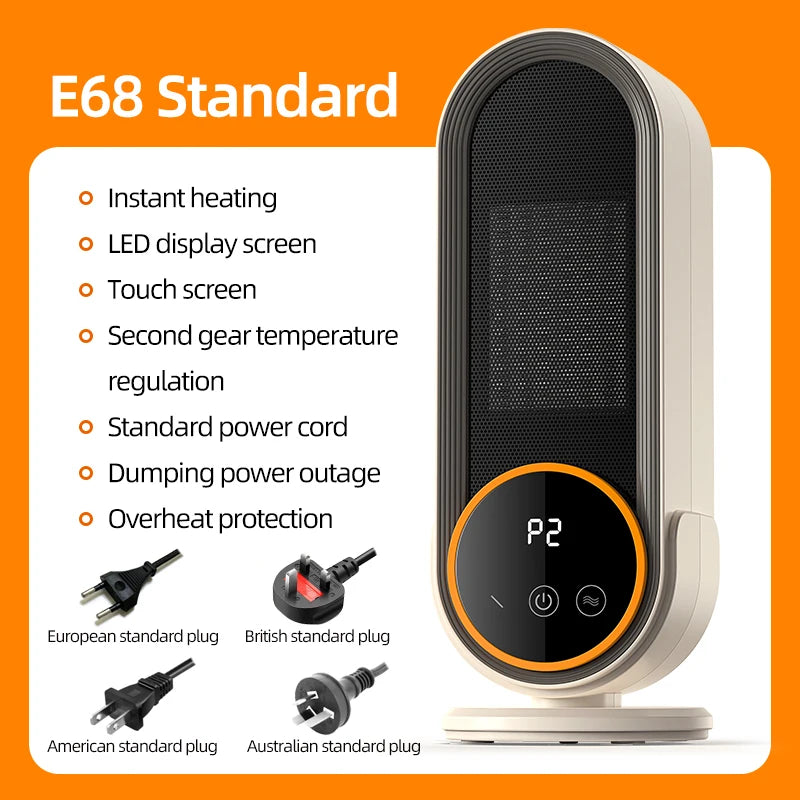
Compact indoor heater suitable for efficiently warming smaller living spaces.
Safety and Energy Costs for Overnight Heating
Safe Overnight Operation
Choose heaters with automatic overheat shutoff, tip-over protection, safety certifications, and adjustable thermostats. Oil-filled radiators remain a popular choice because they provide steady warmth without continuous fan operation.
ECO Mode Benefits
ECO mode automatically adjusts heating output to maintain the selected temperature while reducing energy consumption. On fan-equipped heaters, lower fan speeds may also reduce operating noise.
Estimated Running Costs
Actual electricity costs depend on local utility rates, insulation quality, thermostat settings, and daily runtime. Using a programmable thermostat and heating only occupied rooms generally reduces overall energy consumption.
How to Keep Your Space Heater Quiet Over Time
Proper Placement
Always place the heater on a flat, solid surface with adequate clearance around it. This minimizes vibration while allowing unrestricted airflow.
Cleaning Fans and Filters
If your heater uses a fan, remove accumulated dust according to the manufacturer's maintenance instructions. Clean fan blades operate more quietly and efficiently.
Reducing Vibration
Tighten loose exterior panels if applicable and inspect for debris trapped around moving parts. Regular maintenance helps preserve quiet performance over the heater's lifespan.
For a cozy winter lifestyle beyond heating, explore ideas in the Lifestyle collection.
Get yours now — limited stock!
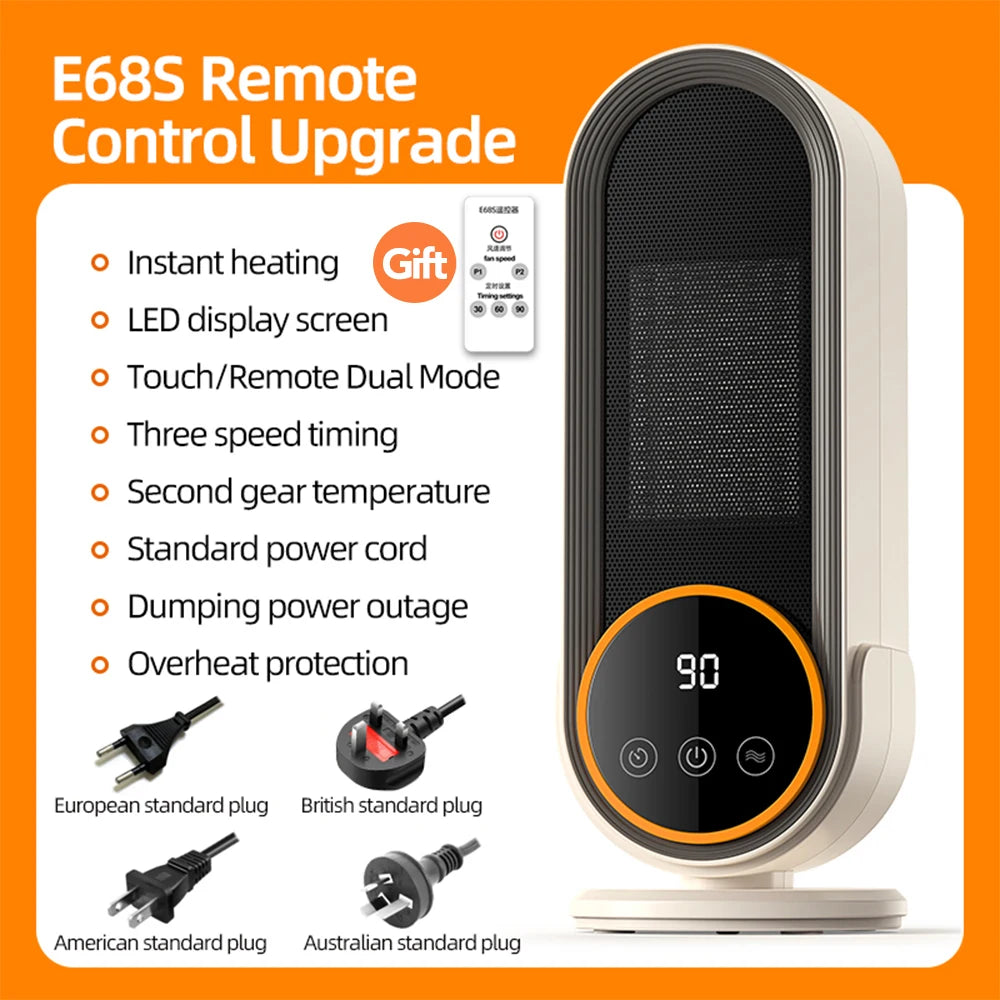
Compact indoor heater designed for everyday home heating.
Best Quiet Heater by Use Case
Best for Sleeping
An oil-filled radiator offers the quietest overnight experience thanks to silent operation and consistent heat retention.
Best for Small Rooms
A compact ceramic heater with a quiet mode provides fast warmth while maintaining acceptable noise levels.
Best for Large Rooms
Larger spaces often benefit from higher-capacity oil-filled or micathermic heaters that provide even heat distribution over longer periods.
Best for Home Office
A low-noise ceramic heater balances rapid warm-up, compact size, and quiet operation, making it ideal for productivity during working hours.
Frequently Asked Questions
What is the quietest electric heater?
Oil-filled radiators are generally considered the quietest because they operate without continuously running fans.
Are noiseless heaters truly silent?
They are effectively silent during normal operation, although occasional thermostat clicks or metal expansion sounds may still occur.
Which heater type makes the least noise?
Oil-filled, infrared radiant, and micathermic heaters all rank among the quietest electric heating technologies.
What dB level is comfortable for sleeping?
Most people find heaters operating below approximately 30 dB comfortable enough for uninterrupted sleep.
Are infrared heaters quieter than ceramic heaters?
Yes. Since most infrared heaters do not rely on fans, they usually operate much more quietly than ceramic fan heaters.













