

Does red light therapy for collagen production really work?
Yes—red light therapy can support collagen production by delivering specific red and near-infrared wavelengths that stimulate cellular activity within the skin. Clinical studies suggest consistent treatment can improve firmness, elasticity, and overall skin texture over time, making it a non-invasive option for addressing early signs of skin aging at home.
Red Light Therapy for Collagen: Science, Results Timeline, and What Actually Works
Red light therapy for collagen production has become one of the most researched at-home skincare technologies for improving skin firmness, elasticity, and the appearance of fine lines. Whether you're concerned about neck creases, loss of firmness, or uneven skin texture, understanding how the treatment works—and what results are realistic—can help you choose the right routine and device.
This guide explains the current scientific evidence, how photobiomodulation influences collagen synthesis, the wavelengths most commonly used for skin rejuvenation, and what factors have the biggest impact on long-term results.
⏱ 7 min read
Explore how red light therapy works at home
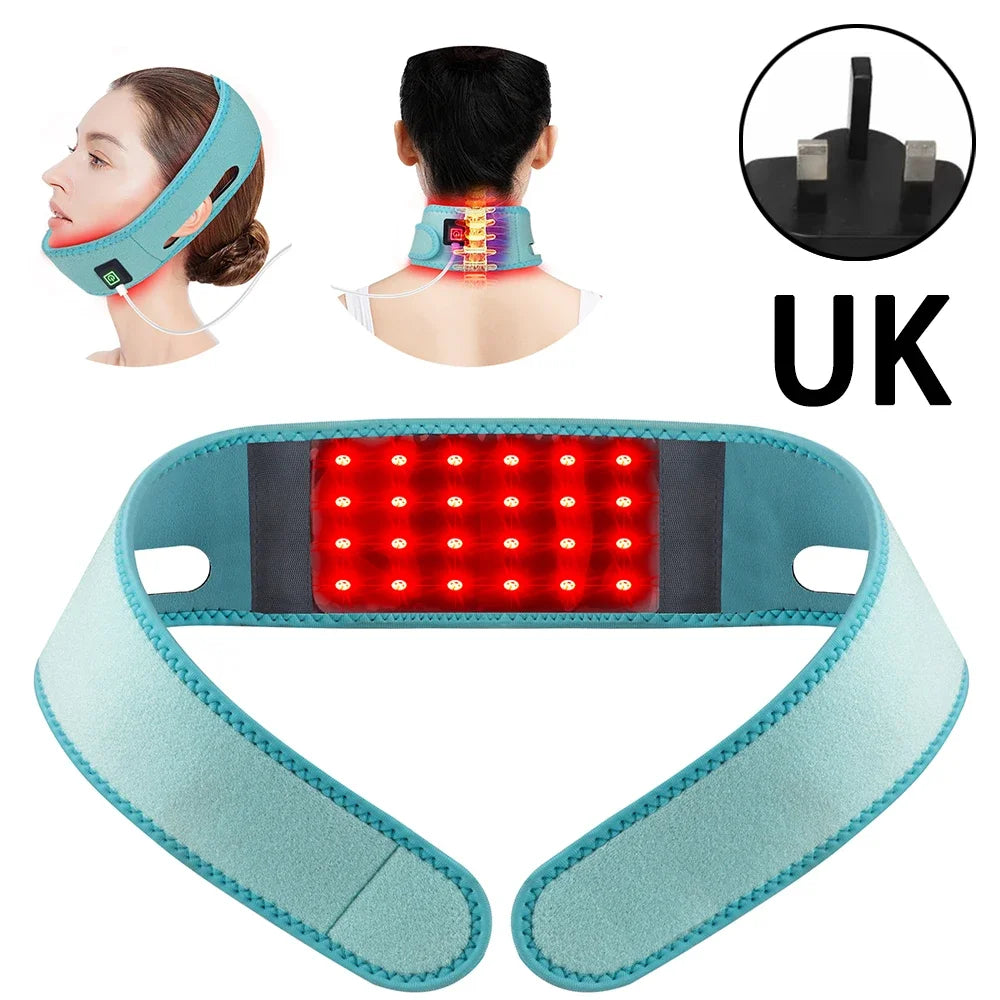
Red light penetrates targeted skin layers to support natural collagen production.
Does Red Light Therapy Really Increase Collagen? (Evidence-Based Answer)
Current evidence suggests yes—but with realistic expectations. Human clinical studies indicate that red light therapy for collagen production can stimulate fibroblast activity and improve skin quality when used consistently over several weeks. The biological process is known as photobiomodulation , where light energy is absorbed by skin cells, increasing cellular energy production and supporting normal tissue repair.
What Current Clinical Studies Show
Clinical research has reported improvements in skin elasticity, wrinkle appearance, collagen density, and dermal thickness following regular treatment protocols, most commonly over 8 to 12 weeks. While study designs and devices differ, the overall trend suggests that properly dosed red and near-infrared light can encourage collagen remodeling rather than simply providing temporary cosmetic improvements.
Evidence Quality and Realistic Conclusions
Although the scientific evidence continues to grow, results vary depending on the device used, treatment consistency, skin condition, and individual biology. Dermatologists generally view red light therapy as a gradual, non-invasive approach that supports the skin's natural repair processes rather than producing immediate lifting effects. It works best as part of a long-term skincare routine instead of a one-time treatment.
How Red Light Therapy Works for Collagen Production
Photobiomodulation and Cellular Energy
Understanding how red light therapy works for collagen begins with photobiomodulation. When specific wavelengths of red or near-infrared light reach skin tissue, they are absorbed by mitochondria—the structures responsible for producing adenosine triphosphate (ATP), the primary energy source used by cells.
Higher ATP availability provides skin cells with additional energy to carry out maintenance and repair processes, supporting healthier tissue function and creating an environment that favors collagen renewal.
Fibroblast Activation and Collagen Synthesis
Fibroblasts are specialized cells responsible for producing collagen, elastin, and other components of the skin's extracellular matrix. Increased cellular energy helps activate fibroblasts, encouraging them to synthesize new collagen while supporting the ongoing remodeling of existing collagen fibers.
Over time, this collagen remodeling process may contribute to firmer skin, improved elasticity, and a smoother appearance, particularly when treatments are performed consistently over several weeks.
Skin Layers and Wavelength Penetration
The effectiveness of collagen boosting light therapy depends largely on wavelength selection. Most evidence-based consumer and professional devices use:
- 630–660 nm red light to target superficial skin layers where many fibroblasts are located.
- 800–850 nm near-infrared light to penetrate deeper tissues and complement red light by reaching additional cellular targets beneath the surface.
Penetration depth is influenced not only by wavelength but also by treatment distance, power density, and total energy delivered. Using clinically appropriate treatment parameters is generally more important than simply increasing session length, as effective collagen stimulation relies on an adequate—not excessive—light dose.
Red Light Therapy Before and After Collagen: Realistic Timeline
Expected Results by Week
Collagen remodeling is a gradual biological process, so visible improvements develop over time rather than after a single session. Most studies evaluating red light therapy for collagen production measure outcomes after several weeks of consistent treatment.
- Weeks 1–2: Skin often feels better hydrated and may appear brighter as circulation and cellular activity improve. These early changes are largely cosmetic rather than the result of new collagen.
- Weeks 3–6: Fibroblasts become more active, and many users begin noticing smoother skin texture and subtle improvements in elasticity.
- Weeks 6–12: Visible firmness, softer fine lines, and a more even skin texture become increasingly noticeable as collagen remodeling continues.
- After 3 months: With ongoing use, improvements in skin density, resilience, and overall appearance are typically easier to appreciate, especially when treatment is combined with a consistent skincare routine.
Factors That Influence Outcomes
Individual results vary because collagen production is influenced by multiple factors, including age, baseline skin health, lifestyle habits, treatment frequency, and device quality. Most evidence-based protocols recommend using red light therapy 3 to 5 times per week for approximately 10 to 20 minutes per session. Consistency generally has a greater impact than extending individual treatment times.
What Before-and-After Photos Can and Cannot Prove
Before-and-after images can demonstrate visible cosmetic improvements, but they should be interpreted carefully. Differences in lighting, camera angle, facial expression, makeup, and image editing can exaggerate or minimize results. The most reliable comparisons are taken under identical conditions over several months, allowing gradual collagen-related improvements to become more apparent.
Red Light Therapy for Neck Skin
Why Neck Skin Responds Differently
The neck is often one of the first areas to show signs of aging because its skin is thinner, contains fewer oil glands, and experiences frequent movement throughout the day. These characteristics make collagen loss and reduced elasticity more noticeable than on many other parts of the face.
Red light therapy for neck skin targets the fibroblasts within these delicate tissues, supporting the skin's natural collagen production without damaging the surface.
Treatment Tips for the Neck
For the most even treatment, begin with clean, dry skin and position the device so the entire neck receives consistent light exposure. Maintaining the manufacturer-recommended treatment distance and avoiding unnecessary movement during each session helps deliver a more uniform light dose across the area.
Combining regular treatments with daily sun protection and a moisturizing skincare routine can help preserve collagen while supporting healthier-looking skin.
Expected Improvements
With consistent use, many people notice gradual improvements in skin firmness, smoother texture, and softer horizontal neck lines. While red light therapy cannot completely eliminate advanced skin laxity, it may improve the appearance of mild to moderate aging by supporting ongoing collagen remodeling and enhancing overall skin quality.
What Determines Collagen Results?
Light Wavelength and Device Quality
Not all red light therapy devices perform equally. Clinically studied wavelengths, consistent power output, and even light distribution all influence how much usable energy reaches the skin. Devices designed specifically for skin rejuvenation generally use red light around 630–660 nm, with many also incorporating near-infrared wavelengths to support deeper tissue penetration.
Treatment Duration and Frequency
Regular treatment is one of the strongest predictors of success. For most home devices, using red light therapy for 10–20 minutes per session, 3–5 times each week provides a practical balance between effectiveness and convenience. Missing sessions occasionally is unlikely to negate progress, but long breaks may slow visible improvements.
Age and Skin Condition
Individuals with younger skin or early signs of aging may notice improvements sooner because baseline collagen production remains relatively active. Mature skin can still benefit from consistent treatment, although structural changes typically develop more gradually and may require a longer treatment period.
Supporting Skincare Habits
Healthy lifestyle choices help maximize collagen remodeling. Daily sunscreen use, adequate hydration, a balanced diet rich in protein and antioxidants, sufficient sleep, and a well-formulated skincare routine all support the skin's natural repair processes alongside red light therapy.
See how this neck wrap fits into real life

Consistent light exposure supports firmer, smoother neck skin.
Benefits of Red Light Therapy for Collagen
Improved Firmness and Elasticity
One of the primary red light therapy benefits for collagen is gradual improvement in skin firmness. As fibroblasts produce and reorganize collagen fibers, the skin's support structure becomes stronger, helping improve elasticity without invasive procedures. These changes develop progressively rather than immediately.
Reduction in Fine Lines
As collagen remodeling continues, fine lines may appear softer because the dermal layer becomes better supported. While deep expression lines and significant skin laxity are unlikely to disappear completely, mild to moderate wrinkles often become less noticeable with consistent treatment.
Support for Overall Skin Texture
Red light therapy collagen research also suggests improvements in overall skin quality. Enhanced cellular activity can contribute to smoother texture, improved skin tone, and a healthier-looking complexion. These effects should be distinguished from temporary hydration, which can create a short-lived plumping effect without reflecting true collagen changes.
How Red Light Therapy Compares with Other Collagen Treatments
Retinol
Retinol promotes collagen production through controlled skin cell turnover and long-term remodeling, but it may cause dryness, irritation, or increased sun sensitivity in some users. Red light therapy stimulates collagen through photobiomodulation instead of chemical exfoliation, making it a suitable option for people seeking a gentler approach. Many skincare professionals recommend using both as complementary treatments when tolerated.
Microneedling
Microneedling creates controlled micro-injuries that trigger a wound-healing response and collagen production. It often produces faster structural changes than home light therapy but requires recovery time and carries a higher risk of temporary redness or irritation. Red light therapy offers slower, cumulative improvements with virtually no downtime.
Laser Procedures
Fractional and ablative laser treatments can produce substantial collagen remodeling by intentionally heating or resurfacing the skin, but they typically involve greater cost, recovery time, and a higher risk of side effects. Red light therapy provides a non-invasive alternative for individuals seeking gradual improvements with a lower treatment burden, although results are generally more modest than professional laser procedures.
Safety, Side Effects, and Who Should Avoid Treatment
Common Side Effects
Red light therapy is generally well tolerated when used according to the manufacturer's instructions. Most users experience no significant side effects, although temporary warmth, mild redness, or slight skin sensitivity can occasionally occur immediately after treatment. These effects usually resolve quickly without intervention.
Contraindications
Individuals taking medications that increase photosensitivity or those with certain light-sensitive medical conditions should consult a healthcare professional before beginning treatment. Anyone with active skin infections, suspicious skin lesions, or recent cosmetic procedures should also seek medical guidance before using a red light therapy device.
Safe Home Use
For safe home treatment, follow the recommended session length and treatment distance provided by the device manufacturer. Avoid looking directly into high-intensity LEDs unless the device is specifically designed for unprotected eye exposure, and use appropriate eye protection whenever recommended. More frequent or longer sessions do not necessarily produce faster collagen remodeling.
How to Use Red Light Therapy for Maximum Collagen Results
Treatment Schedule
Consistency is one of the most important factors in successful collagen stimulation. Most at-home protocols recommend using red light therapy 3 to 5 times per week for approximately 10 to 20 minutes per session . Following a regular schedule over several months is more effective than using the device sporadically.
- Clean and dry the treatment area before each session.
- Position the device according to the manufacturer's recommendations.
- Complete the full treatment time without exceeding the suggested duration.
- Continue treatments consistently for at least 8 to 12 weeks before evaluating collagen-related improvements.
Distance and Session Length
Maintaining the recommended distance between the device and the skin helps ensure an appropriate light dose reaches the treatment area. Holding the device too far away may reduce effectiveness, while unnecessarily extending treatment time is unlikely to improve results. Following the device's instructions provides the most reliable balance between safety and performance.
Combining with Skincare
Red light therapy can be incorporated into a broader skincare routine. After treatment, apply a moisturizer or hydrating serum to support the skin barrier. Peptide-based products may complement collagen-focused routines, while vitamin C products can be used at a separate point in the day according to their normal directions. Consistent sun protection remains essential for preserving newly formed collagen.
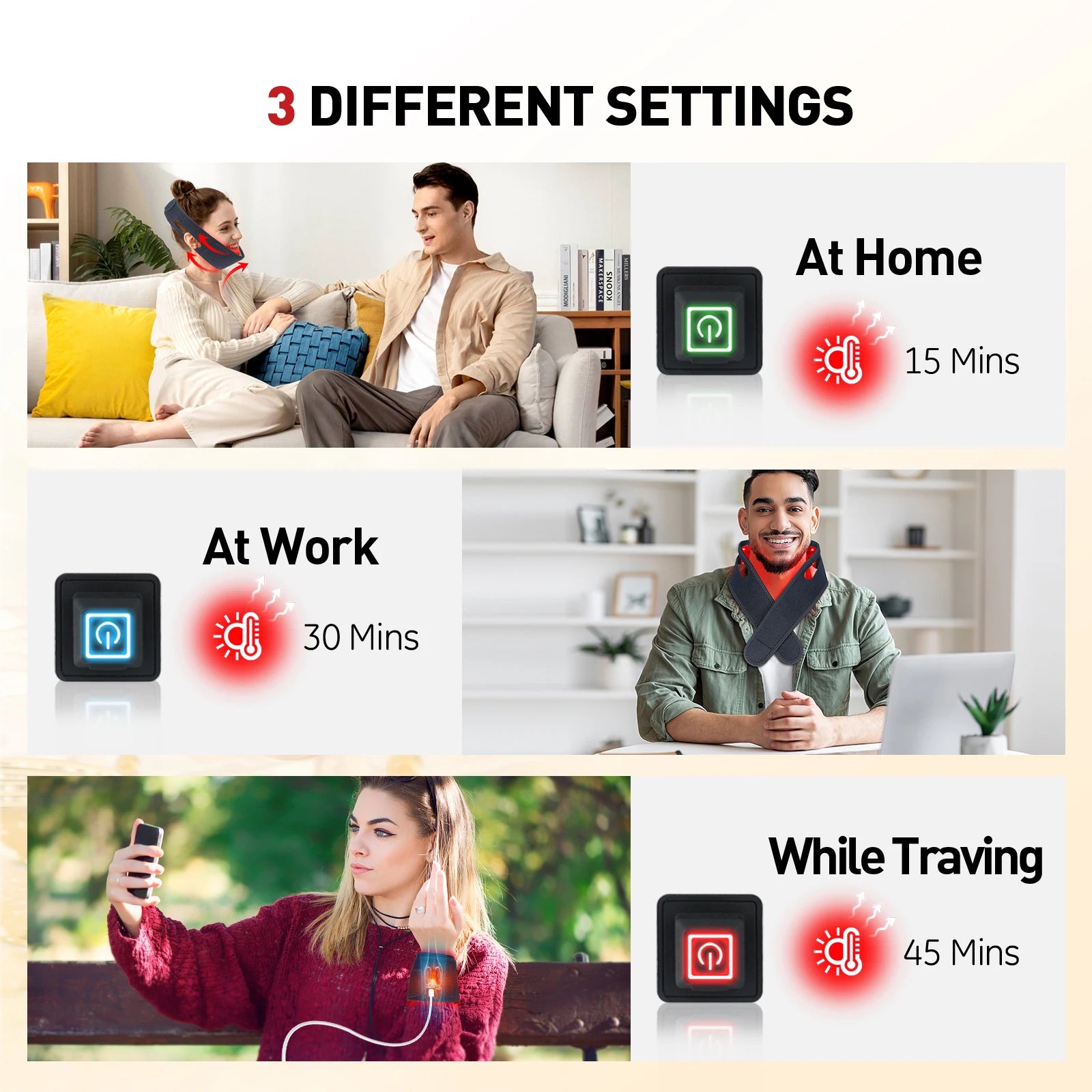
Consistent treatment and good skincare habits help support gradual improvements in skin firmness and texture.
Get yours now — limited stock!
Frequently Asked Questions
Does red light therapy actually stimulate collagen production?
Yes. Research indicates that red light therapy can stimulate fibroblasts through photobiomodulation, encouraging the natural production of collagen over time. Results depend on using an appropriate device, following a consistent treatment schedule, and allowing sufficient time for collagen remodeling to occur.
How long does it take to see collagen results from red light therapy?
Many users notice improvements in skin hydration and texture within 4 to 8 weeks, while more visible collagen-related changes in firmness and elasticity often require 8 to 12 weeks or longer of regular treatment. Individual results vary based on age, skin condition, and treatment consistency.
What wavelength is best for collagen production?
The strongest evidence supports red light wavelengths between 630–660 nm for superficial skin treatment, often combined with 800–850 nm near-infrared light to reach deeper tissue. Effective treatment depends on both wavelength and appropriate power output rather than wavelength alone.
Can red light therapy rebuild lost collagen?
Red light therapy can support the production of new collagen and help remodel existing collagen fibers, but it cannot completely restore severe age-related collagen loss or replace surgical procedures. It is most effective for improving mild to moderate signs of skin aging through gradual, cumulative changes.
Is near-infrared better than red light for collagen?
Neither is universally better. Red light primarily targets the upper layers of the skin where many fibroblasts are located, while near-infrared light penetrates deeper tissues. Many modern devices combine both wavelengths to provide complementary benefits.
Can I combine red light therapy with retinol or vitamin C?
Yes. Red light therapy can generally be combined with ingredients such as retinol, vitamin C, peptides, and moisturizers as part of a comprehensive skincare routine. If using retinol causes irritation, consider separating treatments by time of day or following guidance from a skincare professional.
Does red light therapy work for neck wrinkles?
Red light therapy may improve the appearance of mild to moderate neck wrinkles by supporting collagen production and improving skin elasticity. Consistent use over several months typically provides better results than occasional treatments, although deeper folds may require additional cosmetic procedures.
How often should I use red light therapy for collagen?
Most home devices recommend using red light therapy 3 to 5 times per week for approximately 10 to 20 minutes per session . Following the manufacturer's instructions and maintaining a consistent routine generally produces better long-term results than increasing treatment frequency.













